Let’s face it: automotive marketing departments have been feeding us sanitized corporate speak for decades: Built Ford Tough (Boring), Like a Rock (Huh?), The Ultimate Driving Machine (Sure). While these slogans might test well with focus groups, they don’t capture what actual owners experience when they’re wrestling with a stubborn ignition on a Tuesday morning or explaining their questionable life choices at a car meet.
We’re not alone in feeling these taglines are, well, a bit surface-level. A bit soulless. We stumbled across a hilarious Reddit post where car owners shared their own carmaker slogs based on personal experience, community stereotypes, and just wanting to laugh instead of cry. Of course, these are all jokes and everyone was having a laugh.
At the end of the day, we all love our Toyota Corollas with over 300K miles. What’s that saying? We roast the ones we love? Here are some of our favorite enthusiast-approved slogans.
Dodge: Try To Dodge This

When Dodge builds a car, subtlety goes out the window faster than the transmission fluid from a well-used Charger. This is the brand that looked at the muscle car era, decided it never really ended, and has been building cars accordingly ever since.
The Hellcat series marks the natural evolution of a company philosophy that asks “how much horsepower is too much?” and then adds another 100 just to be sure. Whether it’s the aggressive styling of the Challenger that makes it look perpetually angry at traffic, or the Durango SRT that somehow convinced soccer moms they needed 475 horsepower for school pickup duty, Dodge doesn’t do anything halfway.
The “Try to Dodge This” mentality extends beyond just straight-line performance. It’s about the bold design choices that make every Dodge instantly recognizable from three lanes away, the exhaust notes that announce your presence to the entire neighborhood, and the interior materials that prioritize looking cool over lasting forever.
Oh, and the fact that some younger drivers may not know how to handle all that extra horsepower and end up getting a bit too close to the crowd watching them take off from the meet. Sure, the fuel economy might be terrible, and the reliability ratings aren’t winning any awards.
Still, when you’re piloting a 700+ horsepower street-legal missile, those concerns tend to fade into the background along with everything else in your rearview mirror.
GM: It’ll Run Terribly Longer Than Most Cars Will Run at All
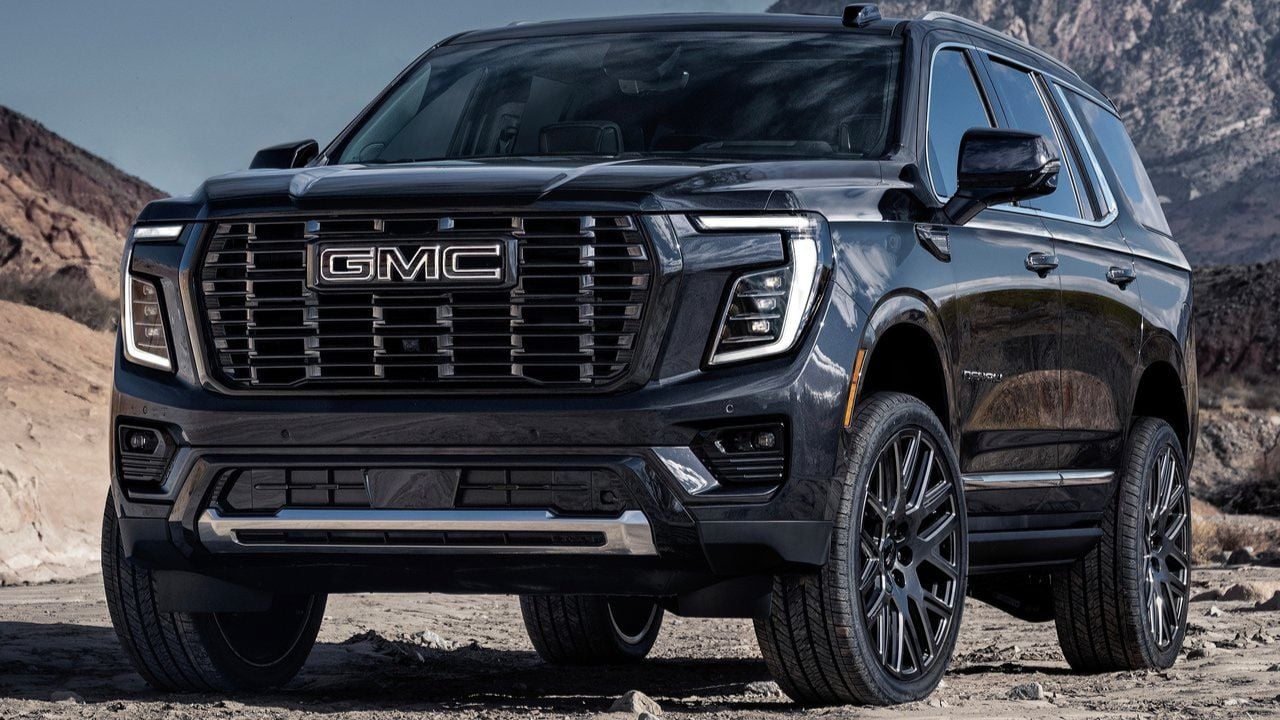
General Motors has mastered the art of building vehicles that will frustrate you for decades. This is engineering philosophy at its most pragmatic: why make a car that runs flawlessly for 100,000 miles when you can make one that runs poorly for 300,000?
GM vehicles are the automotive equivalent of that old lawn mower in your garage, it starts hard, idles rough, makes concerning noises, and somehow keeps working year after year despite your best efforts to kill it through neglect. The company that gave us the immortal small block V8 and the cockroach-like Cavalier understands that sometimes “good enough for long enough” is exactly what people need.
This philosophy is most evident in GM’s truck lineup, where a Silverado with 200,000 miles still commands respect at the construction site despite having an interior that looks like it survived a small explosion and a tailgate that requires a specific combination of lifting, pulling, and prayer to operate properly.
GM’s genius lies in understanding that most drivers would rather deal with familiar problems than unknown ones. That check engine light? It’s been on for 50,000 miles, and the truck still runs. The power window that only works when it’s above 60 degrees? You learn to live with it. The air conditioning that blows cold for precisely 20 minutes before giving up? That’s what windows are for. It’s not pretty, but it’s honest reliability in its most American form.
Toyota: Boring Cars for Boring People, Oh What a Feeling

Toyota perfected the art of making cars so sensible, so reliable, and so utterly predictable that driving one feels like wearing beige socks. This brand took the excitement out of car ownership and somehow convinced millions of people that this was precisely what they wanted.
Every Toyota is designed by a committee of accountants, engineers, and focus group moderators who ask themselves one simple question: “How can we make this more practical?” The result is a lineup of vehicles that start every morning, get excellent fuel economy, hold their value like precious metals, and inspire absolutely no emotional response whatsoever.
But here’s the thing about boring: it works. While other manufacturers were chasing the latest trends, Toyota was quietly perfecting the science of building cars that their owners could completely ignore. The Camry in your driveway will dutifully transport you to work for the next 15 years without requiring anything more than oil changes and the occasional tire rotation.
The Prius will smugly deliver around 50 MPG while making you look like you’ve given up on ever having fun again. The 4Runner will climb mountains and ford streams with the enthusiasm of a metronome, but it’ll do it every weekend for the next two decades. Toyota doesn’t build its main line of cars for enthusiasts, it builds cars for people who want to think about their car as little as possible, and there’s something beautifully honest about that approach. And let’s not forget, Toyota has some fun cars, okay?
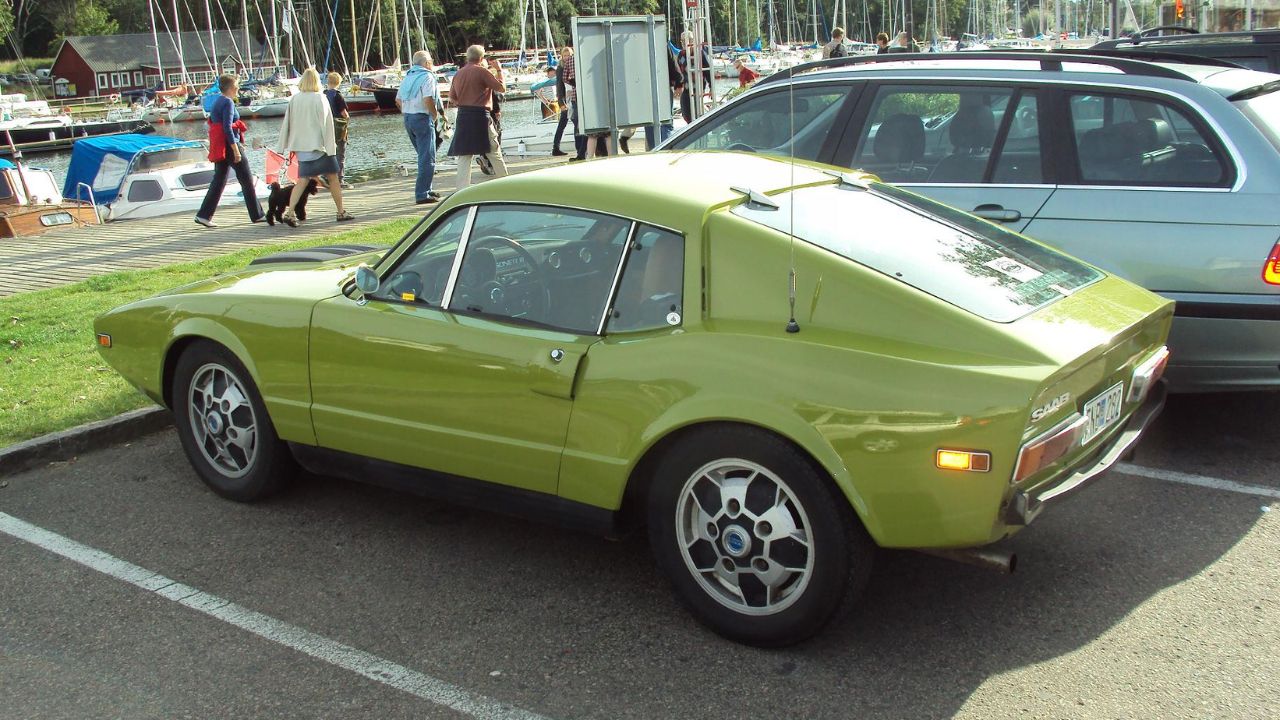
Saab: Weird and Proud of It

Saab approached car design like Swedish engineers who had only heard cars described to them by someone who had never actually seen one. It’s the essence of a vehicle. This was a company that placed the ignition switch on the center console, used unconventional gauge logic and night-focused instrumentation (like Saab’s Night Panel setup), and decided that turbocharging everything was the solution to problems that didn’t yet exist.
Every Saab was an engineering experiment disguised as transportation, built by people who looked at conventional automotive wisdom and decided it was probably wrong. The 99 and 900 series were automotive non-sequiturs that somehow made perfect sense once you spent enough time with them.
Saab owners were a special breed; they formed relationships with their quirks. The key that had to be turned just so, the seat that adjusted in ways that defied geometry, the heating system that worked like a Swedish sauna on wheels.
These weren’t bugs; they were features that separated the true believers from the casual observers. When Saab finally succumbed to financial reality in 2011, it wasn’t just the end of a car company: it was the end of an era when manufacturers could be genuinely eccentric and still find enough customers who appreciated the madness. Modern cars are safer, more reliable, and infinitely more practical than any Saab ever was, but they’re also a lot less interesting to live with.
Fiat: Not Good, but Look How Cute It Is

Fiat has spent decades perfecting the art of making cars so charming that you almost forget about their mechanical shortcomings. This is automotive design through the lens of Italian romance: all passion, style, and emotional appeal with a casual relationship to things like long-term reliability and electrical system integrity.
The 500, both original and modern, embodies this philosophy perfectly: it’s small, adorable, full of character, and will break your heart in ways both metaphorical and literal. Fiat doesn’t build cars for people who want transportation; they build cars for people who want a relationship, complete with all the drama that entails.
The Fiat ownership experience is like dating someone beautiful and unpredictable, thrilling when everything’s working, frustrating when it’s not, but somehow still worth it for those perfect moments. Yes, the electrical systems have more personality than most people’s pets, and the rust protection seems to be more of a suggestion than a guarantee, but when you’re puttering through a European village (or pretending to on your way to Whole Foods), none of that matters.
Fiat understands that cars can be more than just machines: they can be statements, expressions of personality, conversation starters. The fact that they might leave you stranded occasionally is just part of their Latin charm. After all, the most memorable relationships are rarely the most reliable ones.
Jaguar: We Used To Be Cool

There was a time when Jaguar represented everything aspirational about British automotive engineering: elegant, powerful, sophisticated, and just unreliable enough to keep things interesting. The E-Type wasn’t just a car; it was a work of art that happened to have an engine.
The XJ series sedans were what successful people drove when they wanted to signal taste rather than just wealth. Jaguars had presence, character, and that distinctive exhaust note that announced your arrival with understated authority. They were cars for people who appreciated the finer things in life and didn’t mind paying extra for them.
Then something happened. Maybe it was the Ford ownership years, maybe it was the relentless march toward SUV practicality, or perhaps it was just the natural evolution of a luxury brand trying to survive in the modern marketplace. Today’s Jaguars are competent, reliable, well-built vehicles that happen to wear the same badge as the cars that once made hearts race.
The F-Pace is a perfectly adequate luxury SUV that any premium manufacturer could have built. The XF is a solid sedan that checks all the right boxes without setting any souls on fire. They’re good cars – arguably better cars than Jaguar has ever made – but they’re not cool cars. And somewhere in Coventry, the ghost of Sir William Lyons is probably wondering what happened to the company that once promised grace, space, and pace.
Honda: The Cooler Toyota

Honda figured out how to build cars with Toyota’s legendary reliability while actually making them enjoyable to drive and own. This is what happens when engineers are allowed to have just a little bit of fun with their sensible designs. Where Toyota optimized for maximum boringness, Honda found the sweet spot between practical and engaging.
The Civic Type R proves that you can build a 315-horsepower track weapon that still gets decent fuel economy and won’t leave you stranded. The Accord manages to be spacious, efficient, and genuinely pleasant to drive. Even the CR-V, Honda’s entry into the beige SUV wars, has enough character to distinguish itself from the sea of anonymous crossovers clogging our highways.
Honda’s genius lies in understanding that reliability doesn’t have to mean boring. The company that gave us the S2000, the original NSX, and decades of bulletproof motorcycles knows how to make mechanical things that both work properly and spark joy. Honda owners get to enjoy the smug satisfaction of superior fuel economy and minimal repair bills while still having something resembling a personality in their driveway.
It’s Toyota for people who haven’t completely given up on the idea that driving could be fun, and in today’s automotive landscape, that’s a surprisingly rare thing. When your biggest complaint about a car company is that they discontinued the manual transmission option, you know you’re dealing with the good guys.
Buick: If You’re Going To Give Up, Might as Well Be Comfortable

Buick has carved out a unique niche in the American automotive landscape: cars for people who have made peace with their automotive ambitions. This isn’t about performance, style, or making a statement, this is about accepting that your wild driving days are behind you and embracing the comfort that comes with that acceptance.
Buick builds cars for people who want their vehicles to feel like their favorite recliner, complete with massaging seats, whisper-quiet cabins, and suspension systems tuned for maximum float rather than maximum handling. It’s an automotive resignation done with dignity and surprisingly high-quality materials.
The typical Buick customer has reached that stage of life where getting into and out of the car matters more than how quickly it can get to 60 mph. They want vehicles that start reliably, ride smoothly, and don’t require any explanation to their insurance agent. The Enclave is perfect for grandparents who need to transport grandchildren without anyone complaining about the ride quality from the backseat. The LaCrosse offered (discontinued in 2019 in U.S. , still in production in China) the kind of isolation from road noise and harsh realities that makes traffic jams almost meditative.
Buick doesn’t judge you for choosing comfort over excitement: they embrace it, celebrate it, and build cars specifically designed to make giving up feel like the smartest decision you ever made. Let’s forget that Buick tried to reinvent itself (nobody was fooled).
Jeep: Where We’re Going, We Don’t Need Doors!

Jeep built its reputation on the simple premise that sometimes you need to drive places where there aren’t any roads, and sometimes you need to do it with the doors off because, well, why wouldn’t you? This is automotive philosophy at its most elemental: take away everything that isn’t absolutely necessary, add four-wheel drive, and see what happens.
The Wrangler remains one of the last vehicles on the market that prioritizes capability over comfort, function over form, and adventure over practicality. It’s a car company that looked at the modern trend toward car-like SUVs and decided to go in exactly the opposite direction.
Jeep owners understand that some compromises are worth making. Yes, the fuel economy is terrible, the road noise is significant, and the aerodynamics are roughly equivalent to those of a brick, but none of that matters when you’re climbing rocks that would stop a mountain goat. The Wrangler is one of the few vehicles that actually gets cooler as you remove parts from it – doors, roof, even the windshield can fold down for the whole wind-in-your-hair experience.
It’s transportation for people who believe that the journey is more important than the destination, and that sometimes the best roads are the ones that don’t officially exist. In an increasingly sanitized automotive world, Jeep remains gloriously, unapologetically rough around the edges.
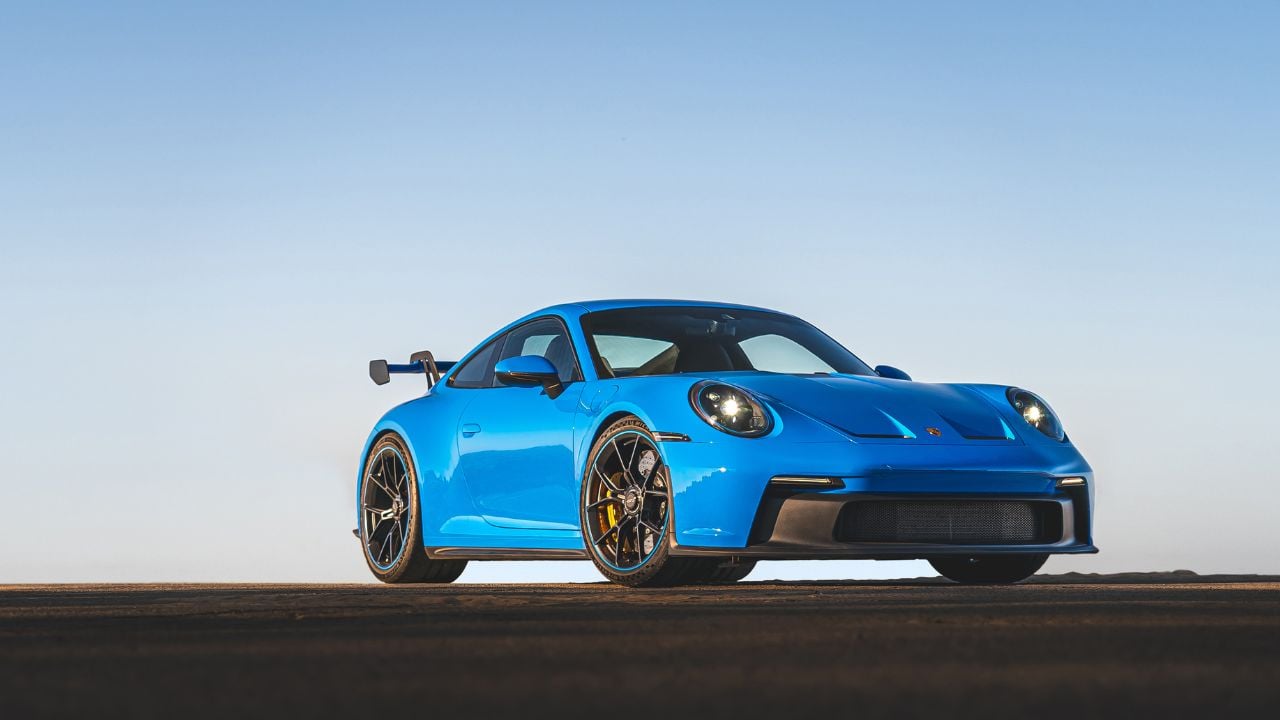
Porsche: Boring Perfection

Porsche has achieved something remarkable and slightly tragic: they’ve perfected the sports car to the point where driving one feels almost clinical. Every 911 is an engineering masterpiece that does precisely what it’s supposed to do, exactly when it’s supposed to do it, with a precision that borders on the supernatural. The steering is perfectly weighted, the brakes are perfectly calibrated, and the engine delivers power with mathematical accuracy.
It’s automotive perfection achieved through decades of evolutionary refinement, and it’s somehow managed to engineer most of the surprise out of the driving experience. Modern Porsches are so competent that they make their drivers feel competent too, even when they’re not.
This isn’t to say that Porsches are bad cars: quite the opposite. They represent the absolute pinnacle of what happens when brilliant engineers are given unlimited budgets and decades to perfect their craft. But there’s something to be said for cars that occasionally surprise their owners, that have quirks and personalities and the occasional unpredictable moment.
A modern 911 Turbo S will accelerate to 60 mph faster than most people can process what’s happening, handle corners with supernatural grip, and stop with authority that defies physics, all while delivering a driving experience that feels oddly… predictable. And every Porsche model is instantly recognizable as a Porsche: it’s a look that’s lasted for decades for a reason, but it’s also a bit repetitive. When perfection becomes routine, even the most extraordinary becomes ordinary.
Guessing Headlights: Laugh It Off
These tongue-in-cheek taglines reveal something important about the relationship between drivers and the brands they choose. Behind every car purchase is a complex equation involving practical needs, emotional desires, financial constraints, and personal values. Some people want reliable transportation that won’t bother them with personality – they choose Toyota.
Others want to make a statement about their taste and sophistication – they might go with Jaguar, even if it’s not quite the Jaguar of old. Some prioritize capability over comfort and choose a Jeep, while others value comfort above all else and find themselves in a Buick. And hey, we can all laugh at these buyer trends and owner stereotypes together. It keeps us from crying over our second trip to the mechanic this month, alright?
The beauty of the automotive marketplace is that there’s room for all of these approaches. Whether you want boring reliability, exciting unreliability, comfortable resignation, or perfect precision, some manufacturer has built a car specifically for you. These honest taglines aren’t criticisms, they’re celebrations of the diversity that makes car culture interesting.
After all, the automotive world would be a much duller place if every manufacturer tried to be everything to everyone. Sometimes, the most honest compliment you can give a car company is to acknowledge exactly what they do well, even if it’s not what their marketing department wants to hear.