
We all know the superstars: the Mustangs, the 911s, the Corvettes. They hog the spotlight, get all the glory, and probably have their own reality TV shows. And to be honest, we’d watch it. Two and a Half Mustangs? American Corvette Story? But anyway, what about the unsung heroes? The ones that are often off-camera rather than in the spotlight?
Some cars just show up, do their job, and vanish into the rearview mirror of history without so much as a thank-you note. Not every vehicle gets to be a poster car, and frankly, not every car wants to be. While the spotlight usually goes to the flashy speedsters or the badge-heavy luxury rigs, there’s a whole garage full of models that quietly crushed it in ways most folks never noticed. These were the cars that made you nod in traffic with a knowing look, the ones your mechanic begrudgingly respected (because they actually worked), and the rides your buddy never shut up about until he sold it and immediately regretted it for the rest of his miserable life.
They had clever engineering, capable performance, and moments of real brilliance that made you scratch your head and ask, “Why didn’t this sell better?” Many carried unique designs, unusual features, or quietly impressive qualities that flew completely under the radar. But now? Now they get their moment in the sun. So let’s fire up the memory banks, crack open a cold one, and take a joyride through 11 of the most criminally overlooked cars ever to grace the road. You might even find your next garage project in this list. You’re welcome.
How We Picked These Misfit Masterpieces
Picking the most underrated cars ever made is no small task, especially when you’re dealing with machines that, by definition, didn’t get their due when they were new. This collection came together through a mix of old-school research (dusting off forgotten magazine reviews), firsthand experience (some of us actually owned these quirky beasts), and a generous helping of automotive hindsight.
We looked for cars that may have flown under the radar when new but aged like a fine bottle of mid-priced whiskey — better with time, once you knew what you were tasting. Some were lauded by critics but ignored by buyers, proving that the masses are often wrong. Others were technological trailblazers that arrived too soon, or were simply overshadowed by flashier, less interesting stablemates. We paid attention to cars that earned devoted fan bases long after the brochures disappeared, and to models that still get whispered about on forums and at fuel pumps by those in the know.
Think of it as a roster of cars that might’ve missed the limelight but never missed the mark on actual driving enjoyment or clever design. Your loss, mainstream buyer!
Mazda MX-6
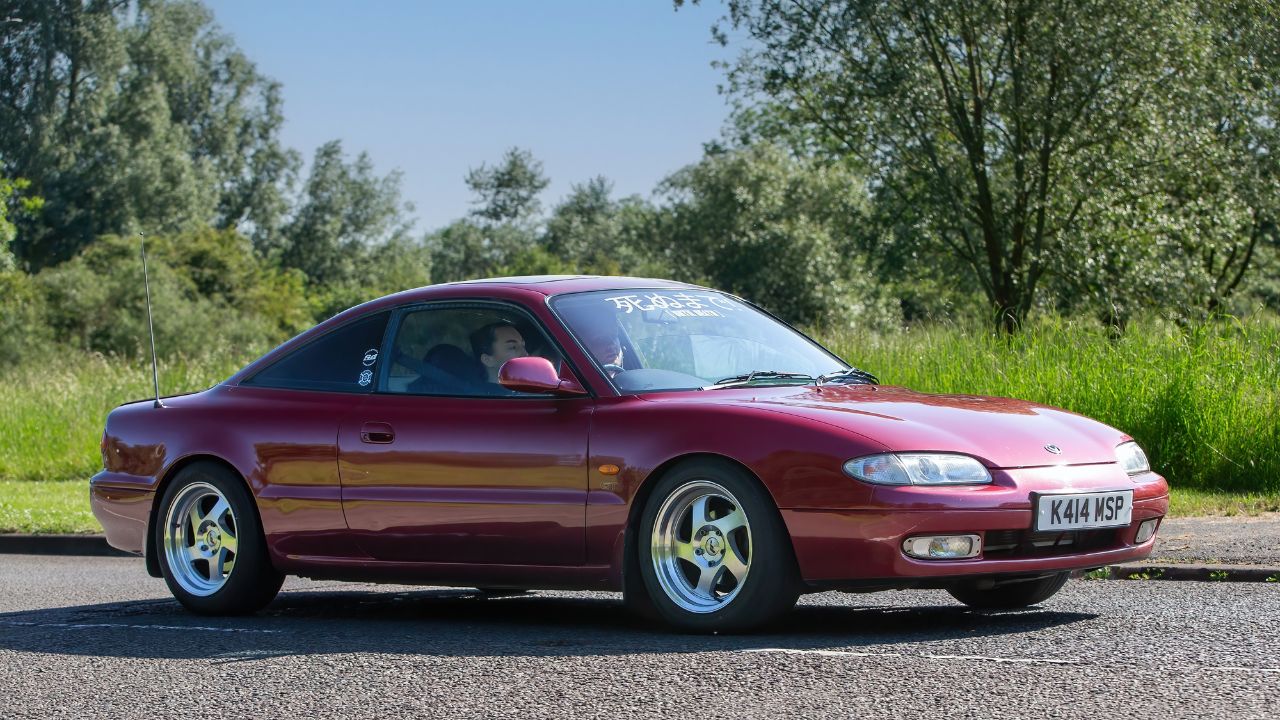
Mazda has always had a knack for building drivers’ cars that somehow feel more expensive than they are (looking at you, Miata!), and the MX-6 was no exception. With its sleek, low-slung coupe design and a reputation for bulletproof reliability, it was the type of car you could flog on a winding back road on Sunday, and still take to work on Monday without a hiccup. Under the hood, especially in the second generation (1992-1997), it was powered by a silky-smooth 2.5-liter KL-DE V6 that revved eagerly, offering an experience that punched way above its class, especially compared to its more anodyne Japanese competitors.
Handling was crisp, particularly in the GT and LS trims, where Mazda’s clever (if slightly complex) 4-wheel steering system made tight corners feel less like a wrestling match and more like a graceful waltz. It was never about brute force, the MX-6 excelled at balance and refinement. Inside, it felt more expensive than it was, with an ergonomic layout that was years ahead of its time.
Yet, the car was often overshadowed by flashier rivals or even its own sedan sibling, the Mazda 626. If you find a clean one today, consider yourself lucky — you’ve stumbled upon a genuinely well-engineered, fun-to-drive coupe that still looks good.
Saab 900 Turbo
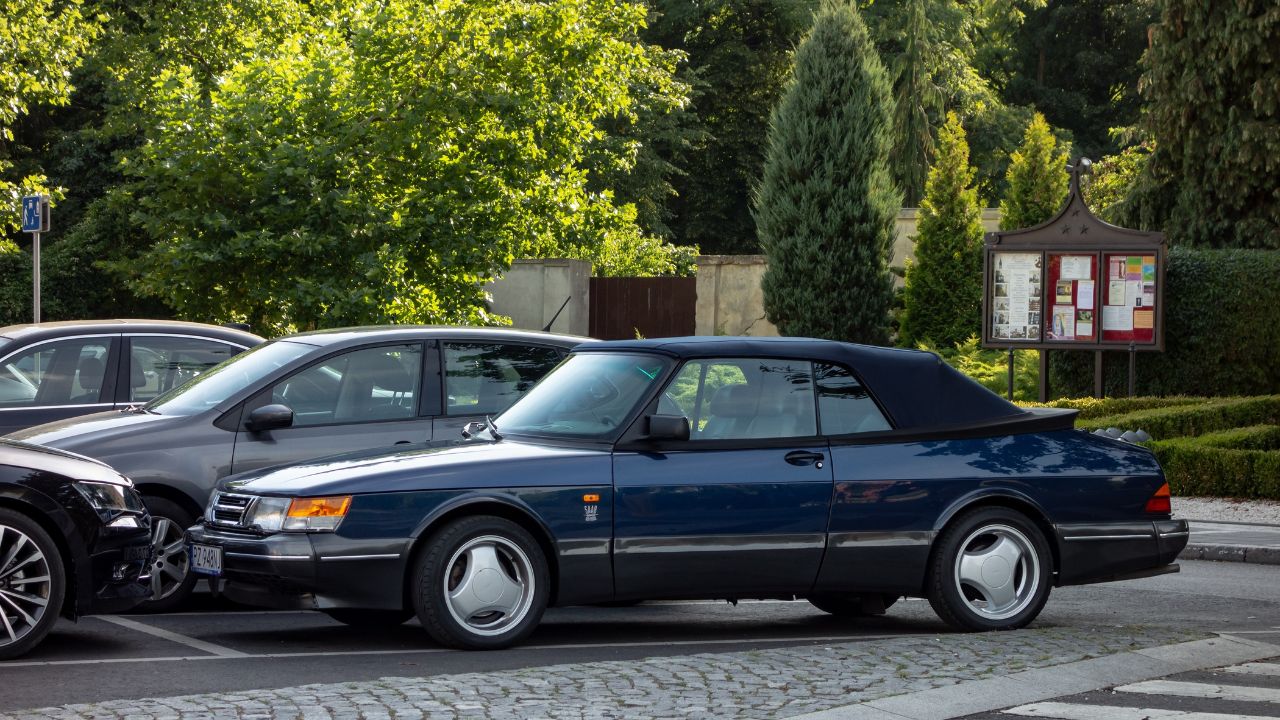
There was a time when driving a Saab 900 Turbo said one of two things about you: either you were a college professor with elbow patches, or you were someone who knew something others didn’t about forced induction. The Saab 900 Turbo (especially the classic 1979-1993 “classic” generation) was a rolling testament to quirky Swedish engineering with a surprising soul. Turbocharging was still exotic back then, mostly reserved for Porsche 911s or dragsters, but Saab figured out how to make it both fun and functional for everyday use with their low-pressure turbo engines.
The car’s iconic wraparound windshield and upright dash made it feel less like a cabin and more like the cockpit of a fighter jet (minus the missiles, usually). It was also engineered to be safer than most things on the road, with rollover strength that could withstand a small meteor strike and ergonomic controls designed by folks who probably wore lab coats and debated the existential meaning of a turn signal. The 900 Turbo didn’t just move; it whooshed, a subtle yet satisfying surge of power. Every trip felt like an event, even a mundane run to the grocery store.
For those who liked to think while driving, this was the perfect, eccentric companion. And yes, starting it still involved a key between the seats.
Pontiac G8 GT

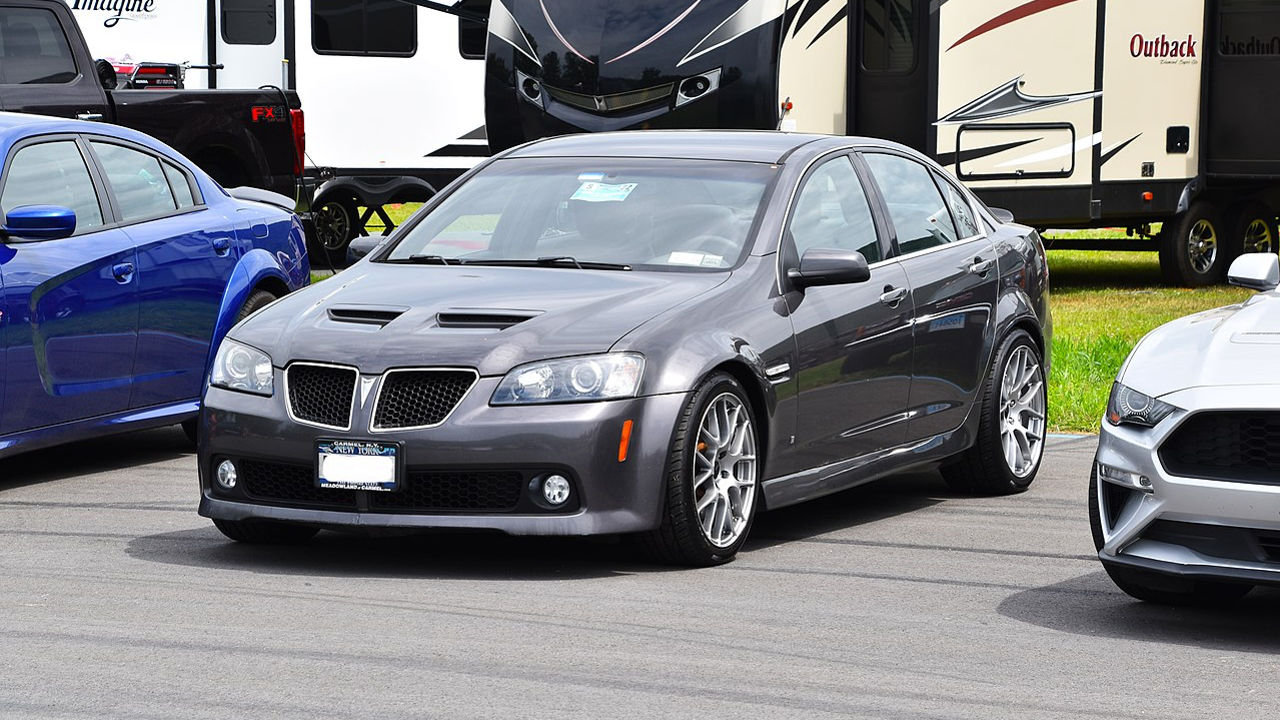
Here’s a car that came and went faster than your last relationship. The Pontiac G8 GT (2008-2009) was GM’s bold, glorious, and tragically short-lived attempt to give America a proper rear-wheel-drive performance sedan again. Built in Australia by Holden (as the VE Commodore, for those playing along at home), this muscular four-door wasn’t messing around. It had a 6.0-liter LS V8 (L76) under the hood, pushing 361 hp and 385 lb-ft of torque, and it could roast its tires with minimal provocation.
Inside, yeah, it was a bit plasticky — like a cheap toy compared to its European rivals – but who cared when the thing sounded like a NASCAR on vacation?
The G8 GT was the ultimate sleeper: unassuming until it wasn’t. It handled better than it had any right to, defying its size, and it filled the gaping hole left by the (much more expensive) BMW M5 for those without trust funds. Sadly, GM pulled the plug on Pontiac right when people started noticing this absolute gem, making it an orphan overnight. What could’ve been a modern muscle icon became a collectible almost instantly.
If you own one, hold onto it — it’s a piece of genuine V8-powered brilliance.
Toyota MR2 Spyder

This little roadster (the third-generation MR2, chassis code W30, produced from 1999-2007) often gets lost in the colossal shadow of Miatas and Boxsters, but it deserves a spotlight of its own. The MR2 Spyder was lightweight (around 2,200 pounds!), mid-engined, and surprisingly affordable — three traits rarely found in the same sentence outside of a video game.
It was a car that didn’t care about lap times as much as it cared about laughter per mile. Steering feel was divine, and the short wheelbase made for go-kart-like agility that would shame cars with triple the horsepower. No, it didn’t have much trunk space (good luck fitting more than a toothbrush), but it made up for it in pure, unadulterated personality.
With a high-revving 1.8-liter 1ZZ-FE engine (making 138 hp) and a sweet five-speed manual (or a clunky sequential manual, which we’ll ignore for now), the MR2 Spyder offered pure, simple fun. It’s the kind of car you bond with, the kind that makes you want to take the long way home. And when Toyota discontinued it, citing declining sales (probably because everyone was too busy buying Camrys), the world got a little grayer.
Find one, drive it, and remember what real driving felt like.
Buick Reatta

Buick built a handmade, two-seat luxury coupe in the late 80s, and virtually nobody paid attention? What gives? The Buick Reatta (1988-1991) was a bold experiment: two seats, a completely digital dash (including a CRT touchscreen!), a transversely mounted 3.8-liter V6, and styling that wouldn’t look out of place on a European grand tourer from a more successful company.
It was crafted at the dedicated “Reatta Craft Center” in Lansing, Michigan, where GM hoped to channel some Cadillac-level luxury into a sportier format. The touch screen (yes, in the 80s!) was so ahead of its time, it probably caused more confusion than delight for buyers used to actual buttons.
It delivered a smooth, comfortable, and undeniably unique driving experience with a relaxed and refined character. The Reatta didn’t chase trends; it quietly set its own, even if no one followed. With only about 21,000 units built, it was a sales flop. But for collectors today, it’s an oddball gem worth polishing, a testament to a time when GM occasionally tried something genuinely different. Just be prepared to explain what it is at every gas station.
Subaru SVX

The Subaru SVX was Subaru’s audacious attempt to build a luxury grand tourer, and what a swing it was. Styled by the legendary Giorgetto Giugiaro (the guy who penned the DeLorean and the original Golf!), the SVX looked like a spaceship with its signature window-within-a-window design that created a fixed glass area. Under the hood lived a silky-smooth 3.3-liter flat-six engine (EG33), a boxer unique to the SVX, with a whispery smoothness rare in any era. It was all-wheel drive, naturally (it’s a Subaru, after all), and it carved corners like a sushi knife. The interior was plush and quiet, clearly aiming at the likes of Lexus and Acura.
Yet, it wasn’t marketed properly (Subaru dealers probably scratched their heads trying to sell a $25,000+ luxury coupe next to Legacies), and it suffered from its relatively lofty price tag and a restrictive four-speed automatic transmission (no manual was ever offered). Today, it’s a rolling conversation starter that still turns heads in parking lots. Few cars of the 90s had this much personality wrapped in this much innovation.
It’s the kind of car that, if released today, would probably be an instant hit.
Volvo 780 Bertone Coupe
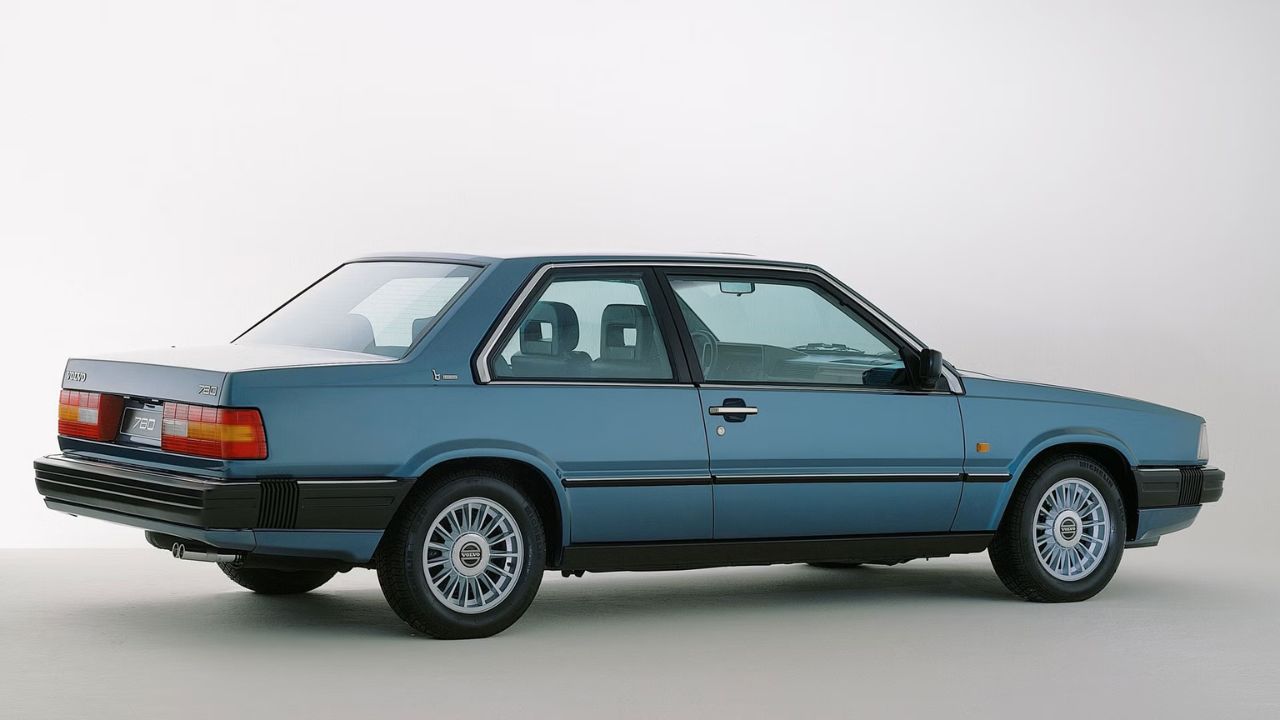
“Boxy but beautiful?” That’s the Volvo 780 Bertone Coupe (1986-1991). Designed and hand-assembled by the legendary Bertone design house in Italy, this two-door coupe was a Volvo like no other. It combined Swedish sturdiness and safety (it’s a Volvo, remember?) with undeniable Italian flair, creating a car that looked like a diplomat but drove like a poet. The ride was smooth, the seats were orthopedic perfection (as expected from Volvo), and the build quality could rival a bank vault.
Engines varied, from a 2.8L V6 to a 2.3L turbo four-cylinder (like the B230FT producing around 188 hp), which had surprising hustle for a car of its stature. This was a car designed for drivers who appreciated graceful arrivals and carried a sense of mystery. It was never mass-produced (only around 8,500 units built), making it a rare find even when new. The 780 was what we now call a slow burn, a car that gets better with time and appreciation.
Chevrolet Corvair Monza

The Chevrolet Corvair Monza (especially the second generation, 1965-1969) was a rear-engined, air-cooled marvel that dared to be different in the age of tailfins and chrome. It had the soul of a Porsche 911 (well, a distant, American cousin of a Porsche) but a GM badge on the hood. With its flat-six engine (ranging from 80 hp to 180 hp in the Corsa turbo model) out back, it delivered smooth power and surprisingly agile handling for an American car of its era. The Monza trim brought style into the equation with sporty cues and higher-grade appointments.
It was a car that demanded engagement, and it rewarded skilled drivers with finesse on twisty roads. Sure, Ralph Nader had his infamous say in “Unsafe at Any Speed,” but most of the controversy was overblown, primarily targeting the first-gen swing-axle suspension. In reality, the Corvair was far ahead of its time, pushing engineering boundaries in Detroit.
Today, it’s a classic that deserves reassessment, not rebuke. The design language was daring for Detroit, and it showed a willingness to experiment that few American automakers attempted again for decades. Vintage car lovers are rediscovering the Monza as a surprisingly affordable way into rear-engine fun.
Lexus SC 400
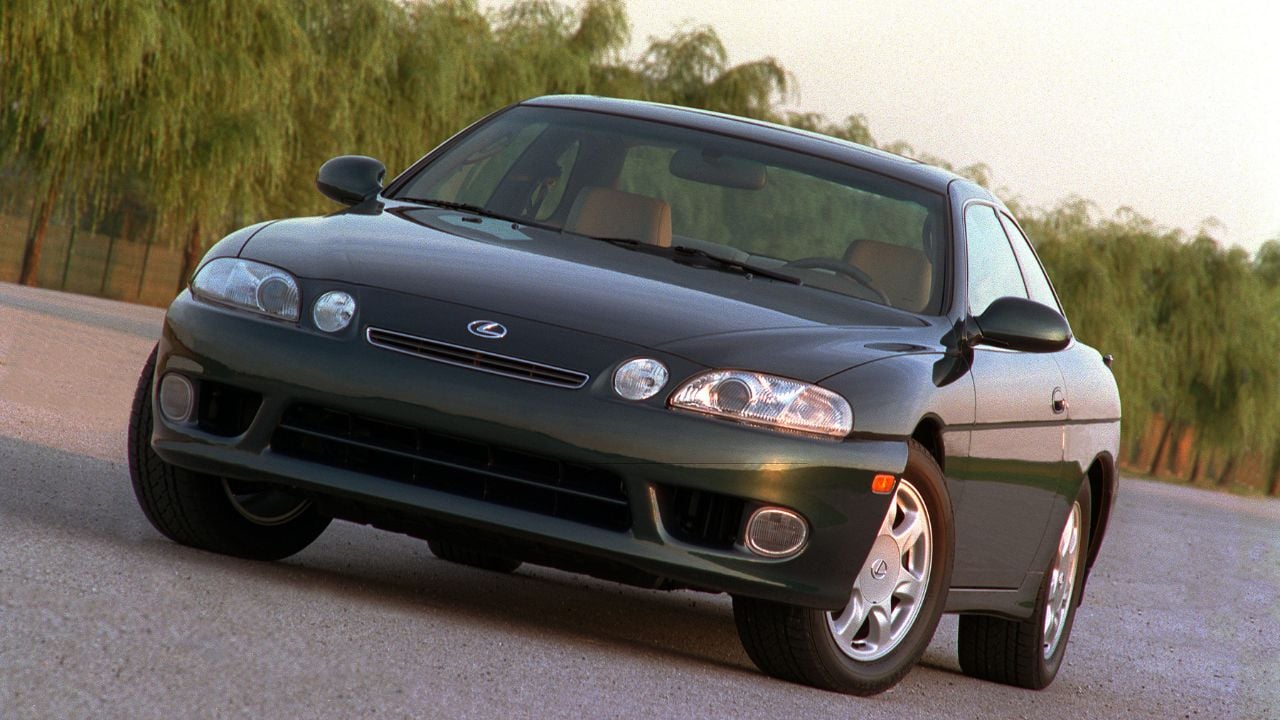
You want peak ’90s luxury that still looks shockingly modern? Enter the Lexus SC 400 (1991-2000). With its sleek, fluid body lines, whisper-quiet 4.0-liter 1UZ-FE V8 (pumping out 250-290 hp), and tank-like reliability, it was Japan’s supremely confident answer to the Mercedes SL and BMW 8-Series, often for half the price.
The SC 400 was elegant without being flashy, and smooth without being mushy. The interior felt like a cigar lounge: supple leather, genuine wood trim, and a serene silence that made rush hour feel like a meditation retreat. It focused on delivering a buttery-smooth and comfortable ride, offering strong performance on the highway with grace and gusto.
Lexus built it to last, and many are still on the road today with odometers that look like phone numbers (200k, 300k miles, no problem). It was also arguably one of the best-designed coupes Toyota ever built, a true testament to timeless design. Quiet confidence never looked this good. Its timeless styling has aged gracefully, earning respect from a new generation of enthusiasts, and the aftermarket scene has also started to embrace the platform for tasteful restomods and stance builds.
Mitsubishi Galant VR-4 (1988-1992)

Before the Evo stole all the glory and became every tuner’s wet dream, there was the Mitsubishi Galant VR-4. This was the four-door family sedan that secretly had rally DNA and serious chops. Built for Group A rally homologation, it featured a sophisticated all-wheel-drive system, the legendary turbocharged 4G63 engine (making 195-240 hp in road trim), and a manual transmission, making it a missile in disguise. It could tackle twisty mountain passes or snow-covered streets without breaking a sweat, all while still having a full back seat and trunk space for groceries.
The VR-4 was a technological showcase for Mitsubishi, demonstrating what they could do when nobody told them “no.” It was limited in numbers (only about 3,000 imported to the U.S.) and quickly forgotten by the mainstream, but those in the know still nod in silent respect. It’s a unicorn worth chasing, the unsung hero that laid the groundwork for Mitsubishi’s rally dominance in the ’90s.
Collectors now scout for clean VR-4s as the spiritual grandfather to the Lancer Evolution series.
Suzuki Cappuccino
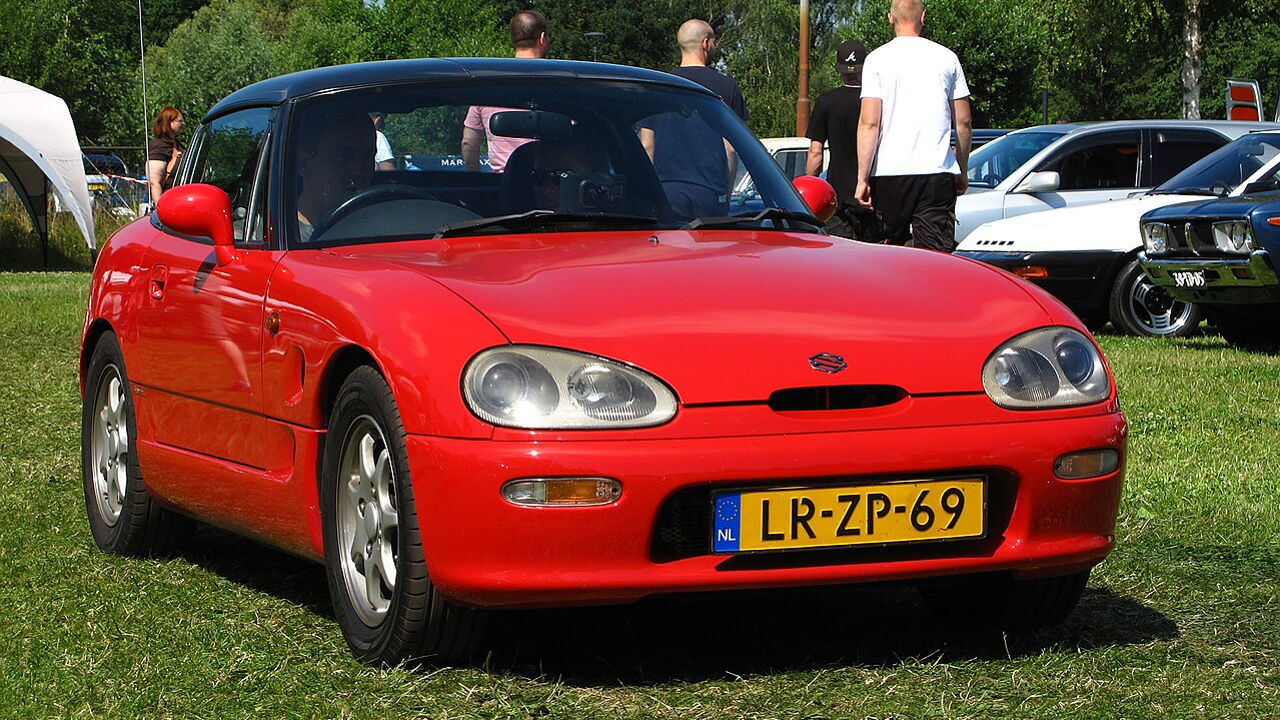
Okay, you want “overlooked” and “quirky”? How about a car so small it probably fits in the bed of your Ford F-150? The Suzuki Cappuccino is a Japanese Kei car from the 90s that thinks it’s a miniature Ferrari F40. This tiny, two-seat roadster was built to conform to strict Japanese kei-car regulations, meaning it was powered by a mere 660cc (0.66-liter) turbocharged three-cylinder engine making exactly 63 horsepower. Sounds pathetic, right? Wrong.
Weighing in at a feather-light 1,598 pounds (725 kg), the Cappuccino was pure, unadulterated, low-speed fun. It had a front-engine, rear-wheel-drive layout, a proper five-speed manual, and a unique three-way convertible roof that could be a targa, a T-top, or a full convertible. It handled like a go-kart on a sugar rush, with incredible steering feel and a willingness to rev.
It was never officially sold in the U.S., making it a true JDM legend. Importing one today is a sure way to confuse everyone wherever you go (mostly because they’ll think it’s a toy car) while bringing an instant smile to your face. It’s proof that sometimes, the most joy comes in the smallest packages, proving once and for all that size doesn’t matter — it’s the motion.
Final Gearshift: Time to Rethink What We Call Great

The beauty of cars, real cars, often shows up in the unexpected places: among the oddballs, the risk-takers, the ones built with bold ideas and uncommon designs. These are the machines that carried a different spirit, approached things with originality, and brought a unique presence to the road, even if that presence was initially ignored. Every vehicle on this list had the makings of a classic, even if the world wasn’t ready for it at the time. They had quirks, stories, and character you can’t manufacture with a focus group and a spreadsheet.
Some of these cars are already being rediscovered by collectors and enthusiasts who see value where others once saw “meh.” Others are still waiting quietly in driveways and barn stalls, waiting for a second chance or even just a little respect. The truth is, what makes a car truly great isn’t always brute power or prestigious badges. Sometimes, it’s persistence. Sometimes, it’s being the right kind of weird.
So, the next time you’re scrolling through classifieds or strolling a car show, keep an eye out for the ones that history (or at least, the mainstream) forgot. Because if these 11 proved anything, it’s that underrated doesn’t mean unworthy; it just means you’re ahead of the curve for noticing. What overlooked gem is hiding in your garage?