
Toyota: Reliable? Sure.
Boring? Not even close.
Toyota’s built its name on bulletproof reliability. But beneath all those dependable sedans and sensible hybrids lives a wilder side, one packed with tire smoke, turbo whistles, and design choices that make you do a double-take.
This is the same company that gave us Le Mans winners, mid-engine icons, drifting legends, and concept cars straight out of science fiction. So if you think Toyota is just for folks cruising in beige Camrys, buckle up. You’re about to meet the Toyotas that prefer redline to red lights.
How We Chose These Toyotas (Spoiler: Boring Was Banned)
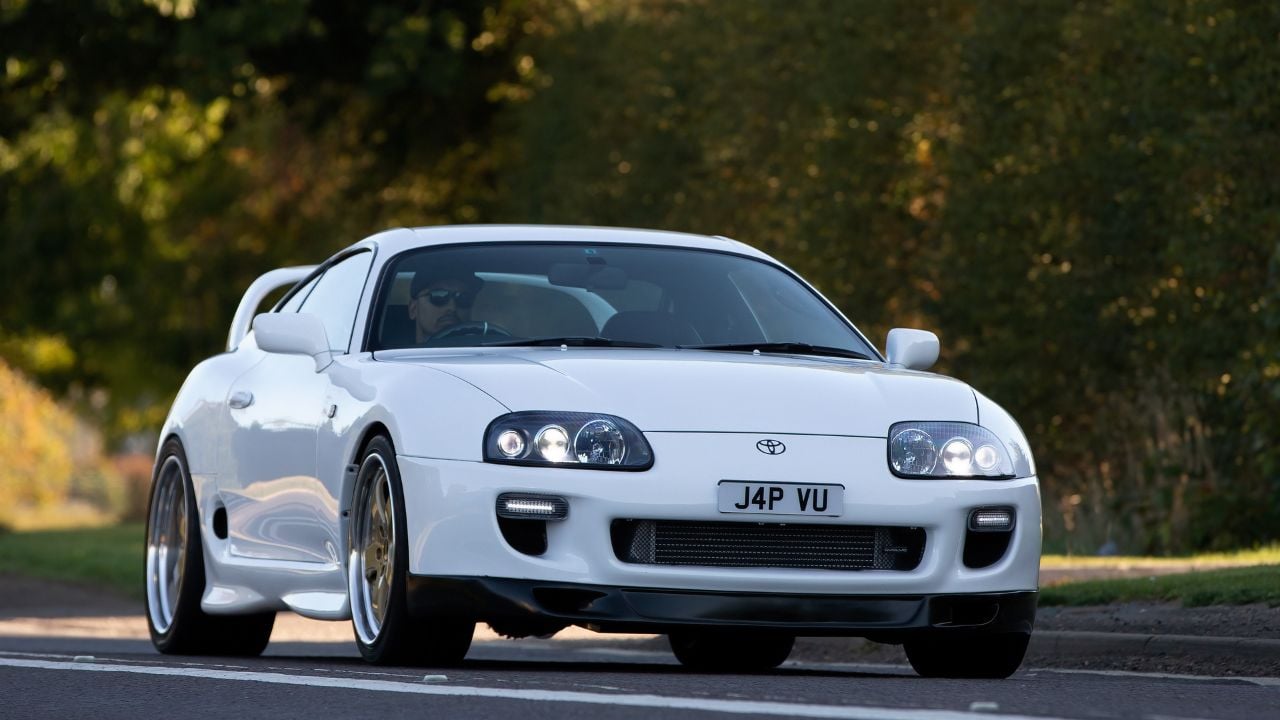
This isn’t a list of commuter champs or fuel-sipping hybrids. We didn’t care about MPGs, resale value, or how many cupholders it has. Instead, we looked for Toyotas that make enthusiasts perk up — the ones with turbochargers, T-tops, butterfly doors, or legendary engines that sound like they belong on a racetrack.
We picked Toyotas that:
- Had real enthusiast or collector appeal, not just historical significance
- Represent bold styling, breakthrough engineering, or motorsport credibility
- Made you say, “Wait, Toyota built that?”
- Still makes hearts race — or at least sparks a Reddit thread
And yes, we gave the Supra lineup a lot of love — maybe too much. But what were we supposed to do? They’re iconic, gorgeous, and completely unignorable. We tried to resist. We failed. You’ll live.
Some of these cars are rare. Some are weird. Some were overlooked when new but became cult favorites. But they all prove one thing: Toyota’s wild streak runs deeper than most people think.
Toyota 2000GT

The 2000GT was a showstopper from the start. With its sleek curves, long hood, and low-slung stance, it proved Toyota could build a world-class sports car to rival Europe’s best. Powered by a Yamaha-tuned 2.0-liter inline-six and equipped with a refined chassis, it delivered both beauty and performance in equal measure.
Built in limited numbers and famously featured in You Only Live Twice, the 2000GT became a global icon. Today, it’s remembered as the car that put Japan on the sports car map — and one of the most gorgeous coupes ever made.
First-Generation Supra (A40/A50 Celica Supra, 1978–1981)

The first Supra was basically a long-wheelbase Celica with a straight-six engine — Toyota’s way of chasing the Datsun 280Z and other personal GTs of the era. It wasn’t a barnstormer, but it laid the groundwork: rear-wheel drive, inline-six, and a more luxurious take on Japanese performance.
Why it matters: It’s the genesis of the Supra bloodline, and while it’s more cruiser than bruiser, it introduced Toyota’s M-series straight-six — a precursor to the legendary 2JZ.
Second-Generation Supra (A60, 1982–1986)

The A60-generation Supra came into its own with pop-up headlights, flared fenders, and legit performance chops. It was sharper and sportier and carved out its own identity separate from the Celica. The P-Type (Performance) models got LSDs, upgraded suspension, and sporty interiors.
Why it matters: This is when the Supra became a true standalone performance nameplate. It also gave us glorious T-top options and digital dash excess.
Third-Generation Supra (A70, 1986–1992)

The A70 Supra moved to a dedicated platform and introduced turbocharging to the mix. With independent suspension, available TEMS (Toyota Electronic Modulated Suspension), and up to 276 hp in Japanese-market twin-turbo versions, the Mk3 had brains and brawn.
Why it matters: It’s the most underrated Supra generation today — fast, smooth, mod-friendly, and often overlooked in favor of its younger sibling. The 7M-GTE engine wasn’t perfect, but it opened the door to serious performance.
Fourth-Generation Supra (A80, 1993–2002)

The A80 needs no introduction. Twin-turbo 2JZ-GTE. Manual transmission. Iconic Fast & Furious fame. It defined the ’90s tuner culture and proved that Toyota could build a supercar killer. Thanks to legendary reliability and insane tuning potential, it’s still one of the most sought-after Japanese performance cars ever made.
Why it matters: It’s Toyota’s most iconic performance car—full stop. Thanks to a booming collector market, it now sells for more than some new Ferraris.
Fifth-Generation Toyota Supra

When Toyota launched the revived Supra in 2019, it received a lukewarm reception due to its ties to BMW and the underpinnings Toyota used for the sports car. It also had a wildly different appearance than the OG, but this curvier Supra has grown on the car community. And more importantly, it has become a regarded performance vehicle and a favorite among enthusiasts worldwide.
Under the hood, various turbocharged engines sit, from the 2.0-liter inline-four to the 3.0-liter inline-six, with the Supra producing up to 382 hp. The Supra’s handling has received a lot of praise, as have its comfort levels and looks, refreshing the Supra for the 21st century. Toyota also finally added a manual to the range in 2022, which gearheads had been screaming out for.
Toyota Sera

At first glance, the Toyota Sera looks like a cutesy ’90s hatchback you’d expect to see parked outside a Tokyo arcade. But hit the door handle, and things get wild — butterfly doors. Yes, years before the McLaren F1 made them famous, Toyota gave this quirky JDM-only coupe a set of glass-roofed butterfly doors, just because it could.
The Sera came with a modest 1.5-liter inline-four, making just over 100 hp, but performance wasn’t the point. It was a style-forward, glass-canopy spaceship for city cruising. And that styling wasn’t just for show — Gordon Murray, designer of the McLaren F1, has said the Sera directly inspired the F1’s door design. Let that sink in: Toyota accidentally beat McLaren to a supercar flex.
Toyota Previa Supercharged (Mid-Engine!)

You probably didn’t expect to find a minivan in this list, but hear us out. The first-generation Toyota Previa was secretly the most over-engineered family hauler of the 1990s. Not only was it available with a supercharged 2.4-liter engine and optional AWD, but it had a mid-engine layout. No joke — the engine was mounted under the front seats and drove the rear wheels. The supercharger came in to give it some desperately needed grunt, especially with a full cabin of kids and cargo.
It wasn’t fast, but the Previa was a weird and wonderful anomaly — a minivan with sports car architecture. Try explaining that at Cars and Coffee.
Lexus LFA

Technically a Lexus, but let’s not kid ourselves — the LFA is peak Toyota. This was the brand’s moonshot: a carbon-fiber supercar with a Yamaha-tuned 4.8-liter V10 that revved to 9,000 rpm and sounded like an F1 car in a tuxedo.
Only 500 were made between 2010 and 2012, and Toyota allegedly lost money on each one. But what they gained was something rarer — automotive respect. The LFA’s digital tachometer was famously created because the analog needle couldn’t keep up with how fast the engine revved. That alone makes it feel like a science experiment with a license plate.
Values have skyrocketed in recent years, with collectors realizing this wasn’t just Toyota proving a point — it was Toyota rewriting the rules.
Toyota Mega Cruiser

It might be big, bold, and unnecessary, but the Mega Cruiser is one of the craziest and most excellent Toyotas the Japanese manufacturer has produced. What looks like the Japanese answer to the Humvee is a transporter for the Japanese Ground Self-Defense Force, which Toyota then modified for civilian use.
The massive vehicle had a 4.1-liter 15B-FTE inline-four turbo-diesel under the hood, producing 153 hp and 282 lb-ft of torque. Toyota sold 133 Mega Cruisers to civilians in Japan at Toyota Store locations, and the Mega Cruiser was never officially sold outside of Japan. The manufacturer produced 3,000 Mega Cruisers; only a few have gone outside Japan as grey imports.
We’re sad this thing never made it to the United States, the land of obnoxiously lifted trucks and the Cybertruck. If Americans are willing to buy that shiny dumpster, they’d buy anything.
Toyota GR Yaris

There is a solid argument to make that the Toyota GR Yaris is the best Toyota of the 21st century. It might share its name with the competent but bland hatchback, but the GR Yaris differs from its sibling.
Built as a rally homologation special before the WRC rules changed, the GR Yaris features a four-wheel drive system, a carbon fiber roof, and a 1.6-liter three-cylinder engine producing 257 hp. An engine that is among the most potent production cylinders in the world. It is in the corners where the GR Yaris excels, and the handling is some of the best seen on any performance car in the modern era. Demand has been high for the GR Yaris, such is the quality of the hot hatch.
Okay, I’m curious… Alright, I’m back after watching this video of a Toyota GR Yaris sending it on a rally track. Yep, definitely something special.
Seventh-Generation Toyota Celica
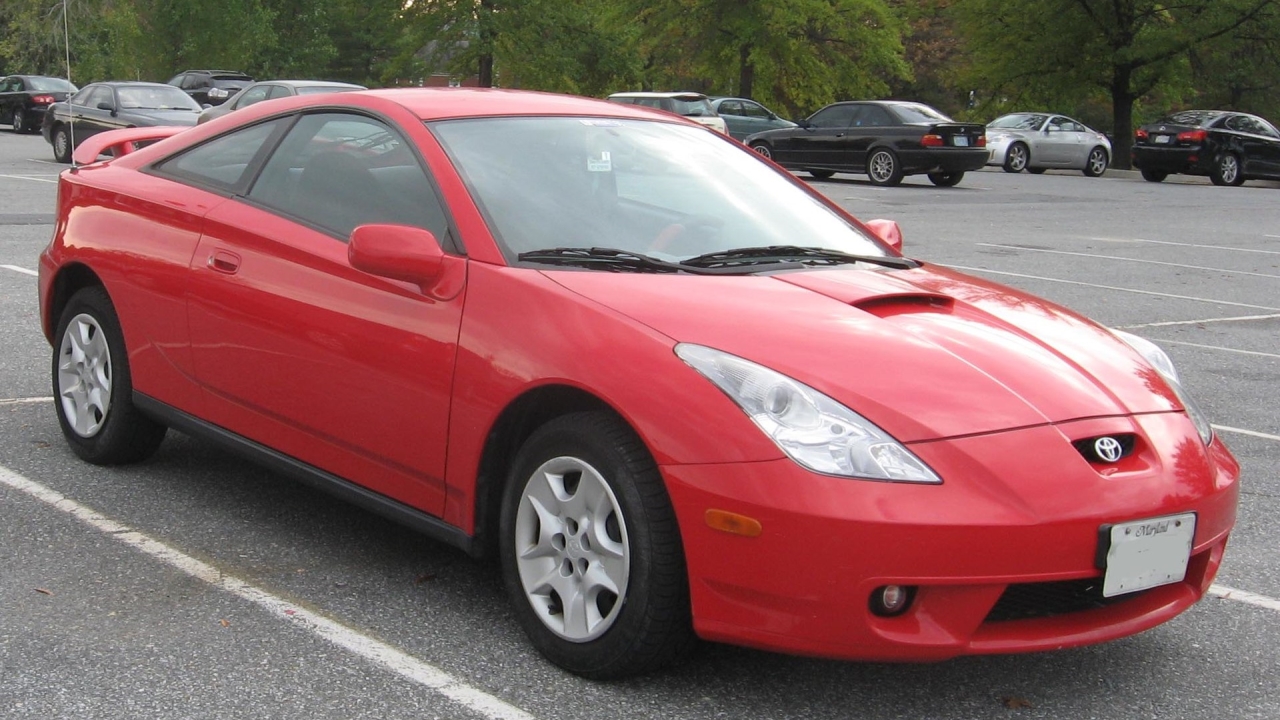
Amidst all the hype for classic examples of the Supra and MR2, it is largely forgotten that Toyota produced the very competent Celica. In particular, we mean the seventh-generation Celica, which Toyota created from 1999 to 2006. Even in 2025, the sports car’s design still looks the part — a Hot Wheels come to life.
Under the hood, you would find two versions of Toyota’s 1.8-liter inline-four engine, the 2ZZ-GE, developed jointly with Yamaha. The 1ZZ-FE was the more economical engine with 140 hp, while the 2ZZ-GE, available in Europe and Japan, was more potent with 192 hp. The seventh-gen Celica was a stylish, agile, and fantastic sports car, and it was an excellent way for the Celica to bow out.
Toyota GR86

The Toyota GR86 is the second generation of the GT86, co-developed with Subaru, which created its version with the BRZ. In a world of high-priced, large, and luxurious SUVs, the GR86 is a breath of fresh air. It provides us with a bargain sports car that is fast and usable daily.
Under the hood, you will find a 2.4-liter flat-four with 231 hp, an increase of around 16 percent over the previous GT86. The GR86 also develops its peak torque at a lower rev range of 3,700 rpm versus the earlier 6,400 rpm. Thanks to a stiffer chassis, the GR86 handles better, and an aluminum roof, hood, and front wings lower the center of mass by 1.6mm. I’ve come across some GR86 haters on TikTok, but these are the same guys who won’t accept anything that isn’t a Porsche 911 or Supra.
Toyota Hilux

While it is not currently available in the United States, the Toyota Hilux has been a staple of the Japanese manufacturer’s range for decades. The current range offers plenty of brawny diesel engines, making it feel old-school in a world of hybrids and turbocharging. Diesel not your style? There’s a gas option, too.
Its most famous moments came in Top Gear. In Series 3, the show tested a Hilux to destruction, yet no matter what they did, it always came out and was still running. The Hilux was also the vehicle of choice when Jeremy Clarkson and James May went to the North Pole, racing Richard Hammond on his dog sled. Making the Hilux even more awesome was the fact that it was guzzling jet fuel for this mission, a better option in extremely cold conditions. But no, this won’t make you drive any faster on the highway.
Toyota MR2
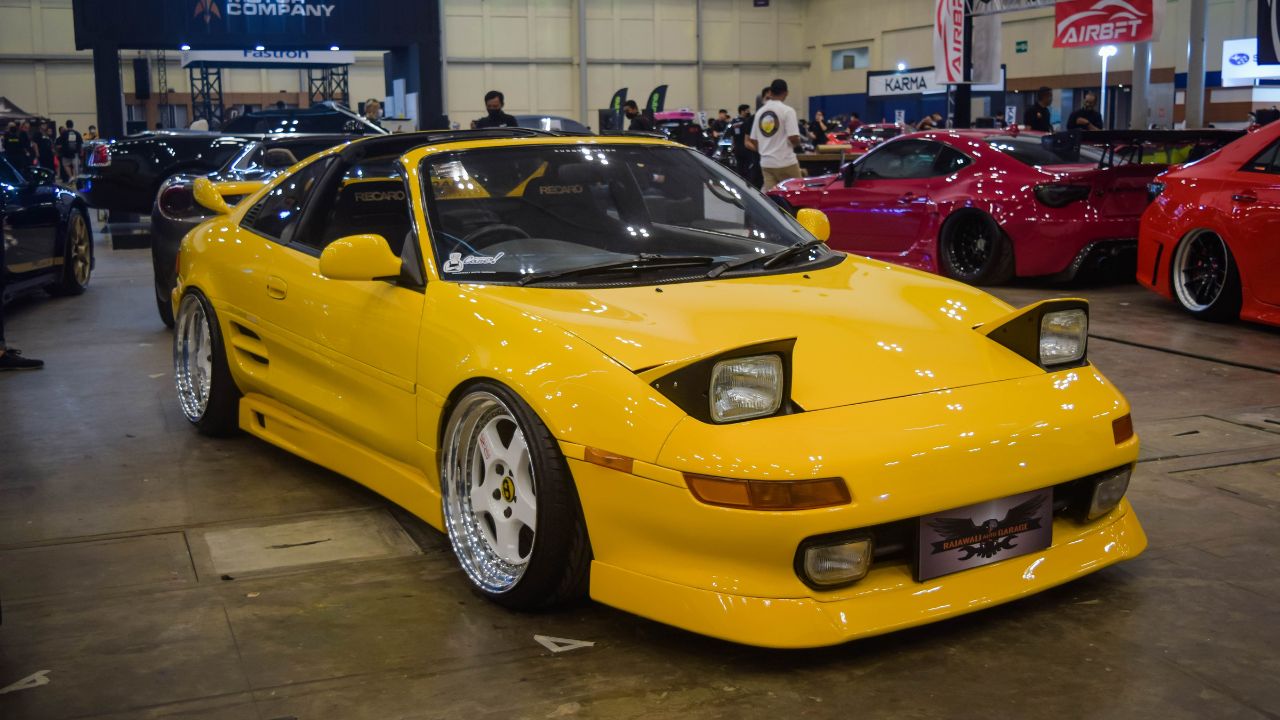
Toyota introduced the MR2 in the 1980s, and it soon became one of the best and most enjoyable sports car experiences while not breaking the bank. Under the hood was a 1.6-liter engine, either naturally aspirated or supercharged, and in the second generation, Toyota brought in a 2.0-liter powertrain.
Many have felt the demise of the original, although Toyota filled the gap somewhat with the Supra and the GR86. Rumors have persisted for a couple of years that Toyota might bring the MR2 back. These have ranged from talk of an all-electric version to a new, turbocharged sports car. Unfortunately, none will have those iconic pop-up headlights, which really put a damper on the JDM market’s aesthetic.
Toyota Corolla AE86
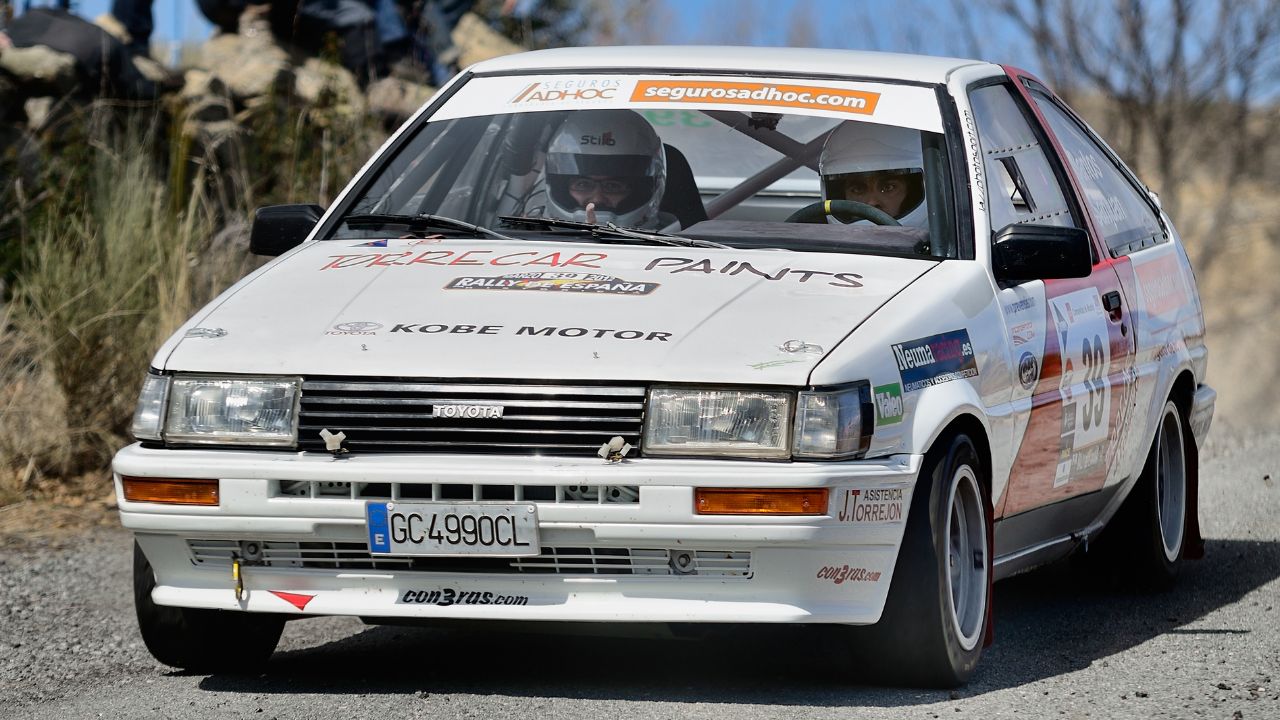
Of all of Toyota’s products, the Corolla AE86 is one of the most famous. Also known as the Hachi Roku, it’s a car that defined the Japanese car scene in the 1980s and JDM culture. The Corolla AE86 shot to fame thanks to its role in Initial D, its appearance in the Gran Turismo PlayStation game, and the car of choice for drift king Keiichi Tsuchiya. If you think this wedge-like, dull coupe looks cool at all and not like something you’d drive to an early morning yard sale across town, you’ve been brainwashed by the media.
Thanks to those famous appearances, the prices of the Corolla AE86 keep increasing, but it also has the performance to back up its fame. Under the hood is a 1.6-liter twin-cam 4A-GE. It only produced 112 hp as standard, but tuning and modifications extract even more power from the hatchback. As is, the AE86 feels quite slow, which YouTuber NoriYaro points out over and over again in his infamous video. But there’s definitely potential.
Toyota Land Cruiser
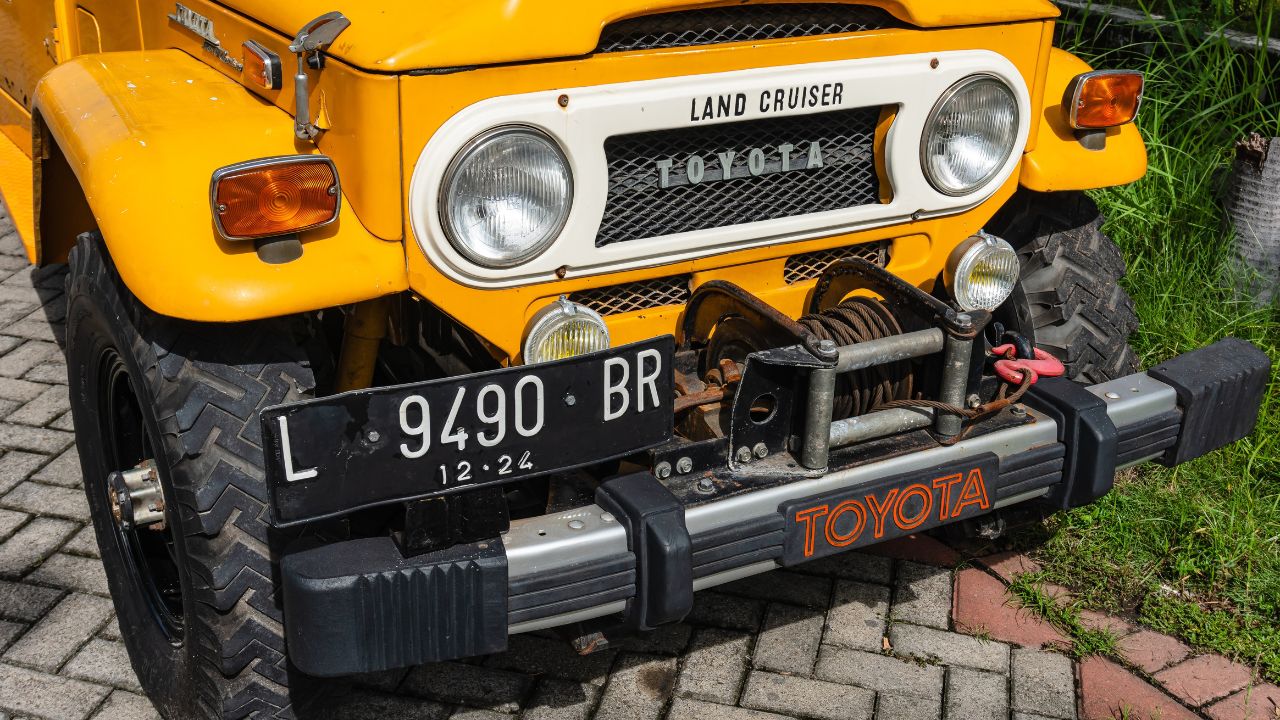
A list of Toyota’s best-ever designs is incomplete without looking at the exceptional Land Cruiser. The original Land Cruiser remains one of the best off-roaders in history, appearing in all sorts of forms and designs. It’s no surprise that Toyota has recently relaunched the Land Cruiser in both the United States and Europe.
The Land Cruiser became famous for its robustness and dependability. It was one of the few vehicles that could go anywhere and get you home after. The Land Cruiser first appeared in 1951 as the BJ and FJ, evolving into the famous J20 in 1955 with a design that would soon become iconic.
Toyota Century

Toyota is no stranger to bougie, especially with its luxury division, Lexus. However, the main parent company knows a thing or two about opulent travel, and nowhere is this more apparent than with the Century sedan. This definitely looks like the type of car you’d see parked outside a funeral home, but the specs of this thing will actually make you feel alive.
Century is a manufacturer’s flagship in Japan, and while it has been in production since 1967, there have only been three generations of the luxury sedan. The best is the G50, which debuted in 1997 with a massive 5.0-liter V12 under the hood. The third generation debuted in 2018, and under the hood is now a 5.0-liter hybrid V8 engine, producing a combined total power output of 425 hp.
Toyota GR Corolla

Not content with its current GR offerings, Toyota introduced the GR Corolla for the 2024 model year. Starting at just $37,195, it is little wonder that, like the GR Yaris, the GR Corolla has taken the enthusiast market by storm.
Under the hood, the G16E-GTS 1.6-liter turbocharged three-cylinder engine produces 300 hp and 273 lb-ft of torque across all the trim levels. Like the GR Yaris, it offers superb handling via the GR circuit-tuned suspension, and gearheads will revel in the six-speed manual transmission. All-wheel drive is another bonus with the GR Corolla. I’m currently looking at my 2015 Corolla with 132 hp and weeping.
Final Gear: Toyota Doesn’t Just Build Cars—They Build Legends

For every beige Corolla you see in a school pickup line, there’s a GR Yaris lighting up a rally stage. For every practical RAV4, there’s a Supra chasing supercars or an LFA screaming past redline at 9,000 RPM. Toyota doesn’t always flaunt its fun side, but when it does? It leaves a mark.
Whether you’re into sideways-driving drift machines, world-conquering off-roaders, or supercar science projects with V10s, Toyota has built something for you — even if you didn’t realize it yet.
So the next time someone says Toyota is boring, send them this list… and maybe the sound of a 2JZ hitting boost.