

Some people think fast cars are about precision engineering and careful balance. Dodge thinks they’re about cramming as much horsepower as legally possible into whatever body they have lying around, then seeing what happens when you floor it. The result? A lineup of cars that treat speed limits like suggestions and fuel economy like a foreign concept.
This is your guide to the fastest Dodges ever unleashed on unsuspecting asphalt. Each one represents a moment when Dodge engineers looked at common sense, laughed, and asked for more boost pressure. We’ve ranked them by top speed because that’s how your insurance premiums would rank them, too.
How We Put the Pedal to the Paper
Ranking Dodge’s speed demons required diving deep into manufacturer specs, independent testing data, and enough quarter-mile times to make Mustang owners sweat. We considered verified top speeds from sources like Motor Trend, Car and Driver, and Road & Track, along with acceleration figures that’ll make your chiropractor rich.
We also factored in the engineering breakthroughs that made each car special: because slapping a bigger engine in something isn’t innovation, it’s Tuesday at Dodge. Historical significance mattered too, since some of these cars changed the performance landscape while others just made it louder.
All of this combined got us this list of nine crazy fast Dodge models that look as powerful as they are. Why nine? These are the Dodge cars with the most eye-popping speeds; other Dodges are still fast but don’t have that same gut punch.
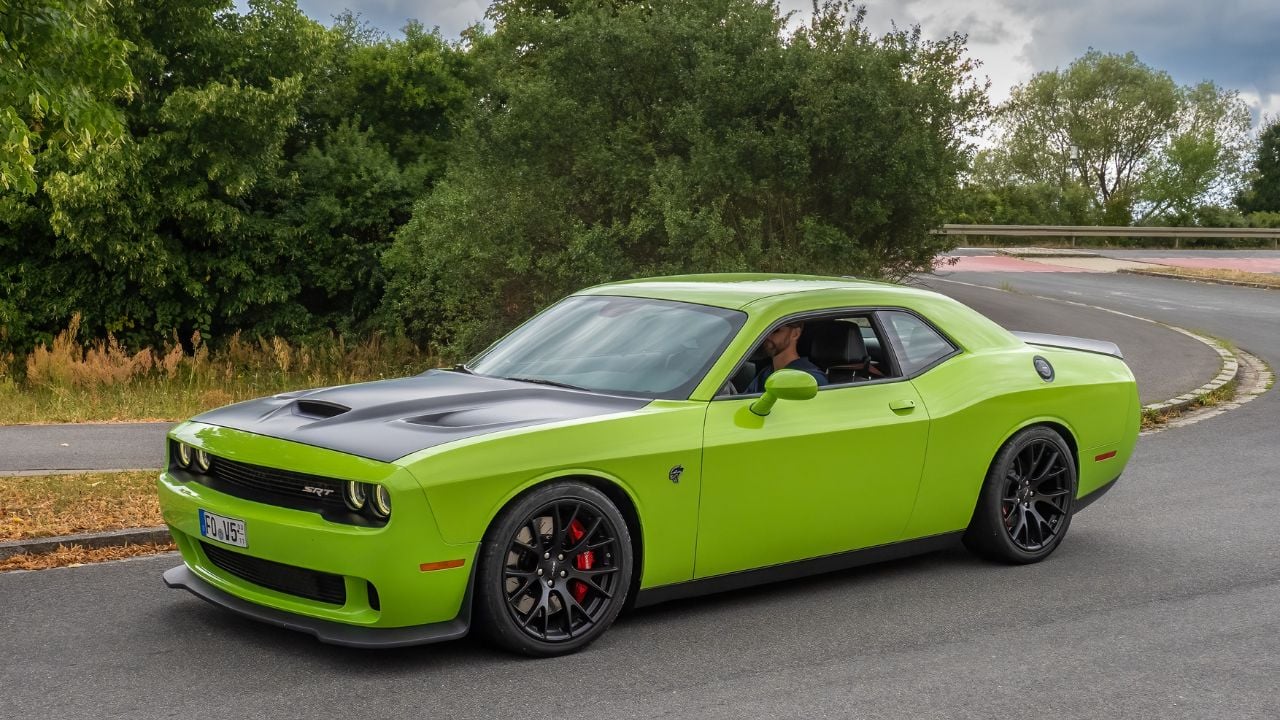
2021 Dodge Challenger SRT Hellcat Redeye: 203 MPH

The Hellcat Redeye doesn’t just have 797 horsepower: it has 797 reasons why your neighbors will call the police. Dodge borrowed the Demon’s supercharger and dialed back the crazy just enough to make it street legal, which in Dodge terms means “you can probably drive it to work without getting arrested.”
The Numbers That Matter:
- 0-60 mph: 3.4 seconds
- Quarter-mile: 10.8 seconds at 131 mph
- Top speed: 203 mph (assuming you can find 203 mph worth of straight road)
- Horsepower: 797 (more than most small aircraft)
The widebody treatment isn’t just for appearances off the track: those flares hide 305mm rear tires that cost more than your first car but are absolutely necessary to channel all that fury to the pavement. The eight-speed automatic shifts like it’s personally offended by the concept of gradual acceleration.
Inside, you’ll find heated and cooled seats, which is thoughtful since you’ll be sweating from terror and shivering from excitement simultaneously. The Brembo brakes are sized like manhole covers because stopping 4,400 pounds traveling at felony speeds requires hardware that means business.
1969 Dodge Charger Daytona: 200 MPH

The Charger Daytona exists because NASCAR said race cars had to be based on production vehicles, so Dodge built exactly 503 of these winged warriors to satisfy homologation requirements. It’s what happens when aerodynamicists and muscle car engineers have a baby.
The Numbers That Made History:
- Top speed: 200+ mph (verified at Talladega in 1970)
- Engine: 426 HEMI V8, 425 horsepower
- Quarter-mile: High 13s (respectable for a brick with wings)
- Production: 503 units (making each one worth more than your house)
That 23-inch rear wing isn’t decorative — it generated actual downforce at speed, though it also made parking garages your mortal enemy. The pointed nose cone added 18 inches to the car’s length and probably 18 years to other drivers’ therapy bills when they saw it in their mirrors.
The 426 HEMI under the hood was NASCAR’s nuclear option, with compression ratios that required premium fuel and an attitude that required premium insurance. At Talladega in 1970, Buddy Baker became the first driver to officially exceed 200 mph in a stock car, piloting a Daytona to 200.447 mph and cementing its place in speed history.
2015 Dodge Challenger SRT Hellcat: 199 MPH

The 2015 Hellcat arrived like a caffeinated gorilla at a tea party, completely changing the conversation about what “enough” horsepower meant. Dodge took a 6.2-liter HEMI, strapped a supercharger to it, and dialed the boost until the lawyers got nervous.
The Numbers That Broke the Internet:
- Horsepower: 707 (a number that haunted BMW and Mercedes engineers)
- 0-60 mph: 3.6 seconds (4.5 with the six-speed manual)
- Quarter-mile: 11.8 seconds at 125 mph
- Top speed: 199 mph (one mph away from joining the 200 club)
The supercharger whine is so distinctive that other drivers know you’re coming from three zip codes away. Dodge offered it with a manual transmission for purists and an eight-speed automatic for those who wanted to focus on not wrapping themselves around trees.
The Hellcat made 707 hp standard equipment, which is like making earthquakes standard features in California: technically impressive, but requiring serious adjustments to your lifestyle. Fuel economy was rated at 13/22 mpg, though those numbers assumed you could resist using all 707 horses, which is like assuming you can resist free pizza.
1996 Dodge Viper GTS: 189 MPH
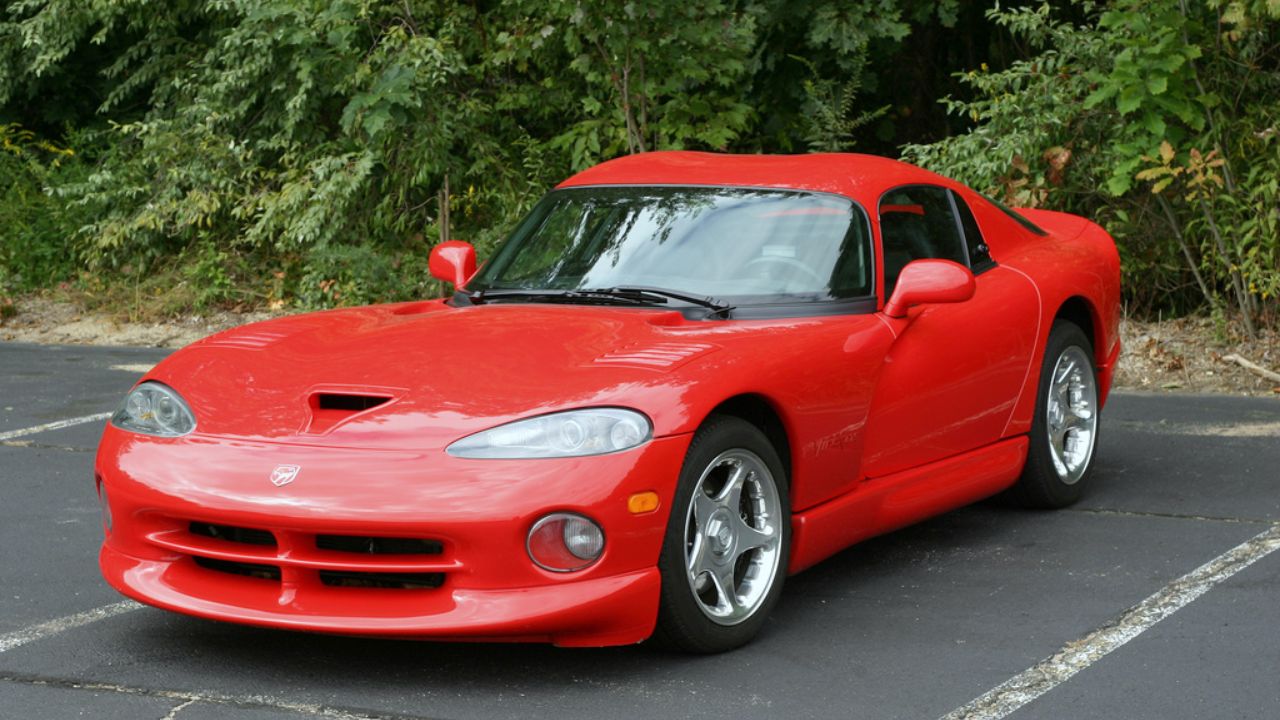
The 1996 Viper GTS was Dodge’s answer to the question “What if we built a car that actively tried to kill its driver?” The naturally aspirated 8.0-liter V10 produced 450 horsepower with all the electronic assistance of a butter knife.
The Numbers That Required Courage:
- Engine: 8.0L V10, 450 horsepower, 490 lb-ft torque
- 0-60 mph: 4.1 seconds (if you survived the launch)
- Quarter-mile: 12.9 seconds at 110 mph
- Top speed: 189 mph (assuming perfect conditions and life insurance)
No traction control, no stability management, no anti-lock brakes: just you, 450 hp, and whatever driving skills you brought to the party. The side-exit exhausts produced a sound like Zeus clearing his throat, warning pedestrians and small aircraft to seek cover.
The six-speed manual was the only transmission available because automatics were for people who didn’t want to feel every explosion happening under the hood. The rear-wheel-drive setup was eager to remind you that physics doesn’t care about your ego, especially in wet weather or if you looked at the throttle wrong.
The double-bubble roof wasn’t just styling — it provided helmet clearance for track use, because Dodge assumed anyone buying a Viper would eventually want to see how fast they could go in a controlled environment before trying it on public roads.
2023 Dodge Durango SRT Hellcat: 180 MPH

Nothing says “family priorities” quite like a three-row SUV that can outrun most sports cars. The Durango Hellcat exists because someone at Dodge asked “What if soccer parents could smoke Corvettes at red lights?” and nobody had a good reason to say no.
The Numbers That Confuse Insurance Agents:
- Horsepower: 710 (more than most people need for grocery runs)
- 0-60 mph: 3.5 seconds (faster than explaining to your kids why they’re pressed against their seats)
- Quarter-mile: 11.5 seconds at 118 mph
- Towing capacity: 8,700 pounds (you can drag race while pulling a boat)
The all-wheel-drive system ensures that all four wheels participate in the tire-shredding festivities. The adaptive suspension keeps the kids’ juice boxes from exploding during aggressive cornering, though it can’t help with the therapy bills from traumatizing other parents at school pickup.
Seating for seven means you can traumatize more people simultaneously. The 6.2-liter supercharged HEMI doesn’t care that it’s hauling soccer equipment: it delivers maximum violence regardless of cargo.
2017 Dodge Viper ACR: 177 MPH

The ACR stood for “American Club Racer,” though it could have stood for “Actually Completely Ridiculous” given its track-focused modifications. Dodge took the already unhinged Viper and made it angrier.
The Numbers That Set Lap Records:
- Engine: 8.4L V10, 645 horsepower
- 0-60 mph: 3.0 seconds (when properly launched)
- Nürburgring lap time: 7:01.3 (13 seconds faster than the base Viper)
- Downforce: 1,500+ pounds at 150 mph
The massive rear wing generated enough downforce to theoretically drive upside down at highway speeds, though we don’t recommend testing this theory. Carbon-ceramic brakes could stop the Earth’s rotation if properly applied.
The suspension was fully adjustable with enough settings to keep engineers busy for months. Weight reduction included removing sound deadening, because the only sound you need to hear is the V10 screaming and your competitors crying.
The ACR set more track records than a dedicated track day enthusiast with unlimited vacation time and a trust fund. At Virginia International Raceway, it lapped faster than cars costing three times as much, proving that sometimes brute force and clever aerodynamics beat fancy electronics.
2018 Dodge Challenger SRT Demon: 168 MPH

The Demon wasn’t built for top speed: it was built to make other drag racers question their life choices. Limited to 3,300 units, each one came with a tool kit, drag radials, and the kind of acceleration that requires a signed waiver.
The Numbers That Broke Drag Strips:
- Horsepower: 840 (on race fuel, because regular unleaded is for quitters)
- 0-60 mph: 2.3 seconds (faster than most people can process what’s happening)
- Quarter-mile: 9.65 seconds at 140 mph (NHRA certified)
- G-force: 1.8 g during launch (enough to lift the front wheels)
The TransBrake system held the car at launch like a dragster, building boost pressure until the green light turned fear into pure acceleration. The chilled air intake system used the air conditioning to cool intake temperatures, because even air molecules needed to be properly prepared for violence.
Dodge removed the front passenger seat to save weight and installed a roll cage because they knew what was about to happen. The rear tires were 315mm wide and lasted about as long as a politician’s promise when driven enthusiastically.
2023 Dodge Challenger SRT Demon 170: 151 MPH
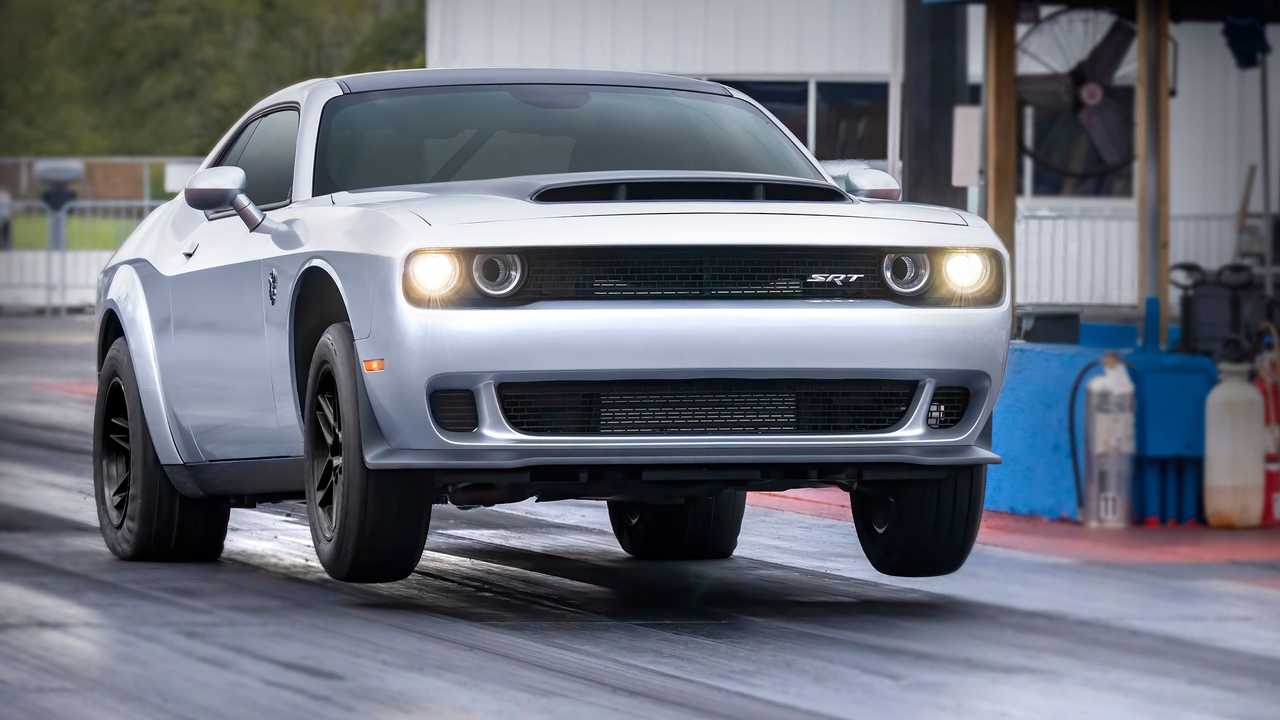
The Demon 170 represents Dodge’s farewell love letter to gasoline, producing 1,025 hp and acceleration that requires philosophical preparation. It’s limited to 3,300 units because the world probably can’t handle more.
The Numbers That End Arguments:
- Horsepower: 1,025 (on E85, because corn fuel enables bad decisions)
- 0-60 mph: 1.66 seconds (faster than most people can blink)
- Quarter-mile: 8.91 seconds at 151.17 mph (making it the fastest production car ever tested)
- Price: $96,666 (because subtlety was never an option)
The launch control system manages more variables than a NASA mission, ensuring maximum violence from every green light. The drag-specific suspension setup includes adjustable front shocks that extend for optimal weight transfer during wheelies.
Each car comes with 18 different performance modes because apparently, “insanely fast” needed subcategories. The interior features racing seats and a roll cage because Dodge’s lawyers insisted on some pretense of safety equipment.
2023 Dodge Hornet R/T Phev: 128 MPH
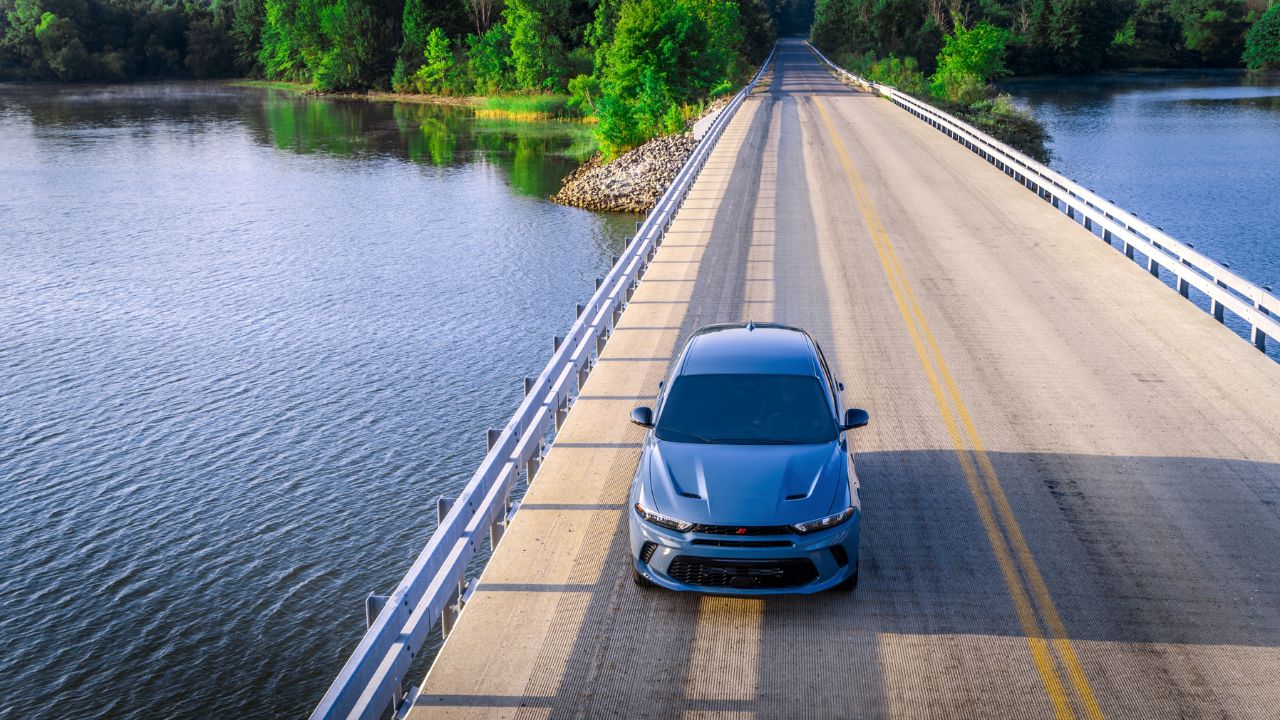
The Hornet R/T PHEV proves that Dodge can build something that won’t single-handedly destroy the ozone layer while still providing enough acceleration to surprise unsuspecting Prius drivers. It’s electrified performance for the environmentally conscious speed demon.
The Numbers That Confuse Environmentalists:
- Total horsepower: 288 (with PowerShot overboost)
- 0-60 mph: 5.1 seconds (respectable for something running on batteries and good intentions)
- Electric-only range: 32 miles (enough to silently terrorize parking lots)
- Top speed: 128 mph (electronically limited for your protection)
The 1.3-liter turbo engine works with electric motors to deliver instant torque, because even hybrid Dodges need to pin you to your seat. The all-wheel-drive system ensures that both efficiency and acceleration happen simultaneously.
PowerShot mode provides an extra boost for 15 seconds, which is just enough time to embarrass someone at a red light before returning to responsible adult mode. The regenerative braking system turns deceleration into battery charging, proving that even slowing down can be productive.
The Last Downshift

These machines represent mechanical manifestations of the American belief that if some is good, more must be better, and way too much is just getting started. Each one captures a moment when Dodge engineers looked at reasonable cars and decided to take a different exit.
The names on this list read like a hall of fame for automotive excess: Hellcat, Demon, Viper, Redeye. They represent an era when horsepower was measured in biblical proportions and fuel economy was someone else’s problem.
Whether you prefer the analog violence of a naturally aspirated V10 or the supercharged fury of a modern HEMI, Dodge has consistently delivered machines that make your pulse quicken and your wallet lighter. These cars don’t just get you from point A to point B: they make sure everyone between those points knows exactly what just passed by.
So here’s to Dodge: the brand that never met a displacement limit it couldn’t exceed, a horsepower figure it couldn’t top, or a sensible decision it couldn’t ignore. In a world increasingly focused on efficiency and responsibility, these machines remind us that sometimes the best reason to do something is simply because you can.