When most people think of drag racing legends, their minds immediately jump to the obvious suspects: Hellcats, GTOs, and classic Chevelles. But the quarter-mile has always been a proving ground for unlikely heroes, cars that showed up with something to prove and left tire marks on the reputation of their more celebrated rivals.
These are the machines that deserve a second look, the ones that carved out their own lane in drag racing history despite flying under the radar. Some were factory hot rods that got overshadowed by flashier siblings, while others were surprises that nobody saw coming until they crossed the finish line first.
Let’s celebrate the drag strip warriors that earned their stripes but never quite got the poster treatment they deserved.
1987-1993 Ford Mustang LX 5.0
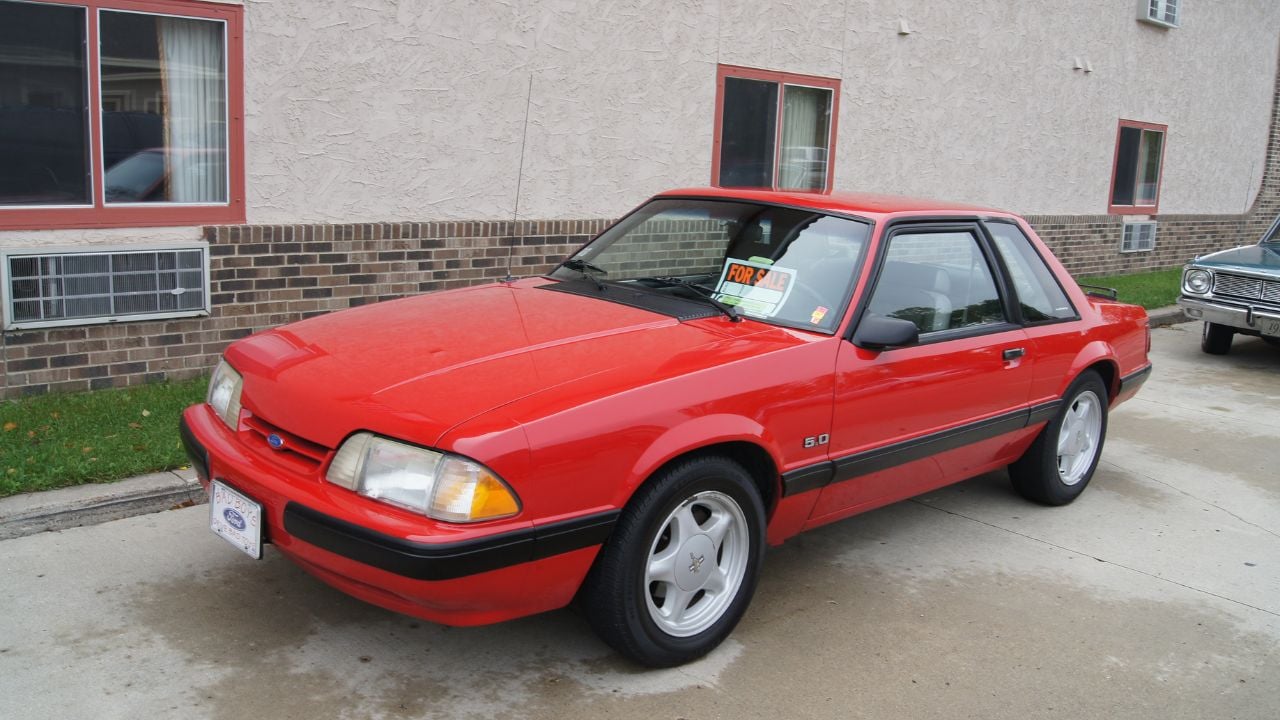
The Fox Body Mustang gets plenty of love today, but back in the day, these lightweight rockets were often dismissed as “just Mustangs” compared to muscle-bound pony cars of the muscle car era, 1964 to 1972..
The LX model, stripped of the GT’s body kit and extra weight, became the weapon of choice for serious drag racers who understood that less is more. With the 5.0-liter V8 rated at 225 horsepower for much of the run and 205 horsepower in 1993, these cars were already quick, but their real genius was in the platform’s potential. The combination of a lightweight chassis, rear-wheel drive, and an engine bay that welcomed modifications made the LX 5.0 a drag strip staple. Smart racers could build a low-11-second car on a budget that would make modern tuners weep with envy.
Today, clean examples are finally getting the recognition they deserve, but for years, these were the ultimate sleeper drag cars.
1989 Pontiac Turbo Trans Am

While everyone was focused on the GTA and Formula models, Pontiac quietly dropped a turbocharged masterpiece that flew completely under the radar. The Turbo Trans Am packed a turbocharged 3.8-liter V6 that produced 250 horsepower and 340 lb-ft of torque, numbers that embarrassed many V8s of the era. Only 1,555 were built during its single year of production, making it one of the rarest modern Trans Ams.
The turbo setup gave these cars a unique power delivery that worked beautifully for drag racing, with boost coming on strong in the mid-range. In stock form, these Trans Ams were already capable of deep 13-second quarter-mile times.
The real tragedy is that most enthusiasts still don’t know this model exists, making it one of the most underappreciated turbo cars of the 1980s.
2003-2004 Mercury Marauder

A full-size sedan built for drag racing sounds like a contradiction, but Mercury leaned into the formula with the Marauder. Based on the Grand Marquis platform, this murdered-out Mercury packed a 302-horsepower 4.6-liter V8 and ran mid-15s straight from the factory.
The real magic happened when racers discovered how well these cars responded to modifications, with exhaust work, tuning, and pulley swaps pushing them into genuine performance territory. The Marauder’s long wheelbase and hefty weight actually helped with traction, making it a surprisingly effective drag platform.
While it never achieved the cult status of the Impala SS, the Marauder represented Ford’s last attempt at a proper performance sedan before crossovers took over. These sleeper sedans deserve way more credit for keeping the full-size performance tradition alive.
1991-1992 GMC Syclone
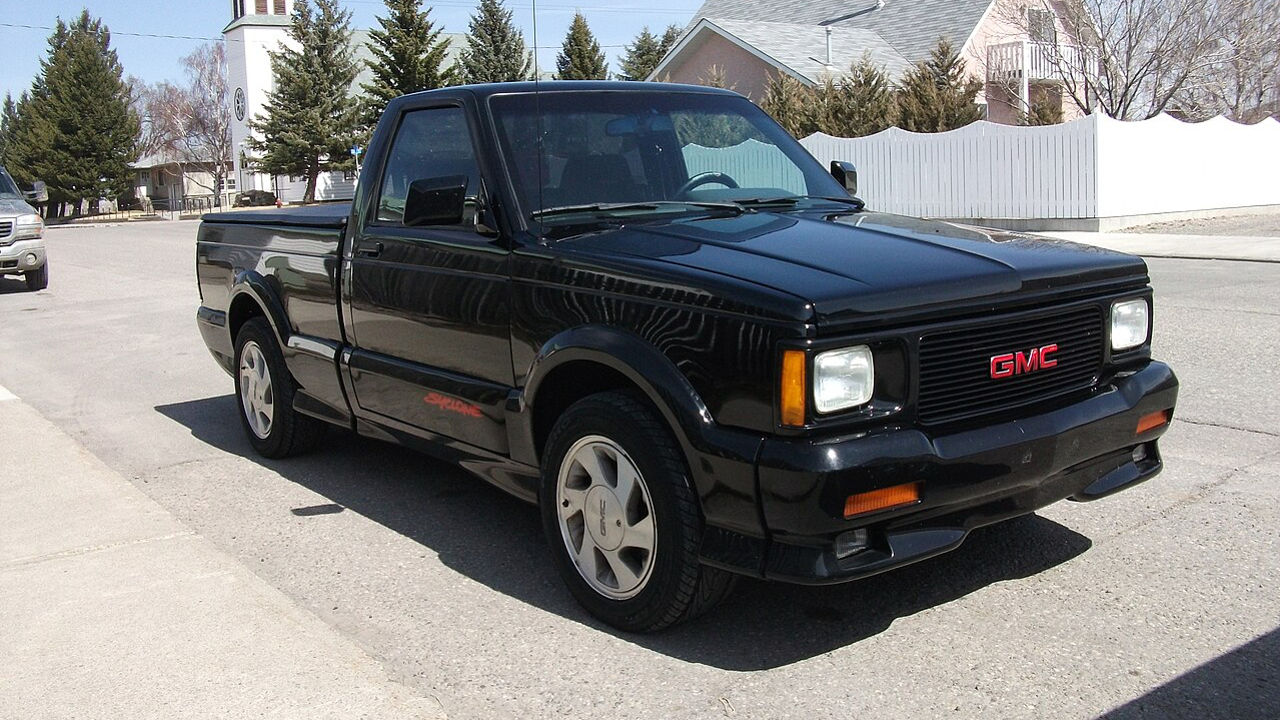
Car and Driver famously tested a Syclone against a Ferrari 348ts, and the GMC could be quicker in the right conditions, yet the Syclone remains relatively unknown outside dedicated enthusiast circles. This all-wheel-drive turbocharged beast packed a 4.3-liter V6 pushing 280 horsepower and 350 lb-ft of torque, launching to 60 mph in under 5 seconds.
The AWD system gave it incredible traction off the line, making it a legitimate threat at the drag strip despite its truck body. GMC built 2,995 Syclones for 1991, with only a handful produced for 1992, which has kept values relatively reasonable compared to other performance icons. The combination of turbo power and all-wheel traction created a drag racing formula that was ahead of its time.
These little turbocharged trucks proved that unconventional thinking could produce serious quarter-mile performance.
2008-2009 Pontiac G8 GT

The G8 GT represented everything right about modern muscle, yet it arrived at exactly the wrong time and got buried by the 2008 financial crisis. Underneath was the Australian Holden Commodore platform, with a 361-horsepower 6.0-liter L76 V8 and a six-speed automatic.
Right out of the box, these sedans could dip into the high 13s, and with basic bolt-ons, they were knocking on the door of 12-second territory. The independent rear suspension gave them handling that traditional muscle cars couldn’t match, while the sedan body kept them under the radar. Pontiac’s demise meant the G8 GT never got the long production run it deserved, but smart drag racers recognized its potential immediately.
These Australian-bred sedans proved that four-door practicality and drag strip performance weren’t mutually exclusive.
1986-1987 Buick Regal T-Type

Living in the shadow of the legendary Grand National, the T-Type was essentially the same car without the black paint and special badges. These turbocharged Regals packed the same basic 3.8-liter V6 architecture, and earlier versions could be had with a manual transmission, something Grand National fans never got.
The intercooled turbo V6 was rated at 235 horsepower in 1986 and 245 horsepower in 1987, and the aftermarket treated them exactly like Grand Nationals when it came to modifications. Many drag racers actually preferred finding T-Types because they were cheaper to buy and just as capable on the strip. The performance potential was identical to the Grand National, but without the premium that collectors attach to the famous black cars.
For anyone building a turbocharged drag car on a budget, the T-Type represented one of the smartest choices in 1980s performance.
2004-2006 Pontiac GTO
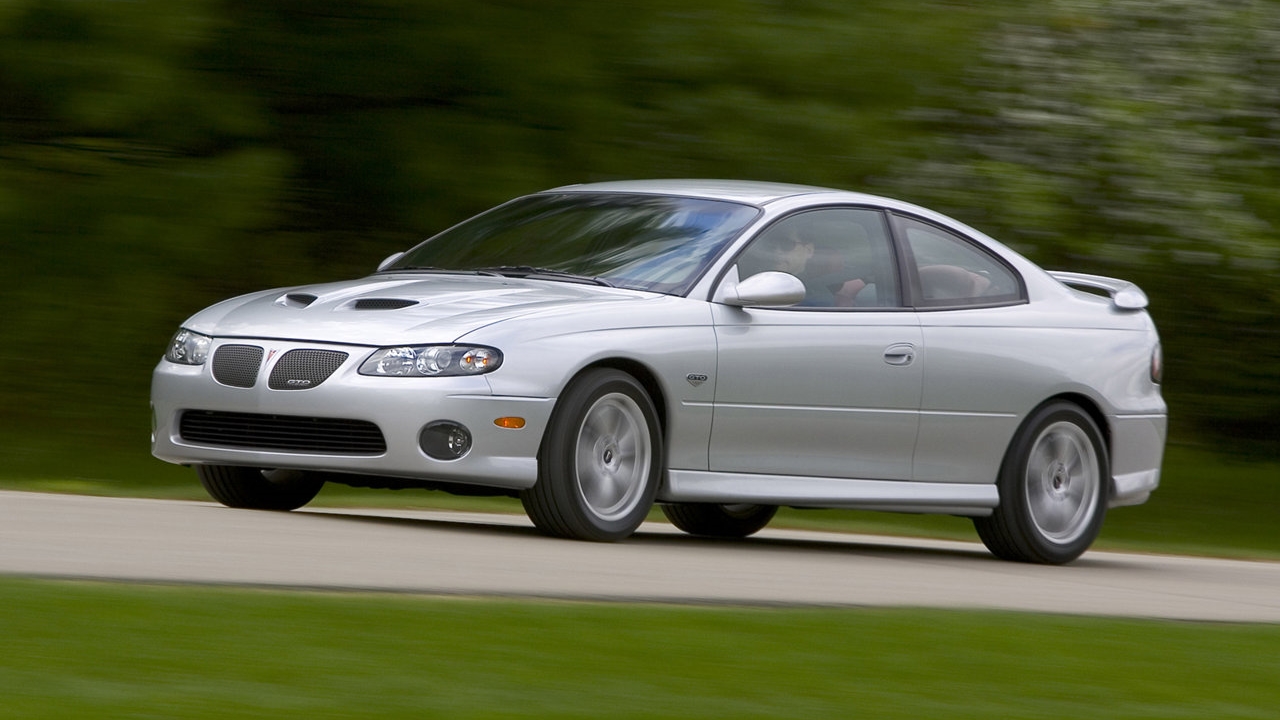
The reborn GTO faced an uphill battle from day one, with critics complaining about its understated styling and Australian origins. But underneath that conservative exterior sat the LS1 V8 from the Corvette, producing 350 horsepower initially and jumping to 400 with the LS2 in 2005-2006.
These modern GTOs could run mid-13s stock and responded beautifully to modifications, with cam swaps and forced induction pushing them deep into the 10s. The independent rear suspension and near-perfect weight distribution made them surprisingly capable all-around performers, not just drag strip specialists. Pontiac’s marketing struggled to connect with buyers who expected something more aggressive-looking, but drag racers saw past the styling to appreciate the serious hardware underneath.
Time has been kind to these cars, with enthusiasts finally recognizing them as legitimate modern muscle machines.
1993-1997 Chevrolet Camaro Z28 LT1

Sandwiched between the beloved third-gen and the transformative LS1-powered fourth-gen, the LT1 Camaro often gets overlooked in muscle car conversations. These cars packed the LT1 V8, rated at 275 horsepower early on and commonly listed at 285 horsepower by the mid-1990s, making them capable of high-13-second passes right off the showroom floor.
The Optispark ignition system gave them a reputation for maintenance headaches, but on the drag strip, these Camaros were absolutely competitive. With basic modifications like exhaust work, gears, and tuning, they could easily break into the 12s without touching the engine internals. The fourth-gen platform was lighter and more aerodynamic than the third-gen, giving it advantages that serious racers appreciated.
These LT1 Camaros represented the bridge between classic and modern muscle, and they deserve recognition for keeping the performance flame burning.
2011-2014 Dodge Charger R/T

While the Hellcat and Scat Pack models grab all the headlines today, the earlier R/T models with the 5.7-liter Hemi deserve credit for proving that modern four-door muscle could work. These sedans produced 370 horsepower and could run low-14s stock, making them legitimately quick family haulers.
The blend of practicality and performance made them popular with enthusiasts who needed back seats and trunk space but refused to give up straight-line speed. Aftermarket support was strong from day one, with supercharger kits pushing these Hemis well into the 11-second range. The modern Charger R/T kept the tradition of the muscle sedan alive during a time when most manufacturers were abandoning performance cars entirely.
These cars proved the market wanted powerful sedans, paving the way for the even more extreme models that followed.
1999-2004 Ford SVT Lightning

Pickup trucks weren’t supposed to be drag racing machines, but Ford’s Special Vehicle Team clearly didn’t get that memo when they built the second-generation Lightning.
Supercharged 5.4-liter V8 power produced 360-380 horsepower depending on the year, pushing these lowered trucks to mid-13-second quarter-miles from the factory. The supercharger setup responded incredibly well to modifications, with pulley swaps and tune work pushing them into genuine muscle car territory. Ford even gave these trucks a lowered sport suspension and unique styling that announced their intentions before they left the line. Drag strips across America saw these trucks embarrassing sports cars, proving that the body style didn’t matter when you had forced induction and rear-wheel drive.
The Lightning showed that thinking outside the traditional muscle car box could produce genuinely exciting performance vehicles.
1985-1989 Merkur XR4Ti

This German-engineered, American-marketed oddball never found its audience in dealerships, but savvy drag racers saw potential in its turbocharged four-cylinder. The 2.3-liter turbo engine produced 175 horsepower stock, and the XR4Ti name even appeared in IMSA and Trans-Am racing, though those race cars were heavily modified.
The lightweight platform and rear-wheel-drive layout created an excellent foundation for drag racing, especially once the aftermarket discovered how much power the engine could handle. These quirky coupes could be built into legitimate 12-second cars with bolt-ons and boost increases, all while looking absolutely nothing like a drag car. The biplane rear spoiler made them instantly recognizable, even if most people couldn’t identify what they were looking at.
The Merkur’s failure in the marketplace means few people remember these turbocharged sleepers, but they earned their place in drag racing history.
2005-2010 Chrysler 300C SRT8

The 300C SRT8 brought Hemi power to the luxury sedan segment, creating something that confused traditional automotive categories entirely. With 425 horsepower from the 6.1-liter Hemi V8, these big sedans typically ran low-13-second quarter-miles in stock form
The combination of rear-wheel drive, serious power, and surprisingly good weight distribution made them an effective drag platform. Many racers appreciated the sleeper aspect of having a car that looked like a rental but could embarrass dedicated sports cars at the strip. The aftermarket embraced these cars quickly, with supercharger kits and engine builds pushing them well into the 10-second range.
While the Charger and Challenger got more attention, the 300C SRT8 offered the same performance with a more refined, understated package that deserved equal respect.
Conclusion

These dozen drag-ready machines prove that respect at the quarter-mile isn’t always about heritage or hype. Each of these cars brought something unique to the strip, whether it was turbocharged efficiency, supercharged pickup trucks, or full-size sedans that refused to be slow. They’ve quietly built devoted followings among racers who value performance over prestige and results over reputation.
The drag strip has always been the great equalizer, where elapsed times matter more than badge engineering or marketing budgets. As these cars continue to age, more enthusiasts are discovering what dedicated racers knew all along: these underappreciated machines deserve their place in drag racing history.
Sometimes the best performance cars are the ones that didn’t need to shout about it from the factory.