We all know Toyotas are the safe bet when it comes to reliability. But the automotive world has plenty of other brands that have quietly been building bulletproof commuters while everyone’s been obsessing over Camrys and Corollas.
Here are 12 alternatives that’ll get you to work and back without the drama or the Toyota tax.
Honda Civic

The Civic has been trading punches with the Corolla for decades, and honestly, they’re consistently near-equals in long-term reliability, depending on model year and maintenance. What sets it apart is that Honda engineers seem to have a sixth sense for making cars that feel engaging to drive, even when you’re just crawling through traffic.
You’ll actually enjoy the occasional on-ramp, and that’s worth something when you’re doing this five days a week.
Mazda3

Mazda has been scoring very well in dependability studies (for example, J.D. Power’s 2025 VDS ranked Mazda #2 among mass-market brands) and is genuinely fun to pilot. The Mazda3 handles like a much more expensive car, with steering that actually communicates what the front wheels are doing.
It’s the commuter car for people who haven’t completely given up on the idea that driving can be pleasant.
Subaru Outback

If your commute involves weather that would make other cars nervous, the Outback is your answer. The Outback comes with standard Subaru Symmetrical All-Wheel Drive, which isn’t just a marketing gimmick, it’s legitimately useful, and Subaru’s boxer engines have a long track record, though reliability can vary by generation and maintenance.
Plus, you get SUV practicality without the gas station guilt.
Honda Accord

The Accord is what happens when you take everything good about the Civic and supersize it for adult money. It’s been on Car and Driver’s 10Best list more times than most people change jobs, and there’s a reason for that.
The current generation is particularly impressive, with a 192-hp turbo engine and an available 204-hp hybrid powertrain that deliver both efficiency and enough punch to make highway merging feel effortless.
Mazda CX-5
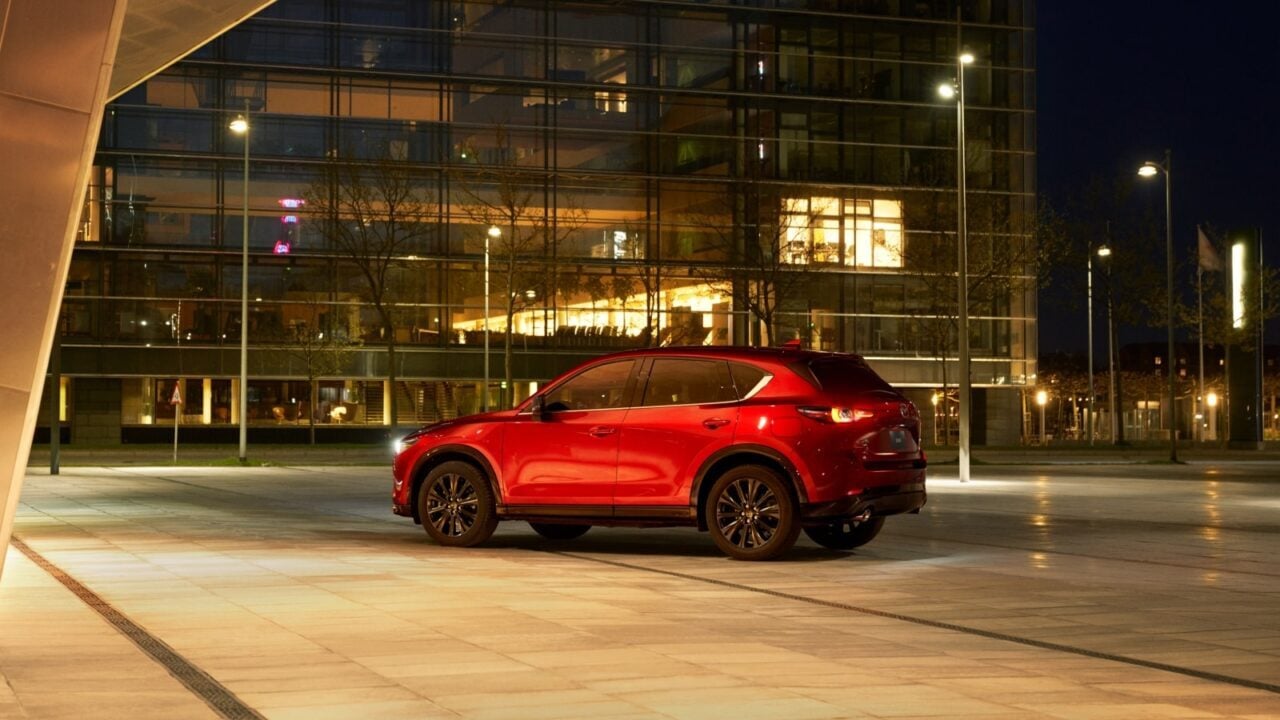
This is the crossover that doesn’t feel like a compromise. Mazda’s obsession with driving dynamics means the CX-5 actually responds to inputs like a car should, not like you’re piloting a refrigerator on wheels.
Reliability ratings in major owner/survey studies have been strong (J.D. Power’s VDS places Mazda near the top of mass-market brands), and the interior feels like it belongs in something twice the price.
Lexus ES

Yes, Lexus is technically Toyota, but hear me out: the ES has its own character and often flies under the radar compared to the Camry it shares a GA-K (TNGA-K) platform lineage with. You’re getting that legendary Toyota reliability with significantly more sound insulation and comfort features.
If your commute is long and soul-crushing, the ES turns it into a quiet, climate-controlled escape pod.
Subaru Impreza

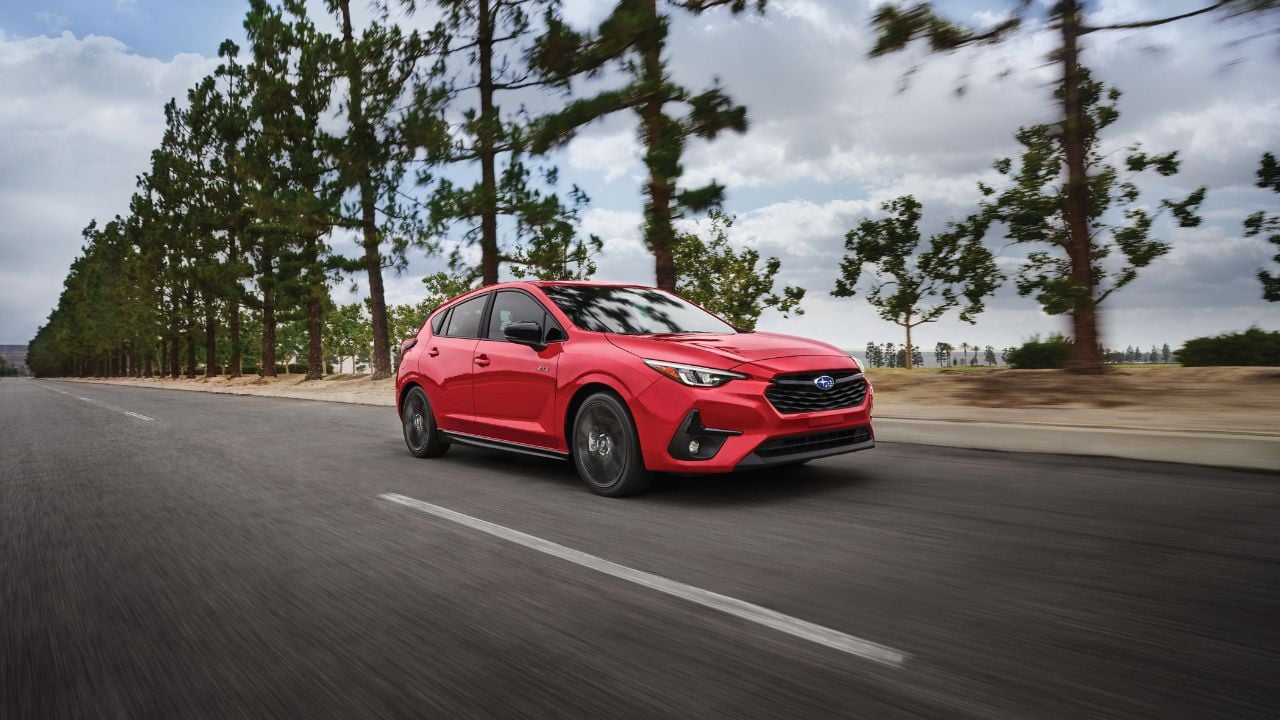
The Impreza is one of the most affordable ways to get standard Subaru Symmetrical All-Wheel Drive and a reputation for longevity. It’s not fancy, and it won’t win any drag races, but it’ll start every morning and handle whatever Mother Nature throws at it.
The hatchback version is surprisingly practical for hauling weekend gear when you’re not commuting.
Honda CR-V

Honda’s compact crossover has been a reliability benchmark for years, often ranking near the top in dependability/quality surveys (for example, J.D. Power rates the 2025 CR-V’s Quality & Reliability as 83/100). The CR-V offers genuinely useful cargo space without feeling like you’re driving something massive, and the fuel economy is respectable for the size.
It’s become the default choice for a reason, it just works.
Kia Forte

Kia’s transformation over the past decade has been remarkable, and the Forte is proof that Korean automakers have cracked the reliability code. With a 10-year, 100,000-mile powertrain limited warranty backing it up, Kia is putting its money where its mouth is.
The Forte delivers Honda Civic vibes at a lower price point, and that’s a winning formula.
Hyundai Elantra

Hyundai shares DNA with Kia, which means you’re getting similar reliability with slightly different styling. The Elantra has grown up considerably, with a design that looks more expensive than it is and tech features that used to be luxury-car exclusive.
The fuel economy on the base engine is impressive, rated around the mid-30s mpg combined depending on trim (EPA figures are typically 34–36 mpg combined for non-N models).
Mazda CX-30

If the CX-5 is too big but the Mazda3 feels too small, the CX-30 splits the difference perfectly. It’s closely related to the Mazda3, with a higher ride height and added cargo versatility with some extra cargo room, which means you get the same excellent driving dynamics with a bit more versatility.
The interior materials are genuinely nice, not just “nice for the price.”
Subaru Crosstrek

The Crosstrek is closely related to the Impreza, with more ground clearance and an SUV-style body that can handle rougher terrain, making it ideal if your commute includes unpaved roads or you like escaping to the mountains on weekends. It won’t win any speed contests, but the combination of Subaru reliability, standard AWD, and up to 9.3 inches of ground clearance (Wilderness; other trims are lower) makes it incredibly versatile.
Think of it as the Swiss Army knife of commuter cars.
Conclusion

The truth is, Toyota doesn’t have a monopoly on reliability anymore; maybe they just have better marketing. These twelve alternatives offer the same get-to-work-without-drama dependability, often with more personality or better value.
Your commute is already boring enough without driving something that feels like a household appliance. Pick one of these, and at least you’ll enjoy the ride while your odometer racks up those inevitable miles.