

Racing is where engineers go to play god with physics, and occasionally they succeed so spectacularly that the rule makers have to step in like cosmic party poopers. These 10 machines won races and rewrote the definition of what winning looked like, forcing officials to grab their red pens and remind everyone that there are, in fact, limits to human ingenuity.
Each of these cars represents that magical moment when brilliant minds asked “what if we tried this crazy thing?” and the answer turned out to be “please don’t do that again.” They’re the automotive hall of fame and hall of shame rolled into one, proof that sometimes the best way to make history is to make the people in charge very, very nervous. In some cases they were explicitly outlawed; in others, teams withdrew them under protest and the rules were rewritten immediately afterward.
How the List Crossed the Finish Line

The goal was simple: find race cars that were built for the track (technical innovation, undeniable performance), but those exact enhancements ended up getting them banned from those tracks or didn’t fit into new regulations. AKA They were too good.
In most cases, these bans occurred or rules were changed after the cars continued to win race after race, so we checked race records to find the dominating machines that excited the public until they were never seen again.
We then wanted to look into what specifically got these cars in trouble. The criteria placed emphasis on official rulings or regulatory changes that directly addressed the presence of these machines, rather than on hearsay or anecdotal disqualification. From there, attention turned to the unique qualities that made each entry unforgettable to fans, whether it was a groundbreaking aerodynamic design, an unconventional powertrain, or a factory program that pushed the spirit of the rules to their absolute limit.
The final lineup reflects a balance across multiple disciplines of racing, including Formula One, endurance racing, rally, GT competition, and NASCAR, showcasing how innovation and dominance have shaped the sport across continents and decades. By looking beyond mere lap times and examining the cultural and competitive impact of each ban, this list honors not only the cars themselves but also the restless creativity that fuels motorsports’ greatest moments.
Lotus 56
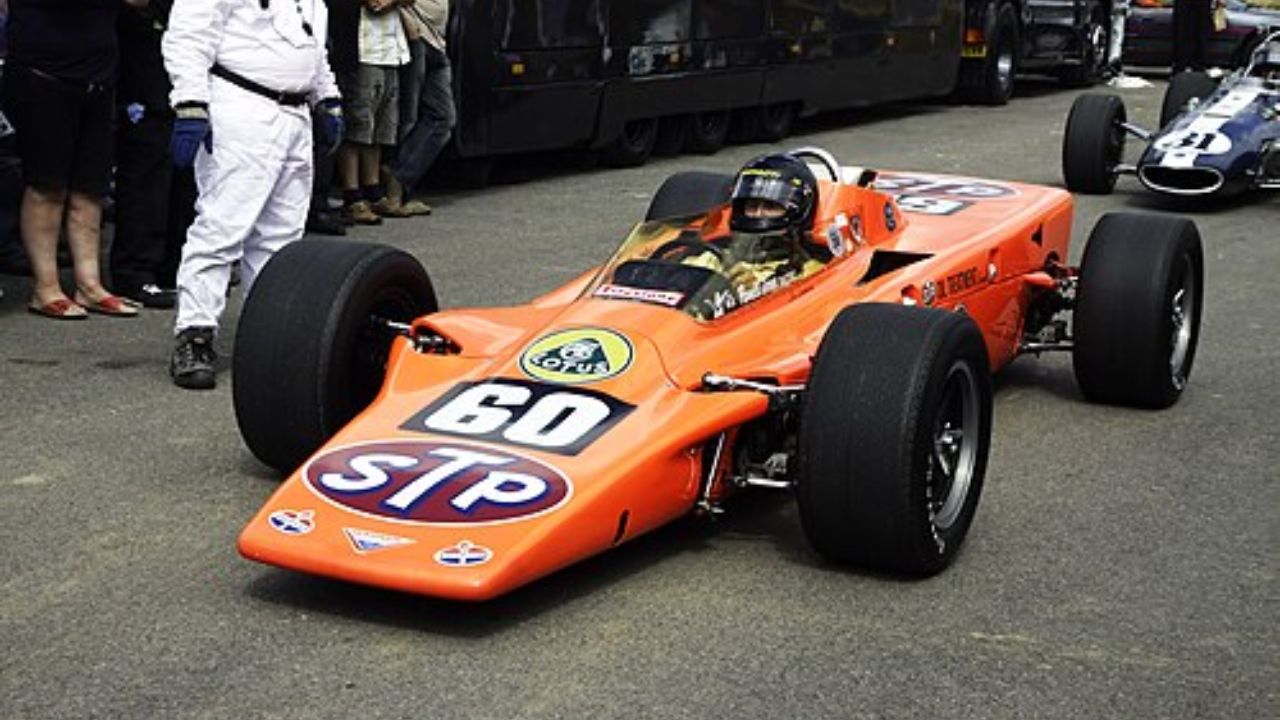
The Innovation: Pratt & Whitney ST6 turbine producing about 500 horsepower
Crime: Made piston engines look like steam locomotives
Fun Fact: In 1968, Lotus 56 turbines qualified 1st and 2nd (pole and outside front row) at Indy, and used a single-speed reduction drive instead of a conventional gearbox
Colin Chapman looked at the Indianapolis 500 field and thought, “You know what this needs? A jet engine.” The Lotus 56 was essentially an aircraft turbine with delusions of being a race car, and it was magnificent in the most terrifying way possible.
The turbine delivered power like a freight train, smooth, relentless, and completely alien to anything drivers had experienced. While other cars were busy shifting gears and managing rpm bands, the 56 just… went. No transmission, no gear changes, just a steady whoosh of power that made it sound like a vacuum cleaner designed by NASA.
The wedge-shaped body looked like it belonged on a runway, not a racetrack, cutting through air with efficiency that made traditional race cars look like rolling barns. Drivers reported that the cockpit felt more like piloting a spacecraft than driving a car, which probably should have been everyone’s first clue that maybe this wasn’t going to end well for traditional racing.
Officials took one look at the lap times and realized they were watching the future: a future where every other car on the grid would become obsolete overnight. The ban came swiftly, officially to preserve “the character of automobile racing,” but really because nobody wanted to explain to Chevrolet why their small-block V8 was suddenly as relevant as a horse and buggy.
The Lotus 56 remains the most successful failure in racing history: a car so advanced it got kicked out of its own sport for being too good at it.
1967 Chevrolet Camaro Z/28
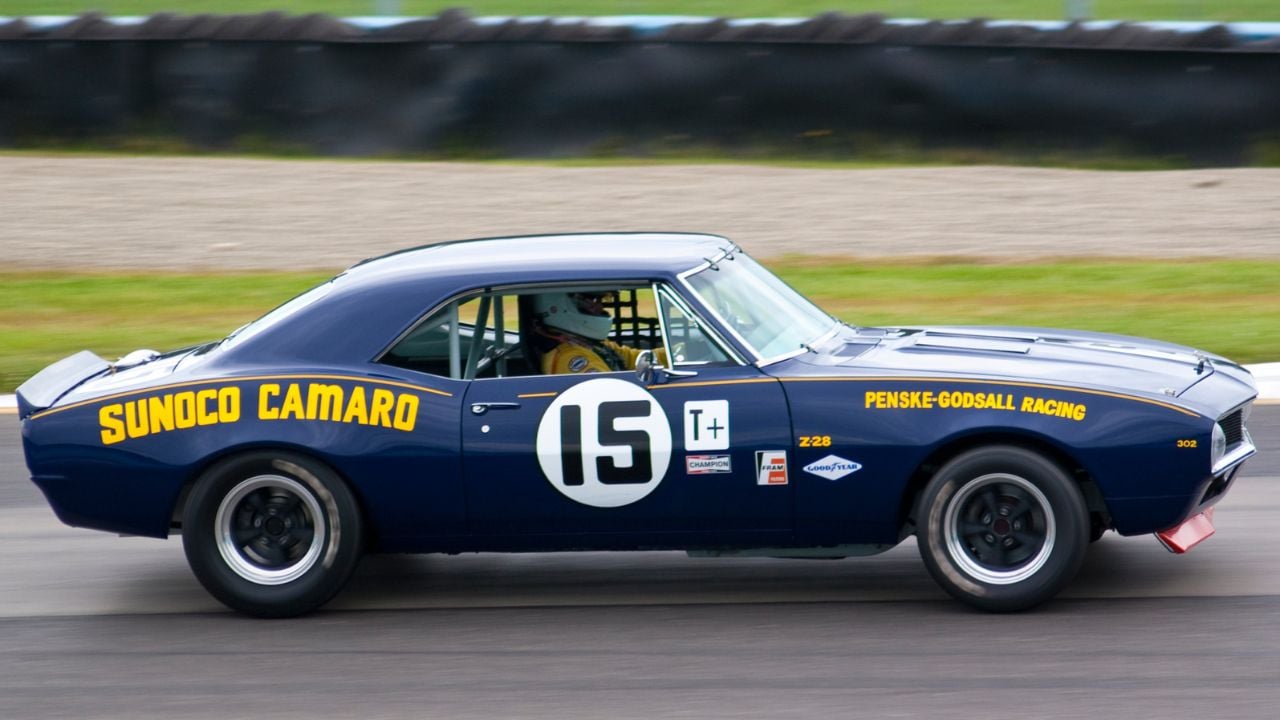
The Innovation: 302 cubic inch small-block V8 with solid lifter cam
Crime: Built to homologate a 302ci engine under Trans-Am’s 305ci cap, and became a benchmark for the class (but was not banned)
Fun Fact: The engine was created specifically to meet Trans-Am’s 305ci limit, proving Chevy engineers could do math when properly motivated
Chevrolet looked at the Trans-Am series and decided to send the automotive equivalent of a ringer to summer camp. The Z/28 was supposedly a “production car” in the same way that a Navy SEAL is supposedly “just a sailor;” technically true, but missing some crucial context.
The 302 small-block was a masterpiece of aggressive engineering, built by taking a 283 crankshaft and shoving it into a 327 block, creating an engine that loved to rev like a motorcycle but hit like a freight train. The solid lifter cam gave it a lumpiness at idle that announced its intentions to anyone within earshot, and those intentions were usually violent.
The chassis setup was pure race car masquerading as a street car, with suspension tuning that made it dance through corners with the grace of a ballet dancer and the aggression of a cage fighter. The Z/28 could carry speed through turns that made other cars cry uncle, then rocket out of corners with a bark from the exhaust that sounded like America itself clearing its throat.
Race officials watched it systematically dismantle the competition and realized they were witnessing what happens when a major manufacturer decides that “close enough” isn’t good enough. The Z/28 wasn’t banned; Trans-Am competitiveness evolved with development, homologation, and manufacturer escalation rather than a single “kill it” rules change aimed at the Camaro.
Toyota Celica GT-Four

The Innovation: Clever turbo restrictor-bypass device discovered on Toyota’s Celica GT-Four program (mid-1990s)
Crime: Too clever by half, a deliberately concealed device that was illegal once discovered, leading to major FIA penalties.
Fun Fact: The bypass system was so sophisticated it only activated under full throttle, making it nearly impossible to detect during tech inspection
Toyota looked at the World Rally Championship restrictor rules and thought, “Challenge accepted.” The GT-Four was already a formidable rally weapon with its turbocharged 3S-GTE engine and sophisticated all-wheel-drive system, but Toyota’s engineers decided that following the spirit of the law was for amateurs.
The turbo four-cylinder was a technological marvel, delivering power with the precision of a Swiss watch and the enthusiasm of a caffeinated teenager. The all-wheel-drive system could distribute power between all four corners faster than you could say “Scandinavian flick,” making it equally comfortable on snow, gravel, or tarmac.
The real genius was in the details: specifically, a carefully engineered bypass in the air restrictor that allowed extra airflow under certain conditions. It was the kind of innovation that made you simultaneously applaud the cleverness and wonder if Toyota’s legal department was having panic attacks.
The wide-body kit wasn’t just for show; those flared arches covered suspension components that could handle the kind of punishment that would make a pickup truck weep. The car absorbed rally stages like they were gentle country roads, flying over crests and sliding through corners with the confidence of something that knew exactly what it was designed to do.
When scrutineers finally discovered the bypass system, it was like finding out your honor student had been sneaking answers on tests: definitely effective, but absolutely not allowed. The ban was swift and decisive, though you could almost hear the grudging respect in the technical bulletin.
The Celica GT-Four proved that sometimes the most dangerous opponent is the one who reads the rulebook more carefully than the people who wrote it.
Nissan R390 GT1
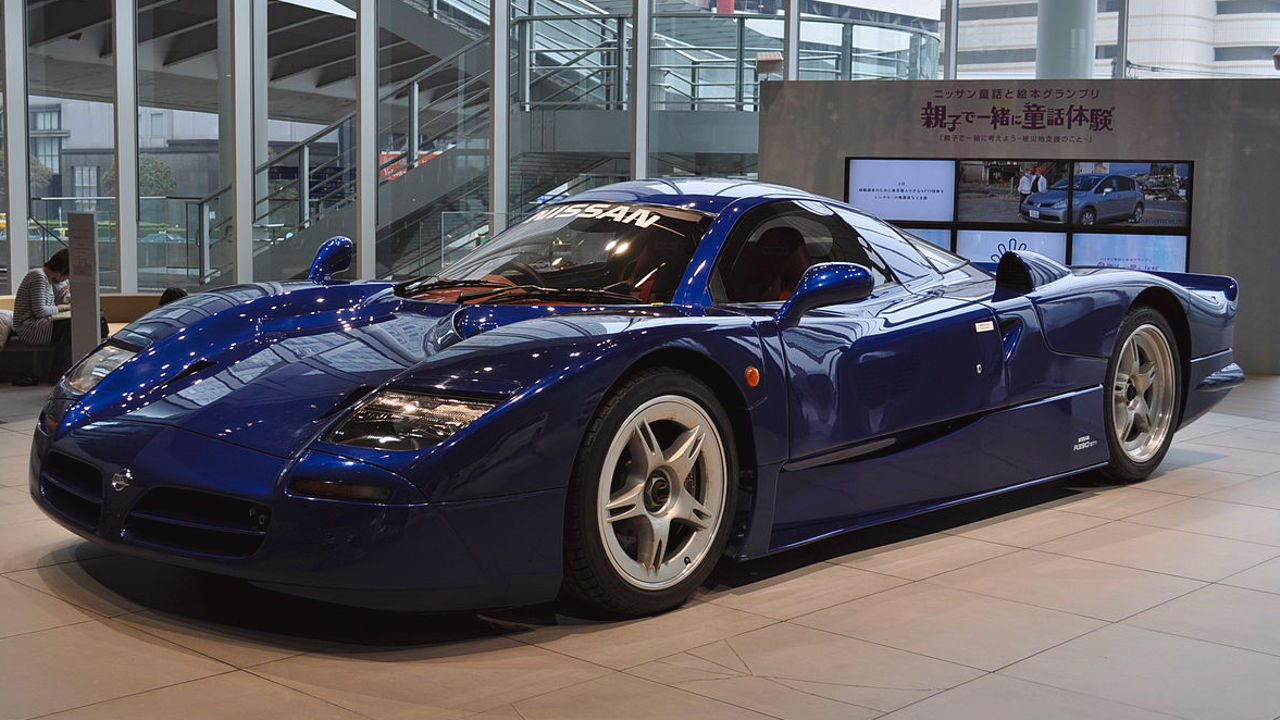
The Innovation: Purpose-built Le Mans prototype disguised as a road car
Crime: Made a mockery of “production-based” racing
Fun Fact: Nissan built one factory road prototype for homologation, and at least one additional R390 was later converted and road-registered, making it rarer than most supercars and about as street-friendly as a fighter jet
Nissan looked at the GT1 regulations requiring “production-based” cars and decided to interpret “production” in the most creative way possible. The R390 GT1 was technically a road car in the same way that a NASA space suit is technically clothing: sure, you could wear it, but you probably shouldn’t.
The twin-turbo VRH35L 3.5-liter V8 powered the R390 GT1 (race engine lineage tied to Nissan’s Group C program) produced around 550 horsepower and enough torque to rotate the Earth’s axis slightly. The engine was mid-mounted for optimal weight distribution and maximum intimidation factor, creating a power-to-weight ratio that made physics professors nervous.
The carbon fiber bodywork was sculpted with the kind of aerodynamic precision usually reserved for military aircraft. Every curve and angle was calculated to slice through air while generating just enough downforce to keep the car planted without creating unnecessary drag, a delicate balance that most manufacturers would need a supercomputer to achieve.
The interior was basically a racecar cockpit with carpeting, featuring the kind of minimalist design philosophy that says “comfort is for people who aren’t going 200 mph.” The street version came with air conditioning and a radio, which was Nissan’s way of saying, “See? Totally practical for daily driving.”
Officials eventually changed the homologation requirements to demand actual production numbers instead of winking and nodding at single-digit builds. The R390’s ban wasn’t about safety or fairness: it was about preserving the fiction that GT racing had anything to do with cars you could actually buy.
The R390 remains a monument to Japanese engineering audacity and regulatory interpretation, proving that sometimes the best way to follow the rules is to redefine what the rules mean.
Porsche 917
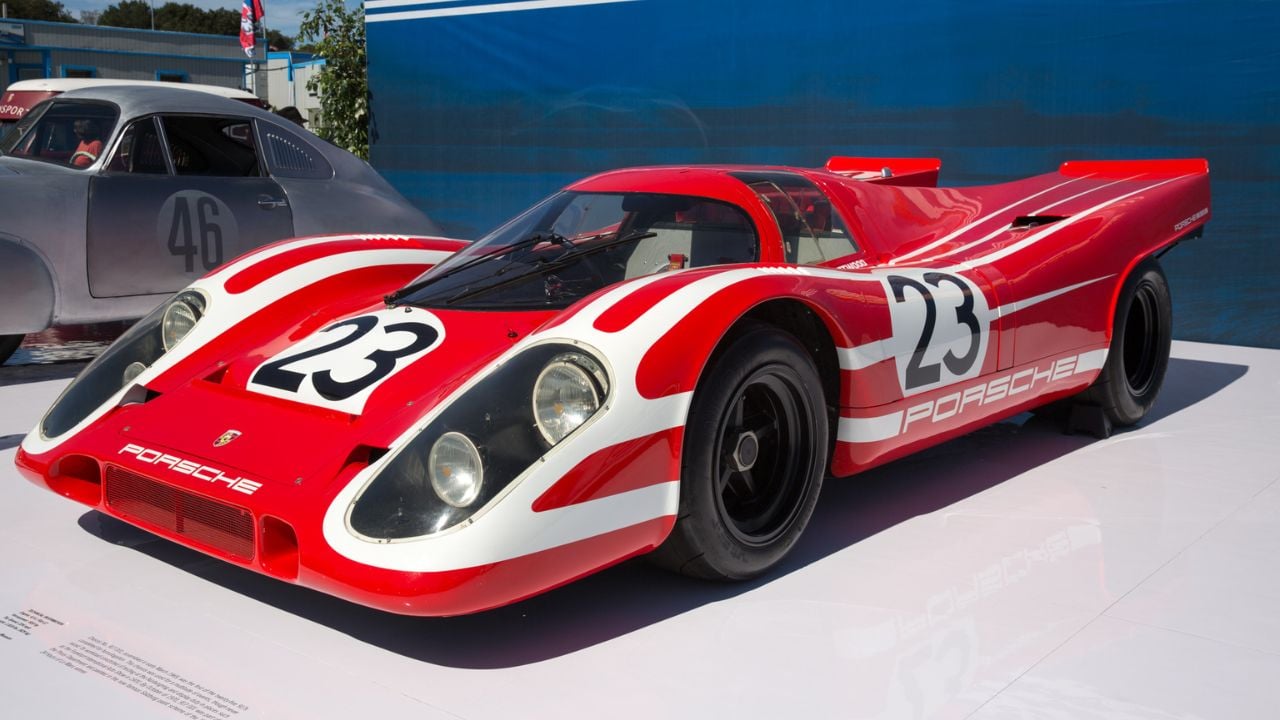
The Innovation: Air-cooled flat-12 (Type 912) that grew from 4.5 to 5.0 liters, producing roughly 580+ hp in early form, with weights around ~800 kg (~1,760 lb) depending on configuration
Crime: Made Le Mans look like a Porsche parade lap
Fun Fact: Early versions were so aerodynamically unstable that drivers needed advanced degrees in physics just to keep them pointed in the right direction
Porsche decided that if they were going to build a Le Mans car, they might as well build one that made everything else on the track look like it was standing still. The 917 was less a race car than a barely controlled missile with Porsche badges, capable of speeds that made grown men reconsider their life choices.
The flat-12 engine was an air-cooled masterpiece that sounded like the mechanical heartbeat of speed itself. At 4.5 liters, it produced power numbers that seemed impossible from something you could theoretically cool with air alone, proving that Porsche engineers had mastered both physics and black magic.
Early 917s were notorious for their aerodynamic quirks, quirks being a polite way of saying they tried to kill their drivers with alarming regularity. The long tail versions were capable of 240+ mph on the Mulsanne Straight, but they had a tendency to become airborne at inconvenient moments, like a very expensive, very dangerous paper airplane.
Once Porsche sorted out the aerodynamics, the 917 became virtually unstoppable. It won Le Mans in 1970 and 1971, dominated the Can-Am series, and generally made every other manufacturer question their life choices. The Gulf-liveried versions became iconic not just for their success, but for proving that race cars could be both devastatingly effective and absolutely gorgeous.
Officials changed prototype regulations after 1971, which ended 917 eligibility rather than issuing a single-car “ban.” It was the regulatory equivalent of changing the rules of basketball because one team kept dunking on everyone else.
The 917 remains the gold standard for “how to build a Le Mans car when money is no object and physics is merely a suggestion.”
Chaparral 2E
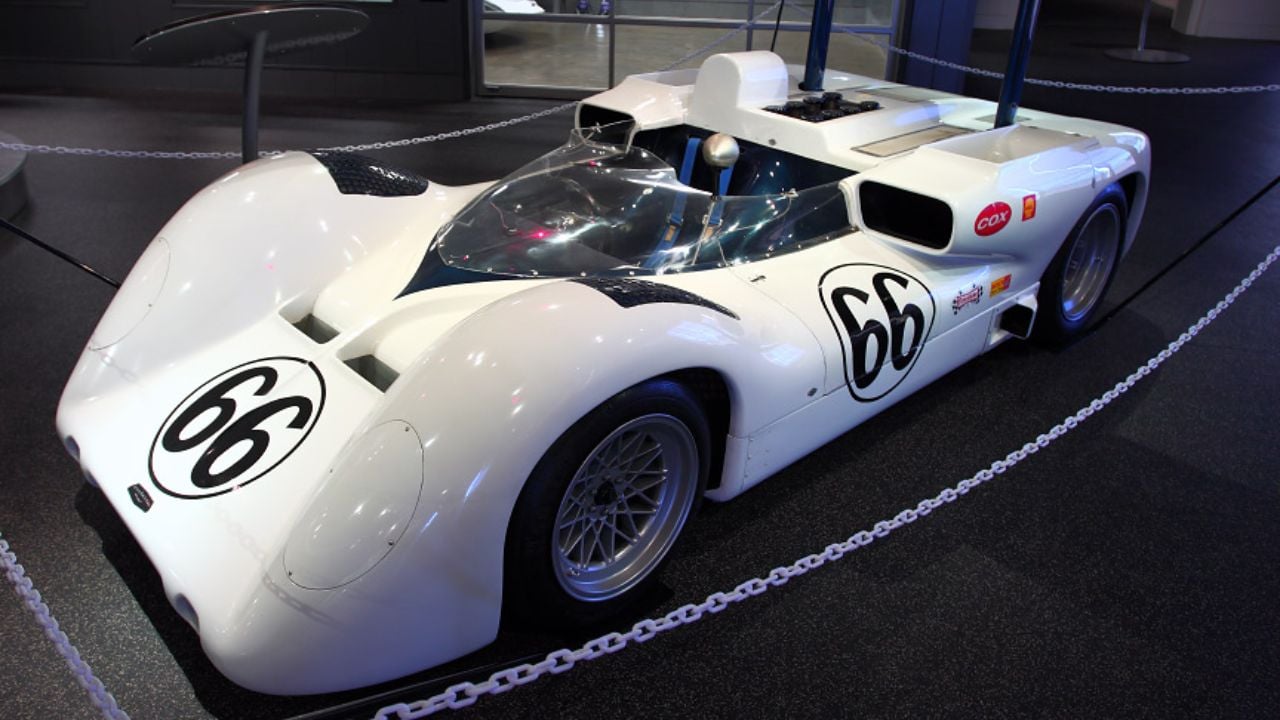
The Innovation: Driver-controlled movable rear wing operated by a dedicated pedal (drivers used the left foot since the car didn’t require a clutch pedal)
Crime: Active aerodynamics were apparently too active for officials’ comfort
Fun Fact: The wing could adjust from flat for top speed to nearly vertical for braking, creating 500+ pounds of downforce instantly
Jim Hall looked at aerodynamics and thought, “This would be more interesting if it moved.” The Chaparral 2E was the first car to treat its rear wing like a controllable flight surface, giving drivers the ability to adjust downforce on demand, which was either brilliant or terrifying, depending on your perspective.
The system was elegantly simple: press the brake pedal, and the wing would rotate from a low-drag position to maximum downforce angle, creating instant grip for corner entry. Release the brakes for straight-line speed, and the wing would flatten out to reduce drag. It was like having a variable aerodynamics package controlled by the driver’s right foot.
The 7-liter Chevrolet V8 provided the motivation, delivering the kind of torque that could rotate the Earth if properly applied. The fiberglass body was clean and purposeful, designed more in a wind tunnel than at a styling studio, creating a shape that looked fast even when parked.
Drivers reported that the active wing created a connection between car and driver that felt almost telepathic. The ability to dial in exactly the right amount of downforce for each situation gave them confidence to attack corners at speeds that would normally require substantial life insurance policies.
Officials eventually ruled that moveable aerodynamic devices provided too much of an advantage, effectively banning the 2E’s party trick. The decision was probably wise from a competitive standpoint, but it also closed the door on one of the most innovative approaches to aerodynamics ever attempted.
The 2E proved that sometimes the best innovations are the ones that make officials immediately write new rules to prevent anyone else from trying them.
Chaparral 2J
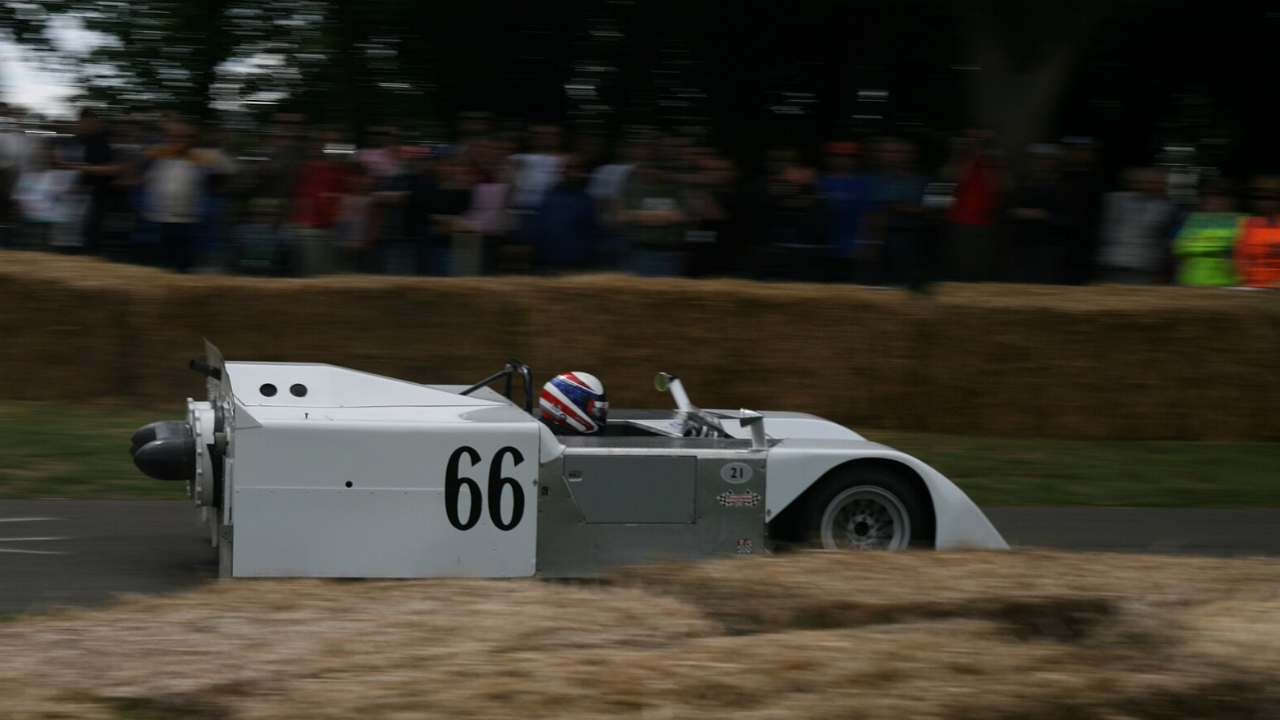
The Innovation: Ground-effect suction system using fan-generated downforce powered by a separate two-stroke auxiliary engine, independent of the main V8
Crime: Created downforce levels that made other cars look like they were driving on ice
Fun Fact: The twin fans were powered by separate two-stroke engines that had to be started with pull-cords, like the world’s most expensive leaf blowers
Jim Hall apparently decided that the 2E wasn’t weird enough and set out to create something that looked like it was designed by a committee of vacuum cleaner engineers and aerospace scientists. The 2J, nicknamed the “sucker car,” used a pair of fans to literally suck itself to the track, creating grip levels that seemed to violate several laws of physics.
The system used two JLO snowmobile engines (yes, really) to power fans that could move huge airflow through twin rear fans (sources disagree on exact CFM) from under the car. Side skirts sealed the low-pressure area, creating downforce that was virtually independent of speed, meaning the 2J could corner at parking lot speeds with the same grip it had at 150 mph.
The main powerplant was a Chevrolet big-block V8 often cited around ~680 hp (figures vary by source) that provided motivation for the business end of things. With the fan system creating consistent downforce, the 2J could maintain cornering speeds that made other Can-Am cars look like they were navigating a skating rink.
The visual effect was surreal, the 2J would enter corners at speeds that should have sent it into the barriers, only to stick to the racing line like it was on rails. Competitors complained that it sounded like a giant shop vacuum, which was both accurate and beside the point.
Officials ruled that the fan system constituted a movable aerodynamic device and banned it accordingly. The decision effectively ended one of the most creative approaches to grip ever attempted, though it probably saved several competitors from having to explain to their sponsors why they couldn’t keep up with a car that sounded like industrial cleaning equipment.
The 2J remains proof that if you think outside the box hard enough, sometimes you end up in a completely different sport.
Brabham BT46B
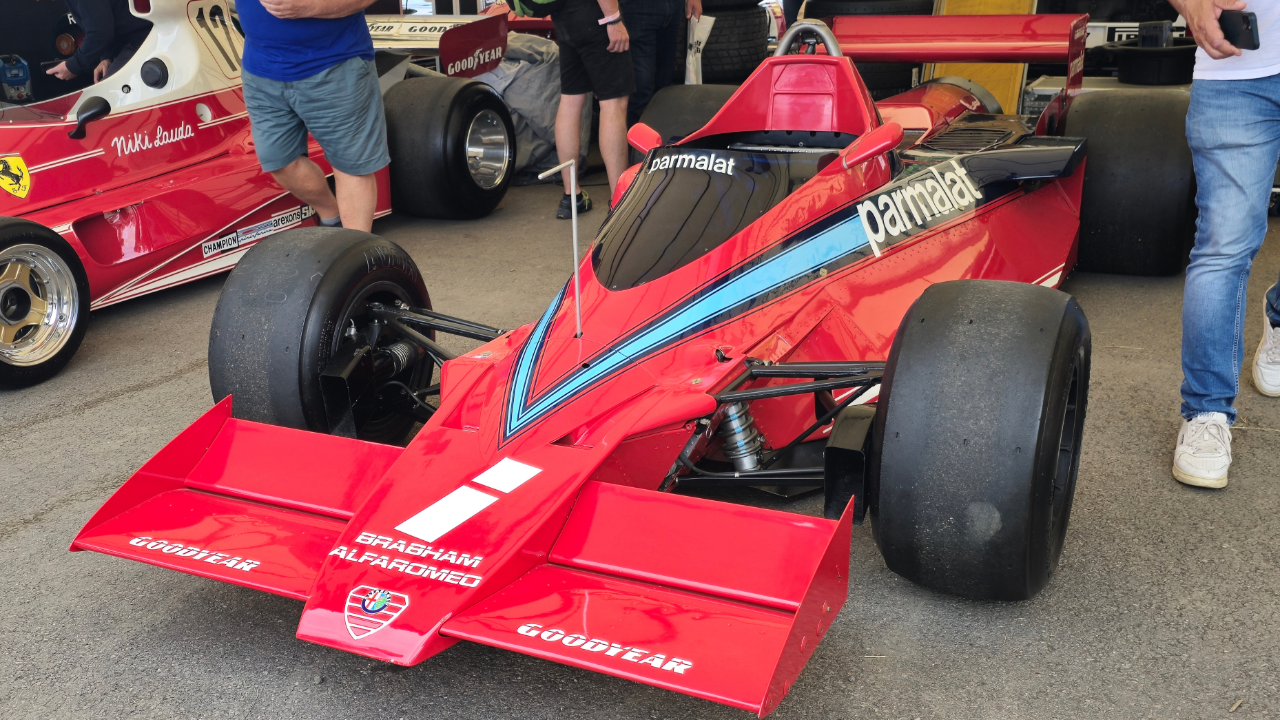
The Innovation: Engine-driven fan creating massive ground-effect suction
Crime: Won its only race so dominantly that rival teams threatened to quit
Fun Fact: The fan was officially listed as a “cooling device,” which was technically true but missed the point entirely
Gordon Murray looked at the Chaparral 2J and thought, “That’s clever, but what if we did it in Formula One and pretended it was for cooling?” The BT46B was the result: a car so obviously designed to work around the rules that it was almost insulting to everyone’s intelligence.
The fan was driven directly off the Alfa Romeo flat-12 engine, spinning at speeds that would make a jet turbine jealous. Officially, it was there to cool the radiators, and it did perform that function. It also happened to generate enough suction to pull the car to the track with the force of industrial-grade determination.
The system created such consistent downforce that Niki Lauda could take corners at speeds that made other drivers question their career choices. At the 1978 Swedish Grand Prix, Lauda qualified 2nd and won the 1978 Swedish GP; the car was then voluntarily withdrawn amid protests and politics and won the race by over 30 seconds, lapping everyone except second place.
The fan created a distinctive whining sound that announced the BT46B’s presence from miles away, like a mechanical banshee warning other cars to get out of the way. The visual effect of watching it stick to corners that should have been impossible was simultaneously impressive and slightly unsettling.
Rival teams immediately protested, and Bernie Ecclestone (then Brabham’s owner) voluntarily withdrew the car before officials could rule on its legality. The decision was probably political; keeping the other teams happy was more valuable than winning every race with a car that made the competition look amateur.
The BT46B’s single victory remains one of Formula One’s greatest “what if” stories, proof that sometimes the most effective innovations are the ones that get banned fastest.
Chevrolet Monte Carlo T-Rex
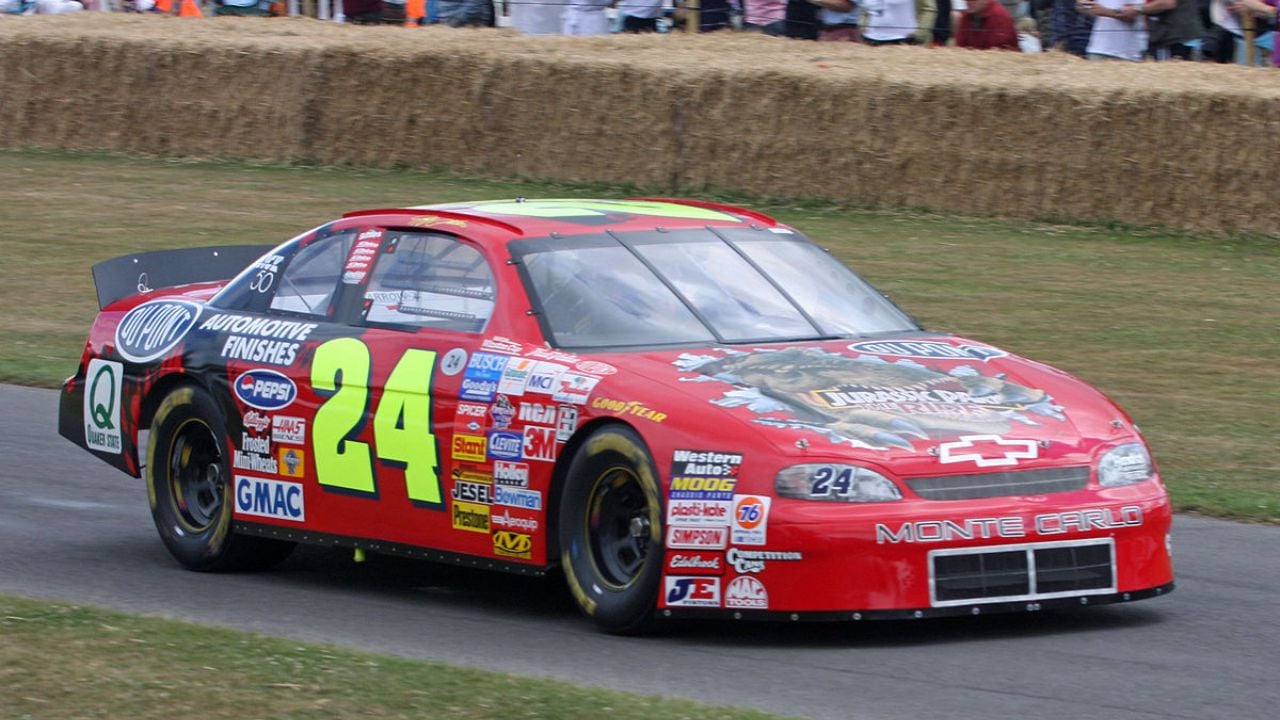
The Innovation: Wind tunnel-optimized body with suspension setup that defied NASCAR physics
Crime: Made the All-Star Race look like a demonstration run
Fun Fact: Named “T-Rex” because it was an evolutionary predator that made everything else extinct
Hendrick Motorsports looked at NASCAR’s All-Star Race and decided to show up with a car that had been engineered with the intensity usually reserved for landing spacecraft on Mars. The T-Rex wasn’t just fast; it was so comprehensively superior that it made other teams wonder if they’d accidentally entered a different series.
The bodywork was sculpted with wind tunnel precision that was unusual for NASCAR at the time, creating aerodynamic efficiency that allowed it to carry speeds through corners that physics said should be impossible. Every surface was optimized for airflow, from the nose to the rear spoiler, creating downforce without drag in a way that seemed almost supernatural.
Jeff Gordon drove it to victory with the kind of effortless dominance usually seen in video games set to easy mode. The car’s balance was so perfect that Gordon could run any line on the track and still be faster than everyone else, making the All-Star Race look like a parade lap with prize money.
The suspension setup was the real secret weapon: components and geometry that allowed the T-Rex to maintain grip levels far beyond what a stock car should reasonably achieve. It was engineering that bordered on witchcraft, creating a mechanical grip that seemed to violate NASCAR’s fundamental principles about how difficult racing should be.
NASCAR officials took one look at the dominance and decided that whatever Hendrick had discovered needed to be undiscovered immediately. NASCAR issued technical clarifications and updates after its dominance, preventing teams from repeating the same combination of body/chassis tricks, ensuring it would remain a one-race legend.
The T-Rex proved that when Hendrick Motorsports really wanted to win something, they could engineer victory with the precision of a military operation and the subtlety of a nuclear weapon.
Mercedes-Benz CLK-GTR
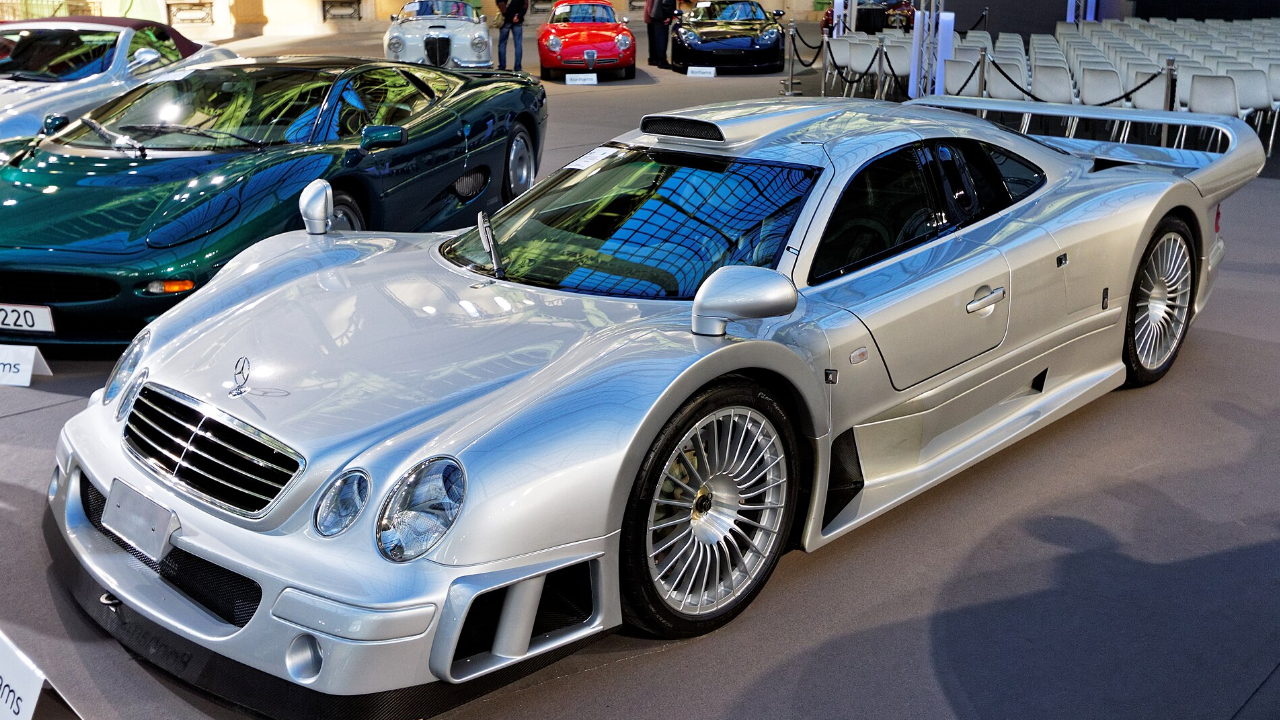
The Innovation: 6.0-liter V12 in CLK-GTR race/early road spec; later developments/related variants reached 6.9 liters, producing 600+ horsepower in a barely disguised race car
Crime: Made GT1 racing look like a Mercedes advertisement
Fun Fact: The road-going versions priced around US$1 million+ when new (often quoted in the ~$1M–$1.5M range depending on market/source) and came with their own support team because normal mechanics were afraid of them
Mercedes-AMG looked at GT1 regulations and decided to build a Le Mans prototype, then add just enough creature comforts to technically qualify as a road car. The CLK-GTR was street legal in the same way that a fighter jet is theoretically capable of taxi service, sure, it met the basic requirements, but you probably wouldn’t want to try it in traffic.
The naturally aspirated 6.9-liter V12 produced power numbers that seemed impossible without forced induction, proving that when Mercedes engineers set their minds to something, displacement and engineering excellence could accomplish miracles. The engine’s soundtrack was pure symphony, the kind of mechanical music that made grown men weep with joy.
The carbon fiber monocoque was pure race car construction, providing crash protection and structural rigidity that could probably survive a direct meteor strike. The body panels were sculpted with aerodynamic precision that made wind tunnels jealous, creating downforce and reducing drag with efficiency that bordered on art.
On track, the CLK-GTR was virtually unstoppable, winning races with the kind of methodical dominance that made other manufacturers consider early retirement. The silver arrows looked elegant at speed but performed with the ruthless efficiency of precision machinery, proving that German engineering could make dominance look effortless.
Officials eventually restructured GT racing entirely, closing the loopholes that allowed barely disguised prototypes to compete as “production cars.” The CLK-GTR’s ban was less about the car itself and more about saving face for everyone else on the grid.
The CLK-GTR remains a monument to what happens when Mercedes decides that winning isn’t enough: they want to win so decisively that everyone else questions their life choices.
Checkered Flags and Closed Rulebooks
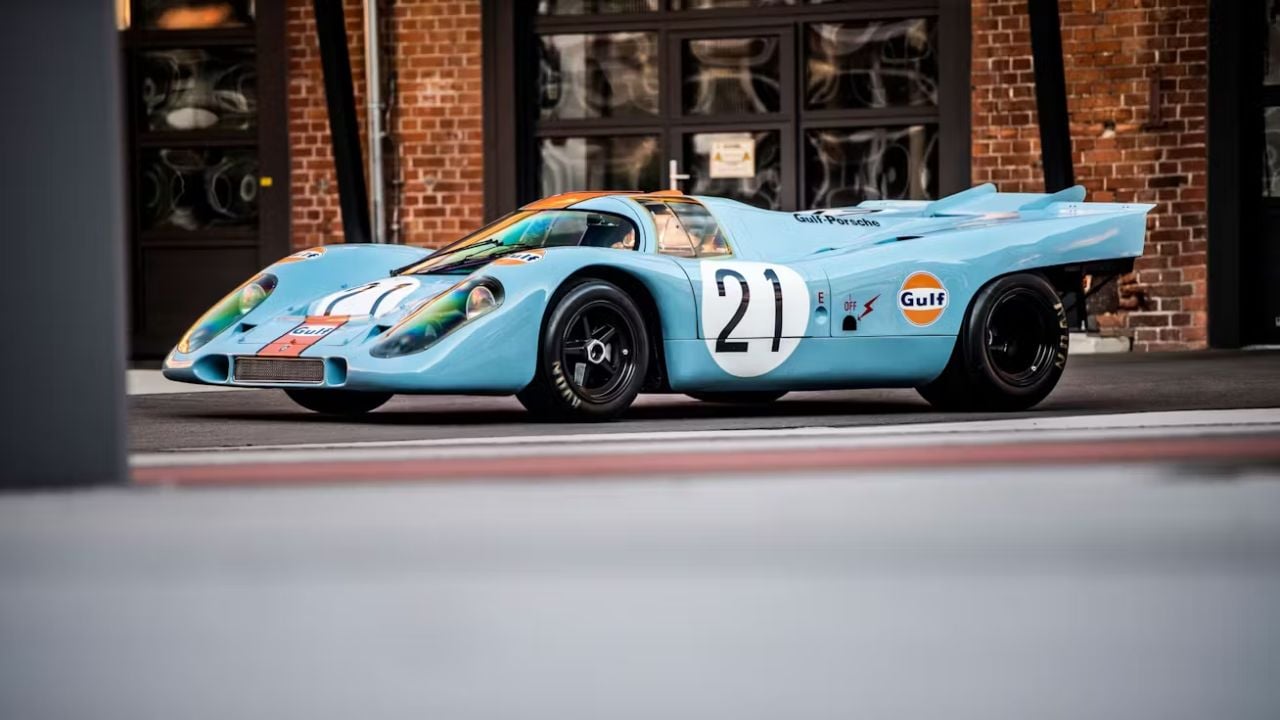
These 10 machines showcase the passion and innovation of carmakers looking to win gold by any means necessary. However, their initially ingenious inventions soon became the reason these incredible machines were banned from competing. Each one pushed boundaries so hard that officials had to redraw the boundaries entirely, proving that sometimes the most successful cars are the ones that get kicked out of their own party.
Their bans weren’t failures; they were graduations. These cars had learned lessons that the sport wasn’t ready to teach, developed solutions to problems that racing was still pretending didn’t exist. They forced evolution on a sport that sometimes prefers tradition, dragging racing into the future whether it wanted to go or not.
Every one of these banned beauties lives on in the collective memory of racing fans, their stories growing more legendary with each retelling. They remind us that the best innovations often come from people who read the rulebook as a suggestion rather than a commandment, and that sometimes the most important victories happen after the checkered flag falls.
In the end, you can ban a car, but you can’t ban the dream of building something so good that it rewrites the definition of good. That dream is what separates racing from transportation, and what keeps fans coming back long after the engines have cooled and the trophies have been handed out.
The next time you watch a race, remember these automotive outlaws. They’re the reason racing keeps moving forward, one controversial innovation at a time.