
There are race cars you admire from a distance, and then there are race cars that make your pulse jump the second you see them. The Lotus 99T is firmly in the second camp. I remember stepping up to one in person and feeling that bright yellow color pull me in like a stage light. Even at rest, it looks quick, like a sprinter coiled on the blocks, and you can almost hear the small turbo V6 clearing its throat somewhere inside the carbon shell.
This is the car that turned street circuits into a personal playground, and it did it with a piece of technology that felt like science fiction at the time: active suspension.
How Active Suspension and Honda Power Changed the Game

If you are new to the story, the 99T arrived for the 1987 Formula 1 season with two big changes for Team Lotus. First, Honda power. Lotus paired its sleek chassis with Honda’s turbocharged 1.5-liter V6, the same engine family that powered champions. Second, and even more daring, was the active suspension system. Instead of traditional springs and dampers alone, the car used sensors, hydraulic actuators, and a control brain to keep the car’s attitude steady.
Ride height stayed where the engineers wanted it, even over curbs and bumps that would normally send a car skipping sideways. The idea sounds simple now. In the mid-80s, it felt like someone had cracked a code.
Monaco and Detroit: When a Yellow Lotus Owned the Street
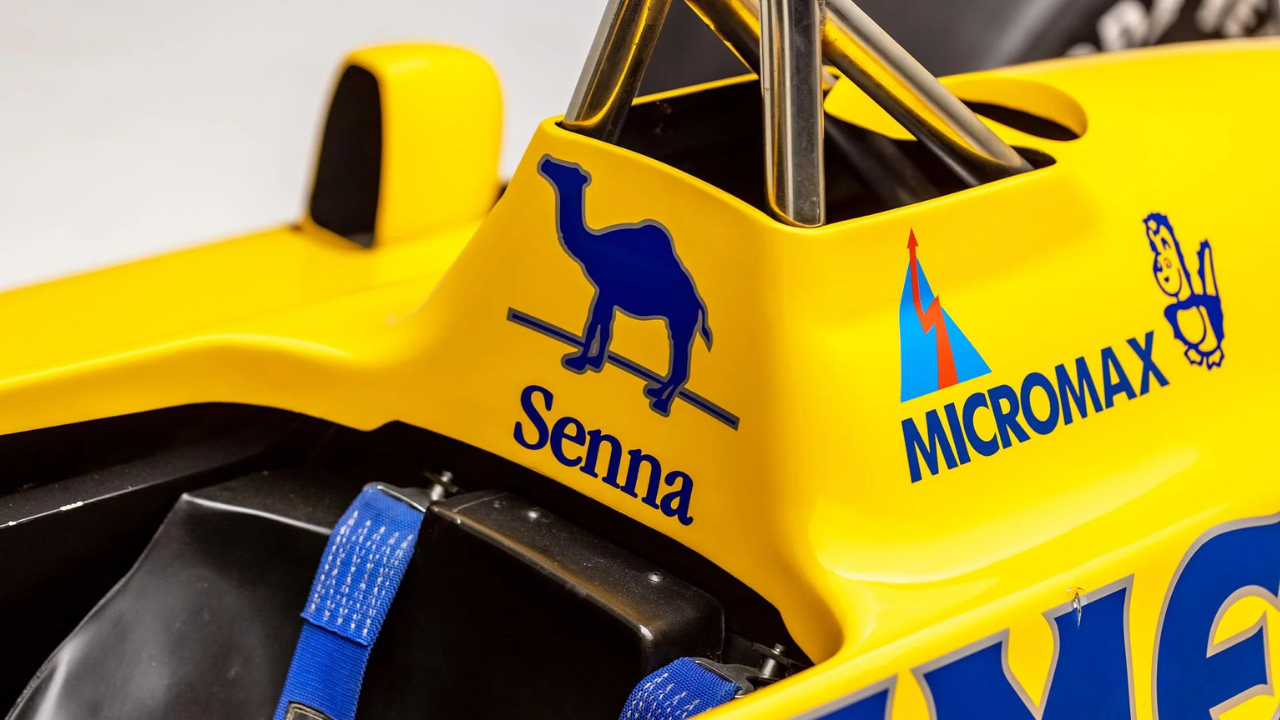
That code really paid off on bumpy, unforgiving city tracks. Monaco and Detroit could rattle a lesser car to pieces. Concrete patches, manhole covers, painted crosswalks, and sunken drain grates all conspire to trip up mechanical grip. The 99T glided over that mess with a calm that left rivals looking unsettled. Ayrton Senna did the rest. Watching him thread the 99T through the tunnel at Monaco is still a masterclass in rhythm and nerve. He did not fight the car. He danced with it, turning in early, clipping the apex, and firing out as the active system kept the chassis flat and the tires in the happy zone. The scoreboard tells the truth here. Wins at Monaco and Detroit stamped the 99T’s passport as a street-circuit specialist.
What I love most is how the 99T mixes art and engineering. The shape still looks modern. A low nose, tidy sidepods, a tidy engine cover, and a narrow waist around the monocoque give the whole car an athletic stance. The graphics are pure late-80s, a time capsule that you can read across a room, yet the surface language is clean enough to let the technology shine through. Walk around the car, and the details pop. You notice the pushrods disappearing into the tub, where the active hardware is hidden. You notice the compact packaging of the turbo and plumbing. You notice the cockpit, tight and purposeful, with just enough real estate for Senna to work his hands and feet while the hydraulics take care of the heavy lifting under him.
Active suspension was not a magic carpet. Engineers still had to map responses, set targets, and balance the car so the driver could trust it. When tuned right, it delivered that rare feeling of a car that seems to float over broken pavement while staying glued in the corners. That confidence is everything on a street track, where the walls lean in and the braking zones shift as the surface changes. The 99T did not erase bumps. It turned them into background noise. That is the difference between a lap that looks tidy and a lap that breaks a race open.
Why the 99T Still Matters: Art, Engineering, and Legacy
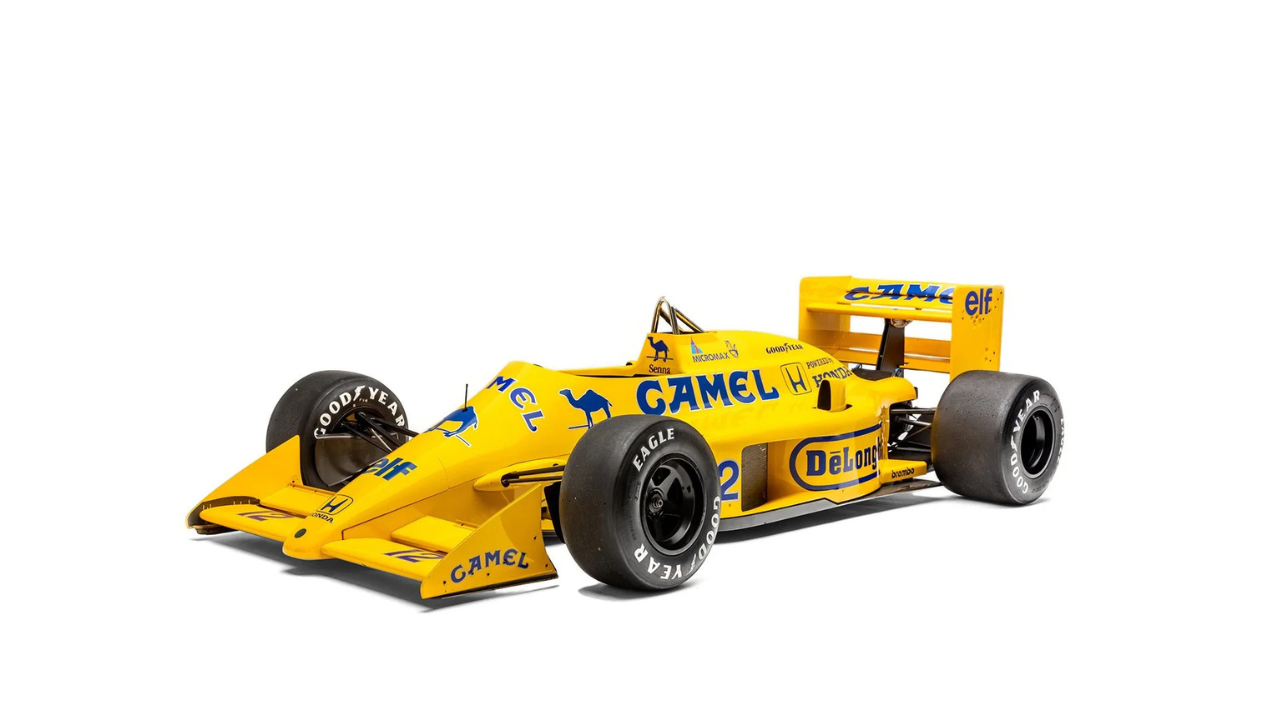
There is context here that makes the 99T special. Lotus had pioneered ideas that other teams would refine in the years to come. Williams built world-beaters with active ride in the early 90s, but Lotus carried the torch when the idea felt risky and expensive. The 99T shows a team still willing to push into new territory, even while the competition grew richer and more conservative. Pair that spirit with a young Senna whose precision bordered on superhuman, and you get a season that sticks in memory. This was one of Lotus’s last great winners in Formula 1, and it carries the weight of that history with the lightness of a car that still wants to dance.
Seeing the 99T in a museum adds another layer of significance. You can stand close enough to read the tiny fasteners and the safety wiring. You notice the way the light falls on the bodywork, making the curves glow. You picture the car sitting on the pre-grid, fuel warm, brakes hot, tires swaddled in blankets, while the engineers check one more set of numbers on their laptops. You imagine the moment the engine fires and the whole chassis quivers like a held breath. All that theater, and yet the genius of the car lives under the skin where most visitors never look. That is so Lotus it hurts. Form serving function, function serving speed.
As a Lotus enthusiast, I also appreciate how the 99T connects eras. Earlier, Lotus was a master of simplicity and lightness. Later, Lotus leaned into innovation with electronics and materials that would become standard practice. The 99T sits right in the middle. It is light and elegant, yet also brave enough to let a computer lend a hand. That balance feels like the brand at its best. Clever, beautiful, and just a little bit cheeky.
The legacy is bigger than two wins and a highlight reel. The 99T helped make active systems thinkable on race cars and gave engineers a tool to chase consistency over a lap. It strengthened the bond between a driver and a chassis by allowing the car to do more of the work over imperfect surfaces. It gave us images that never get old, like a yellow car threading the guardrails of Monaco while the crowd leans out over balconies to watch the show. Most of all, it proved that courage in the design office and courage in the cockpit can meet in one machine and create something unforgettable.
That is why the 99T still pulls people in at a glance. It looks fast. It was fast. It took on the roughest tracks with a calmness born of smart engineering, and it allowed a once-in-a-generation driver to write his name on two street circuits that demand respect. For anyone who loves Lotus, the 99T is a reminder that innovation and heart can live in the same car. It is not just an exhibit. It is a promise that clever ideas and brave driving will always find a stage.