
Some own the skies. Others slip through them unseen. But every aircraft in this list has one thing in common: they’ve redefined what’s possible when metal meets mission.
From the thunder of the F-15 to the silent glide of the U-2, American military aircraft have shaped the battlefield, broken records, and saved lives. Some are built for speed. Others for stealth. All of them are built to win.
How We Chose These Aircraft
This list highlights aircraft that made a major impact — technologically, historically, or strategically. We looked for innovation, legacy, and real-world effectiveness across combat, transport, recon, and support roles. Some are icons. Some are under-the-radar legends. All are unforgettable.
F-22 Raptor
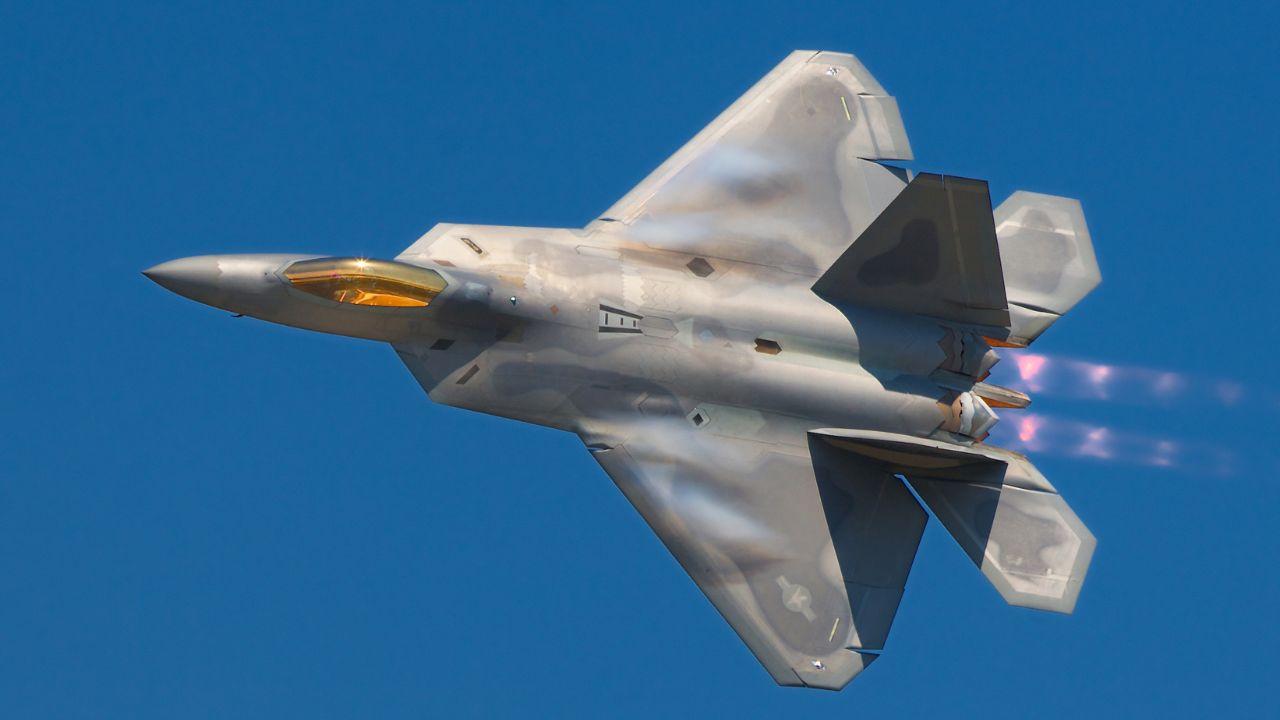
Stealthy, blisteringly fast, and razor-sharp in the sky, the F-22 Raptor was built to win wars before they start. Designed with radar-evading stealth, thrust-vectoring engines, and next-gen avionics, it can outclimb, outturn, and outthink anything in its path. Pilots don’t just fly the Raptor — they command the skies with it.
It’s so advanced, it’s almost unfair. In most encounters, the enemy never even knows it’s there. That’s the point. The F-22 doesn’t need to fight often—because when it shows up, the fight’s already over.
SR-71 Blackbird

Built for high-altitude reconnaissance at speeds exceeding Mach 3, the SR-71 soared above threats, snapping photos from the edge of space. Its sleek, titanium body stretched from the heat of its own velocity, and it could outrun any missile ever fired at it. No weapons, and almost no traditional defenses — just raw speed, extreme altitude, and electronic countermeasures to keep it safe.
It didn’t need to fight. It just needed to know. The Blackbird wasn’t just ahead of its time — it’s still ahead of our time.
A-10 Thunderbolt II (Warthog)
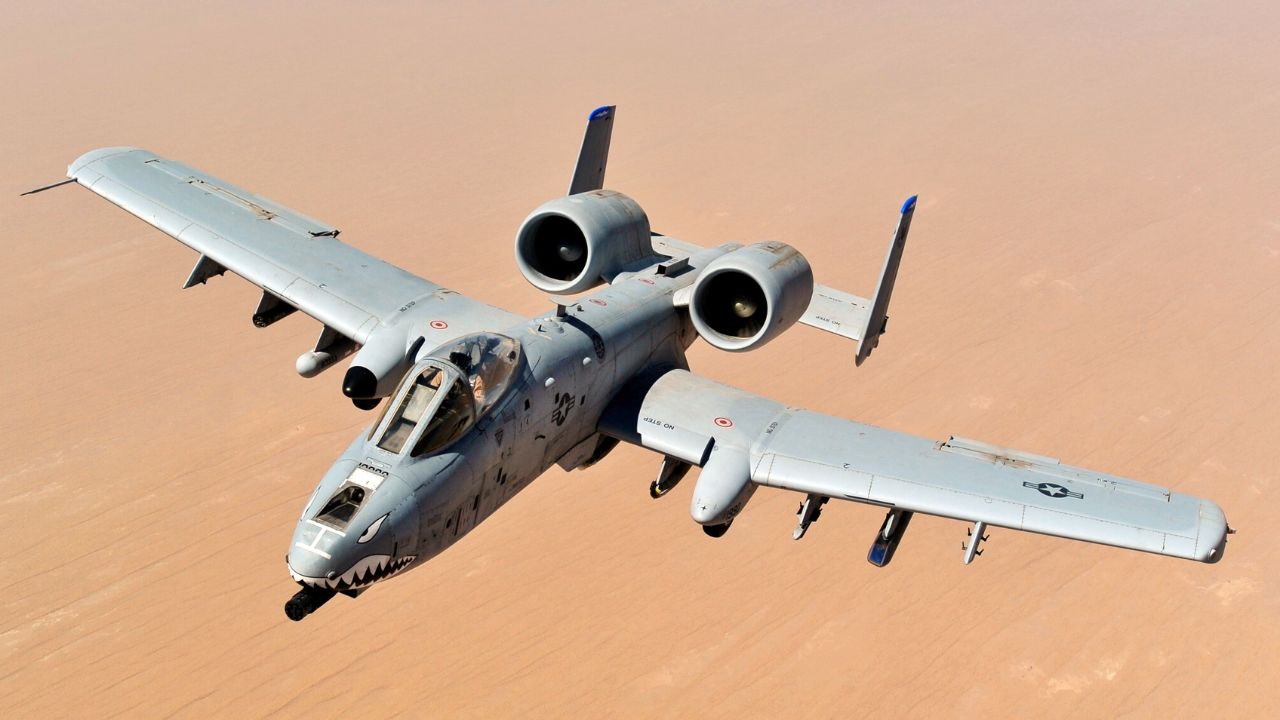
Designed around its massive GAU-8 Avenger rotary cannon, the A-10 is built to get in low, hit hard, and come back in one piece. It can loiter over the battlefield, support ground troops with pinpoint accuracy, and shrug off serious damage thanks to its armored cockpit and redundant systems.
It may not win beauty contests, but in a firefight, it’s the jet you want overhead. Rugged, relentless, and ridiculously effective—when the A-10 growls, enemies run.
F-14 Tomcat

The F-14 earned pop culture fame in Top Gun, but its real-life performance was even more impressive. Equipped with variable-geometry wings that adjusted mid-flight for speed or agility, it was a carrier-based interceptor designed to protect fleets at long range.
Armed with long-range Phoenix missiles and powerful radar, it could engage multiple targets before they even saw it coming. From Cold War standoffs to Gulf War missions, the Tomcat was the Navy’s high-flying guardian—and one of the most iconic fighters ever built.
C-130 Hercules

The C-130 has been flying since the 1950s, and it’s still going strong. Its rugged design, short takeoff and landing capability, and ability to operate on dirt runways make it invaluable for missions in war zones, disaster zones, and anywhere else roads don’t go.
It’s been a troop transport, flying hospital, cargo hauler, gunship (as the AC-130), and hurricane hunter. Few aircraft have done as much for as long. When the world needs help, the Hercules is often the first to arrive and the last to leave.
F-15 Eagle

With an undefeated air-to-air combat record, the F-15 Eagle has earned its legendary status. Introduced in the 1970s, it was designed with one mission in mind: air superiority. And it delivered. With blistering speed approaching Mach 2.5, a powerful radar, and the ability to carry a full load of missiles, it dominates both long-range engagements and close-in dogfights.
Its reputation isn’t just hype; it’s backed by decades of real-world performance. Pilots trust the Eagle to get them into the fight and bring them back out on top. In the world of air combat, it’s the gold standard.
B-2 Spirit
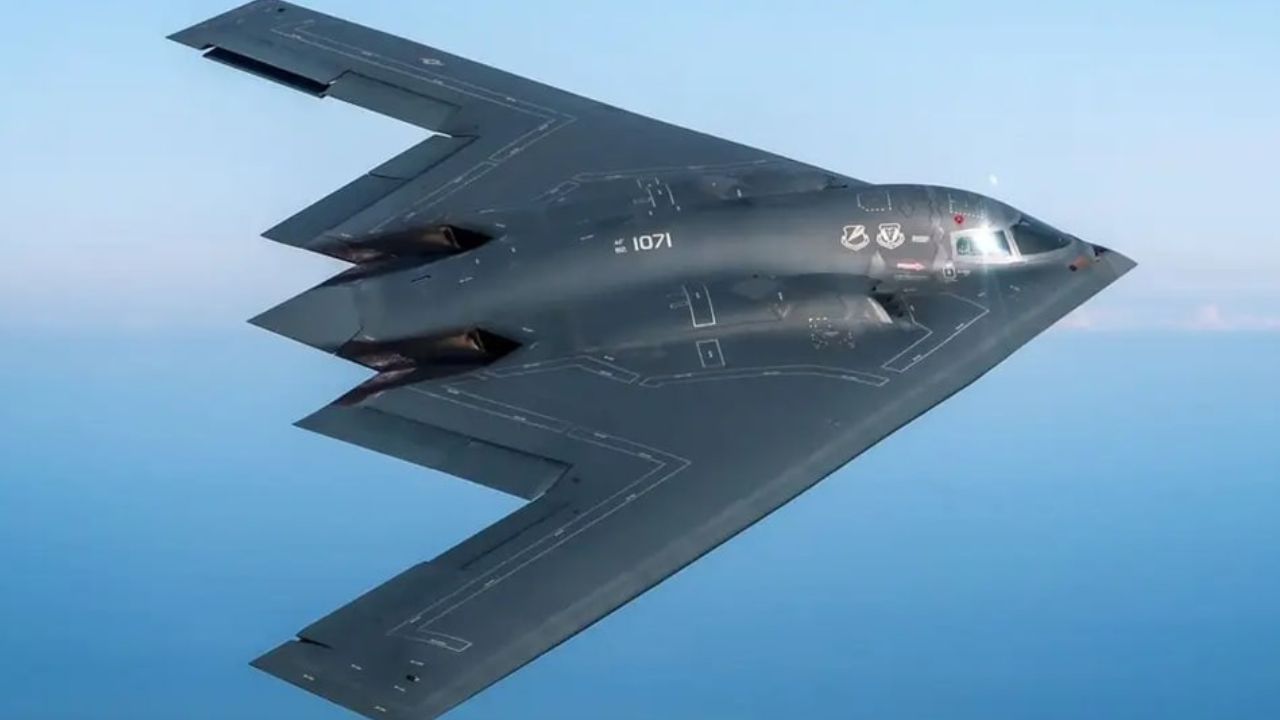
With its sleek flying wing design and radar-evading skin, the B-2 Spirit is the pinnacle of stealth technology. It was built to go where no other bomber could—deep into defended airspace—and deliver precision strikes without alerting enemy defenses. It doesn’t just avoid detection; it redefines what “invisible” means in modern warfare.
Capable of carrying both conventional and nuclear payloads, the B-2 isn’t just about stealth—it’s about strategic reach. With intercontinental range and pinpoint accuracy, it gives commanders the ability to strike globally, quietly, and with devastating precision.
F-16 Fighting Falcon
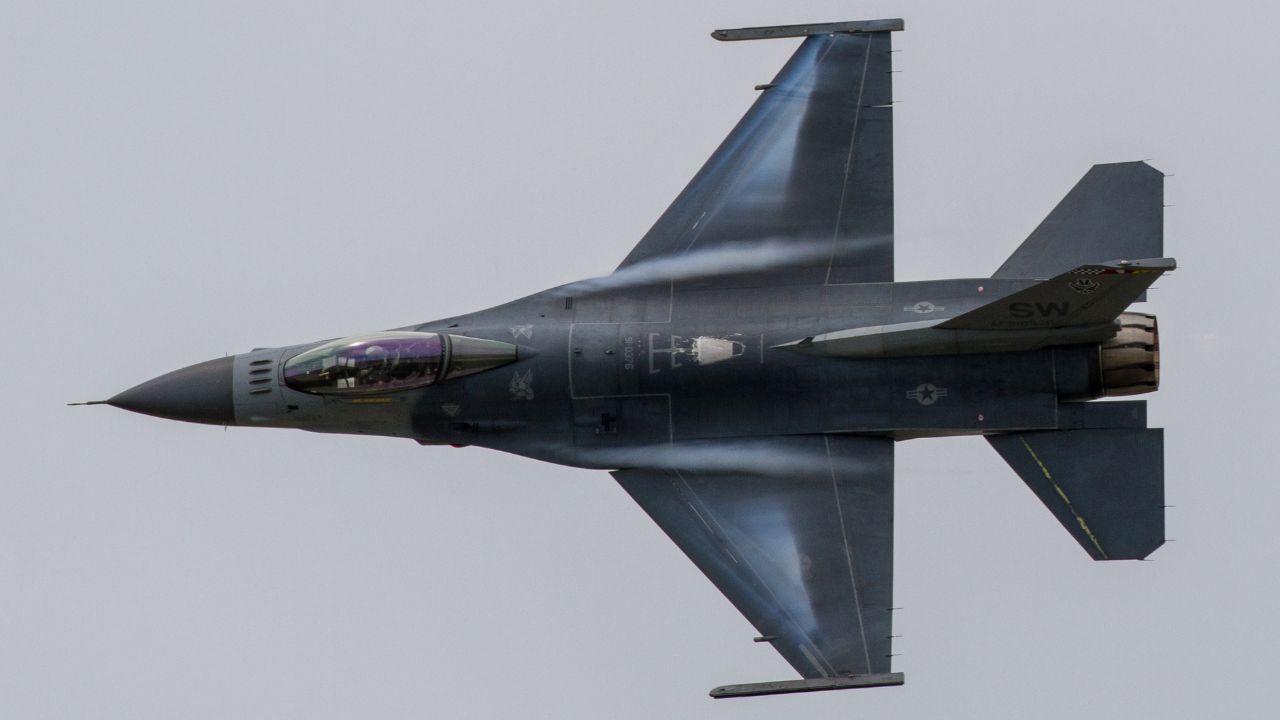
Introduced in the late 1970s, the F-16 Fighting Falcon quickly became one of the most successful combat aircraft ever built. Its frameless bubble canopy offers unmatched visibility, while its fly-by-wire controls and aerodynamic design give it razor-sharp agility in a fight. It’s fast, fierce, and flexible—just what you need in unpredictable airspace.
What sets the F-16 apart is its adaptability. From dogfights to bombing runs, from close air support to surveillance, this jet handles it all with ease. It’s battle-tested, budget-friendly, and beloved by pilots around the world—proof that you don’t have to be the biggest to be the best.
U-2 Dragon Lady
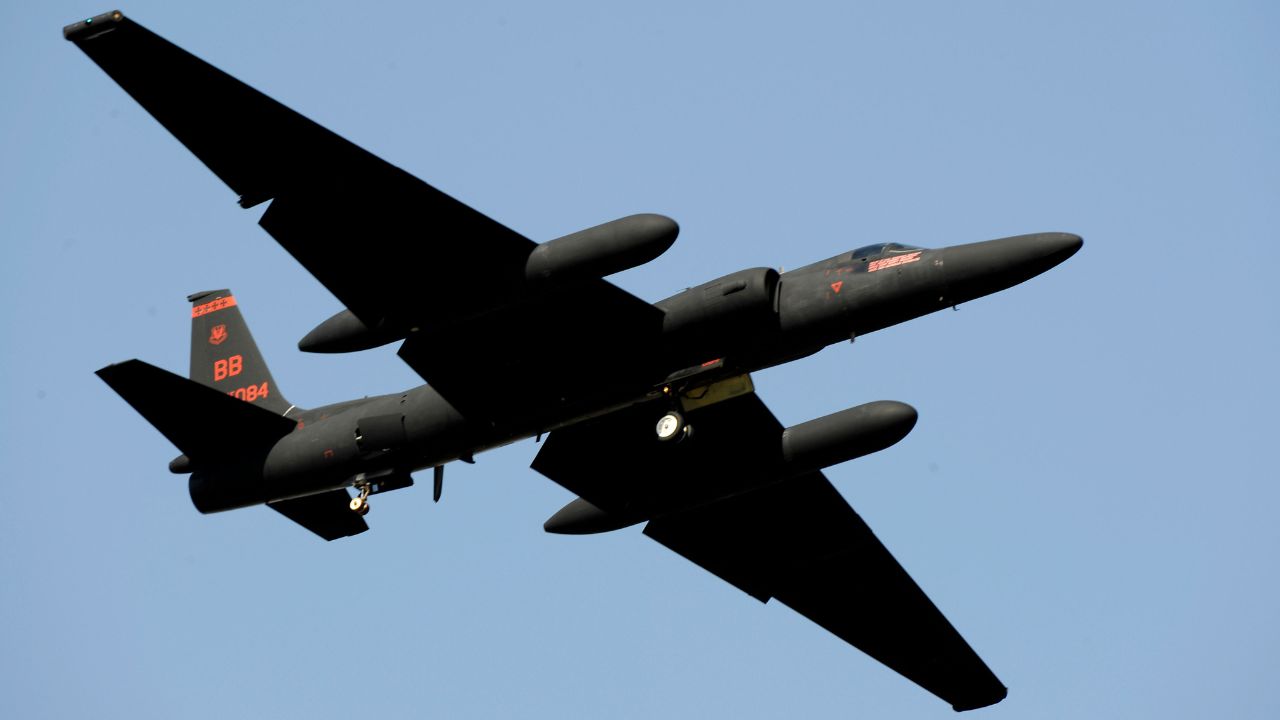
Don’t let her age fool you: the U-2 is still one of the most effective reconnaissance platforms ever built. First taking flight in the 1950s, this high-altitude spy plane was designed to fly above enemy radar and snap photos that could change the course of history. Its long, slender wings and lightweight frame allow it to cruise at altitudes over 70,000 feet — well above commercial air traffic and most missile threats.
Flying the U-2 is no small feat. Pilots wear pressure suits like astronauts, and landings require help from a chase car. But the payoff is unmatched visibility from the edge of space. Whether it’s tracking troop movements or natural disasters, the Dragon Lady delivers eyes in the sky where satellites can’t.
B-52 Stratofortress

Born in the early days of the Cold War, the B-52 was built to carry nuclear payloads deep into enemy territory—and more than 70 years later, it’s still flying high. With eight engines, a massive wingspan, and the ability to fly over 8,000 miles without refueling, the Stratofortress is a symbol of long-range power and endurance.
What makes it remarkable isn’t just its size or payload—it’s its adaptability. The B-52 has been continuously upgraded with modern avionics, precision weapons, and electronic warfare systems, keeping it relevant across generations. It’s flown in every major conflict from Vietnam to the Middle East and will likely stay in service into the 2050s. When it comes to strategic airpower, the B-52 doesn’t just make history—it outlasts it.
V-22 Osprey
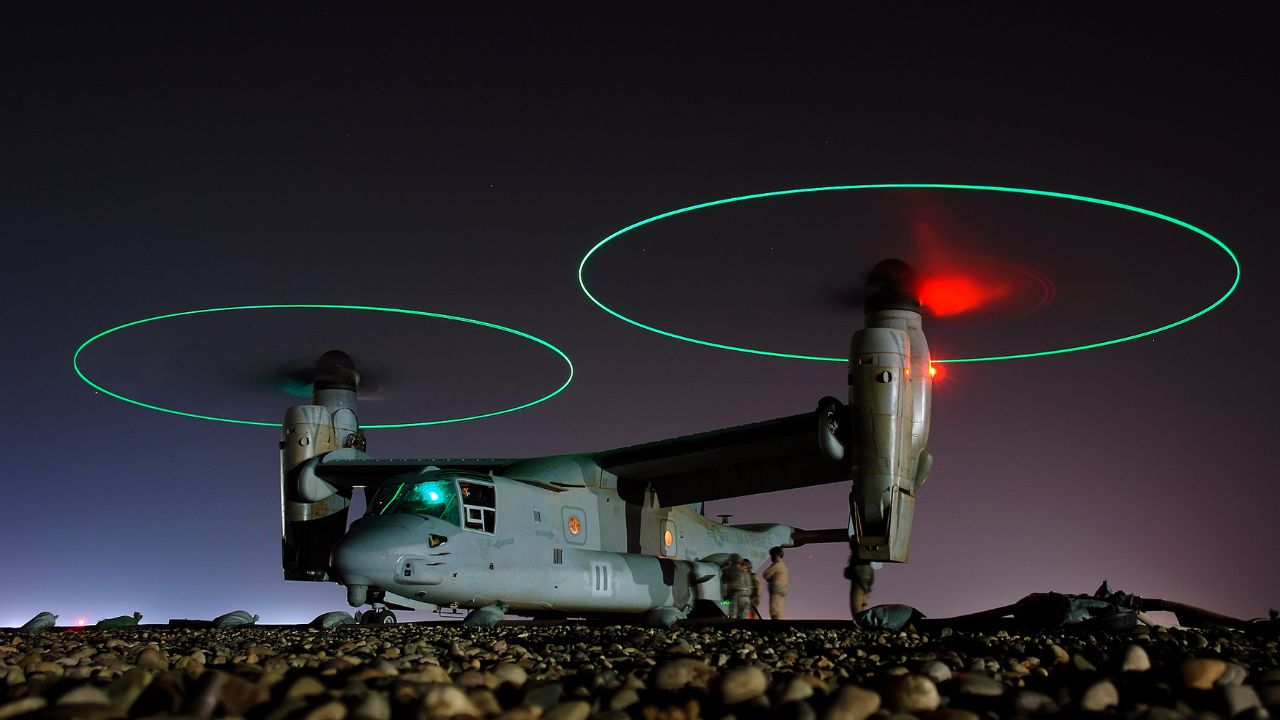
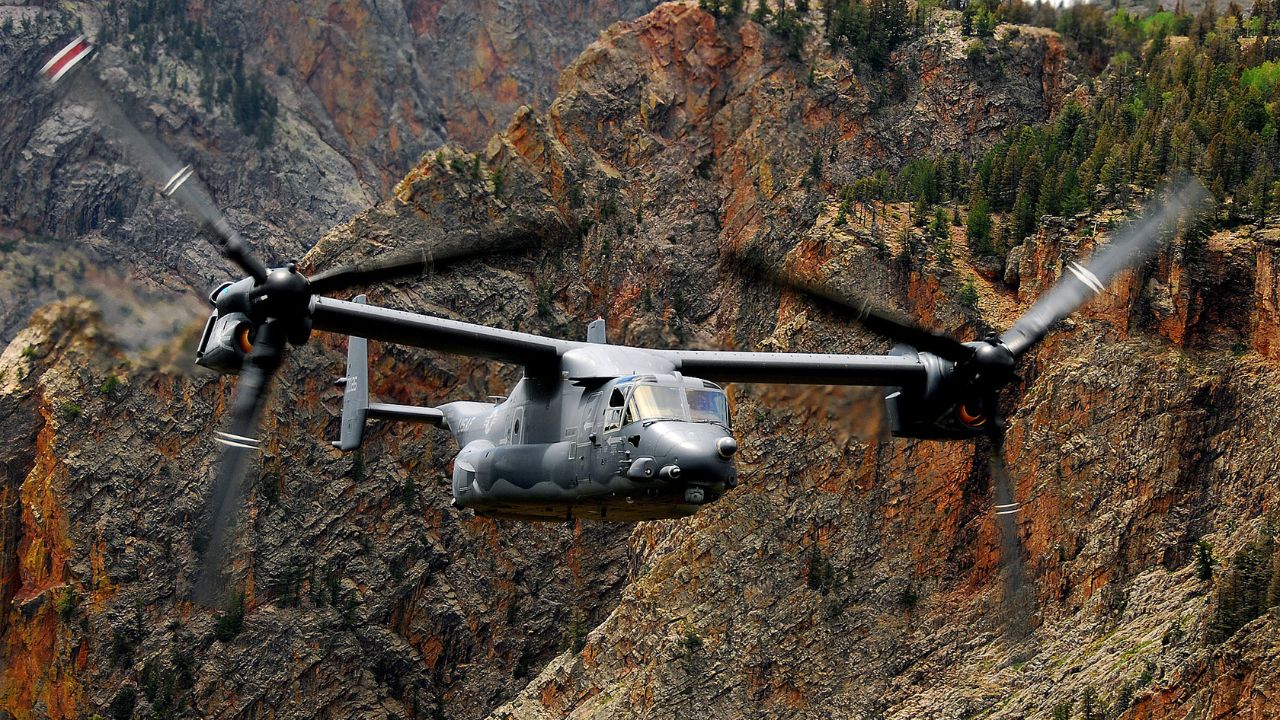
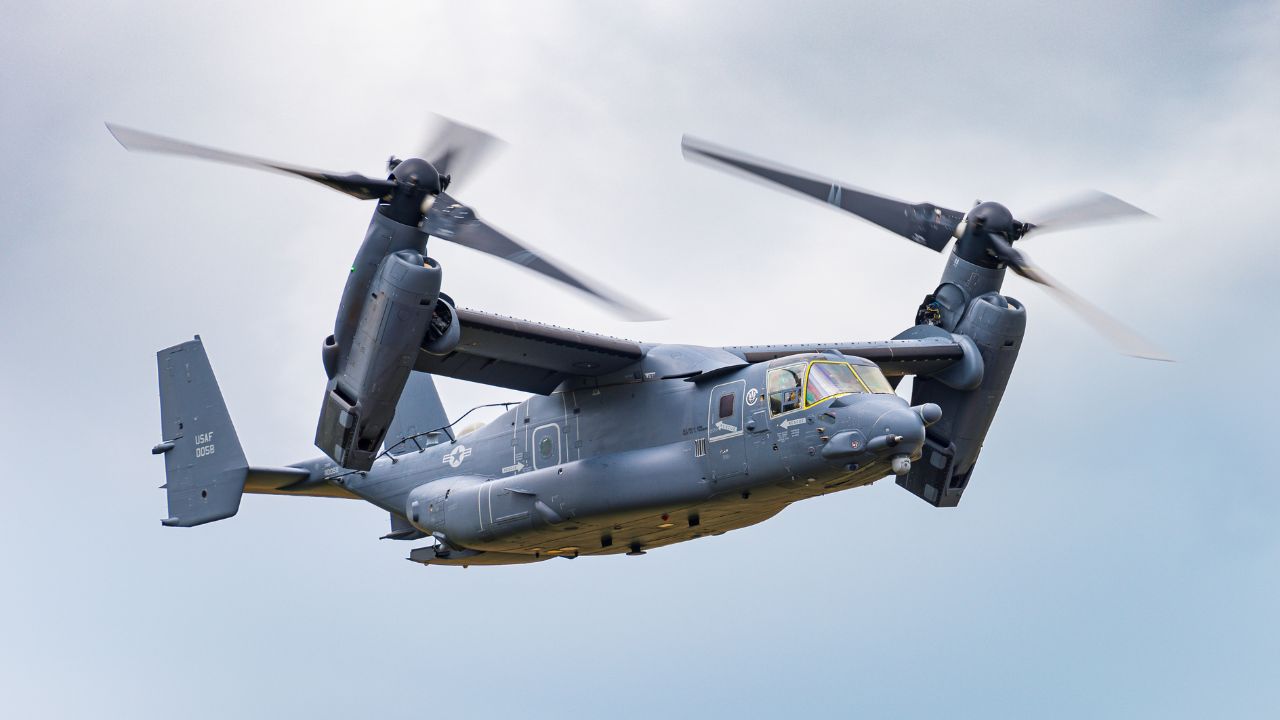
The V-22 Osprey rewrote the rules of military aviation with its unique tiltrotor design. It can take off and land like a helicopter, then rotate its engines forward and fly like a turboprop plane, combining vertical lift with the speed and range of fixed-wing aircraft. That makes it perfect for missions that demand flexibility, like troop transport, medevac, and special ops insertions in hard-to-reach places.
Used by the Marines, Air Force, and Navy, the Osprey fills a gap that no other aircraft could. Whether landing on a ship, dodging small arms fire, or delivering a quick reaction force to a mountaintop, the V-22 brings speed, reach, and versatility to the modern battlefield.
F-35 Lightning II

The F-35 isn’t just a jet—it’s a flying command center. Designed with stealth in mind, it can slip past radar, collect vast amounts of intel, and share that data in real time with other forces. Its advanced sensors, helmet-mounted display, and low observable profile make it one of the most formidable multirole fighters in service today.
Available in three variants for the Air Force (F-35A), Navy (F-35C), and Marines (F-35B), the Lightning II brings next-gen capability to nearly every corner of the U.S. military. Whether it’s engaging enemy aircraft, conducting close air support, or operating from an aircraft carrier, the F-35 is built to adapt, survive, and dominate.
C-17 Globemaster III
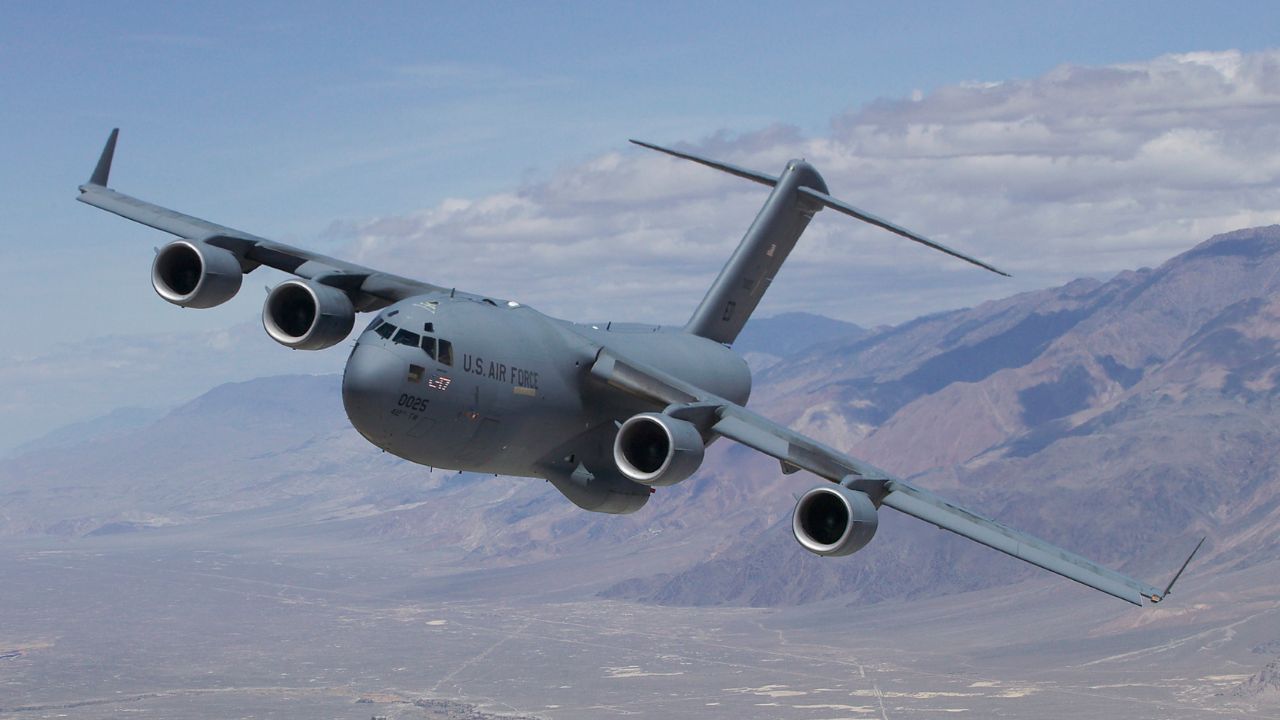
The C-17 is the muscle of modern military logistics, able to transport massive loads—like tanks, troops, or humanitarian supplies—across continents in a single flight. But what makes it stand out isn’t just its size; it’s the precision. This giant can land on short, rough airstrips and maneuver like an aircraft half its size.
Whether it’s dropping paratroopers into combat zones or delivering aid after natural disasters, the C-17 shines in missions where speed, scale, and flexibility matter most. It’s not just a transport—it’s a global lifeline with wings.
AH-64 Apache

Armed to the teeth with Hellfire missiles, Hydra rockets, and a 30mm chain gun that tracks with the pilot’s helmet, the Apache is the ultimate aerial predator. It’s built to survive—able to keep flying even after sustaining heavy damage—and designed to strike fast, hard, and with surgical precision.
Since the 1980s, it’s been the go-to gunship for missions where ground troops need backup that shows up fast and hits even faster. From urban warfare to desert showdowns, the Apache doesn’t just fly—it hunts.
KC-135 Stratotanker
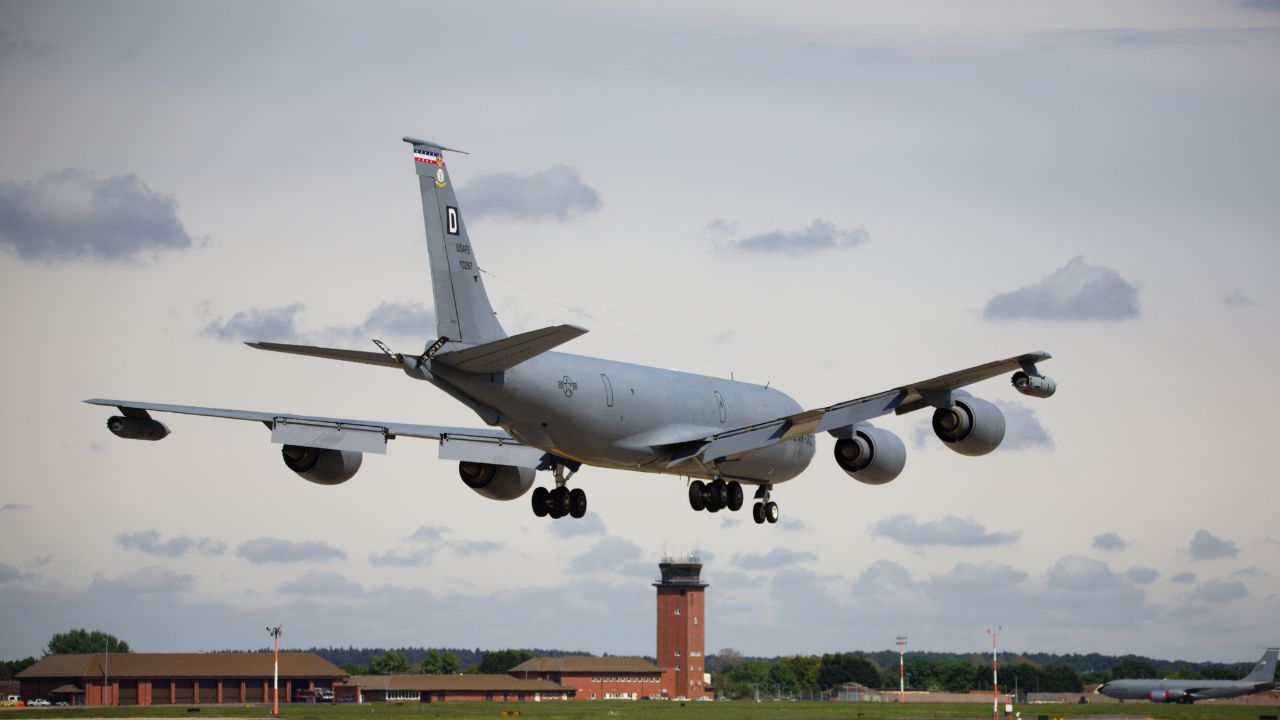
Since 1957, the KC-135 has kept the U.S. military flying farther, longer, and faster by delivering fuel where it’s needed most—midair, at 30,000 feet, traveling hundreds of miles an hour. This aerial refueling tanker has supported every major conflict from the Cold War to today, enabling missions that would otherwise be impossible.
It’s not flashy, but it’s vital. Without it, fighters and bombers would be limited by fuel tanks. With it, they’re global. The KC-135 is the force multiplier you don’t see coming—until you realize it’s the reason everything else can keep going.
CH-47 Chinook
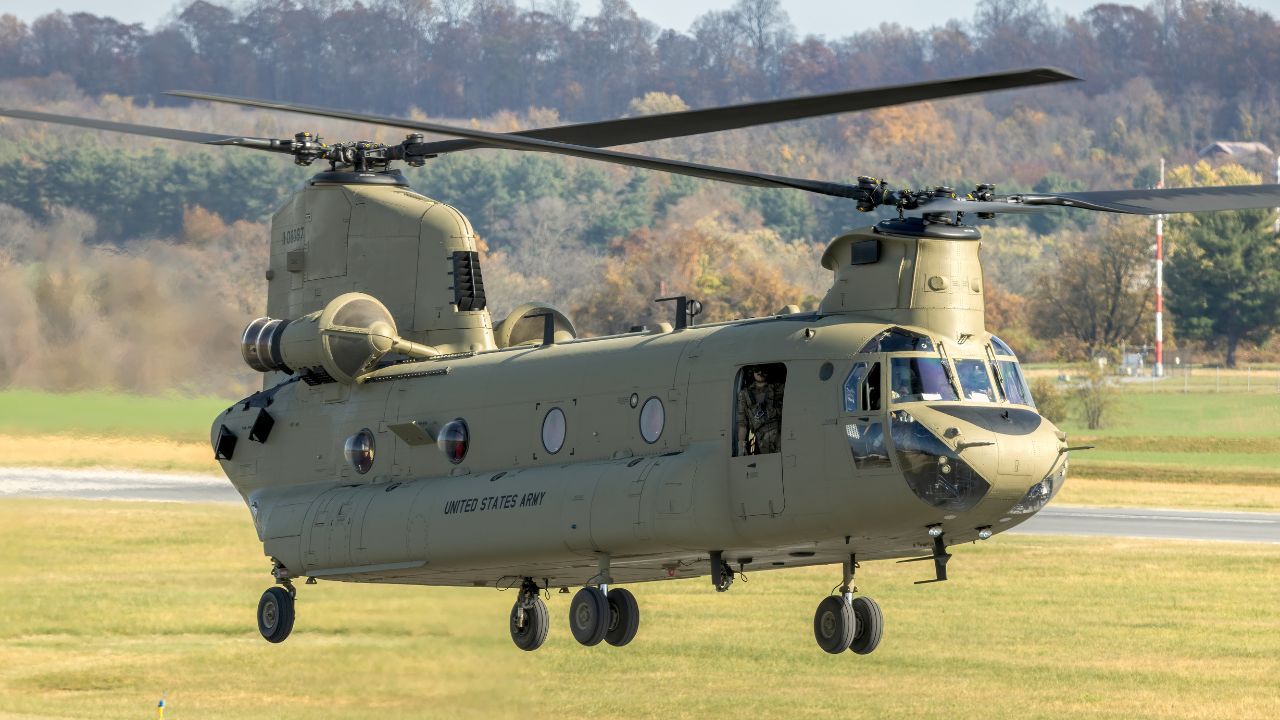
With its twin rotors and massive lift capacity, the CH-47 Chinook is the backbone of battlefield logistics. It can haul troops, supplies, artillery, and even other helicopters through high altitudes and tight mountain passes—all while taking a beating and staying airborne.
From Vietnam to modern-day conflicts, the Chinook has proven itself as one of the most versatile and durable helicopters in the world. Whether dropping into remote outposts or pulling off daring extractions, it’s the go-to bird when strength, speed, and stability matter most.
Final Approach
From silent spies to supersonic screamers, America’s military aircraft have reshaped the skies and redefined what’s possible. These machines pushed the limits of engineering, carried out missions no one else could, and changed the course of history from thousands of feet in the air. Each one tells a story of innovation, resilience, and precision, earning its place not just in the sky but in the legacy of airpower.