There’s something magical about a car that feels perfectly balanced. When the weight is distributed evenly between the front and rear axles, you get a vehicle that turns, brakes, and accelerates with a kind of graceful precision that’s hard to describe until you’ve experienced it.
While most cars are nose-heavy to accommodate front-wheel-drive layouts, a select few achieve that coveted 50/50 split, and the difference is immediately noticeable on a twisty road. In practice, many of these cars are near 50/50 or engineered for balance, and exact front/rear percentages can vary by trim, transmission, and equipment.
Mazda MX-5 Miata

The Miata has been the poster child for affordable driving pleasure since 1989, and its near-perfect weight distribution is a big reason why. At around 2,300-2,400 pounds with a 50/50 balance, it dances through corners with an eagerness that makes every drive feel like an event.
You don’t need a lot of power when the car is this well-sorted: the current model’s 181 horsepower feels like more than enough.
BMW M2

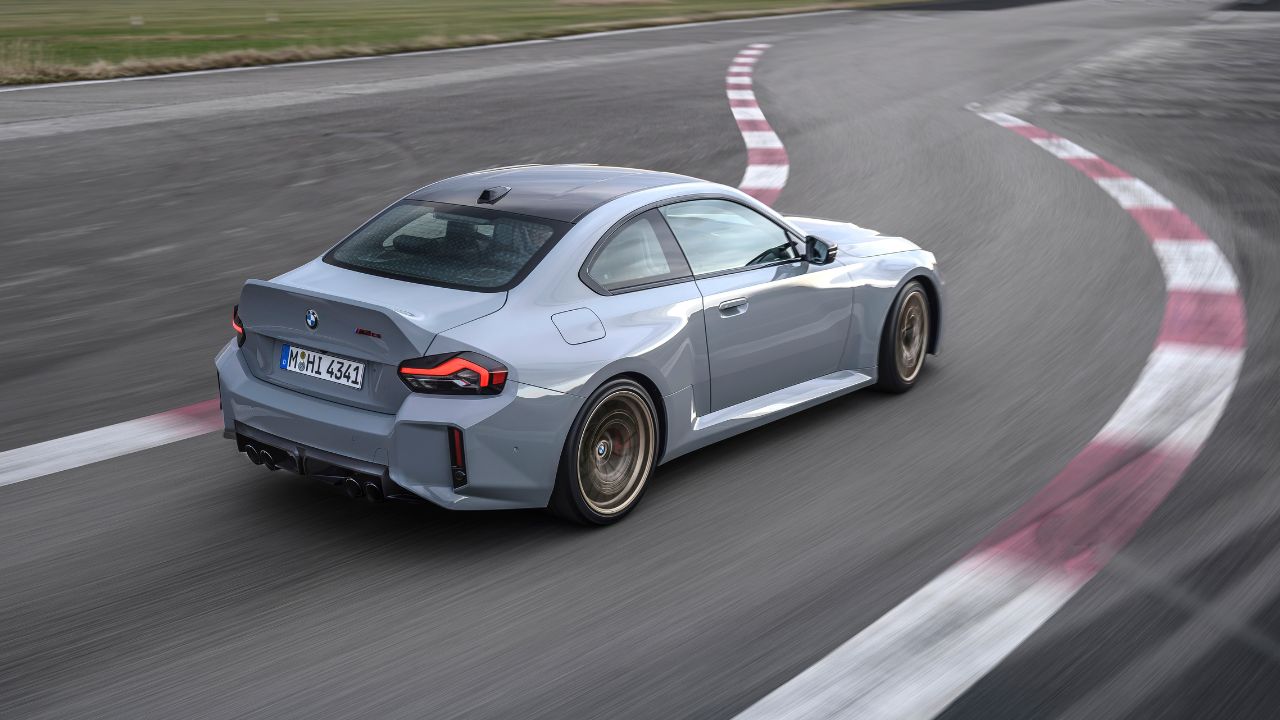
BMW has built its reputation on balanced chassis dynamics, and the M2 represents the sweet spot in their lineup. With its inline-six mounted behind the front axle and a driver-focused layout, it achieves that perfect equilibrium while still packing 453 horsepower (2023–2024), with 473 horsepower for 2025.
The compact dimensions mean you’re rotating around a tight center point, making it feel nimble despite weighing around 3,800 pounds.
Porsche 718 Cayman

Moving the engine to the middle of the car, right behind the driver, gives the Cayman an inherent advantage in the balance department. The weight sits low and centered, which means the car pivots around you in a way that feels almost telepathic.
Starting at around $77,000, it’s not cheap, but the chassis communication and cornering poise justify every penny for driving enthusiasts.
Honda S2000

Though production ended in 2009, the S2000 remains a benchmark for what a front-engine sports car should feel like. Honda achieved perfect balance by mounting the high-revving four-cylinder engine entirely behind the front axle line and pairing it with a rear-wheel-drive layout.
The 9,000 rpm redline gets all the attention, but it’s the neutral handling that makes this car legendary on a canyon road.
Chevrolet Corvette C8

The mid-engine revolution came to America’s sports car with the C8, and the weight distribution benefits are immediately apparent. With the V8 sitting just ahead of the rear axle, Chevy achieved a rear-biased but highly effective balance that transforms how the Corvette drives compared to front-engine predecessors.
For about $70,000, you’re getting supercar dynamics with everyday usability that would’ve seemed impossible a decade ago.
Nissan 370Z

The last of the old-school Z cars carried on a tradition of front-engine, rear-drive balance that dates back decades. Nissan engineers obsessed over placing the 3.7-liter V6 as far back and as low as possible, which paid dividends in how the car rotates through corners.
While it may feel a bit dated compared to newer rivals, that fundamental balance never goes out of style. Nissan has cited a 53/47 static balance for the Z.
Toyota GR86 / Subaru BRZ
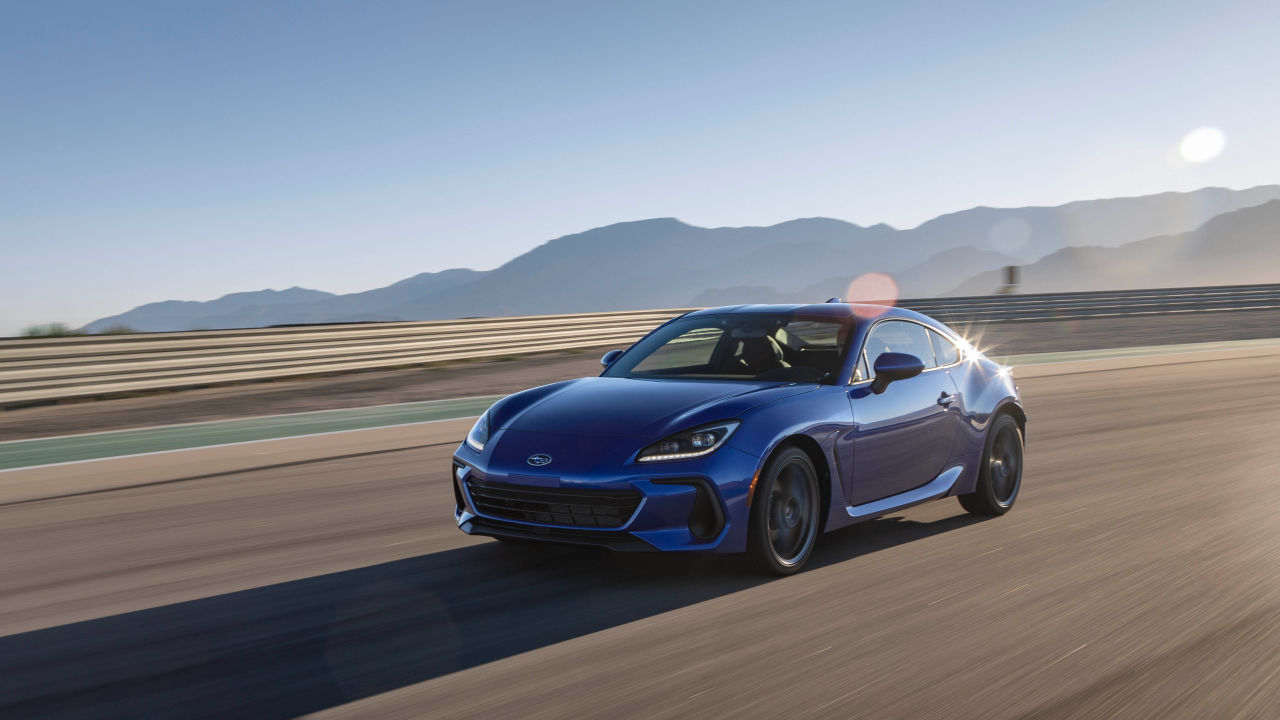
These twins prove you don’t need exotic engineering to achieve near-perfect balance, just thoughtful design and clear priorities. By mounting a flat-four engine low in the chassis and keeping weight to around 2,800 pounds, Toyota and Subaru created something that feels more expensive than its $30,000 starting price suggests.
The modest 228 horsepower means you can explore the handling without terrifying speeds.
Mercedes-AMG GT

This grand tourer takes a different approach to the 50/50 formula, using a long hood and a transaxle gearbox at the rear to optimize weight distribution. The result is a car that feels surprisingly agile despite its luxury pretensions and 4,000-pound curb weight.
When you’ve got 523 horsepower on tap, having that balance makes the difference between exciting and terrifying.
Lotus Evora

Lotus has always been fanatical about weight distribution, and the Evora shows what happens when you refuse to compromise. The mid-mounted V6 and lightweight construction create a car that weighs around 3,100 pounds and feels alive in your hands.
It’s not the most practical choice with limited production and a price tag around $100,000, but few cars deliver this level of feedback and engagement.
Ford Mustang (Performance Pack)
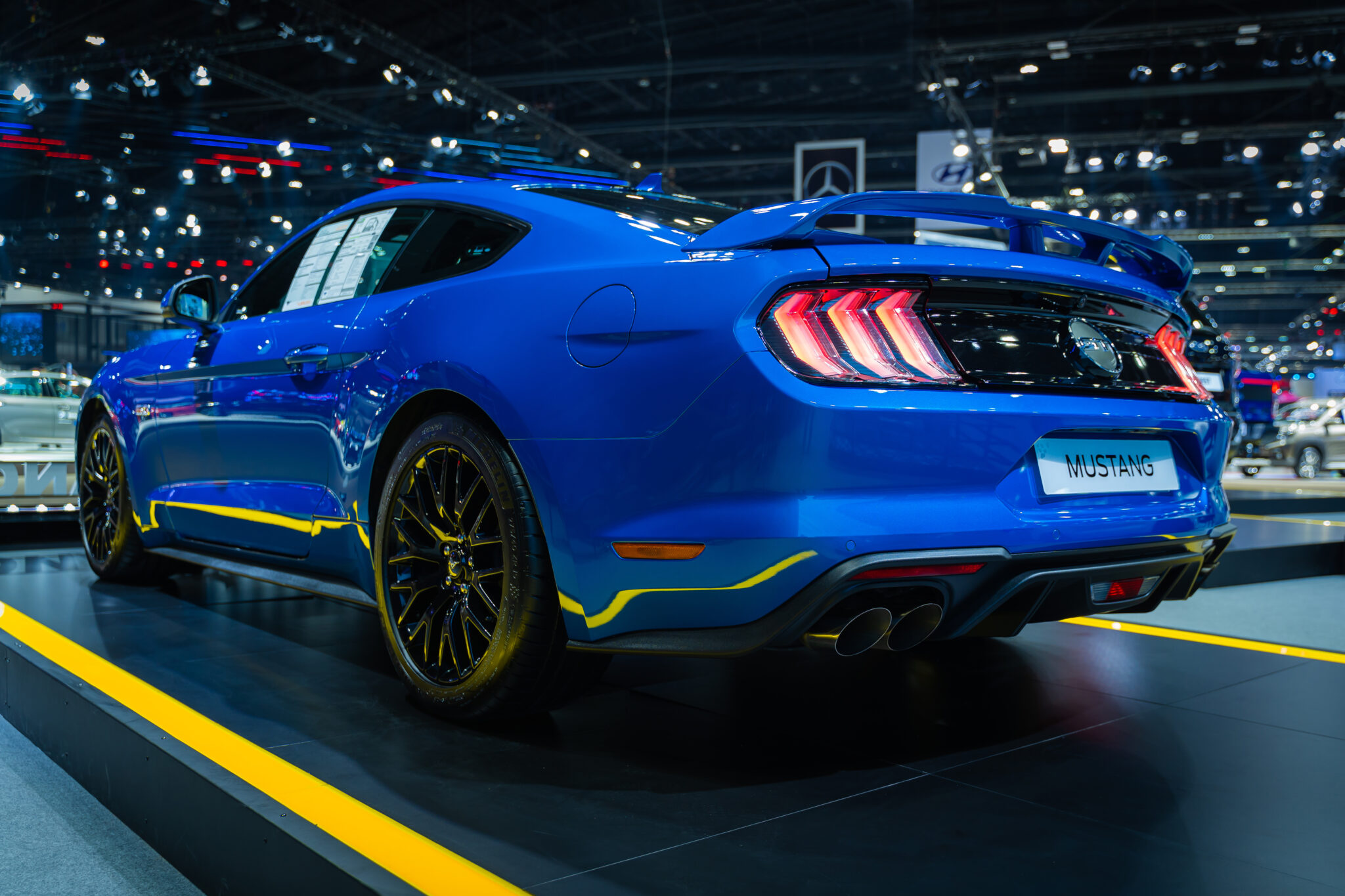
Yes, even the pony car can achieve proper balance with the right equipment. The Performance Pack includes a larger radiator mounted lower and further back, along with other tweaks that help move the car closer to a more balanced distribution.
It’s a reminder that achieving 50/50 isn’t about the car’s layout alone: it’s about sweating the details throughout the entire package.
Aston Martin Vantage

Aston Martin’s smallest sports car uses a front-mid-engine layout with the Mercedes-AMG-sourced V8 pushed back toward the firewall. This positioning, combined with the rear-mounted transmission, creates the balance that makes the Vantage feel more nimble than its near-4,000-pound weight suggests.
Starting around $195,000, it’s where British elegance meets German engineering precision.
Alfa Romeo 4C

The 4C takes the lightweight approach to its logical extreme with a carbon fiber tub and a tiny turbocharged four-cylinder behind the seats. At just 2,500 pounds with exceptionally well-centered mass, it’s one of the purest driving experiences you can have, though the lack of power steering and basic amenities won’t be for everyone.
Production ended in 2020, but used examples still command attention on enthusiast forums.
Conclusion
Perfect weight distribution isn’t just a number on a spec sheet: it’s something you feel every time you turn the steering wheel or brake into a corner. These cars prove that balance matters across every price point and performance level, from affordable roadsters to exotic supercars.
While horsepower figures and lap times dominate the conversation, that 50/50 split is often what separates a fast car from one that truly connects with its driver.