Let’s be honest: most classic cars are better admired than actually driven (sadly). Between finicky carburetors, questionable electrical systems, and parts that disappeared decades ago, many vintage rides are more suited for weekend cruises than Monday morning commutes.
But there are some genuine exceptions to this rule: cars that managed to blend classic charm with surprising reliability and comfort. These are the classics that won’t leave you stranded at the grocery store or require a mechanic on speed dial. They’re the ones that actually make sense as daily drivers, offering that vintage appeal without the constant headaches.
Here are nine classic cars that prove you can have your cake and drive it, too.
1993-1998 Toyota Supra (A80)

Toyota’s 2JZ-GE (naturally aspirated) and 2JZ-GTE (twin-turbo) inline-sixes are known for durability, with the turbo models especially famous for handling substantial power upgrades when properly built and tuned.
Unlike many sports cars from this era, the Supra offers actual comfort with supportive seats, decent storage space, and modern amenities like air conditioning that actually works.
1990-1997 Mazda Miata (NA)

The original Miata proved that simple engineering often equals reliable engineering. With their straightforward layout, quality Japanese build standards, and abundant aftermarket support, these cars regularly rack up 200,000+ miles with basic maintenance.
The lightweight design means less stress on components, while the rear-wheel-drive setup keeps things engaging without being intimidating for everyday driving.
1984-2001 Jeep Cherokee XJ

Before SUVs became luxurious living rooms on wheels, the Cherokee XJ was the do-everything vehicle that actually did everything well. The 4.0-liter straight-six engine is legendary for its longevity, often running well past 300,000 miles with minimal drama.
With genuine off-road capability, practical cargo space, and dead-simple mechanics, it’s the kind of vehicle that can handle both your daily commute and weekend adventures without missing a beat.
1975-1993 Volvo 240 Series

Volvo built the 240 series with Swedish practicality and safety obsession that resulted in cars lasting practically forever. Volvo’s simple and durable four-cylinder engines (including the later B230 in many models) and robust construction meant these cars often outlived their original owners, with many examples still running strong after decades of service.
The boxy design might not win beauty contests, but the spacious interior, excellent safety record, and parts availability make it a surprisingly sensible classic choice.
1992-1995 Honda Civic (EG/EH)
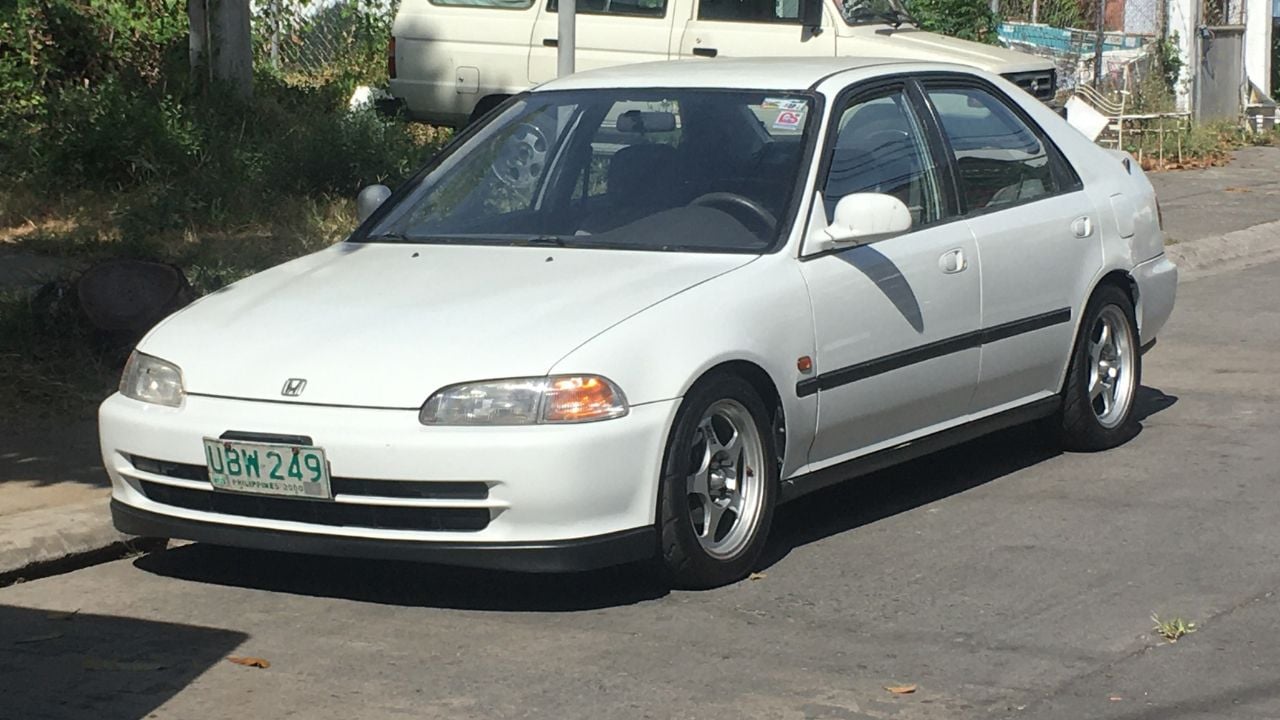
The fifth-generation Civic represented Honda at its peak, combining reliability with genuine driving enjoyment in an affordable package. Available VTEC-equipped engines from this era are both fuel-efficient and surprisingly entertaining, while the car’s light weight and precise handling make every drive feel special.
Parts are cheap and plentiful, and these cars respond beautifully to modifications if you want to personalize your daily driver.
1982-1992 Pontiac Firebird/Chevrolet Camaro (Third Generation)

While early F-bodies had their share of issues, the later third-generation cars with the 305 or 350 V8 engines proved surprisingly dependable. Fuel-injected setups such as TPI (Tuned Port Injection) solved many of the carburetor headaches of earlier muscle cars while still delivering that classic V8 sound and performance.
These cars offer a genuine classic American muscle car experience with fuel injection reliability that makes them actually usable for regular driving.
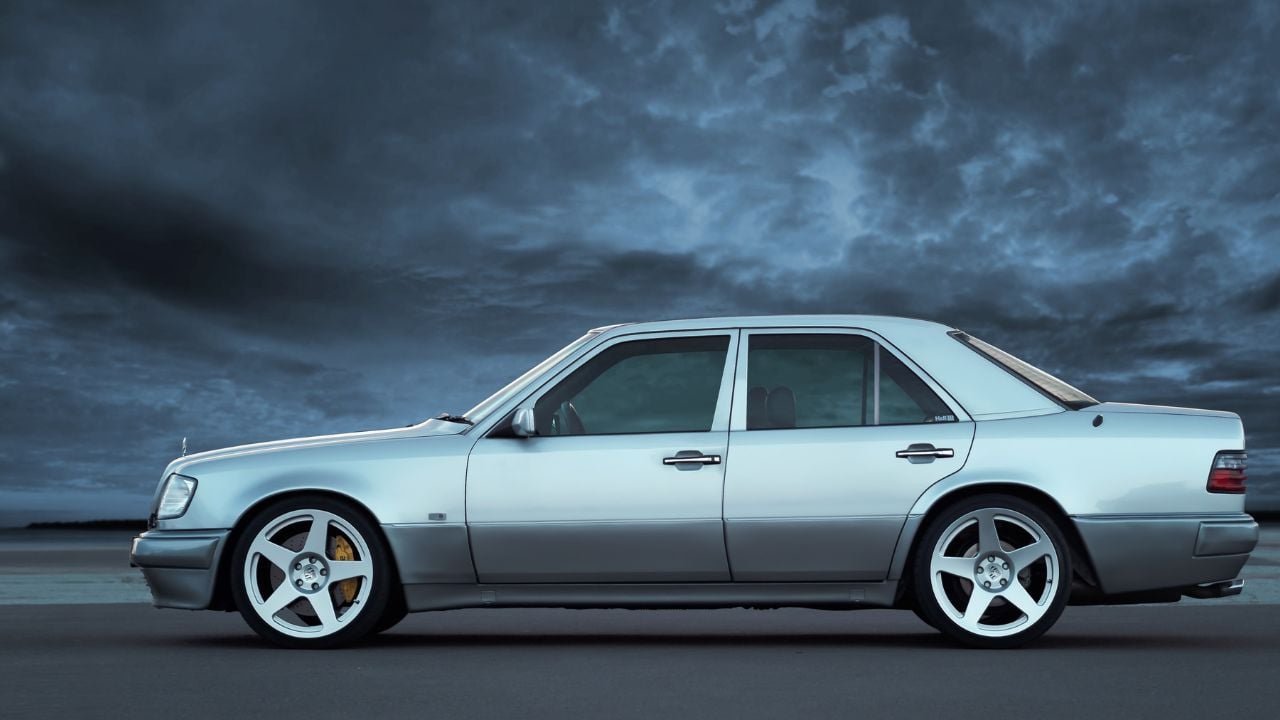
1986-1995 Mercedes-Benz W124 (E-Class)

Mercedes built the W124 series during their “over-engineering” phase, resulting in cars that were built to last decades rather than just survive a lease period. The solid construction, quality materials, and robust drivetrains mean these cars age gracefully, with many examples still providing luxury transport after 30+ years.
While maintenance can be more expensive than Japanese alternatives, the build quality and ride comfort make it worthwhile for those wanting classic luxury without constant breakdowns.
1994–1998 Nissan 240SX (S14)
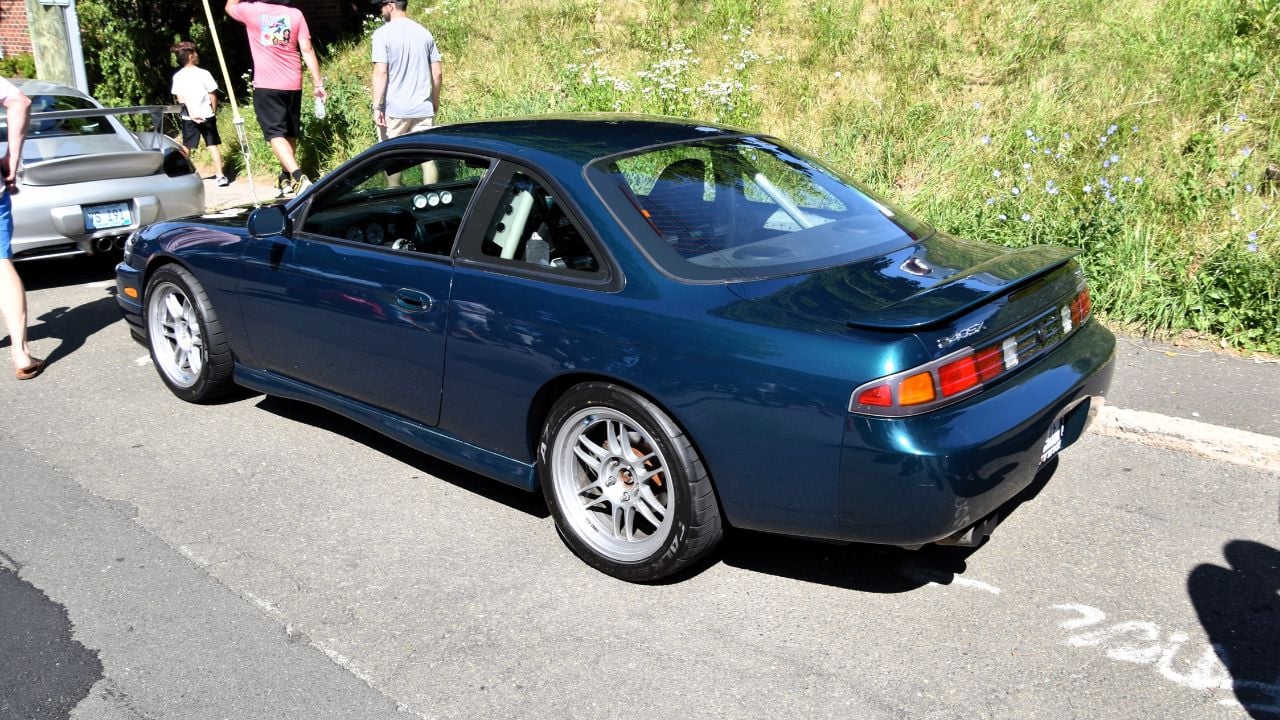
The S14 240SX offered rear-wheel-drive sports car fun with Japanese reliability and surprisingly practical daily-driving capabilities. The KA24DE engine might not be the most exciting powerplant, but it’s robust and economical, while the car’s balanced chassis makes every trip enjoyable.
With a proper back seat (albeit small) and decent trunk space, it’s one of the few sports cars from this era that can genuinely handle family duties.
1990-1993 Acura Integra
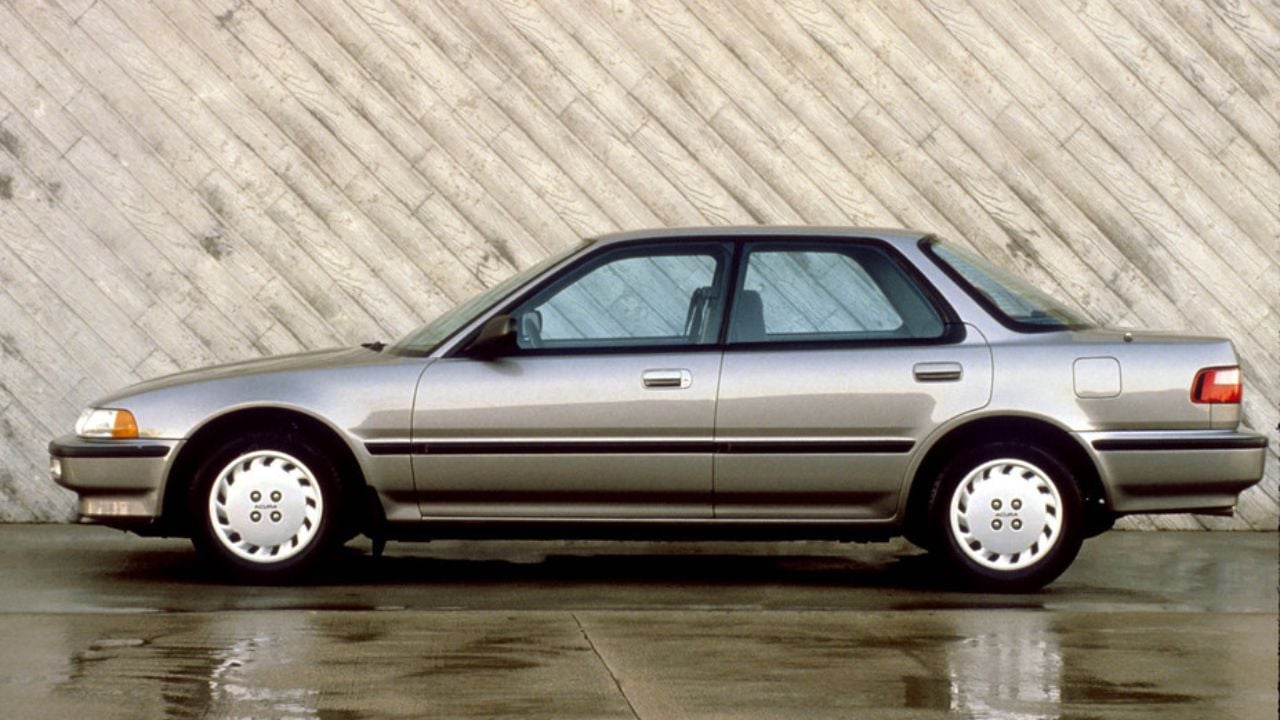
The Integra combined Honda’s legendary reliability with Acura’s premium touches, creating one of the most well-rounded daily drivers of the ’90s. The B-series engines are known for their durability and responsiveness, while the car’s practical hatchback design offers surprising cargo flexibility for a sporty coupe.
With excellent build quality, reasonable maintenance costs, and a driving experience that remains engaging after all these years, the Integra proves that practical doesn’t have to mean boring.
The Sweet Spot of Classic Ownership

What makes these cars special isn’t just their classic appeal: it’s their ability to deliver that vintage experience without the typical vintage headaches. They represent a sweet spot in automotive history where manufacturers had figured out reliability and comfort but hadn’t yet sanitized the driving experience with excessive electronic intervention.
The key to successful classic daily driving is choosing cars from manufacturers known for building things properly the first time, preferably from the late ’80s through the ’90s, when fuel injection and modern metallurgy solved many earlier reliability issues. These nine cars prove that you don’t have to choose between classic style and modern dependability, sometimes, you really can have both.