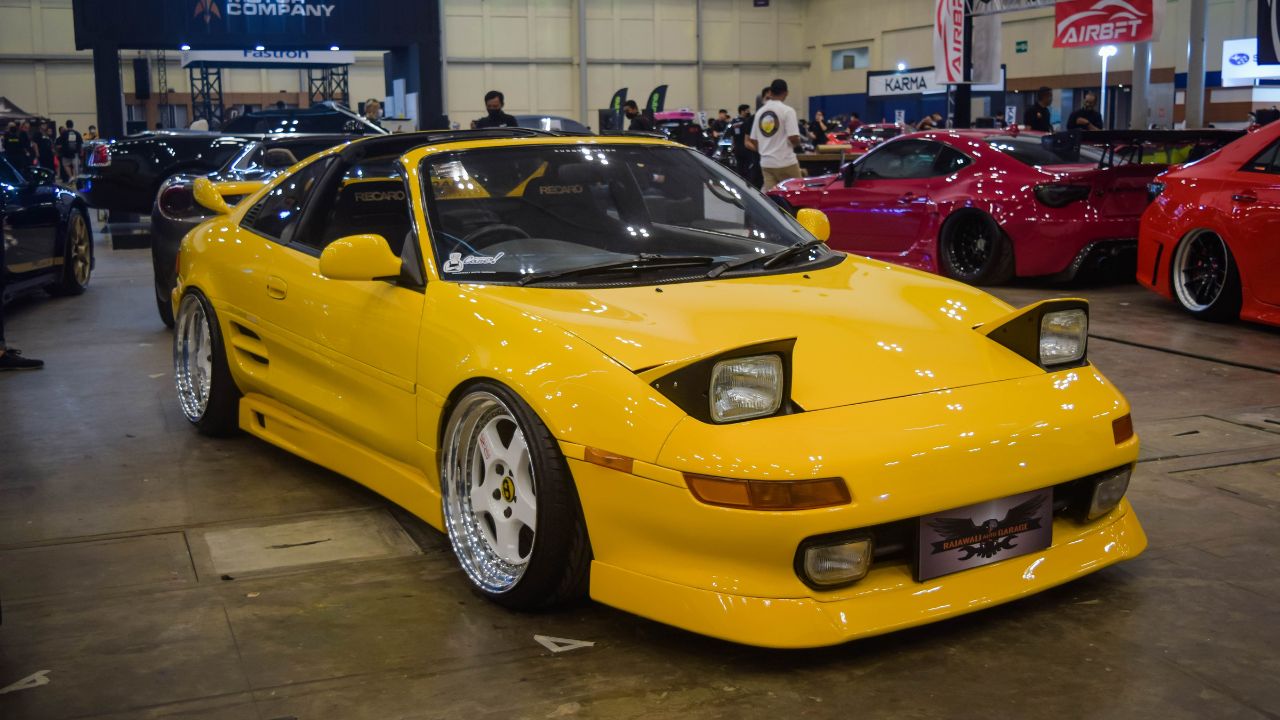
Japanese car manufacturers may be best known for their highly reliable, if somewhat dull, cars. However, as every JDM enthusiast will tell you, carmakers from the land of the rising sun have made some of the best engines ever.
Whether you want a highly tunable twin-turbo unit that can easily put an Italian supercar to shame or a screaming naturally aspirated engine that’ll last a lifetime, there’s a Japanese engine for you. Let’s look at some of the best Japanese engines ever made, and please note that this list is by no means exhaustive.
Why We Picked These Engines

To compile this list, we focused on Japanese engines that left a lasting mark on the automotive world, whether through performance, tunability, innovation, or cultural impact. We considered engines from all major Japanese manufacturers, both naturally aspirated and forced induction, as long as they were designed with performance in mind.
Key factors included output per liter, rev characteristics, engineering ingenuity, motorsports pedigree, reliability under stress, and real-world tunability. While not exhaustive, this curated list highlights a blend of iconic classics, unsung heroes, and modern marvels that continue to excite enthusiasts and builders alike.
Nissan RB26DETT – Twin-Turbocharged 2.6-Liter Inline-Six

Let’s kickstart this list of Japanese performance car engines with one of the most iconic powerplants ever made, the Nissan RB26DETT. This twin-turbocharged 2.6-liter lump was the heart of Godzilla, found under the hood of the Nissan Skyline GT-R.
In stock form, the RB26DETT produced 276 horsepower, although dyno tests proved that Nissan had severely underrated the engine, as it produced around 330 horses in the R34. Still, as per Drifted, that’s nothing compared to what it’s capable of, as tuners have extracted ridiculous amounts of power from this JDM legend.
Toyota 2JZ-GTE – Twin-Turbocharged 3.0-Liter Inline-Six

Toyota’s 2JZ-GTE is probably the only Japanese engine that can match the RB26DETT’s fame. Found under the hood of the Supra, among others, the 2JZ became a favorite among tuners after the first Fast & Furious movie in 2001.
While JDM engines officially produced 276 horses, 2JZ-GTEs sold on the North American market churned out 320 horsepower. As MotorTrend points out, engine builders quickly figured out how to tease out more ponies from the twin-turbocharged 3.0-liter inline-six, and 2JZs are now installed in anything from mild street cars to full-on race cars and drift missiles. The best part? It still offers Toyota’s legendary reliability.
Lexus 1LR-GUE — Naturally Aspirated 4.8-Liter V10
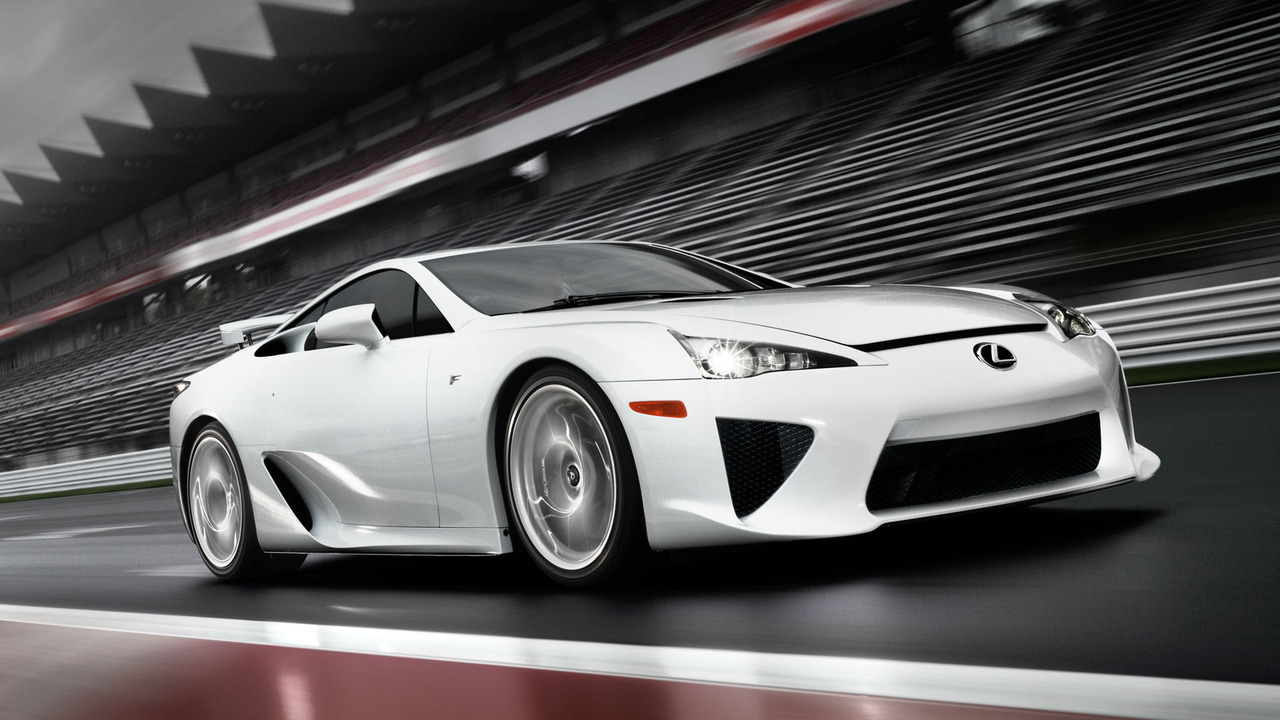
Lexus took its sweet time to perfect the LFA, but the end result was nothing short of astonishing. Part of what made it so good was the V10 engine mounted right in front of the driver.
The naturally aspirated 4.8-liter V10 unit was co-developed with Yamaha, and has a 9,000 rpm redline; at that point, it sounds like a pack of screaming banshees. Yamaha helped develop it, and judging by their excellent sports bikes, it’s safe to say they know a thing or two about building powerful, high-revving engines.
Mitsubishi 4G63 – Turbocharged 2.0-Liter Four-Cylinder

In 1989, the US was introduced to the Mitsubishi turbocharged 4G63 2.0-liter DOHC engine via the Mitsubishi Eclipse, Eagle Talon, and Plymouth Laser. As MotorReviewer points out, in other markets, it was also available in the legendary Lancer Evolution, and Mitsubishi also made a rally-spec 4G63T version.
Producing roughly 270 horsepower in stock form, the 4G63 was one of the most powerful engines made by Mitsubishi. Both the Eclipse and Lancer Evo have been modified to produce ridiculous amounts of power, both for street and track use.
Honda B-Series – Naturally Aspirated 1.6 To 2.0-Liter Four-Cylinder

As per Drifted, Honda first introduced us to the now-legendary B-series in 1988. The performance-oriented DOHC unit was sold alongside the economy-focused D-series engine. To extract maximum performance, drivers were required to keep it in the VTEC range, which led to it being called “the torqueless monster.”
The most potent Honda B engines were found in the 1997 Civic Type R and the Integra Type R. The CTR had a 1.6-liter that produced 182 horsepower, and the ITR used a 1.8-liter with 197 horses, but those were JDM-only. Export versions of the Civic and Integra had less power.
Mazda 13B-REW – Twin-Turbocharged 1.3-Liter Twin-Rotor Wankel

Mazda wasn’t the first carmaker to experiment with the rotary engine, but it was definitely the most persistent. Over the years, it fine-tuned the Wankel rotary design and the 13B-REW found in the FD RX-7 is by far the best mass-produced version.
According to MotorReviewer, it may just be a 1.3-liter, but thanks to its twin-rotor, twin-turbocharged design, it produced between 250 and 276 horsepower. Its turbochargers were also sequential, so one spooled up at low revs, and when it ran out of breath, the next one took over, all the way to its 8,000 rpm redline.
Subaru EJ – Turbocharged 2.0 To 2.5-Liter Boxer Four-Cylinder
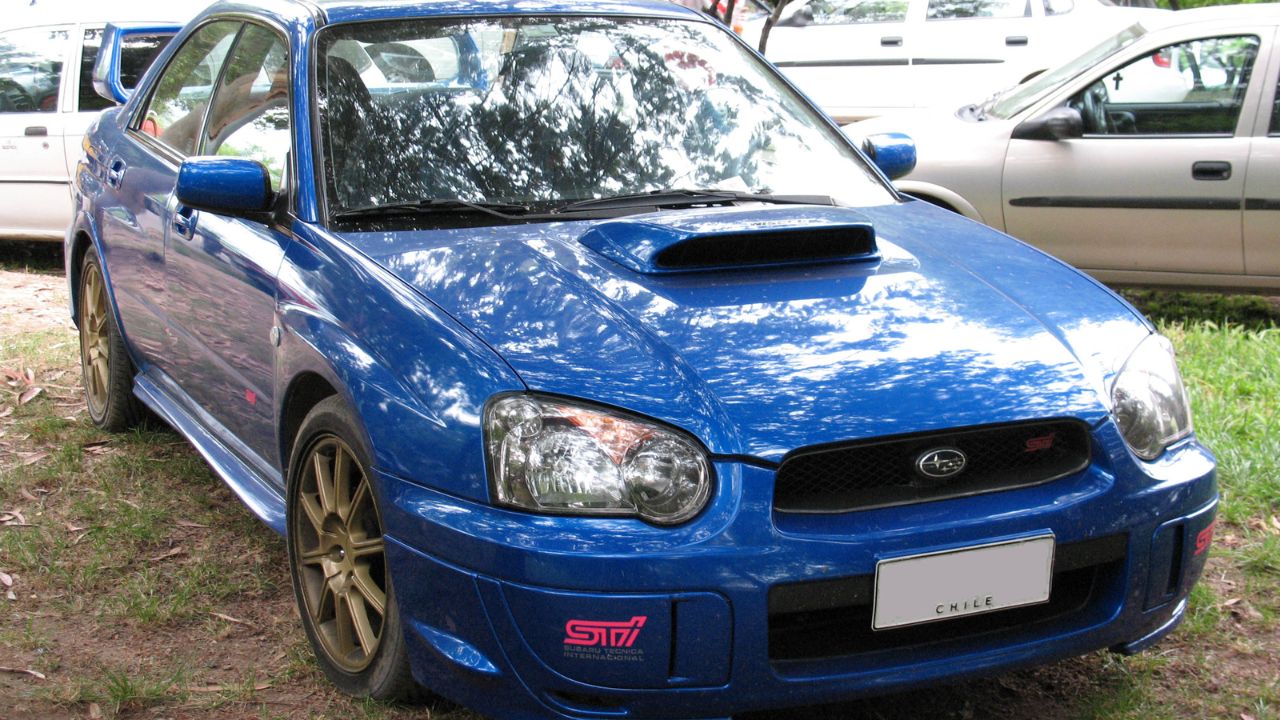
Since we included the famous 2.0-liter Mitsubishi engine, we must also include its most significant competitor from the WRC, Subaru’s lineup of turbocharged EJ boxer engines. Haltech says it is the pinnacle of Japanese Boxer engines. Subaru first introduced the EJ in 1989, and it remained in production until 2021, so it was clearly a good one. It wasn’t 100% trouble-free, but the EJ would last a long time with proper care and maintenance.
Turbocharged EJ engines produced anywhere from roughly 200 horsepower to more than 300 wild stallions. Displacement ranged from 2.0 to 2.5 liters, and it made its way under the hood of iconic models, such as the Impreza WRX, Forester, and Legacy.
Toyota 4A-GE – Naturally Aspirated 1.6-Liter Four-Cylinder
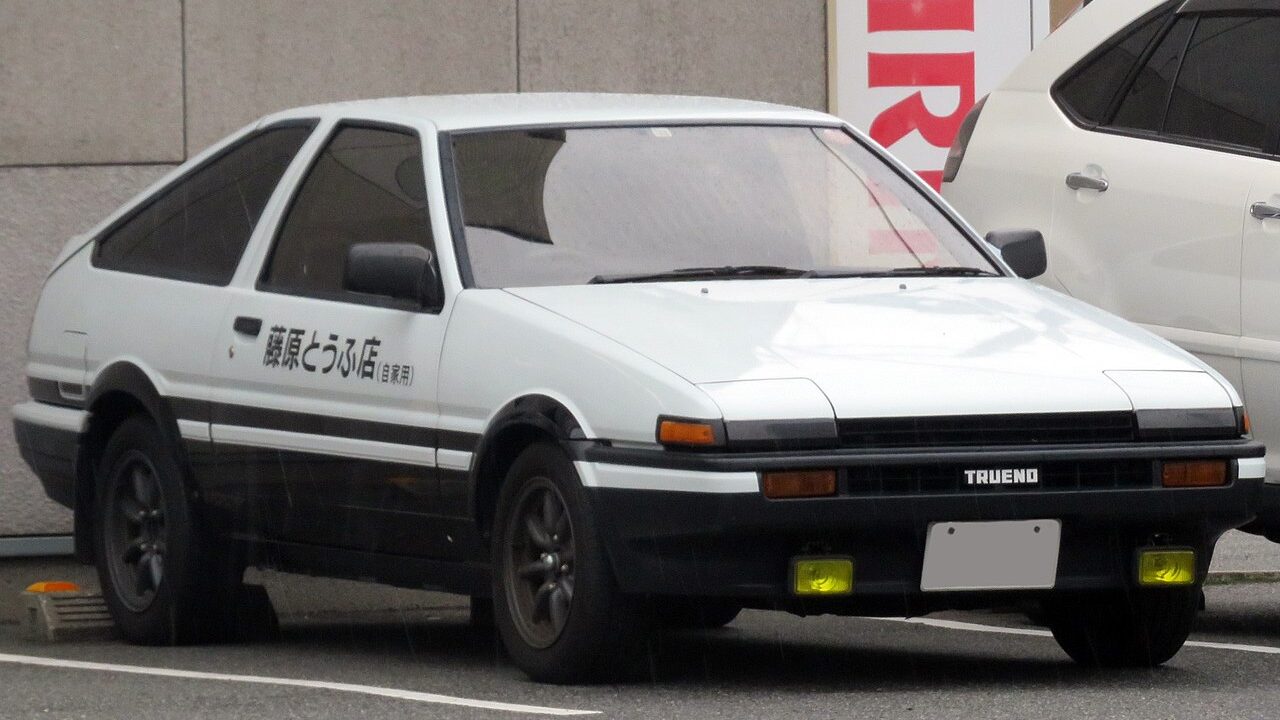
Toyota developed the 4A-GE with help from the engine wizards at Yamaha. It ended up being the Japanese carmaker’s longest-running production engine, produced from 1983 through 2000.
Early engines produced 112 horsepower, but with time and new technology, this figure grew to a more substantial 163 horses. Toyota installed it in several of its performance cars, such as the MR2, AE86 Corolla, and the Celica. There was even a supercharged version, known as the 4A-GZE, that produced roughly 170 horsepower.
Honda K20 – Naturally Aspirated 2.0-Liter Four-Cylinder
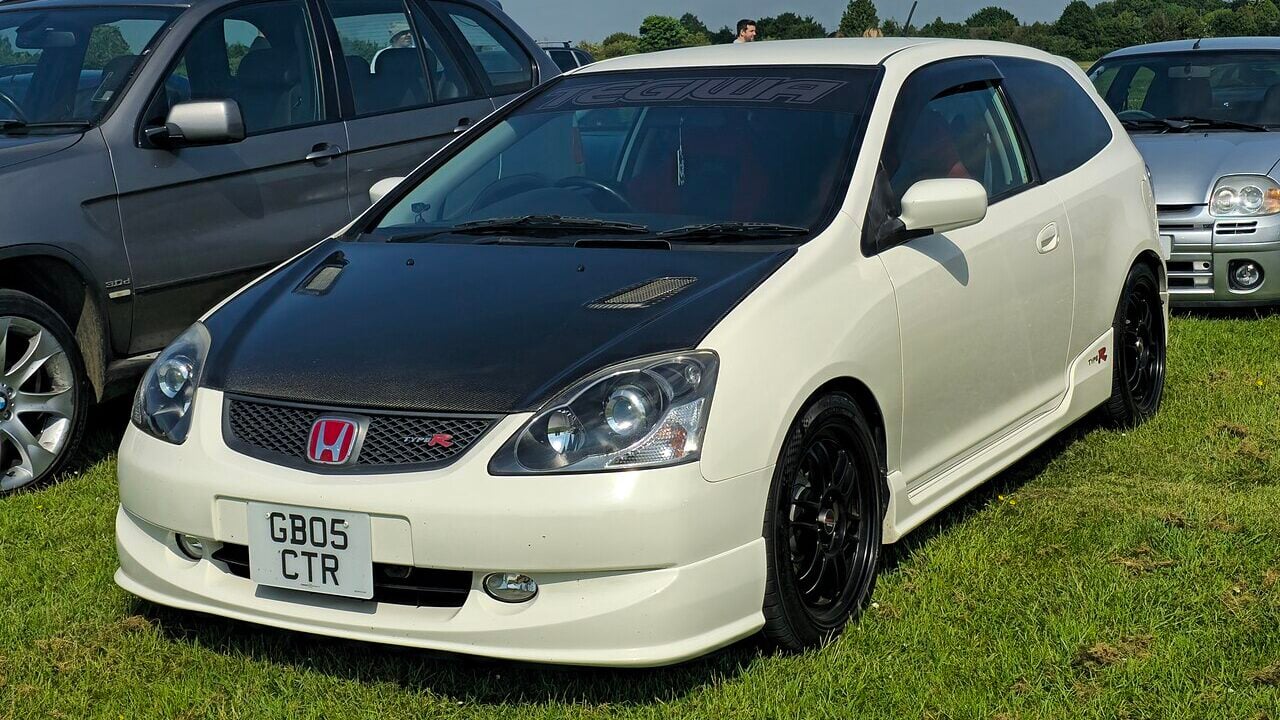
The K20A unit ensured that Honda’s naturally aspirated VTEC engines went out with a bang. It was the last of its kind, as Honda moved towards turbocharging, and while it packed a decent punch in standard form, enthusiasts soon found out that it was one of the most tuner-friendly engines ever made.
As High Performance Academy says, the Honda K-series has since been swapped into practically any car you can think of, from classic British sports cars to iconic JDM machines and even American pony cars. In naturally aspirated form, it can produce a very healthy amount of power, but slap on an aftermarket turbo kit, and the sky’s the limit.
Nissan VR38DETT – 3.8-Liter Twin-Turbocharged V6

Enthusiasts weren’t happy when Nissan first announced its new GT-R would no longer have the legendary RB26. However, as soon as they learned about its replacement, the VR38DETT, it was all sunshine and rainbows.
In standard form, this engine is a proper supercar slayer. According to MotorReviewer, early units produced around 480 horsepower, but some versions have as much as 710 wild horses. Even that is nowhere close to its true potential, as tuners have extracted a whopping 3,500+ horsepower at the crank!
Toyota 2UR-GSE – Naturally Aspirated 5.0-Liter V8

This 5.0-liter V8, found under the hood of top-of-the-range Lexus performance models, is no match for the Nissan VR38DETT, but it’s still an awe-inspiring engine. Lexus and Toyota build engines that last. Since it’s still relatively new, we don’t know how long it’ll last, but being a Lexus engine, it’ll probably keep running forever.
That being said, the 2UR-GSE houses over 400 horses, so it’s certainly no slouch. It packs enough grunt to keep up with its European rivals, such as the BMW M3 or Mercedes-AMG C63.
Honda F20C – Naturally Aspirated 2.0-Liter Four-Cylinder

When Honda introduced the S2000 at the end of the 1990s, it was a complete game-changer, at least engine-wise. The Japanese roadster only had a naturally aspirated 2.0-liter engine, but it produced a whopping 237 horsepower at 8,800 rpm.
The Honda F20C engine was so good that it won the International Engine of The Year award five times and was named the best four-cylinder engine of the last 30 years, according to S2KI. It also held the record for the highest specific power output for any mass-production naturally aspirated piston engine until 2010, when Ferrari introduced the 458 Italia.
Nissan SR20DET – Turbocharged 2.0-Liter Four-Cylinder

According to High Performance Academy, the SR20DET is another compact four-cylinder with a big reputation. Found in the Nissan Silvia, 180SX, Pulsar GTi-R, and Bluebird, this engine was Nissan’s answer to the 3S-GTE and 4G63. With an iron block, strong internals, and a rev-happy nature, it became a darling of the drift and tuning scenes.
In stock form, it produced between 200–250 horsepower, but tuners quickly unlocked far more. The SR20 is still widely used in grassroots motorsports today, and its affordability and reliability made it a go-to swap for a generation of JDM fans.
Toyota 3S-GTE – Turbocharged 2.0-Liter Four-Cylinder

Drifted states that the 3S-GTE is a turbocharged inline-four that powered the MR2 Turbo and Celica GT-Four, both WRC legends in their own right. With forged internals, a closed deck block, and serious tuning potential, it became a favorite among rally and track enthusiasts.
Stock output ranged from 182 to 260 horsepower, depending on the generation, but with basic mods, it can easily crack 400+. It’s one of the most robust and underrated turbocharged engines Toyota ever built.
Toyota 2ZZ-GE – Naturally Aspirated 1.8-Liter Four-Cylinder

As AutoEvolution’s Vlad Radu points out, the Toyota 2ZZ-GE engine was developed in collaboration with Yamaha. It is a high-revving 1.8-liter four-cylinder engine that proved Toyota wasn’t done building exciting naturally aspirated engines. It was used in a range of performance cars, including the Lotus Elise and Toyota Celica GT-S.
Featuring variable valve timing and lift (VVTL-i), the 2ZZ made 190 horsepower and redlined at 8,200 rpm. It had a sweet powerband and rewarded spirited driving, making it a favorite among tuners and autocross enthusiasts. The 2ZZ is one of the last affordable high-revving N/A engines, and a symbol of a golden era that’s fast disappearing.
Start Your Engines

From the iron-block durability of the 2JZ to the screaming redline of the F20C, Japanese performance engines have consistently punched above their weight. They’ve powered everything from affordable tuner cars to exotic limited-edition supercars, influencing car culture across continents.
These engines represent the perfect marriage of engineering precision, reliability, and driving excitement. As the automotive world moves increasingly toward electrification, the golden era of Japanese combustion engines is winding down, but their legacy will live on forever.