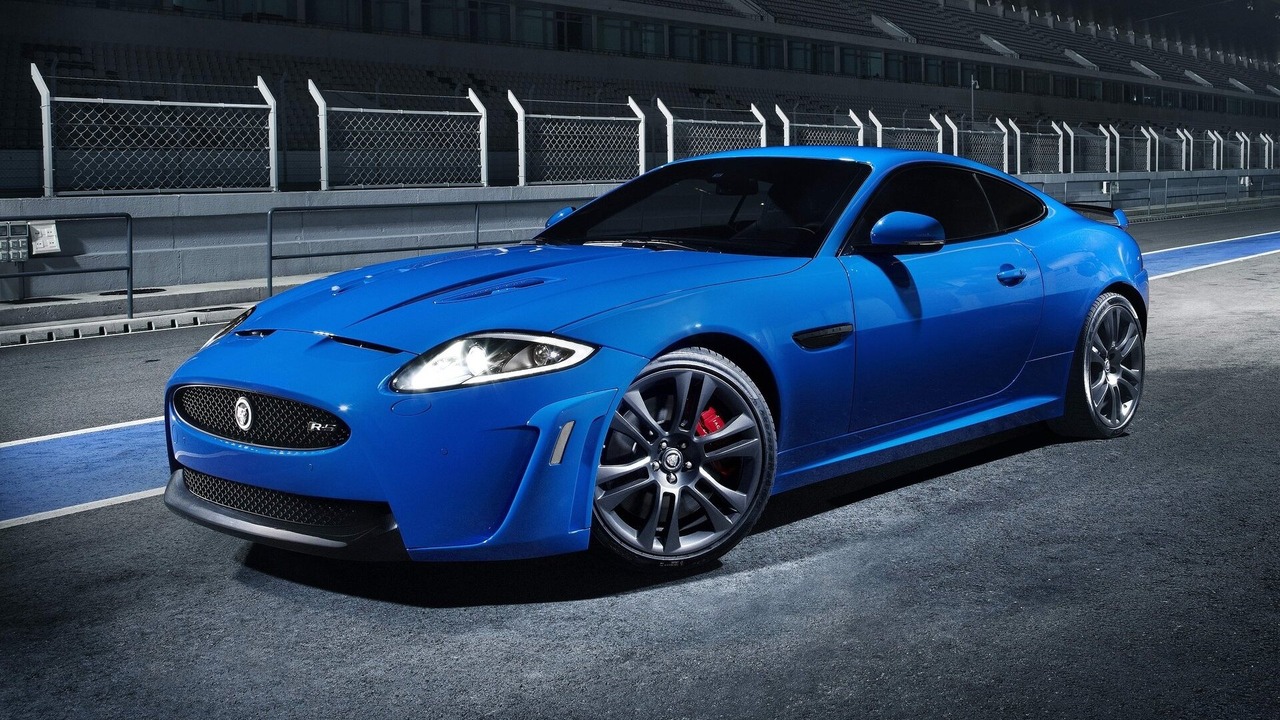
Grand tourers aim to blend luxury and performance without compromising on either. Finding this sweet spot is much easier said than done. As a result, some GT cars put too much emphasis on comfort, which results in a disconnected driving experience, while others conjure too much of a race car spirit, almost like the BMW M3 CS Touring. The Jaguar XKR-S, however, hits the nail on the head. Yet, for some reason, it remains one of the most underrated sports cars ever made.
The second generation ran from 2006 to 2014 and was designed by Ian Callum, the same visionary behind the Aston Martin DB9 and Jaguar F-Type. The XK still looks fresh despite its age. Pairing its timeless design with a glorious-sounding supercharged V8 and a cabin fit for two adults and a couple of small children, the XKR-S is one of the best GT cars on the used market. So, why doesn’t it get more attention?
A Muscle Car With Imposter Syndrome
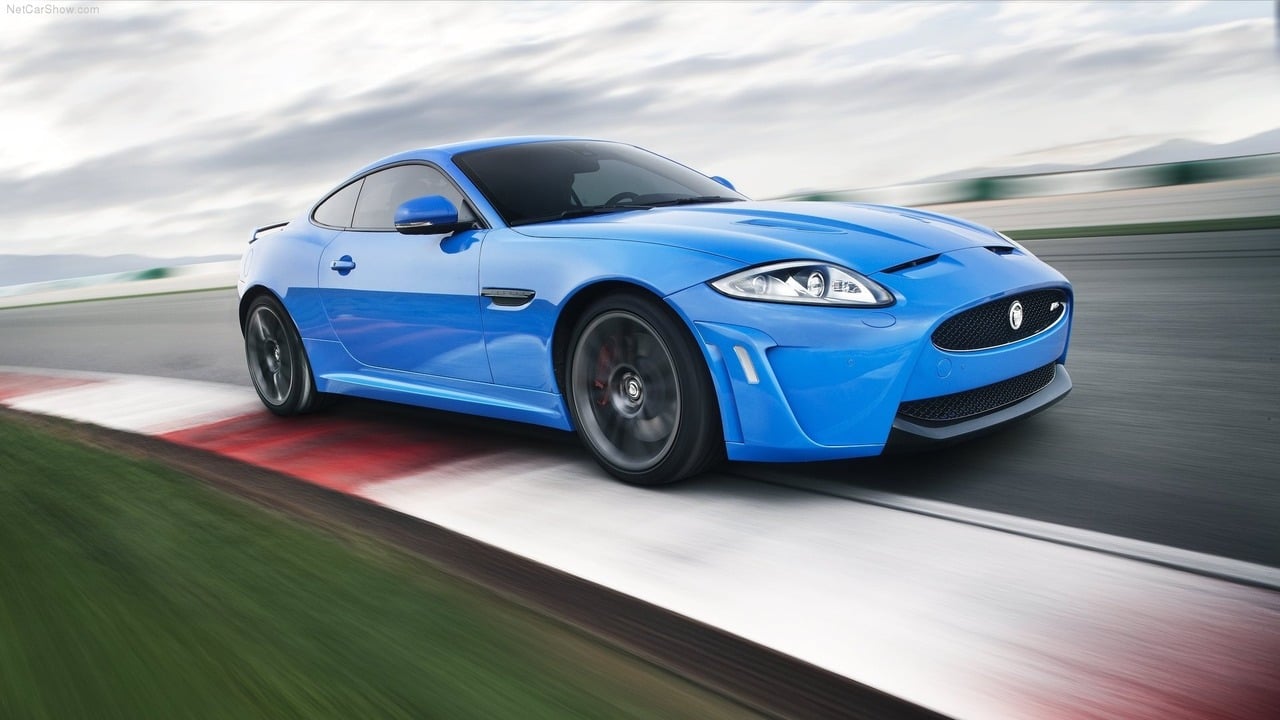
Jaguar has always embodied sophistication with a rebellious streak. While the majority of their creations were luxury cars, now and then, the British brand would let loose and craft a performance car meant for those going through a midlife awakening. The perfect testament thereof is the XKR-S.
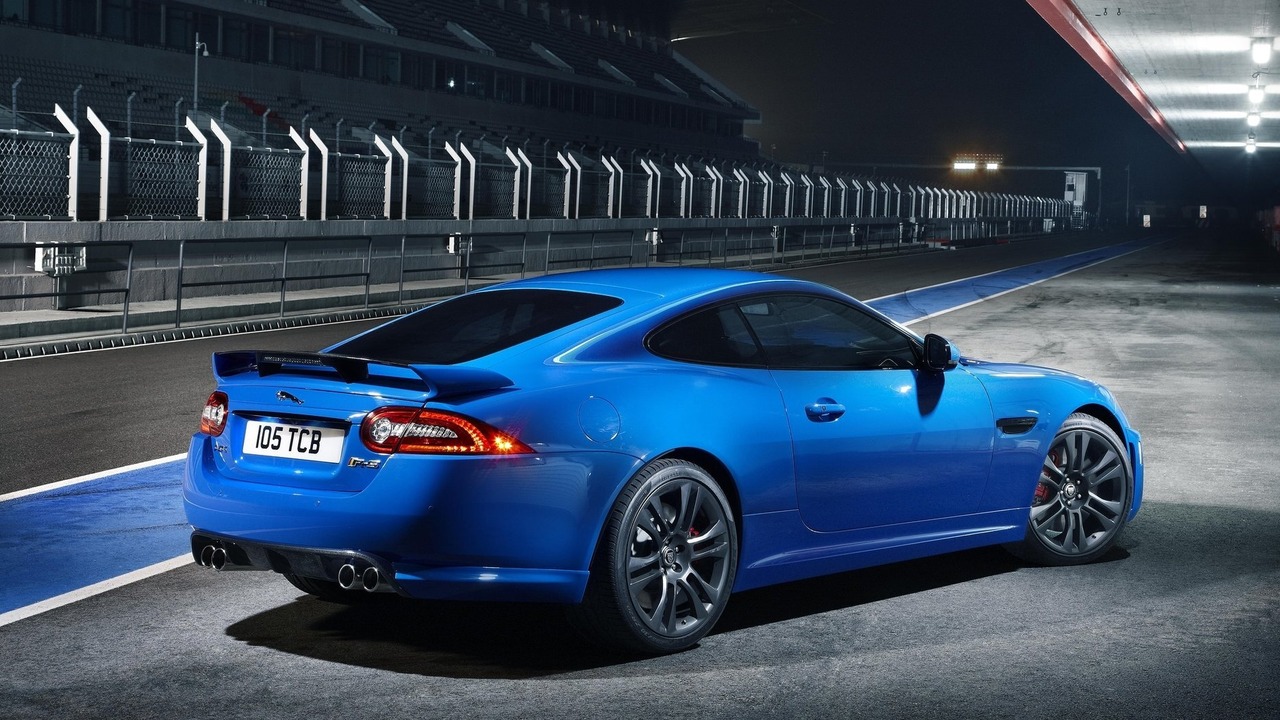
Sculpted from aluminum, the wild Jaguar had a supercharged 5.0-liter V8 engine under its hood, producing 542 hp and 502 lb-ft of torque that’s sent to the rear wheels via a 6-speed automatic transmission. Despite its near-4,000-lb curb weight, Jaguar claims the XKR-S manages to reach 60 mph from a standstill in only 4.2 seconds.
On paper, the XKR-S falls into another segment, too, flooded by brutish two-door rear-wheel-drive performance machines with supercharged V8s — the muscle car segment. It may be sacrilegious to call the grown-up XKR-S a muscle car, but even owners agree. Sure, it’s more refined than a Challenger Hellcat, but the similarities are undeniable.
Jaguar did all they could to combat wheel spin and its heft with double wishbone suspension at every corner, a limited-slip differential, and some sticky Pirelli P-Zero tires, but that only did so much. The XKR-S feels right at home on a long stretch of open road chasing its 186-mph top speed, or an empty tunnel, where you can enjoy one of its highlights — a euphonious exhaust song.
A Perfect Blend Of Luxury And Speed
On the inside, the XKR-S is something special. Its heated, 16-way adjustable sports seats look suitable for a road trip across the country but are also fit for a track car. Let your eyes wander, and you’ll see the cabin follows suit – drenched in leather with a touch of carbon fiber on the door panels and seats.
Look closer, though, and you’ll realize it’s not real carbon fiber, but a material designed to mimic its weave. Inside and out, the XKR-S reminds you it’s just as much a performance car as a luxury cruiser.
The biggest letdown? The center console. Jaguar used the same sluggish infotainment system used by most of the JLR products at the time. The response time is slow, the interface is outdated, and it reminds you that this Jag is well over a decade old. But worst of all, as Doug DeMuro showcased in his review, is how many essential features are hidden in the infotainment, like the heated seat settings and some climate control settings — the exact opposite of what you’d want from interior controls.
Grand tourers are built for long-distance cruising, but the XKR-S has an Achilles’ heel: rear seat space. While the front seats are superb, the back seats are best suited for small children or those with removable limbs. Edmunds reports just 27.6 inches of rear legroom — roughly half of what front passengers enjoy. However, it redeems itself with a generous 11.7 cubic feet of trunk space, nearly double that of a Porsche 911.
Moneypit Or Future Investment?
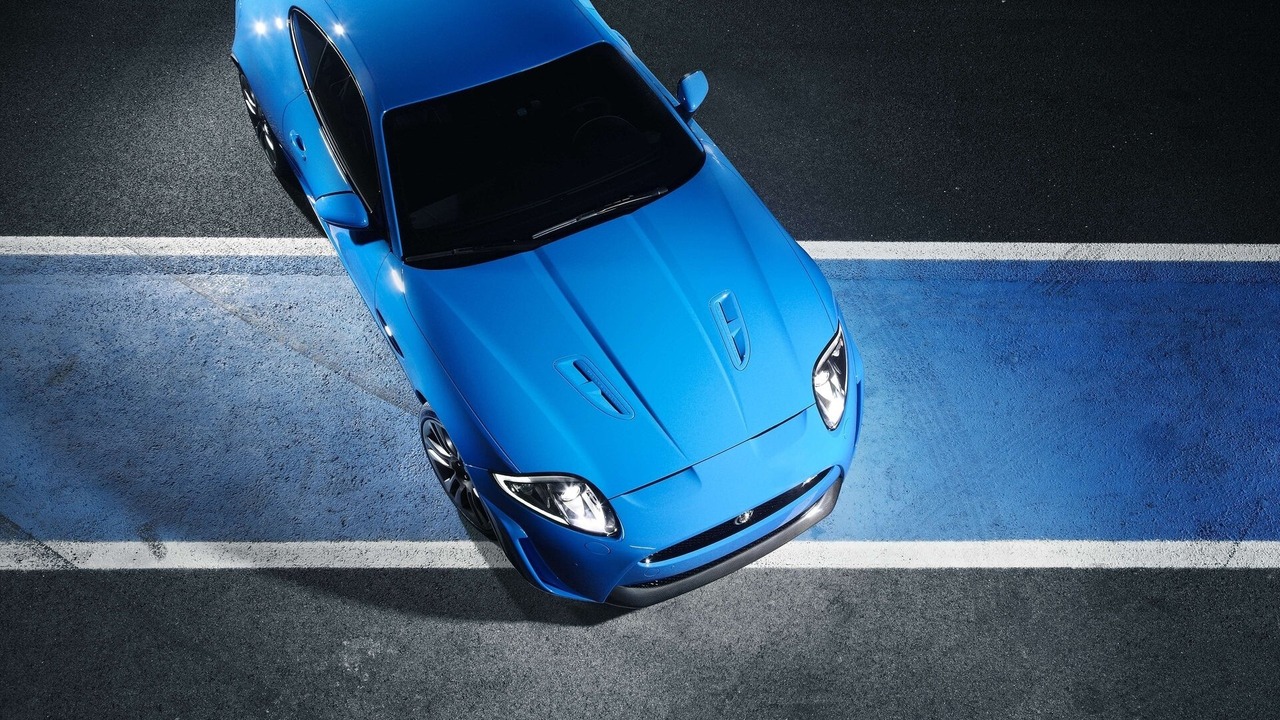
Now, the elephant in the room: Jaguar’s brand shift. After decades of being the gentleman’s choice, Jaguar has rebranded itself with the tagline “Copy Nothing” and is going all-electric. Regardless of how you feel about the transition, it’s unlikely they will ever build another car like the XKR-S.
At the time of writing this article, the Jaguar XKR-S remains somewhat underappreciated. When new, it costs at least $132,000. Today, you should be able to find decent examples for less than $50,000. However, pristine, low-mileage examples sell for much more, with the most expensive example on Bring a Trailer going for $75,000 four years ago. As the saying goes, the best time to buy was yesterday.
So why aren’t more people buying these? I reckon it all boils down to Jaguar’s infamous reputation regarding reliability. For the most part, Jaguar Forums have mostly good things to say about cars produced from 2010 onwards, with only a handful of issues relating to the water pump, tire pressure monitoring system, and battery. And like most luxury performance cars, repairs and maintenance costs aren’t cheap. RepairPal estimates an annual maintenance cost of $3,048. While the supercharged V8 seems pretty dependable, I’d still recommend opting for a used-car warranty in case any of its electronics decide to abandon ship.
The Jaguar XKR-S is one of the best grand tourers no one talks about. It’s fast, loud, luxurious, and jam-packed with personality — and just a tad impractical. Admittedly, it’s not as sharp as a 911 or as poised as an Aston Martin, but it arguably has more presence than both, making it stand out at your local Cars & Coffee as one of the closest things to a muscle car the Brits have ever made.
Above all, the Jaguar XKR-S represents something that doesn’t exist anymore. The F-Type may have been Jag’s last ICE-powered sports car, but that’s smaller, leaner, and more of a driver’s car than the XKR-S, I’d say. As Jaguar shifts toward an all-electric future, the XKR-S stands as a swan song for an era of beautiful, overpowered grand tourers. And unfortunately, the world won’t see anything like this from Jaguar ever again.