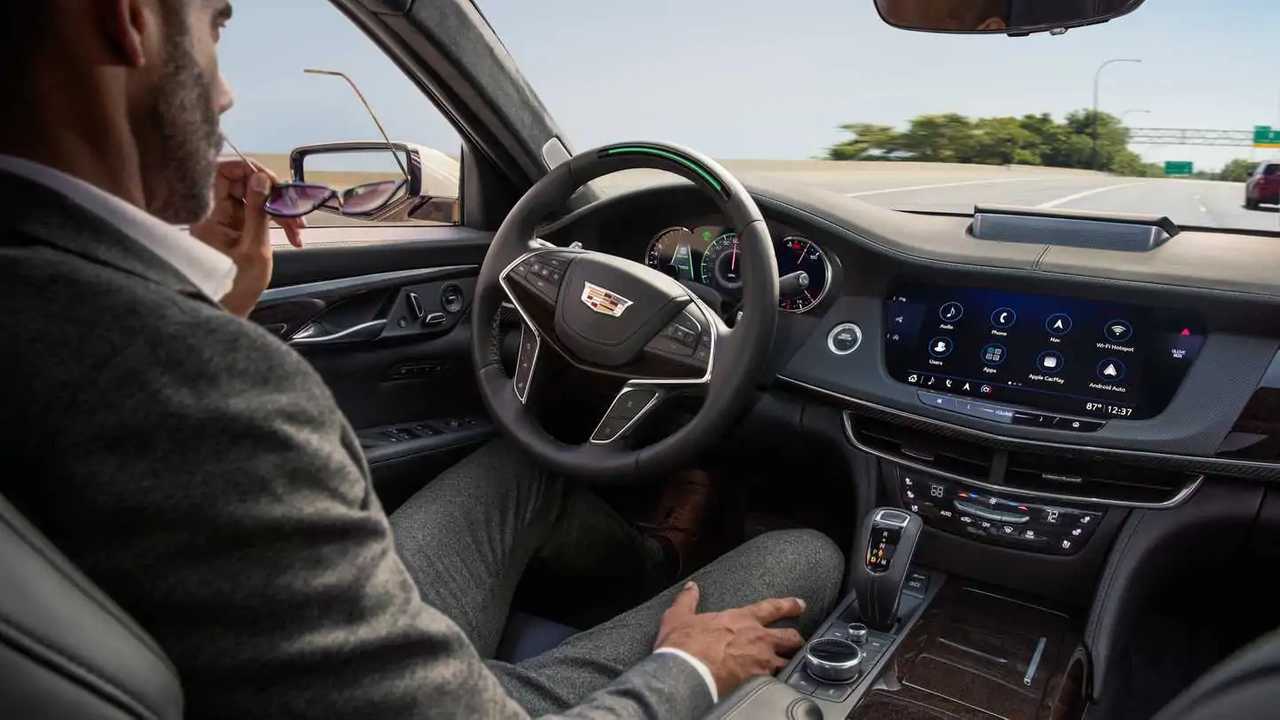
General Motors CEO Mary Barra revealed during the company’s Q1 2026 earnings call that nearly 90% of the software code being written by GM’s autonomy team is now generated using artificial intelligence. The comment immediately drew attention because the technology involved is not a simple infotainment feature or smartphone app, but the next generation of GM’s Super Cruise hands-free driving system.
According to Barra, the company’s upcoming “eyes-off, hands-off” version of Super Cruise is currently under development and is scheduled to debut first on the all-electric Cadillac Escalade IQ in 2028. GM plans to eventually expand the system across both gasoline and electric vehicles throughout several of its brands.
Barra presented the AI statistic as evidence of how deeply GM is integrating artificial intelligence into its operations and software development pipeline. During the earnings call, she described the company’s AI adoption as a major part of its long-term strategy for autonomous and advanced driver assistance systems.
The revelation also highlights how quickly AI-generated coding tools are becoming embedded inside the automotive industry, particularly as modern vehicles grow increasingly dependent on software for everything from safety systems to autonomous driving functions.
AI Is Playing A Growing Role In Automotive Software
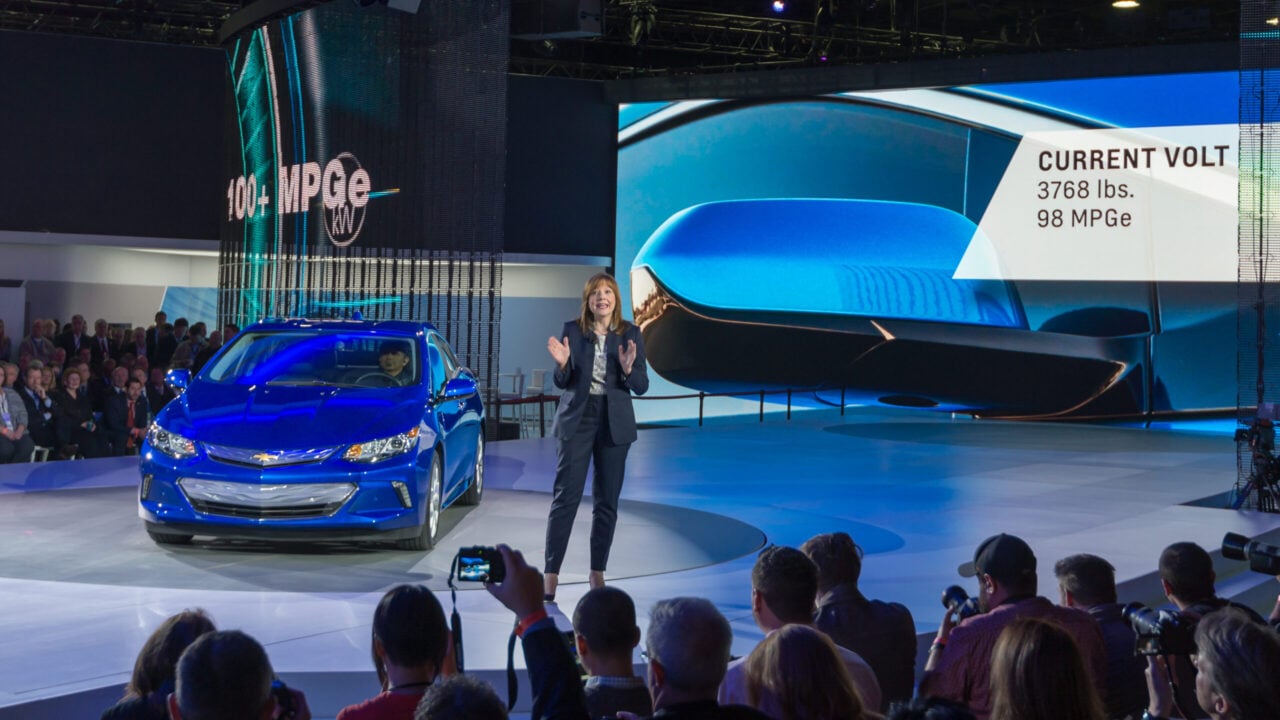
Software-defined vehicles are rapidly becoming the norm across the auto industry. Automakers now rely heavily on code to manage powertrains, battery systems, infotainment features, safety technologies, and driver assistance systems.
For GM, AI-generated code appears to be dramatically accelerating development speed for Super Cruise and related autonomy technologies. The company says AI tools are now helping engineers create large portions of the underlying software architecture.
Barra stated that the autonomy team is using AI-generated code while developing the next-generation version of Super Cruise, which GM says will eventually allow drivers to operate vehicles without needing to keep their eyes on the road or hands on the steering wheel under certain conditions.
That represents a major leap beyond today’s version of Super Cruise, which still requires drivers to remain attentive while using the system.
Safety Concerns Will Likely Follow The Announcement
While AI-assisted coding has become increasingly common in the technology sector, GM’s “90%” figure raised eyebrows because of the type of software involved. Autonomous driving systems directly impact vehicle safety, meaning coding errors could carry serious real-world consequences.
Industry studies have shown AI coding assistance becoming more widespread among software developers, though estimates for AI-generated code usage remain far lower than GM’s reported level. Critics argue that relying too heavily on AI-generated programming could introduce bugs, vulnerabilities, or unpredictable behavior if human oversight is insufficient.
GM has not suggested that AI is independently building complete autonomous systems without human supervision. Engineers are still expected to review, validate, and test software before deployment.
The automaker also emphasized the extensive testing infrastructure supporting development of the next-generation Super Cruise platform. According to Barra, GM can digitally simulate roughly 100 years of human driving behavior every day through virtual testing systems.
Real-World Testing Already Underway
Beyond simulations, GM says road testing of the upcoming Super Cruise system has already begun in California and Michigan. Real-world testing remains a critical step because autonomous systems must safely interpret countless unpredictable driving situations that cannot always be perfectly replicated in simulation environments.
The next-generation platform is expected to expand beyond Cadillac and eventually appear across Chevrolet, GMC, Buick, and other GM products at multiple price points.
GM has spent years positioning Super Cruise as one of the most advanced hands-free driver assistance systems currently available.
The technology already allows hands-free driving on many mapped highways across North America using a combination of cameras, sensors, radar, GPS data, and driver monitoring systems.
Competition in the autonomy space has intensified in recent years as automakers race to develop more capable self-driving technologies while avoiding the safety controversies that have surrounded several high-profile autonomous driving incidents across the industry.
The Automotive Industry Is Entering An AI Era

Barra’s comments also reflect a much bigger transformation happening throughout the automotive sector. AI is increasingly being integrated into vehicle development, manufacturing, quality control, customer service, predictive maintenance, and software engineering.
As vehicles become more software-centric, automakers are beginning to resemble technology companies as much as traditional manufacturers. That transition is accelerating demand for faster software development cycles and larger engineering teams capable of maintaining increasingly complex digital ecosystems.
The idea that AI could generate the majority of code behind future vehicle systems would have sounded far-fetched only a few years ago. Now, GM is openly embracing the technology at the highest levels of its autonomous driving program.
Whether consumers feel comfortable knowing AI-generated software is helping power future hands-free driving systems may become an entirely different conversation as the technology moves closer to public deployment.