
Vietnam is often overshadowed by Thailand when it comes to Southeast Asian travel, but those who take the time to explore its hidden corners quickly realize that it has just as much to offer and often even more. For decades, Thailand has drawn tourists with its beaches, nightlife, and temples, yet much of what made it magical has become crowded and commercialized.
In contrast, Vietnam still provides an authentic balance of untouched landscapes, rich cultural traditions, and affordable luxury. The diversity is remarkable, from lush mountains and rice terraces to bustling cities and calm islands where time feels slower. Every type of traveler can find something that matches their pace and interest, whether that means outdoor adventure, quiet relaxation, or deep cultural immersion. In many ways, Vietnam feels like the Southeast Asia people dreamed of before mass tourism changed the experience.
What makes Vietnam so special is the fact that it delivers everything tourists look for in Thailand, tropical beaches, incredible food, fascinating history, and vibrant culture, yet manages to feel more personal and less manufactured. The cost of staying, eating, and moving around is often lower, allowing travelers to stretch their budgets further while enjoying higher quality experiences. Street food is not just delicious but also healthy and varied, with local specialties that differ from region to region, adding a sense of culinary discovery. Cities are alive with energy, but just a short ride away, you can find tranquil villages where traditions remain intact. Nature, too, is more varied, with rugged mountains, calm deltas, and long coastlines waiting to be explored. For anyone who feels Thailand has become predictable, Vietnam offers a chance to rediscover adventure.
Ha Long Bay
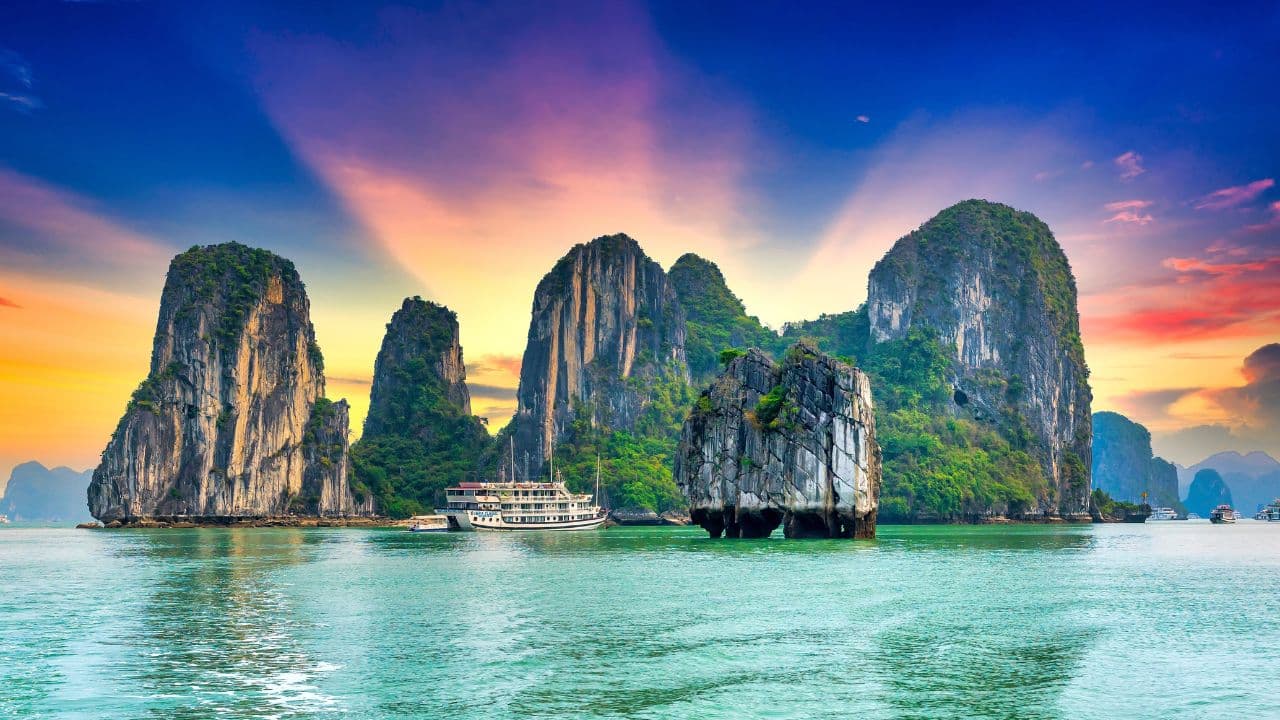
Ha Long Bay is one of Vietnam’s most iconic destinations, a UNESCO World Heritage site where thousands of limestone islands rise dramatically from emerald waters. Travelers can spend their days cruising between these towering karsts, exploring hidden caves, or kayaking into quiet lagoons that feel far removed from the world. Unlike Thailand’s more famous beaches, which are often crowded and commercial, Ha Long Bay still provides the sense of awe and discovery that travelers crave.
Overnight stays on traditional junk boats allow visitors to watch the sun rise over misty waters, an experience that feels timeless. For those who seek both beauty and serenity, this destination shows why Vietnam is more than capable of surpassing Thailand. The combination of natural wonder and calm atmosphere makes every visit unforgettable.
The appeal of Ha Long Bay is not just its scenery but also the variety of ways to experience it, ensuring that travelers with different budgets and styles feel welcome. Luxury cruises offer fine dining and elegant cabins, while budget travelers can join smaller group tours that still provide the same breathtaking views. The area also offers opportunities for adventure, from rock climbing on limestone cliffs to swimming in secluded coves that few people ever see. Local fishing villages add cultural depth, showing a way of life that has thrived in harmony with the sea for generations. Even photography enthusiasts find endless inspiration in the shifting light and surreal landscapes. More than just a tourist stop, Ha Long Bay is a reminder of how Vietnam can turn a journey into something magical.
Hoi An

Hoi An is a town that feels like stepping into another era, with lantern-lit streets, centuries-old architecture, and a river that reflects its charm at night. The town’s heritage as a trading port means it blends Vietnamese, Chinese, and French influences, creating a cultural richness that Thailand’s tourist towns often lack. Tailor shops, artisan markets, and riverside cafés add to the sense of discovery, making every corner worth exploring. Unlike many destinations in Thailand where the pace can be chaotic, Hoi An remains calm and inviting, offering travelers a chance to slow down. Food is also a highlight, with regional dishes such as cao lầu noodles that can only be found here. Every evening, as colorful lanterns light up the streets, visitors realize they are experiencing something unique.
Beyond its beauty, Hoi An is also a hub of creativity, with artists and craftspeople preserving traditions while adding modern touches. Visitors can take cooking classes, learn traditional lantern-making, or explore nearby villages where farming and fishing remain central to life. The beaches just outside town provide a contrast, with quiet stretches of sand perfect for relaxation after a day of exploration.
Cycling through rice paddies gives another perspective, connecting travelers to the countryside in a way that feels authentic. Unlike Thailand’s more commercial tourist towns, Hoi An balances tourism with heritage, ensuring its spirit remains intact. It is a place where culture, history, and beauty merge seamlessly, leaving a lasting impression.
Phu Quoc Island
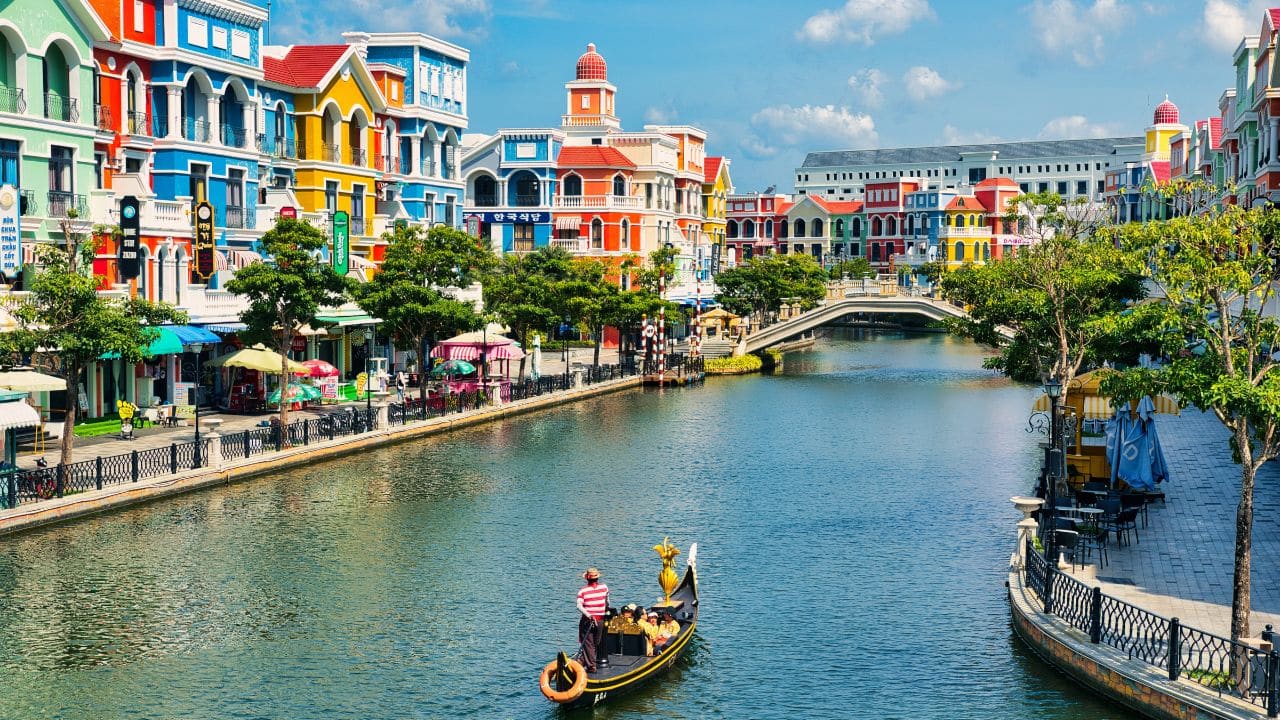
Phu Quoc Island is Vietnam’s tropical jewel, offering pristine beaches, clear waters, and a laid-back atmosphere that rivals Thailand’s most famous islands. Unlike Phuket or Koh Samui, Phu Quoc remains less developed, meaning travelers can still find stretches of coastline where nature dominates. Resorts range from luxurious hideaways to simple beach bungalows, ensuring accessibility for all budgets.
Snorkeling and diving reveal coral reefs teeming with life, while the island’s markets showcase fresh seafood and local specialties. The slower pace invites visitors to relax and enjoy the natural beauty without distraction. For those who want paradise without the crowds, Phu Quoc delivers.
The charm of Phu Quoc lies not only in its beaches but also in the variety of experiences it offers beyond the shore. Travelers can hike through national parks, visit pepper farms, or explore fishing villages where life has changed little over generations. Sunset on the island is an event in itself, with golden skies reflecting over calm waters, creating moments that feel cinematic. The island’s night market provides another dimension, where food, music, and local crafts bring energy after dark. Unlike many of Thailand’s party-focused islands, Phu Quoc feels more balanced, appealing to families, retirees, and couples alike. This combination of natural beauty, cultural authenticity, and tranquility sets it apart as a superior choice.
Sapa
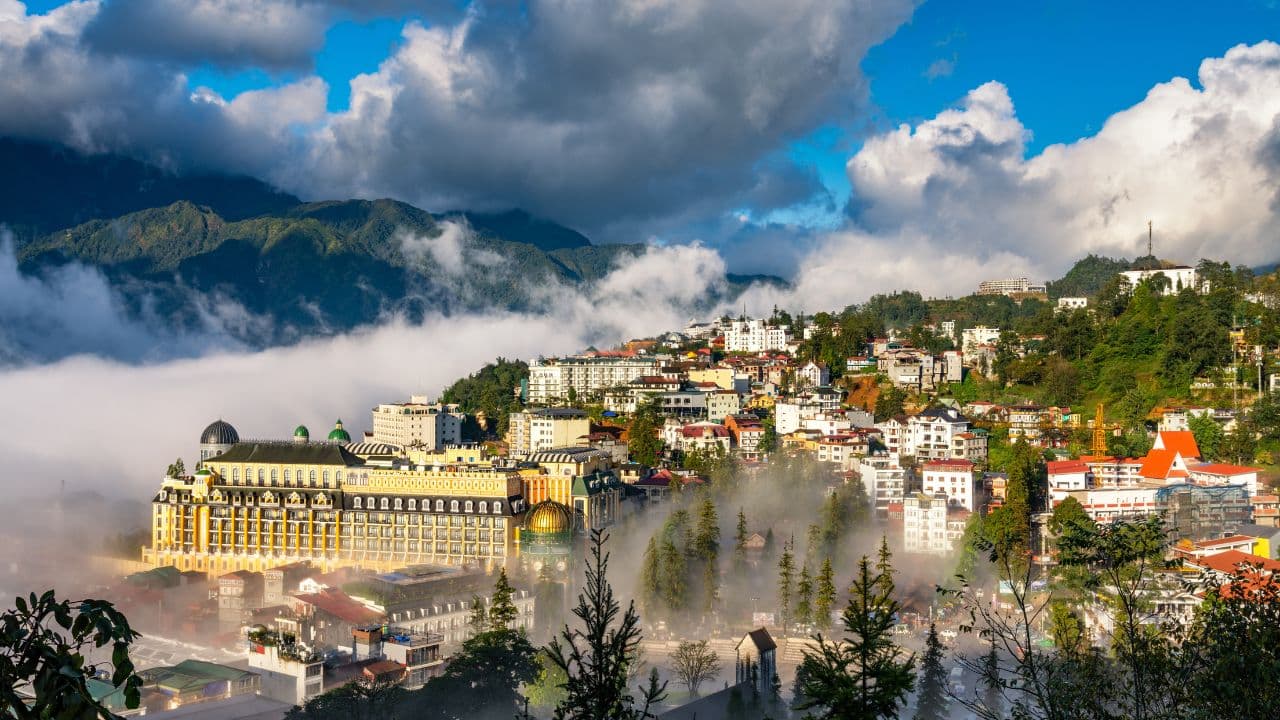
Sapa sits high in Vietnam’s northern mountains, offering dramatic landscapes of terraced rice fields that cascade down steep valleys. The scenery is breathtaking in every season, from lush greens during planting to golden tones at harvest. Treks take visitors through ethnic minority villages, where local traditions remain strong and daily life is shared openly with guests. Homestays allow travelers to connect with families, sharing meals and stories in an atmosphere that feels genuine. The cool climate adds to the appeal, providing a refreshing contrast to Vietnam’s tropical lowlands.
For those who value cultural depth and stunning nature, Sapa is unmatched.
What makes Sapa extraordinary is the way it combines adventure with authenticity, offering experiences that Thailand’s popular mountain towns rarely provide. Hikes can last from a few hours to several days, taking visitors through valleys, forests, and high peaks.
Along the way, travelers encounter vibrant markets filled with handmade crafts, colorful textiles, and regional foods. Photography enthusiasts are captivated by the interplay of light, mist, and terraces that create constantly shifting scenery. Even simple moments, like sipping tea in a mountain homestay, feel memorable here. Sapa is more than a destination, it is an immersion into culture and landscape that few places can match.
Da Nang

Da Nang is a modern coastal city that combines long sandy beaches with a vibrant urban center, creating a destination that feels both lively and relaxed. My Khe Beach stretches for miles, offering space for sunbathing, swimming, or simply walking along the shore. The city itself is clean and organized, with attractions like the Dragon Bridge and the Marble Mountains adding local character.
Unlike some of Thailand’s resort towns, Da Nang has a family-friendly feel, with a balance of relaxation and entertainment. Food lovers find plenty to enjoy, from street markets to fine dining, all centered on fresh seafood. Da Nang is proof that Vietnam can blend modern comforts with natural beauty in a way that feels seamless.
The appeal of Da Nang extends beyond the city itself, thanks to its location near several other must-see destinations. Hoi An is just a short drive away, offering cultural charm, while the imperial city of Hue provides a rich historical contrast.
Ba Na Hills, with its famous Golden Bridge held by giant stone hands, adds a surreal touch to any trip. The city’s international airport makes it easily accessible, yet it still feels less crowded than Thailand’s coastal hubs. Festivals and local celebrations bring extra energy, showing visitors another side of Vietnamese culture. With so much variety in one place, Da Nang proves to be one of Vietnam’s most versatile destinations.
Hue
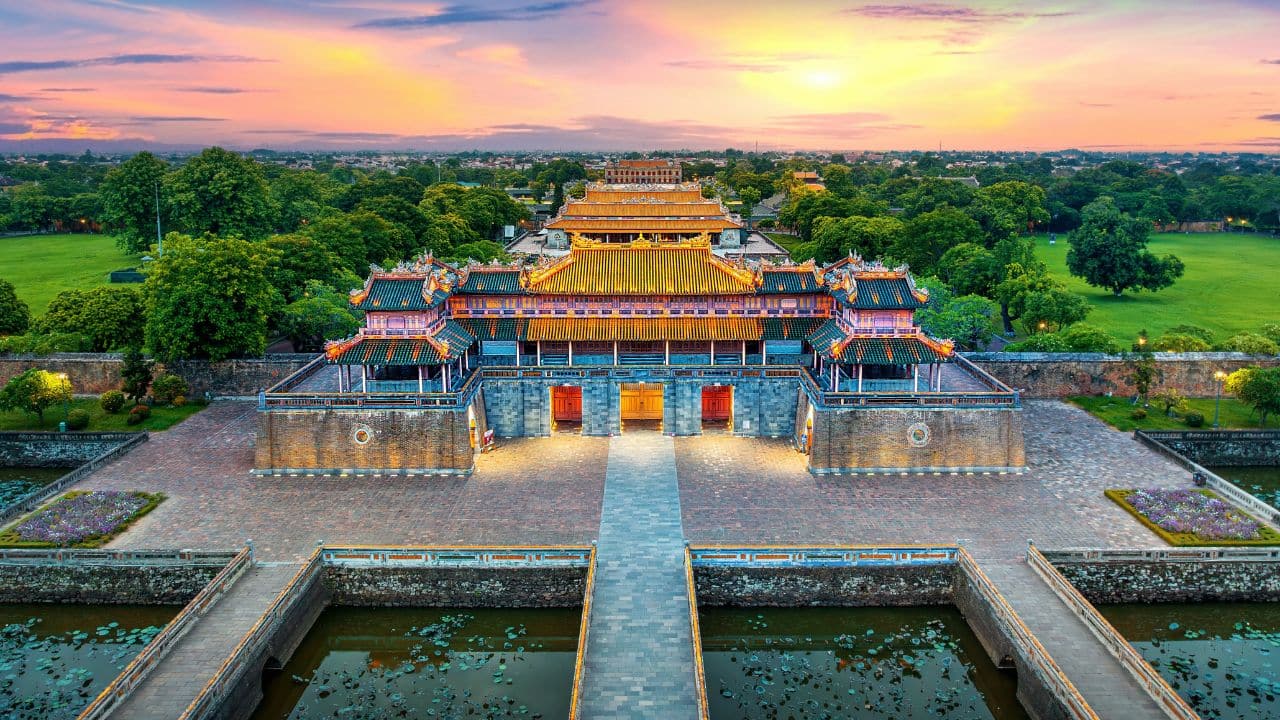
Hue, once the imperial capital of Vietnam, is a city steeped in history, culture, and refined traditions. The sprawling Citadel, with its moats, palaces, and temples, offers a glimpse into Vietnam’s royal past. Visitors can explore ornate tombs, pagodas, and gardens that reveal the sophistication of a bygone era.
Beyond architecture, Hue is also known for its cuisine, with dishes that were once prepared for emperors and remain famous today. The Perfume River flows gently through the city, adding to the calm and reflective atmosphere. For those seeking depth and history, Hue surpasses many of Thailand’s cultural sites.
The experience of Hue goes beyond sightseeing, offering immersion into Vietnam’s artistic and spiritual traditions. Visitors can join boat rides along the river, stopping at temples where monks continue centuries-old practices. Food tours highlight the city’s unique culinary identity, with delicate flavors that showcase balance and precision. Festivals add bursts of color and energy, celebrating local heritage with music and dance. Even the slower pace of life feels like part of the attraction, inviting travelers to reflect and absorb the city’s atmosphere. Hue is not just a place to visit but a city that invites deeper understanding.
Ninh Binh
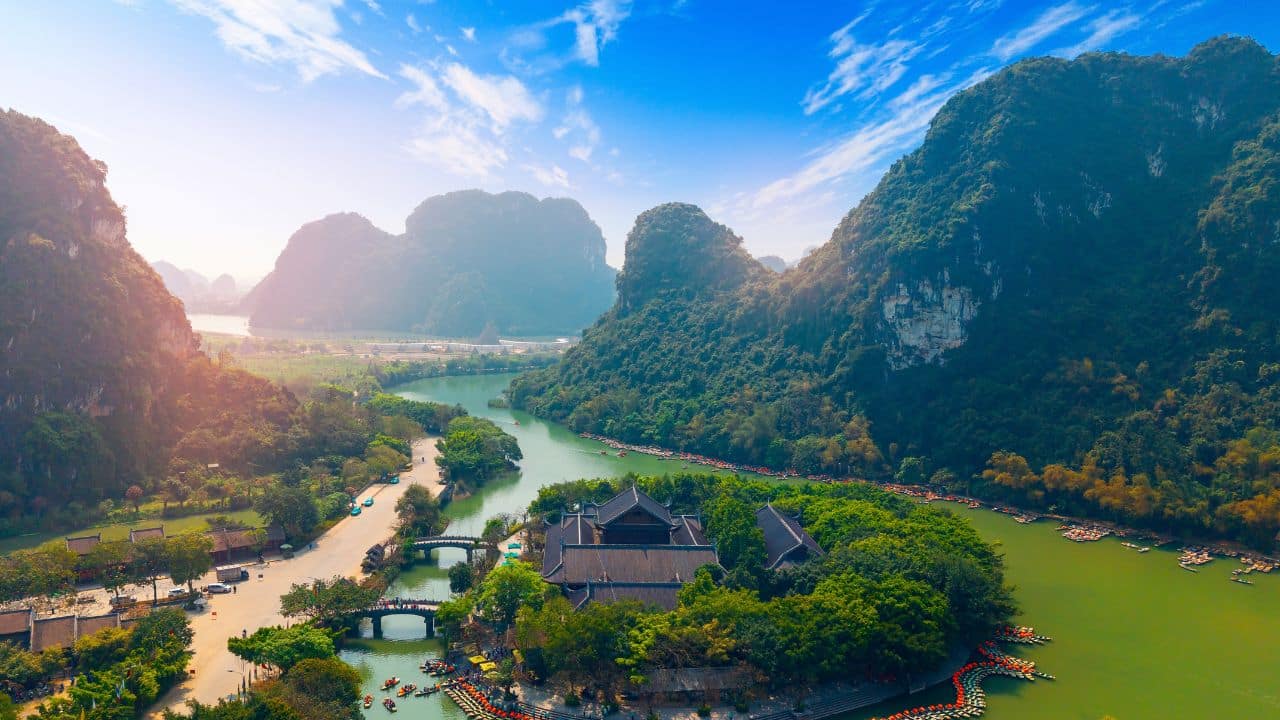
Ninh Binh, often called “Ha Long Bay on land,” features towering limestone karsts rising from rice paddies and winding rivers. Boat rides through Tam Coc or Trang An offer peaceful journeys past caves, temples, and dramatic landscapes. Unlike the crowded beaches of Thailand, Ninh Binh feels serene and untouched, perfect for travelers who want nature without distraction.
Cycling paths lead through villages where water buffalo graze and daily life unfolds slowly. The area combines natural beauty with spiritual depth, thanks to ancient pagodas and hidden shrines. Ninh Binh feels like a world apart, yet it is just a short trip from Hanoi.
What sets Ninh Binh apart is the immersive experience it offers, blending scenery with culture in a way that feels authentic. Travelers can hike up to viewpoints overlooking endless valleys, capturing scenes that look like paintings. Local homestays give insight into rural traditions, offering meals cooked with fresh ingredients from the land. Film enthusiasts recognize the area as a backdrop for major productions, yet it still retains its untouched charm. Wildlife lovers can explore nearby reserves where rare species thrive. For those seeking a mix of peace, culture, and natural beauty, Ninh Binh rivals anything Thailand offers.
Mui Ne
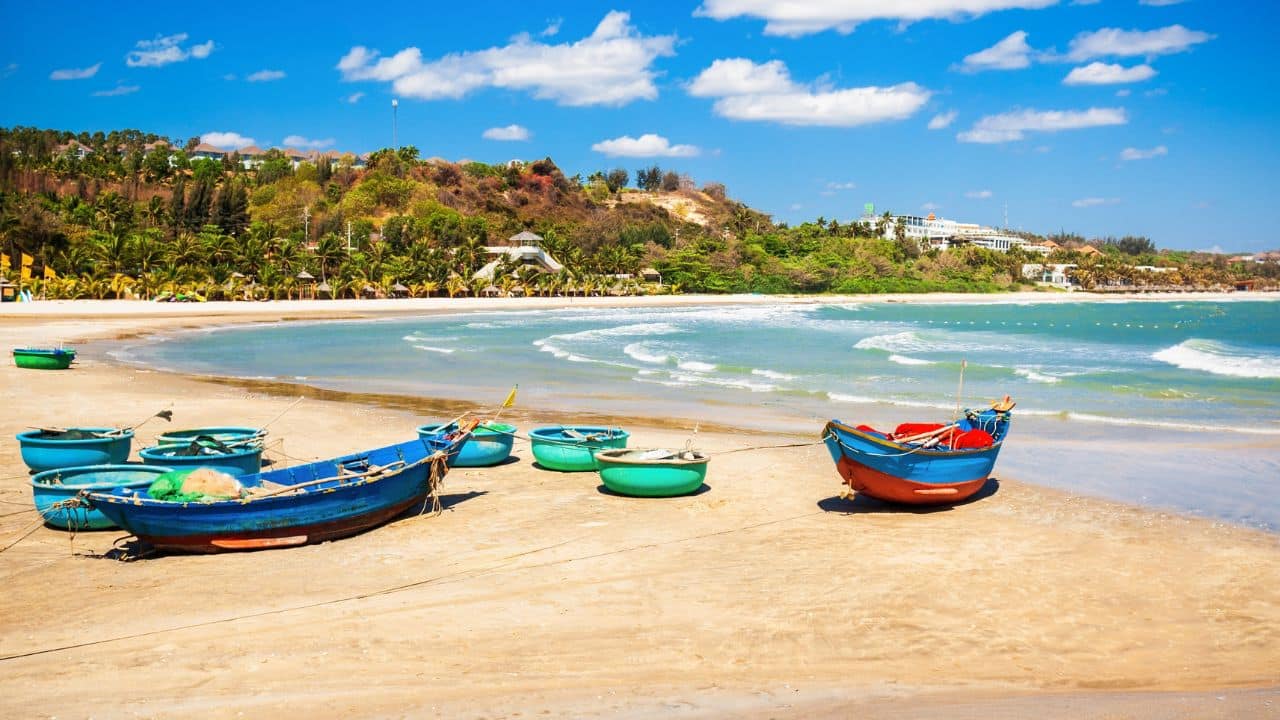
Mui Ne is a coastal town known for its unique landscapes of red and white sand dunes, creating an atmosphere that feels almost desert-like. These dunes provide opportunities for sandboarding, photography, and sunrise walks that feel unforgettable.
The town also boasts long beaches ideal for kite surfing, making it a hub for water sports. Unlike Thailand’s crowded resort towns, Mui Ne maintains a laid-back vibe where life feels slower. Seafood restaurants line the coast, offering meals fresh from the sea at affordable prices. For travelers who love both adventure and relaxation, Mui Ne delivers variety.
Beyond its natural highlights, Mui Ne offers cultural experiences that add depth to any visit. The Fairy Stream, a shallow creek surrounded by colorful rock formations, provides a scenic and peaceful walk. Fishing villages nearby show another side of daily life, with vibrant boats dotting the shore. Local markets offer both fresh produce and handmade crafts, giving travelers a chance to connect with the community. The climate is warm and dry year-round, making it a reliable destination for sun-seekers. With its mix of adventure, culture, and affordability, Mui Ne stands out as one of Vietnam’s most distinctive coastal spots.
Mekong Delta
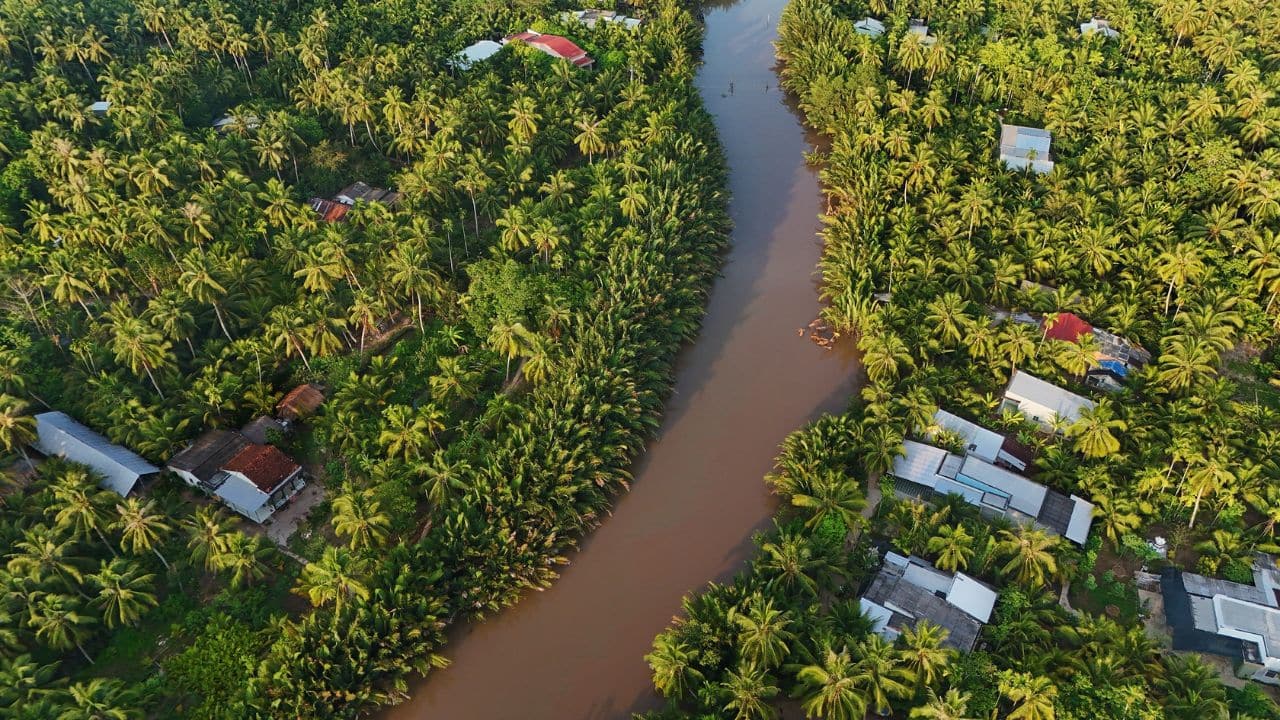
The Mekong Delta is a vast network of rivers, canals, and lush landscapes that feels worlds away from modern city life. Travelers explore floating markets where boats overflow with fruit, vegetables, and flowers, creating scenes of color and energy.
Villages along the waterways offer a chance to see how life revolves around the river, with traditions that have lasted for centuries. Boat tours bring visitors deep into the delta, where palm trees line narrow canals and birds fill the skies. Unlike Thailand’s crowded tourist circuits, the Mekong feels authentic and alive. It is a region that captures the heart of Vietnam’s connection to water.
The appeal of the Mekong Delta is its rhythm, a pace of life dictated by the river that feels timeless. Homestays allow travelers to share meals and conversations with local families, adding warmth to the experience. The diversity of the region is remarkable, with Khmer temples, fruit orchards, and endless rice fields adding variety. Cycling tours let visitors explore at ground level, moving between villages and landscapes at a gentle speed. Even short visits provide unforgettable memories, from watching sunsets over the river to joining morning market scenes. The Mekong Delta is not just a place to see but a way of life to experience.
Con Dao Islands
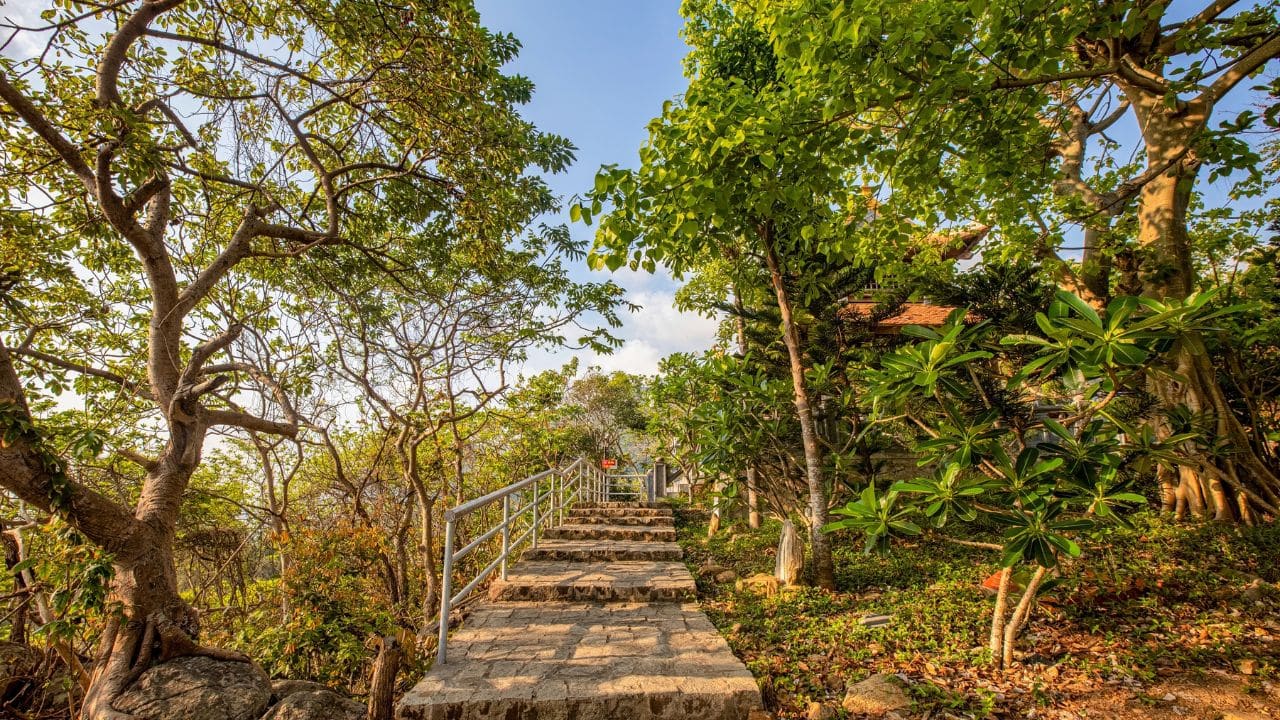
The Con Dao Islands are one of Vietnam’s best-kept secrets, offering pristine beaches, turquoise waters, and a sense of seclusion. Once known mainly for their history as a prison site, the islands are now celebrated for their natural beauty. Travelers can snorkel, dive, or simply relax on beaches that feel far removed from the world. Unlike Thailand’s famous islands, which often struggle with overtourism, Con Dao remains quiet and protected. The islands also host turtle conservation programs, giving visitors the chance to witness nature at its most inspiring. For those seeking true escape, Con Dao is unforgettable.
What makes Con Dao exceptional is the way it balances history, nature, and exclusivity. Visitors can explore historical sites that tell powerful stories of resilience while still enjoying the luxury of high-end resorts. The coral reefs remain vibrant thanks to conservation efforts, making snorkeling and diving world-class experiences. Hiking trails through forests reveal another side of the islands, filled with wildlife and scenic overlooks. Even simply walking along the beach at sunset feels special here, with fewer crowds to break the magic. Con Dao is proof that Vietnam still holds undiscovered treasures that rival any destination in Southeast Asia.
Ha Giang
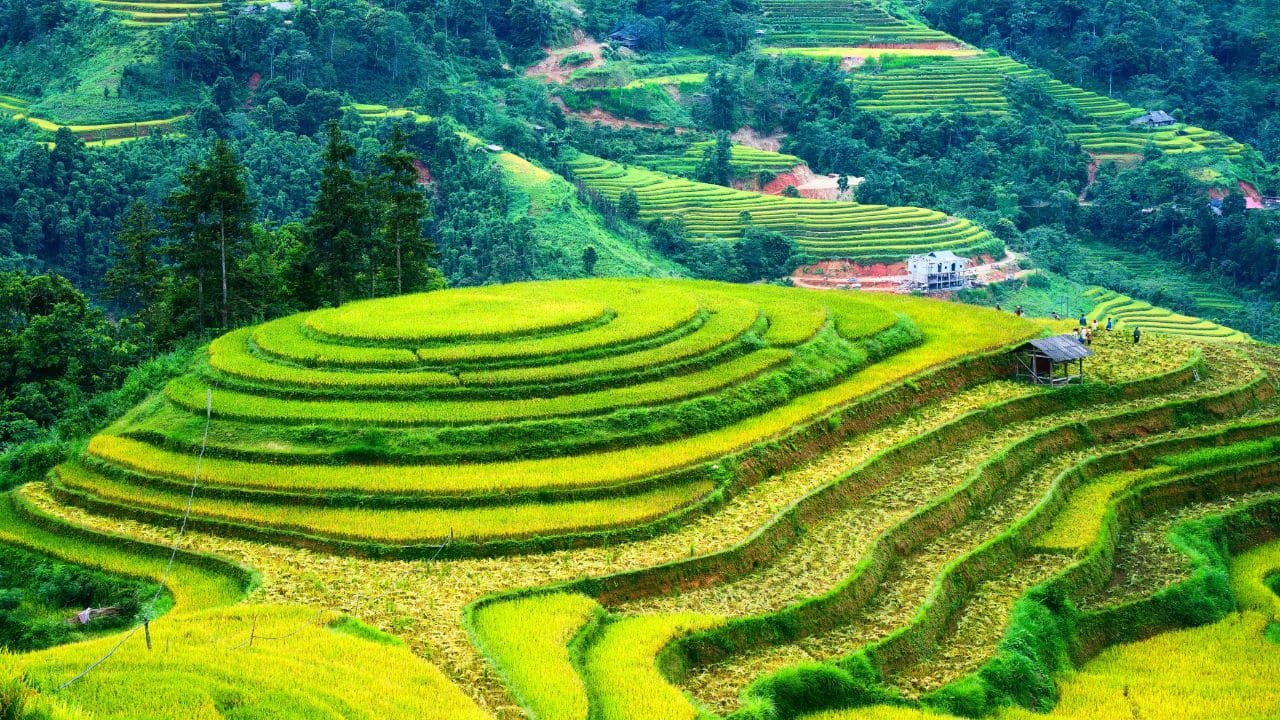
Ha Giang, in Vietnam’s far north, is a rugged region of mountains, valleys, and twisting roads that offer some of the most spectacular views in the country. The Ha Giang Loop, a motorbike journey through the region, has become legendary among adventurous travelers. Villages dot the mountainsides, where ethnic minority groups maintain traditions that feel centuries old.
The landscapes are raw and untamed, with towering peaks and deep gorges that create unforgettable panoramas. Unlike Thailand’s well-trodden circuits, Ha Giang feels wild and untouched. For travelers seeking adventure, it is Vietnam at its purest.
The region’s appeal comes not just from its scenery but also from the cultural encounters along the way. Homestays allow visitors to connect directly with local families, sharing meals and stories that feel genuine. Markets bring together people from across the mountains, offering a vibrant mix of colors, crafts, and foods. Roads can be challenging, but every turn brings another breathtaking view worth the effort. For photographers, Ha Giang is a dream, with endless opportunities to capture landscapes and life. This destination embodies the spirit of exploration that many travelers feel Thailand has lost.
Da Lat
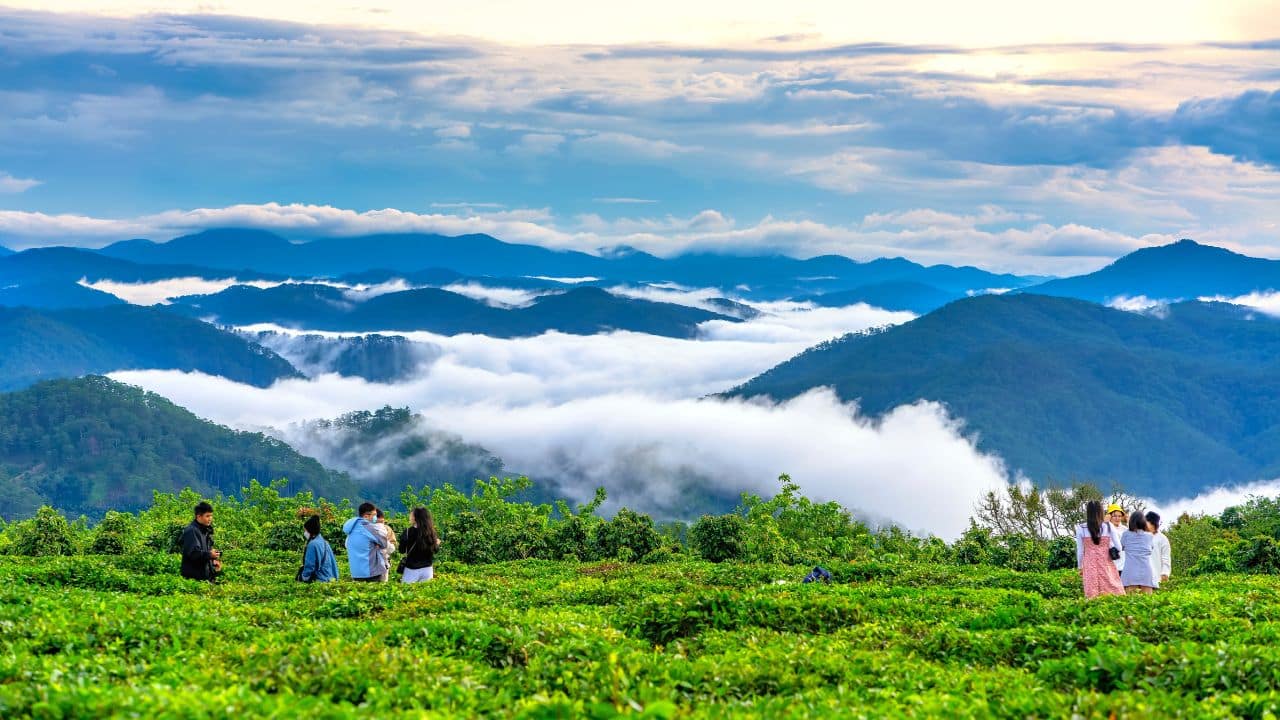
Da Lat, known as Vietnam’s “City of Eternal Spring,” offers cool mountain air, pine forests, and a romantic atmosphere. The French colonial architecture adds elegance, while flower gardens, lakes, and waterfalls create scenic beauty. Unlike Thailand’s mountain towns, which can feel crowded, Da Lat maintains a sense of calm and space.
Coffee lovers will enjoy visiting local plantations, where some of the world’s best beans are grown. Adventure seekers can try canyoning, hiking, or cycling through rolling hills. Da Lat’s balance of relaxation and activity makes it one of Vietnam’s most versatile destinations.
What makes Da Lat truly special is its unique character, blending European charm with Vietnamese warmth. The local night market comes alive with food stalls offering everything from hotpot to sweet treats. Couples find the city especially appealing, with scenic spots designed for romance and quiet reflection. The surrounding countryside offers endless exploration, from tea plantations to mountain viewpoints. Even just wandering the city streets reveals hidden corners filled with flowers and creativity. Da Lat feels different from anywhere else in Vietnam, and that uniqueness makes it unforgettable.