
Few cars capture the American spirit quite like the Chevrolet Corvette. Since its debut in 1953, this sports car has evolved from a charming roadster into a legitimate supercar competitor, all while maintaining its accessible charm and staying true to its roots.
Here’s why the Corvette has earned its place as an American automotive icon.
It Started as a Dream at a Detroit Auto Show

The original Corvette made its debut as a concept car at the 1953 GM Motorama in New York, and the response was so enthusiastic that Chevrolet rushed it into production the same year. Only 300 were built that first year, each one hand-assembled in Flint, Michigan.
That willingness to take a chance on something different set the tone for seven decades of innovation.
The C2 Stingray Became a Design Legend

When the second-generation Corvette arrived in 1963, it brought styling that still turns heads today. The split rear window on the 1963 coupe lasted only one year; it was dropped for 1964 largely due to visibility concerns that were raised internally, but that rarity made it one of the most collectible American cars ever built.
The hidden headlights and sculpted body lines influenced sports car design for years to come.
It Made Performance Affordable for Regular People
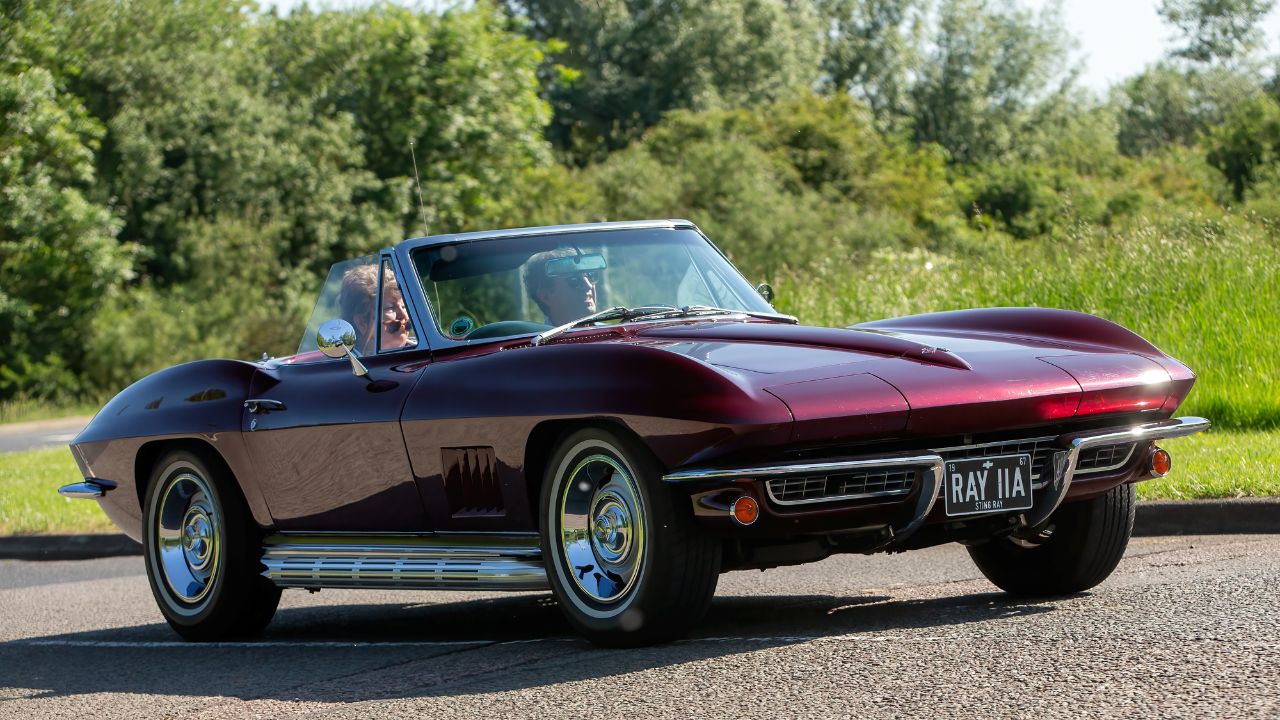
Unlike European exotics that required family fortunes, the Corvette offered genuine sports car thrills at Chevrolet prices. In 1967, the Corvette’s base price was about $4,388 for the coupe (about $4,240 for the convertible), while a Ferrari 275 GTB cost several times more in the period, commonly cited at around $14,000 as a starting price in the mid-1960s (market- and spec-dependent).
This democratization of performance meant that teachers, small business owners, and engineers could experience the joy of a true sports car.
The ZR1 Proved America Could Build Supercars
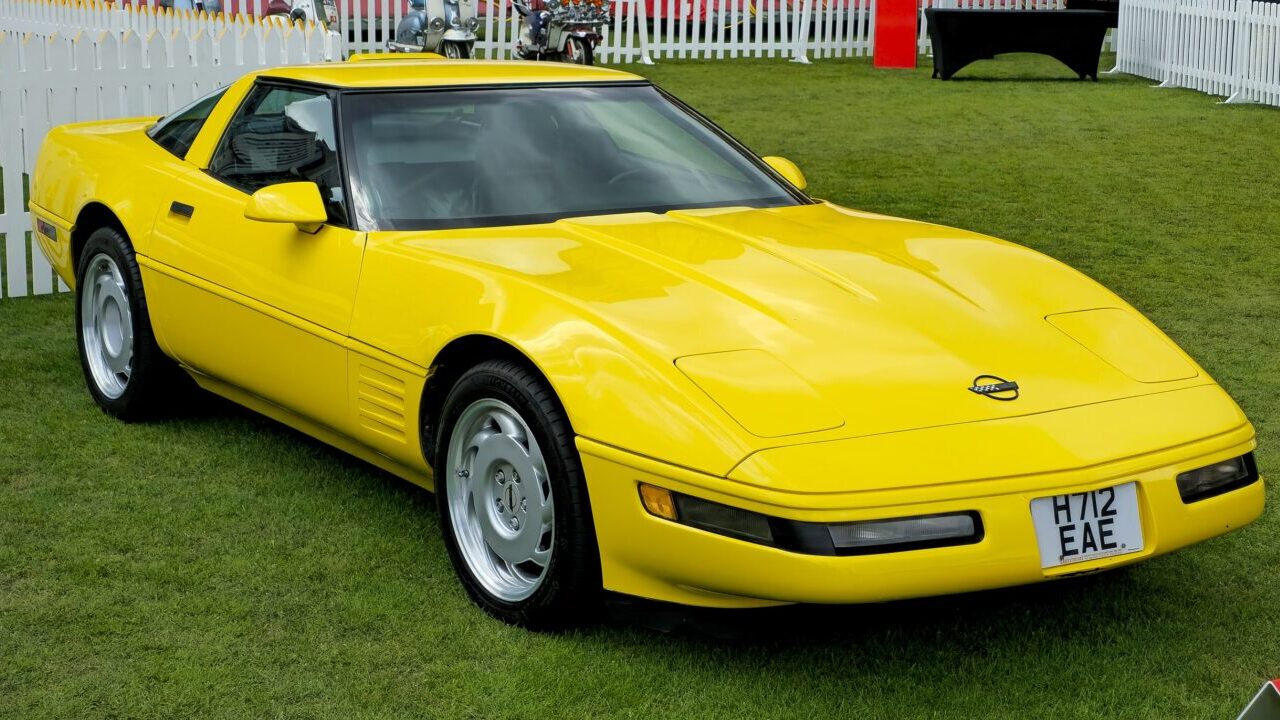
When the C4 ZR1 launched in 1990 with a 375-horsepower LT5 engine developed with Lotus, it could hit 60 mph in under 5 seconds and reach 180 mph. This wasn’t just fast for an American car, it was fast by any measure, competing directly with Porsche and Ferrari.
Suddenly, the Corvette wasn’t just a sports car; it was a supercar killer.
Astronauts Made It Their Ride of Choice
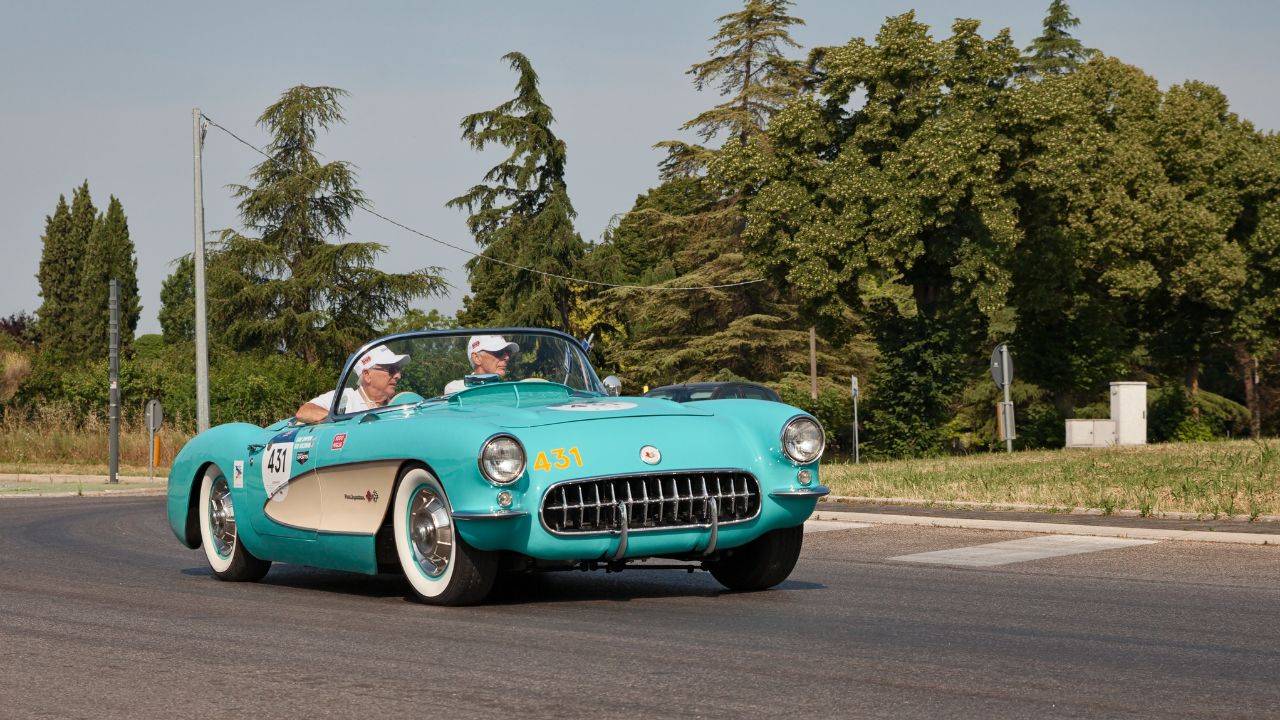
NASA astronauts have long favored Corvettes, starting when Edward N. Cole gifted Alan Shepard a new 1962 Corvette shortly after his 1961 flight. After that a special lease program in the 1960s was arranged by a Florida Chevrolet dealer.
This connection between America’s space pioneers and America’s sports car created a cultural association that elevated the Corvette’s status beyond just another car.
It Survived When Other American Sports Cars Didn’t

The Corvette outlasted every domestic competitor, from the Ford Thunderbird to the Dodge Viper. While other automakers abandoned their sports car dreams during tough economic times, Chevrolet kept the Corvette going through oil crises, recessions, and market shifts.
That persistence across eight generations shows a commitment that car enthusiasts respect.
The C7 Z06 Delivered Track Performance for $80,000

The C7 Z06 made 650 horsepower, and performance depended on configuration: in testing, some examples ran 0–60 in the high-2-second range, while Chevrolet also quoted a 2.95-second 0–60 figure.
Base pricing for the 2015 Z06 coupe was reported around $78,995, including destination (with the convertible higher), and options/packages could raise the price significantly.
It Went Mid-Engine and Shocked Everyone

After 66 years of front-engine tradition, Chevrolet completely reimagined the Corvette with the 2020 C8. Moving the engine behind the driver improved weight distribution and handling dramatically.
The bold move paid off, GM said the first-year run was close to sold out soon after launch, reflecting extremely high demand, and finally gave the Corvette the exotic supercar layout it deserved.
The Small-Block V8 Became an Engineering Icon
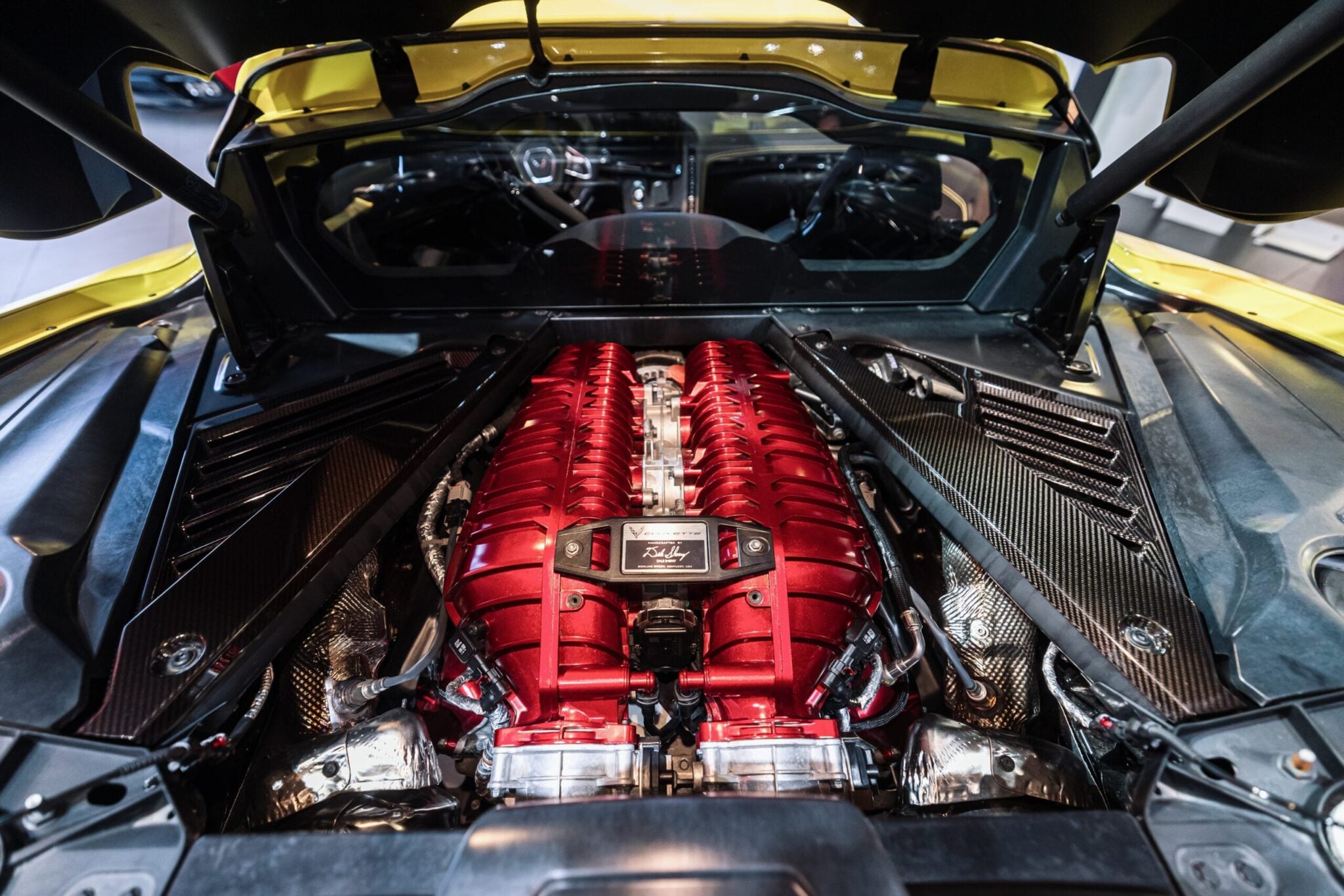
The Corvette’s various small-block V8 engines powered everything from muscle cars to trucks, but they truly shined in the Corvette. Early Corvettes started with the 235-cubic-inch ‘Blue Flame’ inline-six; later, small-block V8s like the 265 became foundational, leading up to modern LT-series engines making over 500 horsepower. These engines proved that lightweight, compact V8s could deliver both reliability and performance.
Millions have been built, and aftermarket support is unmatched.
It Dominated Production Car Racing
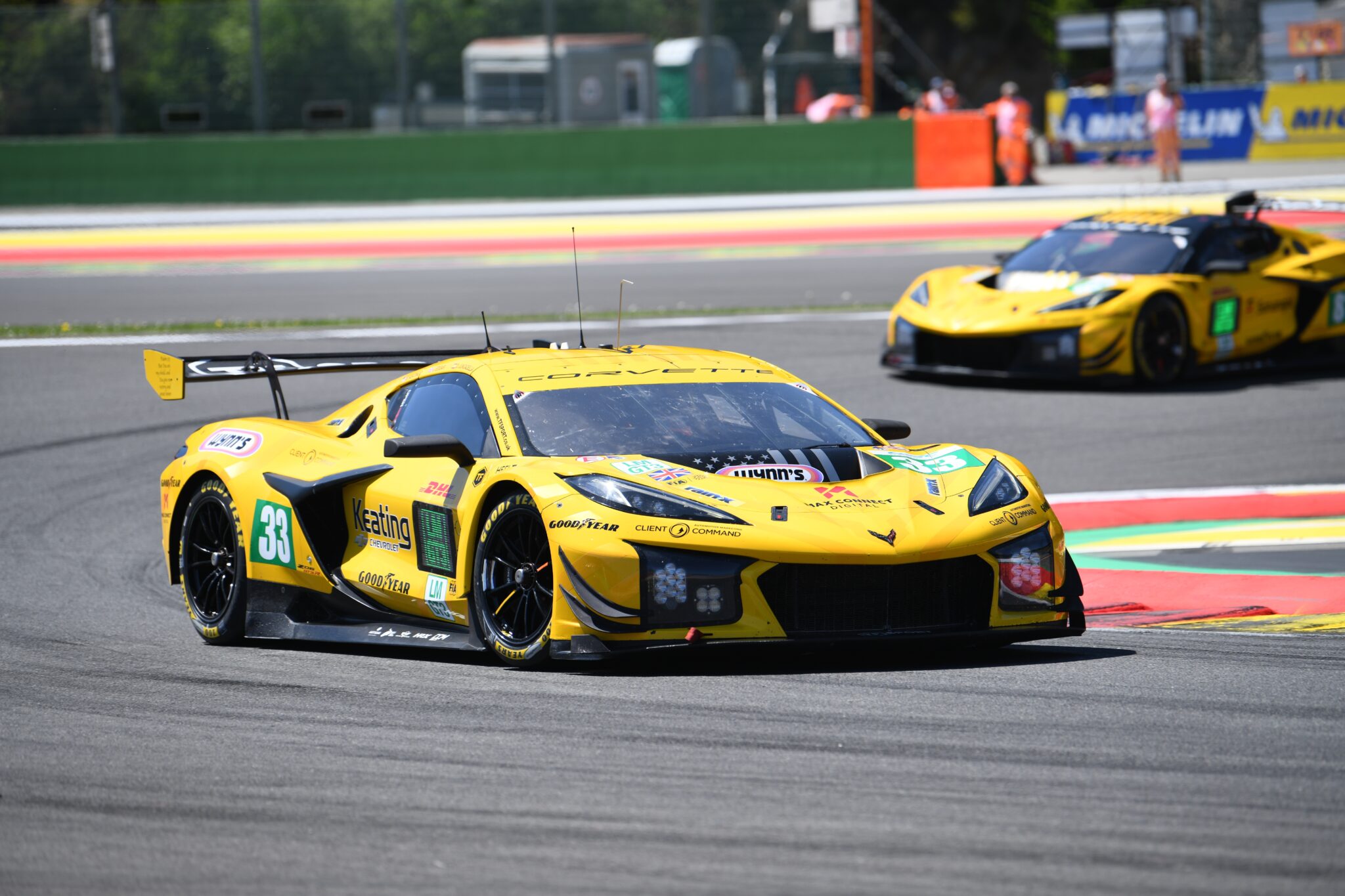
Corvettes have won their class at the 24 Hours of Le Mans multiple times, proving they’re not just fast in a straight line. The Corvette Racing team’s success in endurance racing, including multiple class wins at Le Mans in the modern era, with GT-class victories in 2001, 2002, 2004–2006, and 2009, showed that American engineering could compete with Europe’s best.
These victories translated directly to improvements in production models.
Three Generations Bought the Same Car

Corvette ownership often spans generations, with grandparents, parents, and kids all falling for the same car. This multigenerational appeal is rare in the automotive world, where most sports cars skew heavily toward either younger or older buyers.
The Corvette manages to feel both classic and contemporary, depending on which generation you’re looking at.
The C8 Z06 Screams to 8,600 RPM

The C8 Z06’s naturally aspirated 5.5-liter V8 is the highest-revving production engine ever offered in a Corvette, producing 670 horsepower. In an era where most manufacturers are downsizing and turbocharging, Chevrolet built a flat-plane crank V8 that sounds like a Ferrari and undercuts many exotic mid-engine rivals by well into six figures, depending on which models and trims you compare.
It’s a reminder that the Corvette still does things its own way.
Conclusion

The Corvette’s longevity comes down to more than just good engineering or smart pricing: it’s about staying true to an idea. For over 70 years, it has represented the notion that exciting, beautiful, high-performance cars shouldn’t be exclusive to the wealthy.
Whether it’s a 1963 Stingray in a garage or a C8 Z06 carving up a racetrack, the Corvette remains proof that American automakers can build sports cars that rival anything in the world. That’s what makes it cool.