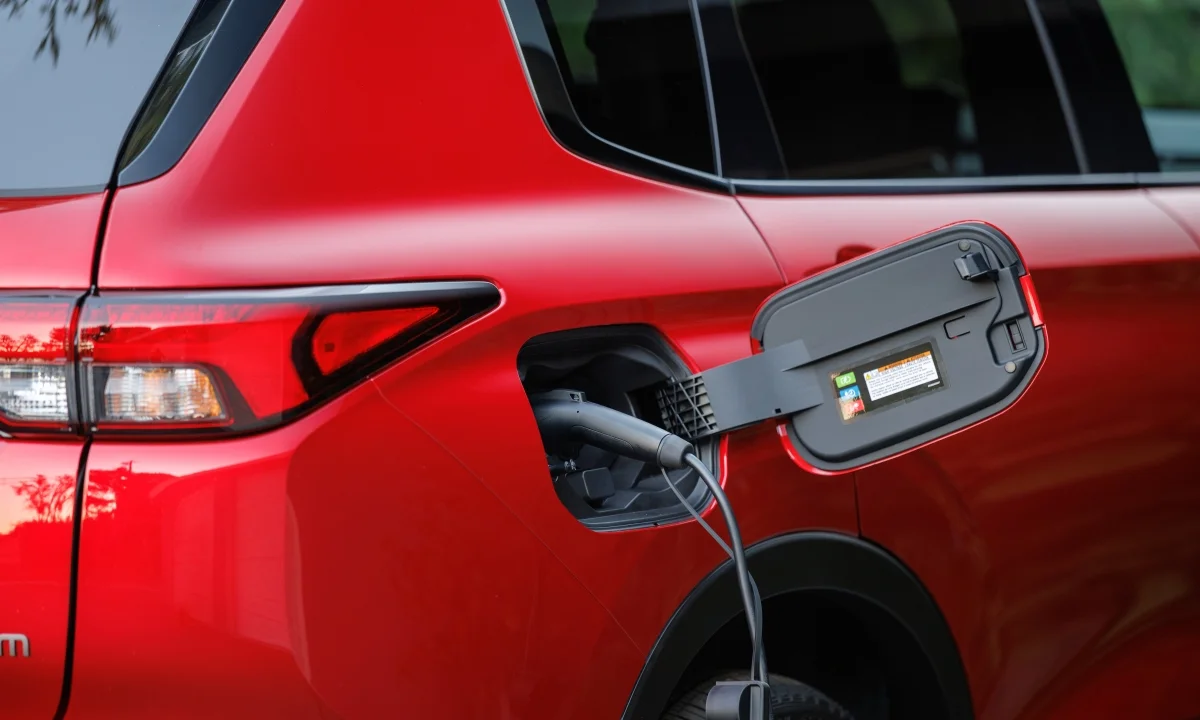
The automotive industry is in a strange place at the moment. On the face of it, we are in an electric revolution, and more and more manufacturers seem to be adding EVs to their lineups. But for the most part, electrification isn’t selling, and one segment of this that is suffering is that of plug-in hybrids.
In fact, in the United States, less than five percent of sales of new cars were plug-in hybrids (PHEVs). For various reasons, consumers are rejecting them, and the reasons behind this aren’t necessarily straightforward.
As it transpires, cost, reliability, behavioral habits, and other reasons are all behind why PHEVs seem to be being rejected by buyers in North America. In some ways, given how fully-electric vehicle sales seem to have stagnated, it is a surprise that these hybrids aren’t more popular. Many want that electrical power, but don’t want to give up on the combustion engine.
But the deeper we dig into the subject, the clearer the reasons behind it seem to be. You only have to look at the disadvantages of PHEVs to suddenly become more aware as to why they are being rejected by American consumers.
What Are the Disadvantages of a Plug-In Hybrid Car?
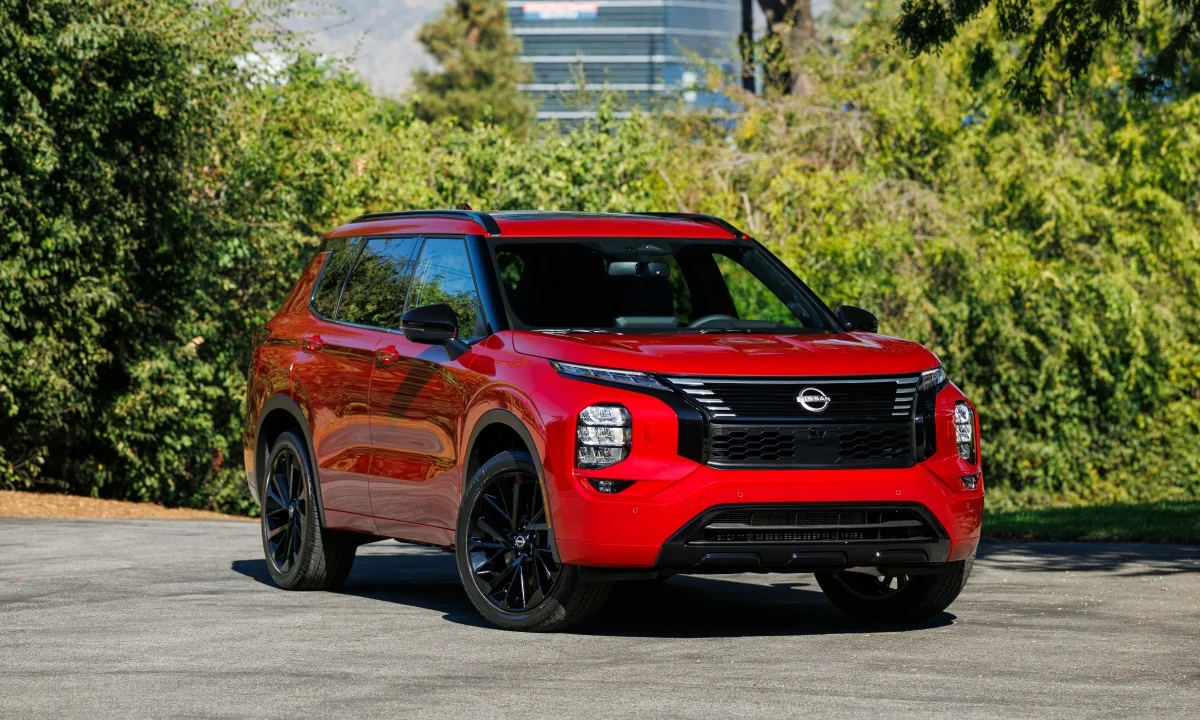
PHEVs certainly have some disadvantages over other types of vehicles. For starters, there are the prices of them. PHEVs often come with a more expensive price tag than a regular hybrid, due to their extra complexity with the need to recharge them. But you could argue this is offset by lower long-term fuel costs. The initial cost, however, is enough to put buyers off.
The need to recharge these hybrids is another factor. Regular hybrids don’t need plugging in, but as the name suggests, PHEVs need to be plugged in to get the additional benefits of the electrical power. So you need easy access to chargers, either at home or nearby. Yes, you can run the PHEV on just the combustion engine, but that defeats the point of having one. You may as well have just bought a regular combustion vehicle.
Reliability concerns are another factor. According to the 2025 JD Power US Initial Quality Study, PHEVs came out below fully-electric vehicles in terms of reliability. A 2026 study showed that PHEVs can be the most troublesome form of powertrain. All of these factors do add up, and it’s led to this unusual situation of rejection for PHEVs.
Why Consumers May Be Drawn To A PHEV Regardless
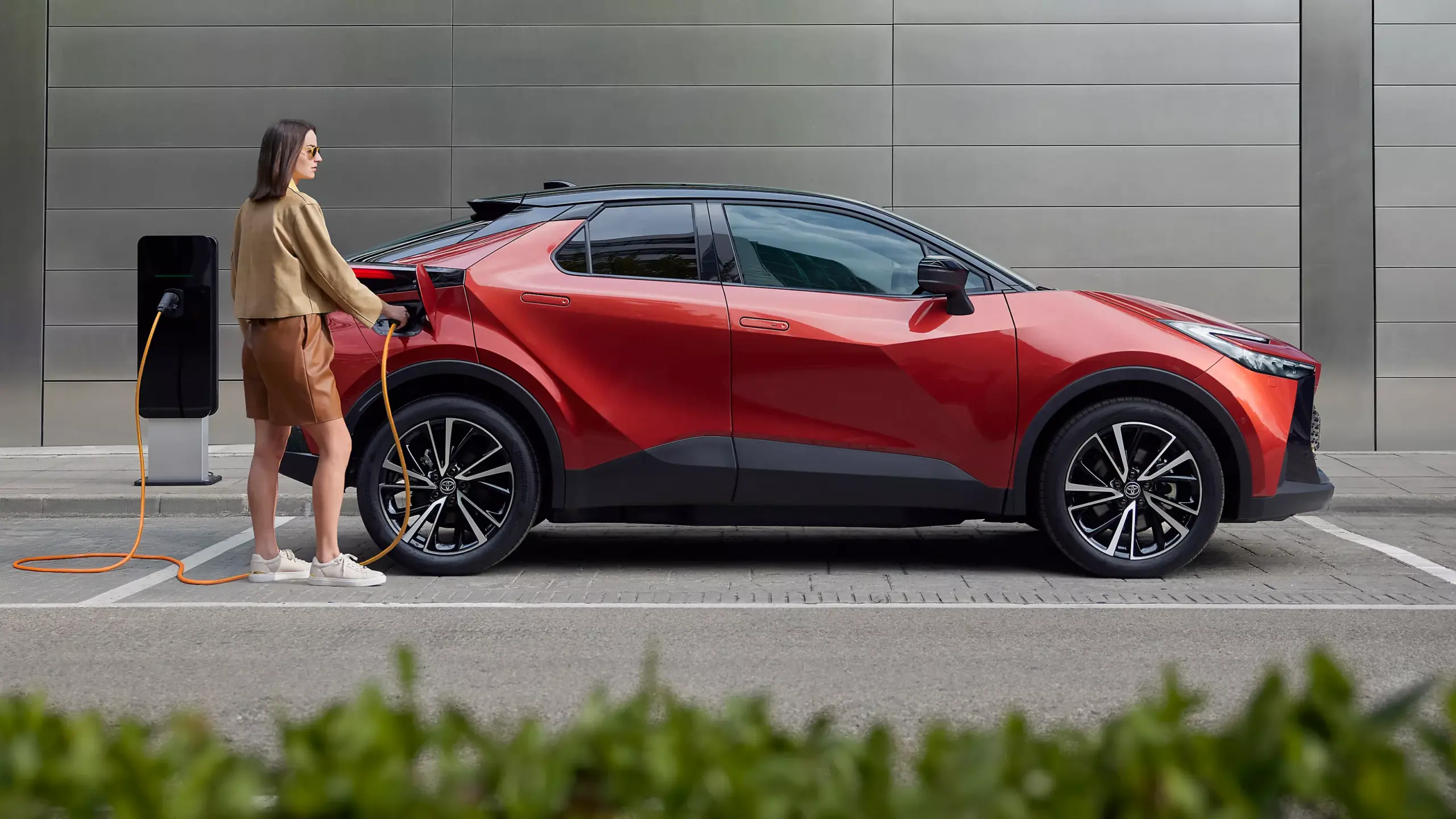
Despite the problems, it is important to consider the other side of the coin. That is, why would people invest in a plug-in hybrid over any other type of car? Regular hybrids are clearly more preferable to consumers, but that isn’t to say that the PHEV doesn’t have its own advantages, despite the reasons they are being rejected.
PHEVs offer a little bit of extra grunt over regular hybrids, and certainly over some combustion-powered cars. That extra grunt from the electric motors is most noticeable when you first pull away. Power isn’t necessarily the most important thing for daily driving, but it can be a factor for some.
If you do have a home charger, then recharging the car may not be a massive issue. Now, if you are on a long drive or going on vacation, it could be an issue. But while you are at home and perhaps not travelling far, there is little reason to be stressed out about it. The extra efficiency is an added bonus as well, so PHEVs do make perfect sense in several ways.
Is Electrification The Future For The Automotive Industry?
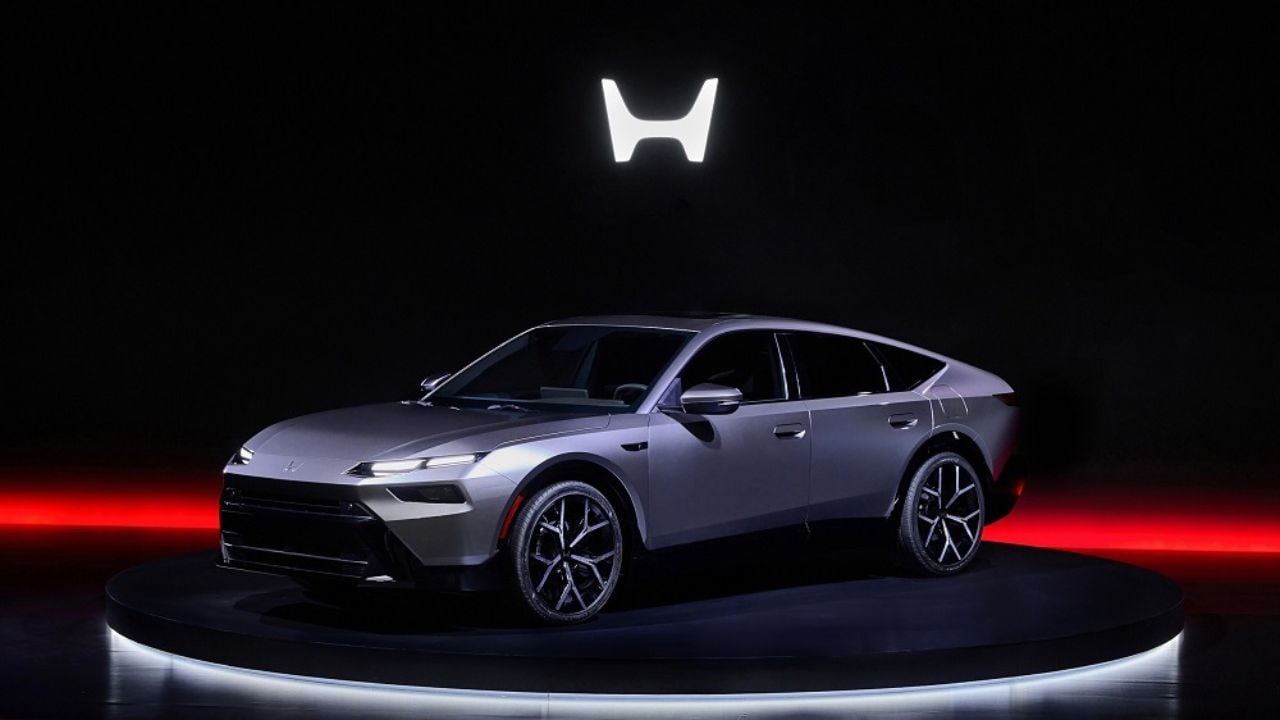
It does raise the question as to whether electric vehicles, of any kind, are the future of the industry. Companies that once pledged to stop producing combustion-only vehicles are starting to reign back on this. Lotus is one of them. Others are investing more in hybrids, rather than simply focusing on battery-electric vehicles.
The high prices of electric vehicles and the relatively poor charging infrastructure in various countries are two big reasons for this. Even though some electric cars can go well over 200 or 300 miles, range anxiety is still a factor. So, the debate for what is best for the automotive world is likely to rumble on for some time.
I own a 2021 Toyota Rav 4 Prime XLE .It currently has 120,000km on it with ZERO issues. Our range is 70km on full electric. We very rarely exceed this with our lifestyle. Of the 120,000 km >,at least 90,000km has been on on full electricity meaning that our engine has only ran for 30,000 km. On gasoline. You fail to mention that the Engine ( at our current lifestyle) should easily last 200,000 or 20 YEARS with similar driving habits such as ours.