The Toyota GR86 is one of the cleanest modern answers for anyone who still cares about driving. It is light, rear-wheel drive, available with a manual transmission, and built around the kind of balance that makes a simple road feel interesting.
That also makes it a useful price benchmark. Toyota lists the 2026 GR86 at $31,400 base MSRP before destination, taxes, title, license, and options, which opens a fascinating door into the classic market.
For similar money, or often less, buyers can still find 1980s performance cars with turbochargers, V8 torque, rotary character, pop-up headlights, digital dashboards, wedge-shaped bodies, and a more mechanical feel than most new cars can offer.
These cars demand more patience than a new Toyota. They also offer something no modern showroom can fully recreate: a direct link to an era when performance cars felt raw, experimental, and full of personality.
Where Old-School Speed Still Makes New Cars Nervous
The best choices here needed real 1980s performance credibility, not just a sporty badge or nostalgic shape. Each car had to offer a meaningful driving experience through power, handling, layout, engine character, or period reputation.
Market position also mattered. Clean driver-quality examples still need to make sense against the price of a new GR86. Rare museum-grade cars, ultra-low-mile examples, and special trims can move above that line, but the focus here is on cars buyers can realistically search for.
A strong service history matters more than chasing the cheapest listing. Old performance cars can hide expensive problems in cooling systems, timing belts, turbochargers, electronics, interiors, and previous repairs.
These five cars stand out because they still feel exciting and distinctive without automatically jumping beyond new-GR86 money. They are not substitutes for a new Toyota; they are alternatives for buyers who want an older car with more story and more mechanical texture.
1986 to 1989 Porsche 944 Turbo

The Porsche 944 Turbo is the refined choice in this group. It does not have the instant recognition of a 911, but it has balance, steering feel, turbocharged pace, and serious Porsche engineering.
Early U.S. 944 Turbo models used a turbocharged and intercooled 2.5-liter four-cylinder rated at 217 hp. The 1988 Turbo S and 1989 Turbo brought output to about 247 hp, making the later cars especially desirable.
All 944 Turbos used Porsche’s front-engine, rear-transaxle layout, which helped give the car excellent balance. That is the core of the appeal. The 944 Turbo feels composed, mature, and genuinely capable rather than just quick in a straight line.
It still fits the GR86 comparison when judged against normal market activity. Classic.com currently lists the Porsche 944 Turbo average around the high-$20,000 range, keeping many driver-quality examples below the GR86 benchmark, while rare Turbo S cars and exceptional low-mile examples can move much higher.
1985 to 1989 Toyota MR2

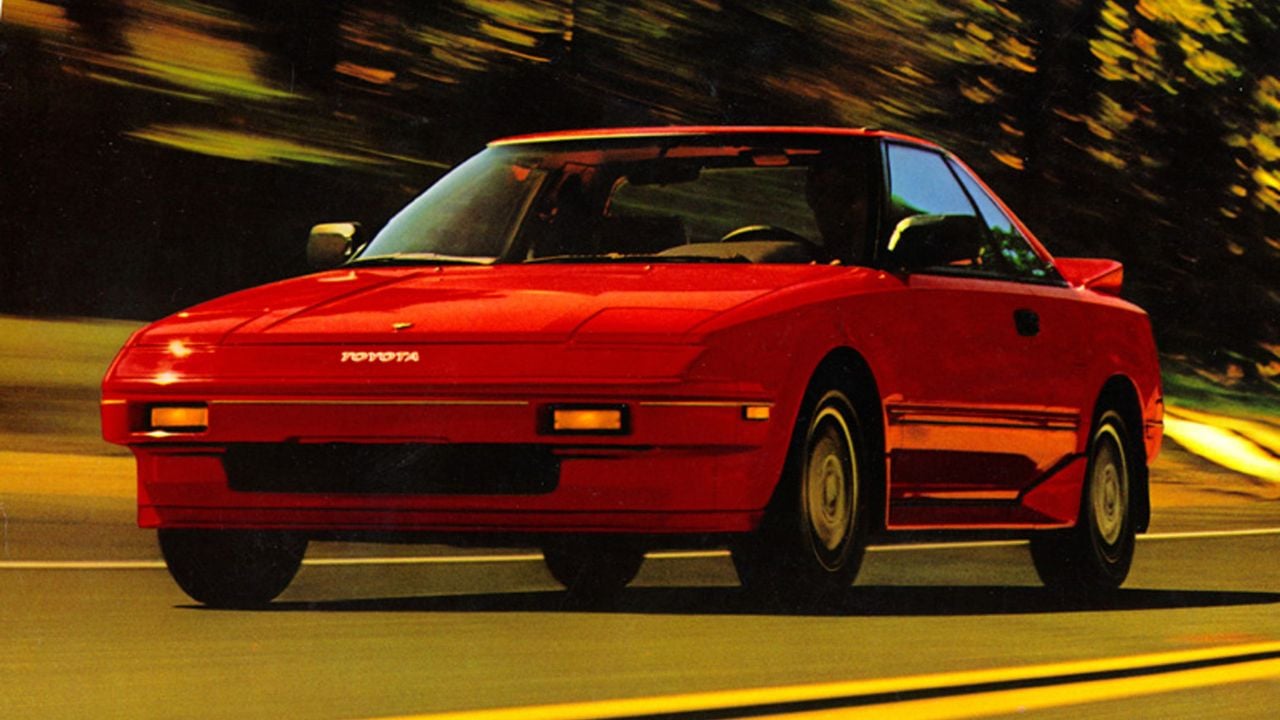
The first-generation Toyota MR2 proves that performance does not always need big power. Its appeal comes from layout: a mid-engine design, compact size, low weight, and crisp steering that made the AW11 feel far more exotic than its price suggested.
The standard car is already fun, but the 1988 to 1989 supercharged version is the one many enthusiasts want most. With its 1.6-liter supercharged four-cylinder rated at 145 hp and 140 lb-ft of torque, the MR2 gained the extra punch its sharp chassis deserved.
The AW11 is small, playful, and easy to place on the road. It does not deliver the grip, safety, or refinement of a new GR86, but it gives buyers mid-engine character in a simple, lightweight package.
Values remain friendly compared with a new GR86. Classic.com lists the first-generation Toyota MR2 average at $15,669, while supercharged W10 examples average around the low-$20,000 range, leaving many clean drivers below new-GR86 money unless the car is unusually preserved or rare.
1985 to 1989 Chevrolet Corvette
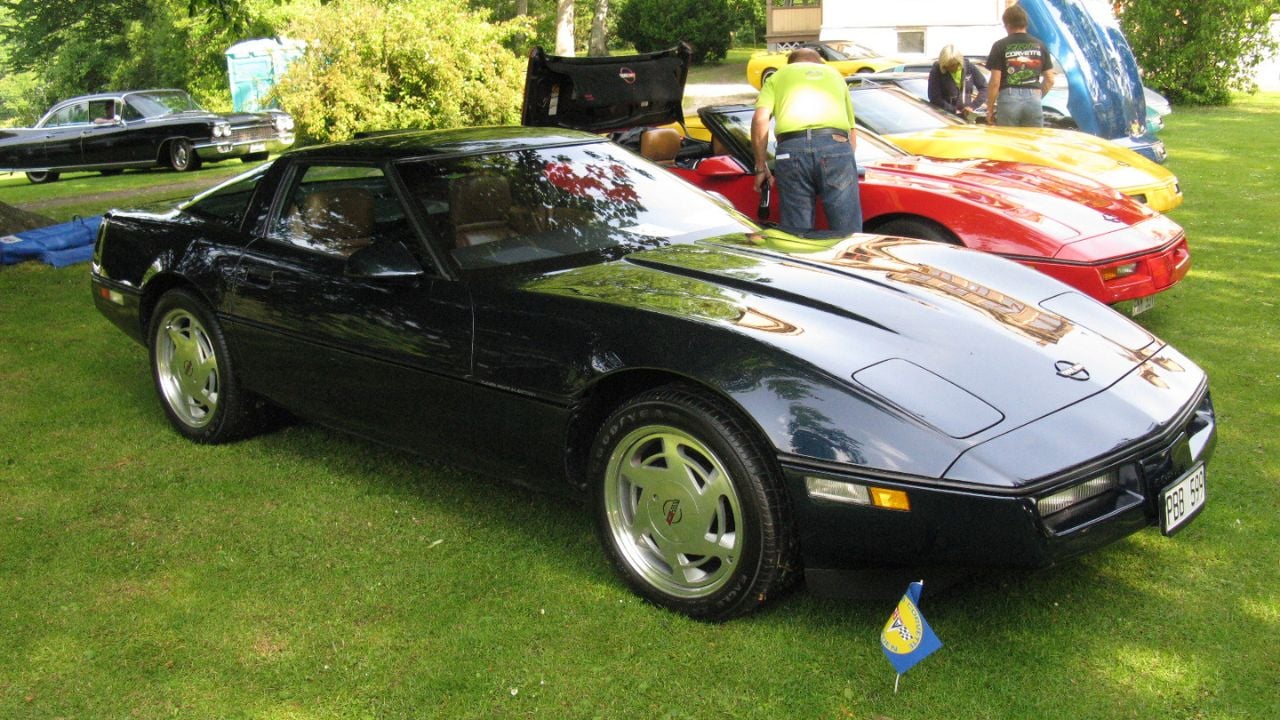
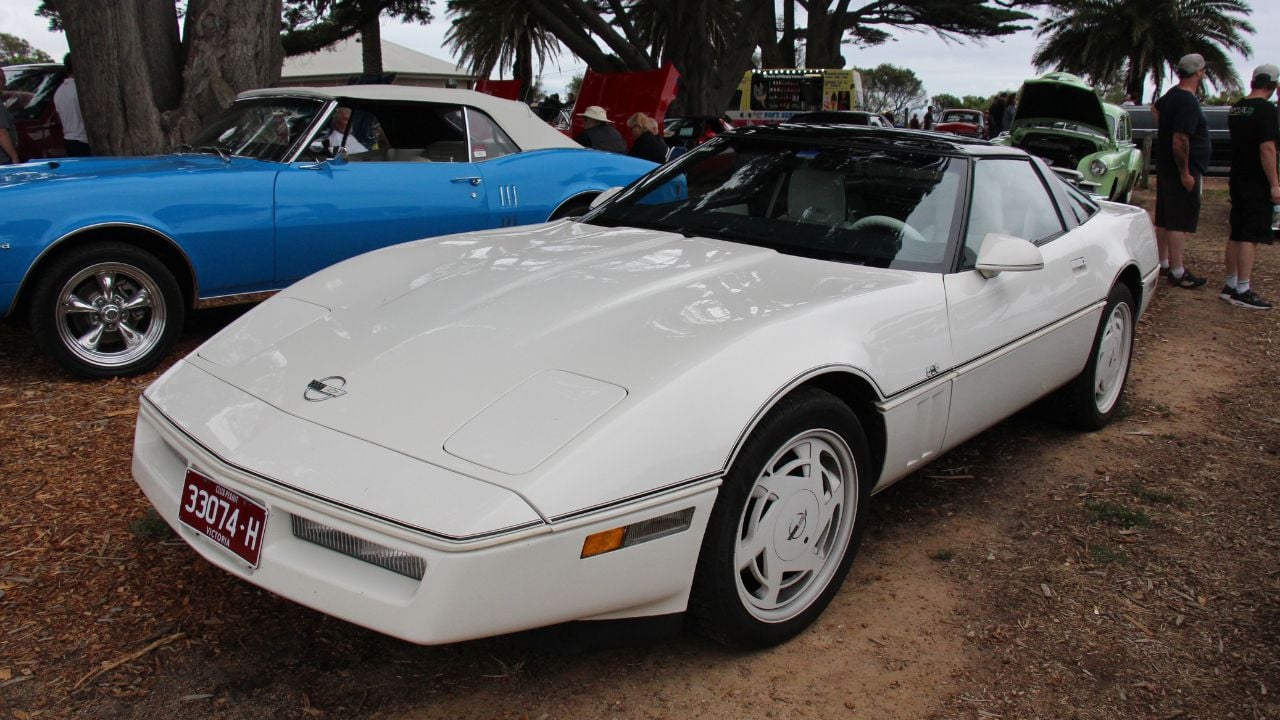
The C4 Corvette is still one of the strongest 1980s performance bargains because it gives buyers a real American sports car for surprisingly approachable money.
The 1985 update made the car much more appealing with the L98 350-cubic-inch V8 rated at 230 hp and 330 lb-ft of torque. Output rose later in the decade, with 1987 to 1989 cars commonly listed at 240 hp and 345 lb-ft.
That torque gives the C4 a very different personality from a GR86. The Toyota is cleaner and more precise, but the Corvette has low-end pull, a wide stance, pop-up headlights, a digital-era cabin, and unmistakable 1980s American sports-car presence.
Current C4 values still make the car look like a bargain beside the GR86. Classic.com lists the overall C4 Corvette average in the low-$20,000 range, while base C4 models average around the mid-teens, leaving many driver-quality examples well under the 2026 GR86’s $31,400 base MSRP.
1987 to 1989 Mazda RX-7 Turbo II
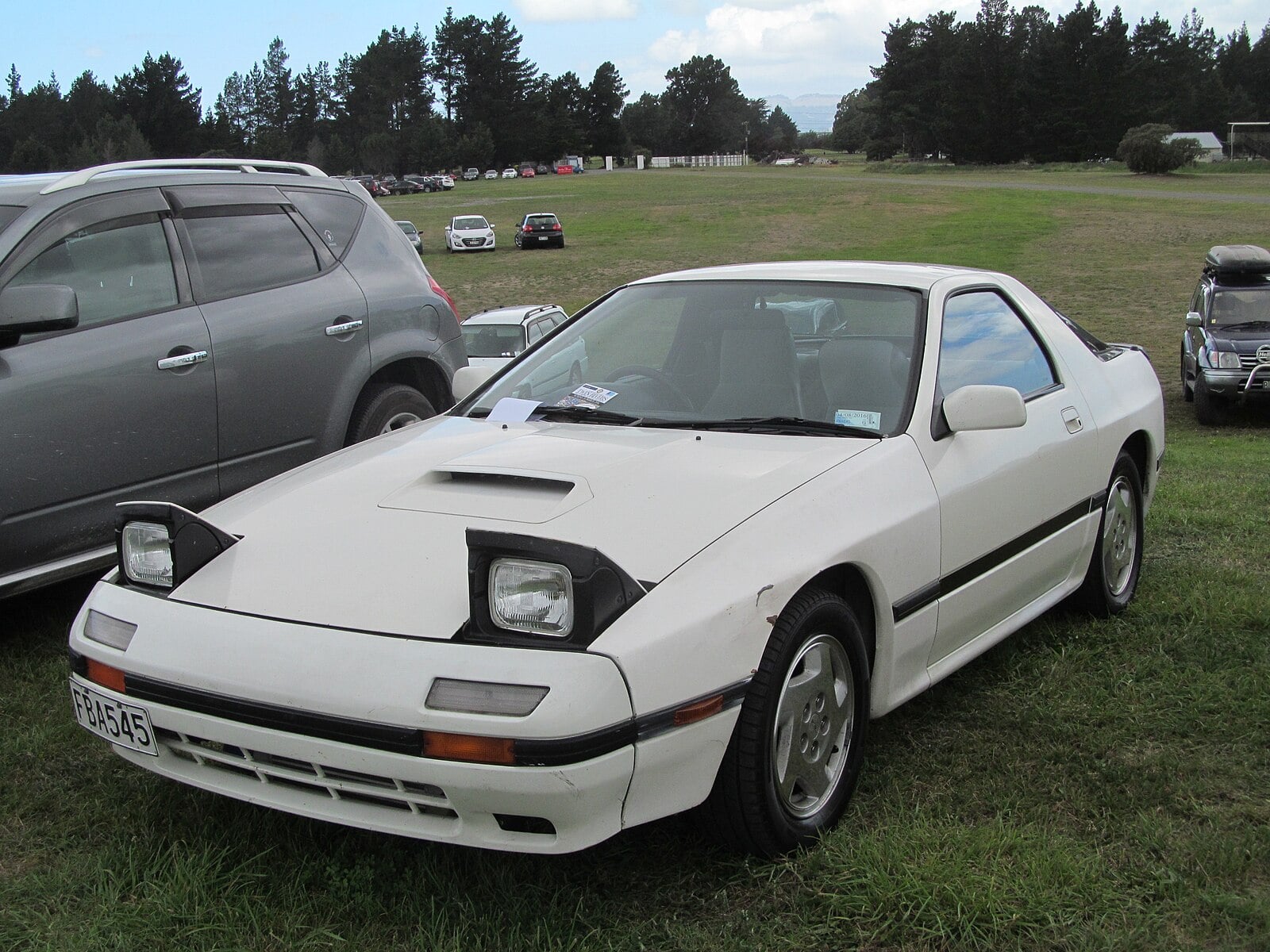
The second-generation Mazda RX-7 gives this list its rotary soul. The FC generation was more mature than the original RX-7, but it kept the engine character that made Mazda’s sports cars feel different from nearly everything else.
The 1987 to 1989 Turbo II is the version that best fits this article’s 1980s focus. Early U.S. Turbo II cars were rated around 182 hp, while later 1989 Series 5 examples reached about 200 hp depending on source and rating convention.
The numbers do not fully explain the car. The RX-7 Turbo II has rear-wheel drive, clean proportions, pop-up headlights, a turbocharged rotary engine, and the kind of driver-focused layout that still feels right today.
Ownership requires care, especially around compression, cooling, turbo health, and maintenance history. Classic.com lists the broader second-generation RX-7 average at about $15,721, while its Turbo II market benchmark sits in the mid-$20,000 range. That still keeps many 1987 to 1989 Turbo II examples below GR86 money, although low-mile, original, or special cars can go much higher.
1984 to 1989 Nissan 300ZX Turbo
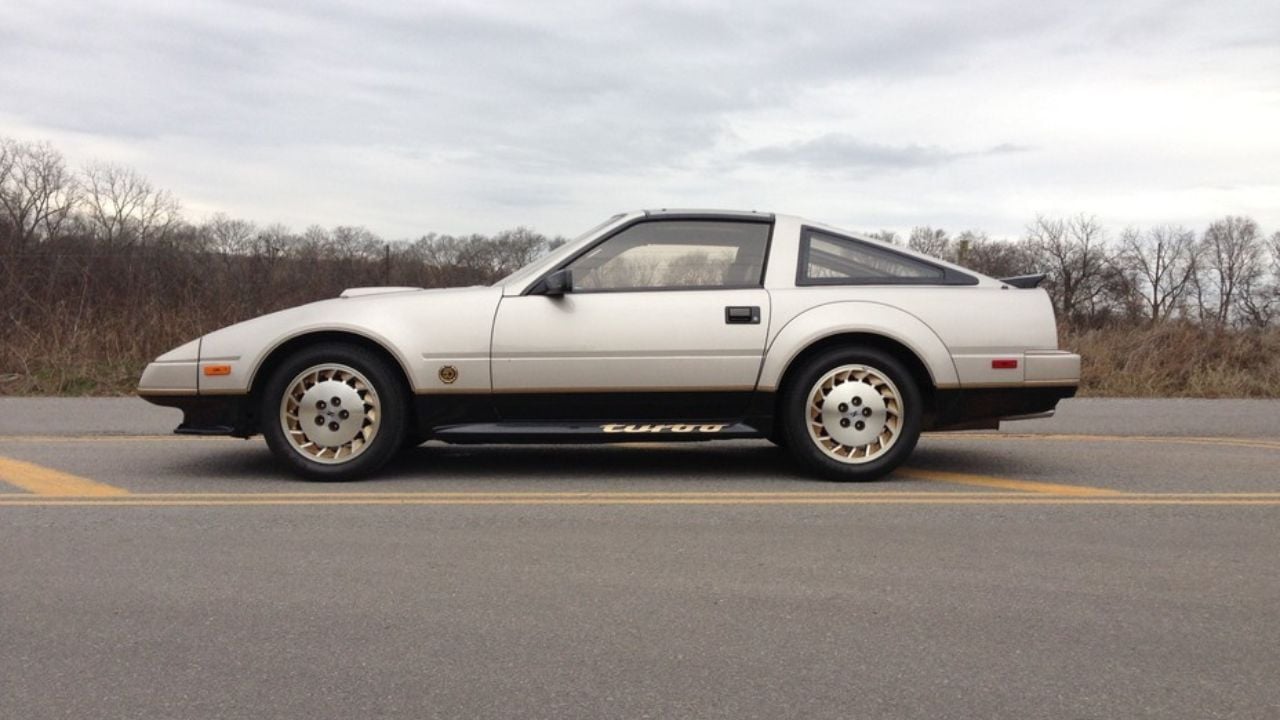
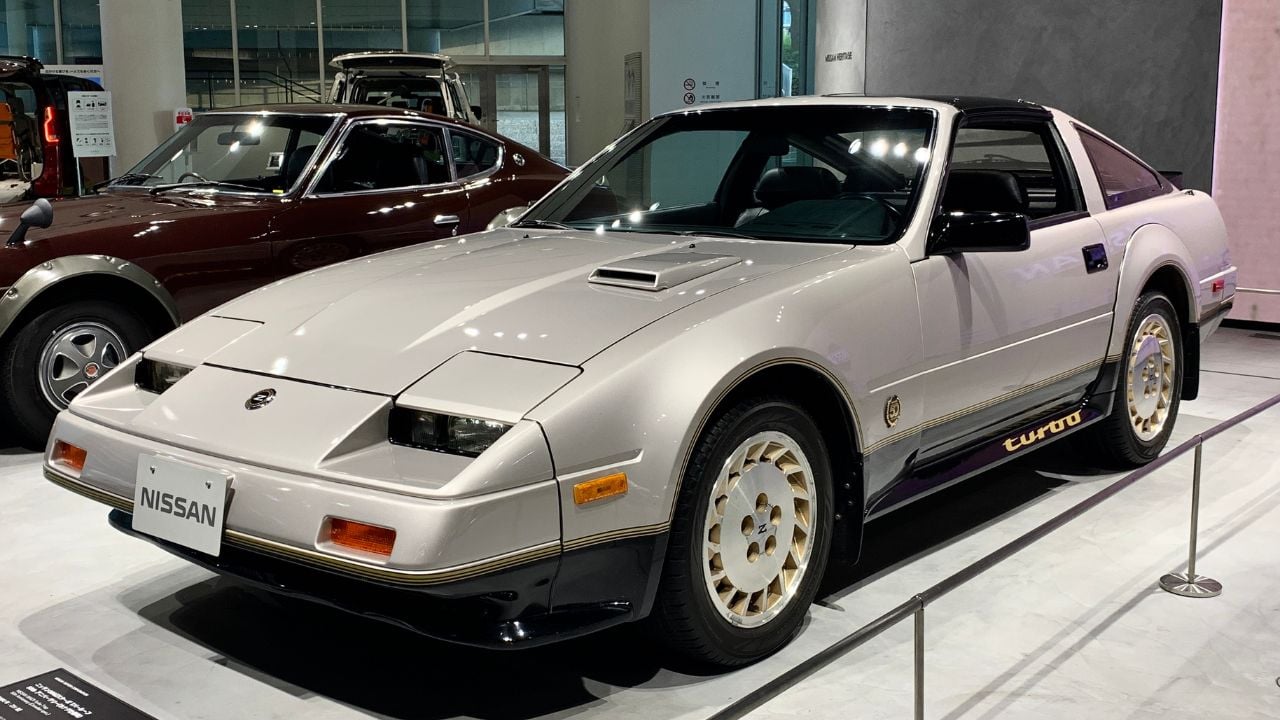
The Z31 Nissan 300ZX Turbo often gets overlooked because the later Z32 became the famous one. That leaves the 1980s model in a useful position for buyers who want a classic Japanese performance car without paying for the biggest name in the Z family.
The Turbo version is the car to focus on. Its 3.0-liter turbocharged VG30ET V6 produced 200 hp in earlier U.S. versions, while later 1988 and 1989 models rose to 205 hp. That gave the Z31 strong period performance and a proper grand-touring feel.
The long hood, wedge-shaped body, digital-era cabin, rear-wheel-drive layout, and turbo V6 all help it feel unmistakably tied to the 1980s. It is not as sharp as a GR86, but it has a different kind of charm: relaxed, boosted, and more GT than back-road scalpel.
The Z31 Turbo also fits the price promise clearly. Classic.com lists the Z31 300ZX Turbo average in the mid-teens, while the overall Z31 market sits around the same range, keeping it comfortably below new-GR86 money in normal driver-quality condition.
Why These 1980s Cars Still Pull Buyers Backward
A new Toyota GR86 makes wonderful sense. It is balanced, modern, warranty-backed, and ready to drive without asking much from the owner.
These five classics ask for more attention. The 944 Turbo brings transaxle Porsche balance. The MR2 brings mid-engine playfulness. The Corvette brings L98 V8 torque. The RX-7 Turbo II brings turbo rotary character. The 300ZX Turbo brings Japanese grand-touring style with boost.
That variety is what makes this price range interesting. The logical answer may be sitting at a Toyota dealership, but the older cars offer pop-up headlights, turbo lag, analog cabins, period styling, and stacks of service records that tell their own stories.
For some buyers, the new car will always be the better answer. For others, the older one will be the car that makes the same budget feel more personal.