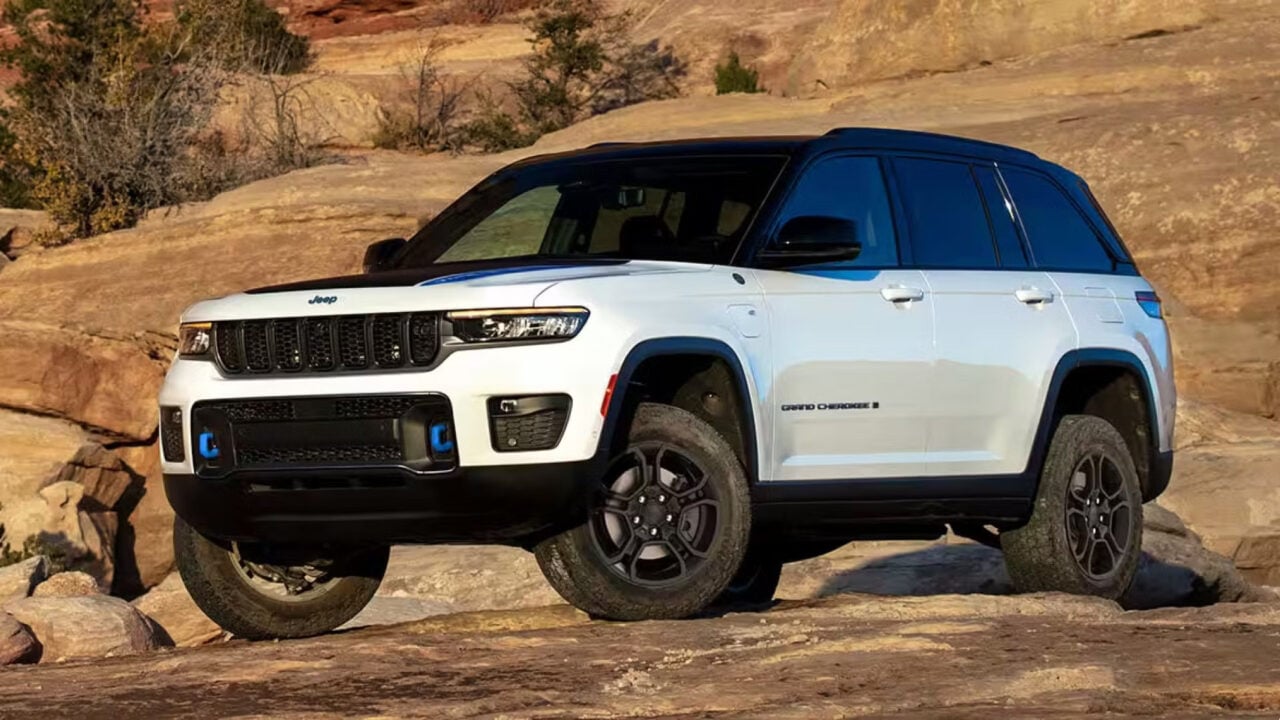
Jeep’s 4xe plug-in hybrid models have faced growing scrutiny over battery fire risks and repeated recalls, but one Grand Cherokee 4xe owner’s experience is now drawing attention for another reason entirely.
After her SUV reportedly suffered a thermal runaway event in her driveway, she says she was left stuck between Stellantis and her insurance company while the bills continued piling up.
The incident, detailed in a video published by StacheD Training, began around 2 a.m. on February 21, 2026. The owner said she woke up to popping noises outside her home before checking her Ring camera footage and spotting smoke coming from underneath her parked Grand Cherokee 4xe.
What followed involved firefighters, Hazmat crews, denied insurance claims, months of rental car expenses, and ongoing payments on a vehicle she could no longer drive. The situation has also reignited concerns surrounding the reliability of Stellantis’ plug-in hybrid system and how thermal runaway incidents are handled by insurers.
Smoke, Popping Sounds, And A Hazmat Response
According to the owner, the vehicle had been parked in the driveway and was charging overnight when the issue began. She described hearing popping sounds every couple of minutes while smoke continued rising from beneath the SUV.
Emergency crews responded quickly, with firefighters disconnecting the vehicle’s electronics, removing the 12-volt battery, and moving the Jeep away from the house before spending hours cooling the battery pack. Thankfully, the vehicle never erupted into a full fire, though the battery reportedly experienced a thermal event severe enough to require a major emergency response.
The owner also attempted to arrange towing through both AAA and her insurance provider, though she claimed a tow truck did not arrive until the following morning. In the meantime, she reportedly stayed awake overnight out of fear the vehicle could reignite.
Ironically, the dealership had apparently contacted her just two weeks earlier regarding a replacement battery tied to the ongoing recall campaign. However, she said work scheduling conflicts prevented her from bringing the vehicle in before the incident occurred.
A Recall Problem That Keeps Growing
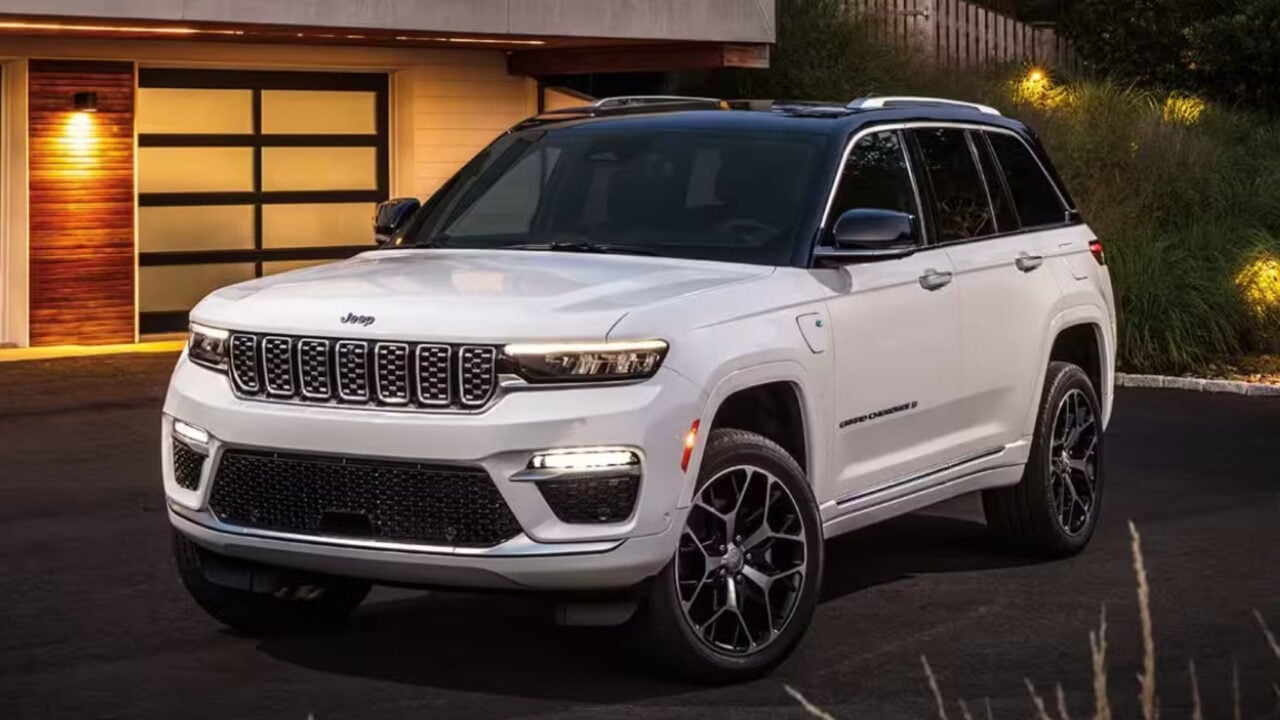
The Jeep 4xe recall saga has been escalating for years. Stellantis first recalled roughly 32,000 Wrangler 4xe models in 2023 before expanding the campaign in 2024 and again in late 2025 to include approximately 320,000 Wrangler and Grand Cherokee 4xe models.
Early fixes primarily involved software updates intended to monitor battery conditions more closely. Critics, however, argued that software alone could not permanently solve potential cell defects or battery chemistry concerns.
According to the StacheD Training video, nine of the 19 publicly documented 4xe fire incidents allegedly occurred in vehicles that had already received recall-related updates. Stellantis has since moved toward battery testing and replacement procedures for affected vehicles.
Complicating matters further, owners were instructed not to charge their vehicles and to park them away from homes or structures until repairs were completed. In this particular case, the Grand Cherokee 4xe was reportedly charging overnight despite that guidance.
Insurance And Warranty Became A Tug Of War
The biggest issue for the owner may not have been the battery failure itself, but what happened afterward. According to the report, State Farm denied her insurance claim, arguing the incident stemmed from a manufacturing defect and therefore fell under Stellantis’ warranty responsibility.
Meanwhile, Stellantis reportedly classified the situation as repairable under warranty rather than a total loss. That left the owner stuck paying lease costs, rental car expenses, and potentially excess mileage charges while the vehicle sat unusable.
The owner said she had originally intended to purchase the vehicle at the end of the lease term, but after the incident, now simply wants to move on from it entirely.
The case also raises a complicated question insurers and automakers may increasingly face as EVs and plug-in hybrids become more common. Traditional mechanical failures and thermal runaway events occupy a legal and financial gray area that many insurance policies may not fully address yet.
Bigger Questions For Plug-In Hybrid Reliability
Stellantis still stands behind the 4xe lineup, but stories like this risk damaging consumer confidence far beyond Jeep alone. For many buyers, plug-in hybrids were supposed to offer the best of both worlds: electric driving capability without full EV range anxiety.
Instead, some owners now worry they may also inherit the complexities of both technologies at once. Between repeated recalls, insurance disputes, battery concerns, and mounting repair costs, the ownership experience can quickly become far more stressful and expensive than many buyers ever expected.