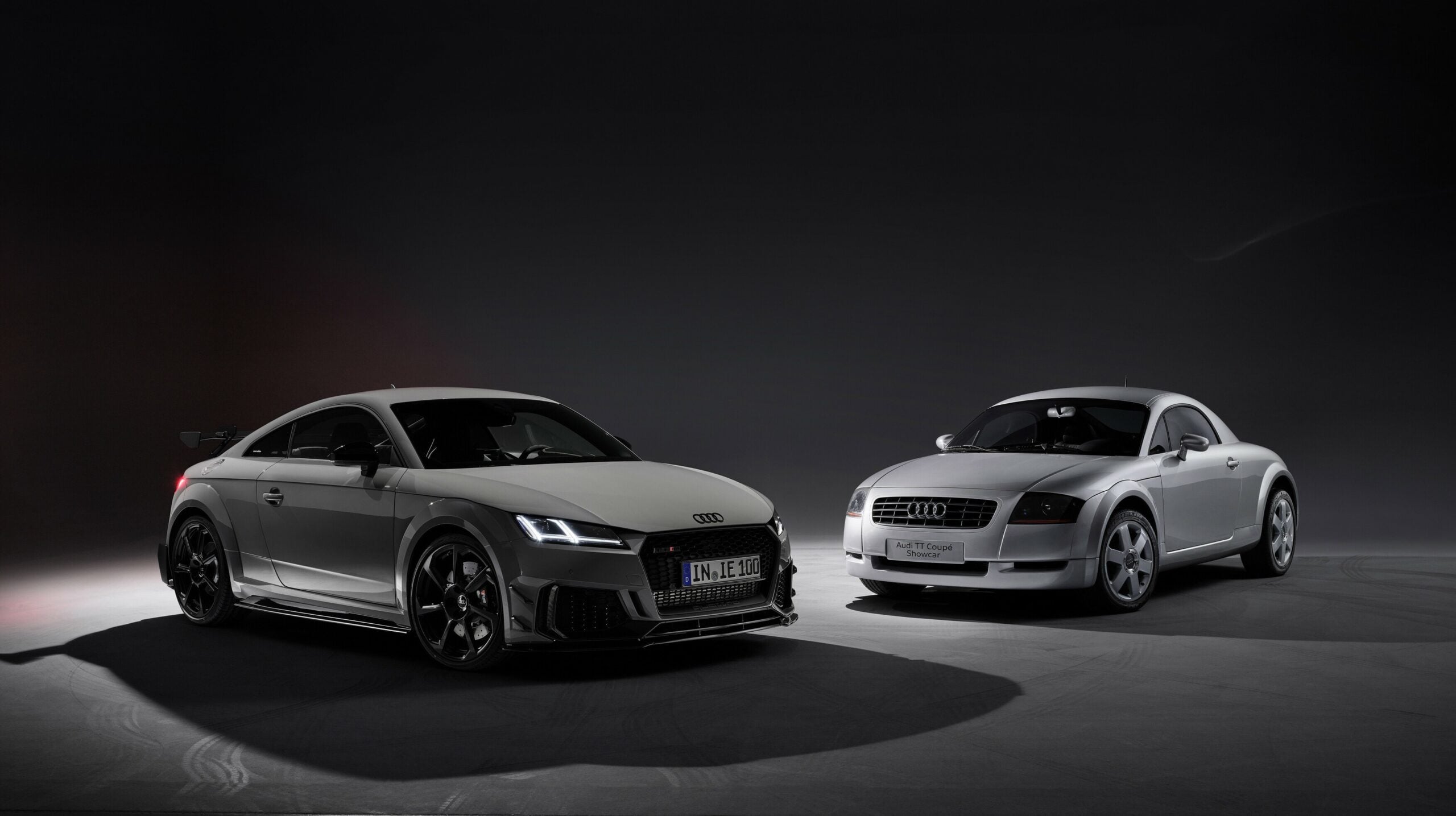
The Audi TT is one of the all-time great sports cars, manufactured by Audi from 1998 to 2023, spanning three generations before the German manufacturer withdrew it from production. When it first emerged on the scene, it was quickly dismissed as having ‘just a pretty face’ as Hagerty presenter Jason Cammisa explained in a recent YouTube video.
With its underpinnings based on Volkswagen’s people’s car, the Golf, many automotive journalists of the late 1990s didn’t expect it to do well, and enthusiasts initially snubbed it. But what followed was a major success story, with the car beating all expectations, being produced for 25 years.
What makes the TT story even more interesting is that Audi never really abandoned the formula. Across three generations, the company kept refining the sports car rather than turning it into something unrecognizable, and that consistency helped the TT slowly win over people who originally dismissed it. By the time production finally ended in 2023, the car had gone from being mocked as a fashion statement to becoming one of Audi’s most recognizable modern classics.
Sure, there were faster, more dramatic, and certainly better sports cars produced during that time period. But nobody told Audi this, as the TT became one of the German manufacturer’s biggest success stories, and it’s now become well and truly loved by enthusiasts. In fact, many now miss the TT and lament its passing.
How the Audi TT Was Introduced to the World
Embed media follows. Please allow a moment for it to load.
American designer Freeman Thomas had initially drawn up a sketch of a compact Audi roadster in the 1990s, and with Ferdinand Piëch at the helm, Audi had become a serious German automotive manufacturer, and not just a niche brand. In 1993, Piëch became the boss of the Volkswagen Group as a whole, meaning Audi had a real chance of producing its own halo car.
Enter Thomas and his sketch of the mid-1990s, after he had already come up with the modern rendition of the Volkswagen Beetle. After sketching the roadster, the sketch eventually made its way up to Piëch, and Audi began working on putting the design into practice on the Volkswagen Golf platform. A sneaky side-sketch of a coupe version also gained the approval of Piëch.
After just eight weeks, the designs were finalized, and thanks to Giorgetto Giugiaro and Italdesign, show cars were built that made their debut at the 1995 Frankfurt Motor Show. At a show full of convertibles, the coupe version made waves, and the Roadster did the same thing in Tokyo just a few weeks later. Following the same philosophy of the VW Karmann Ghia and Scirocco, the TT quickly gained global attention. The big question, however, was whether it would sell?
The Audi TT Quickly Became a Big Success Story Despite the Detractors
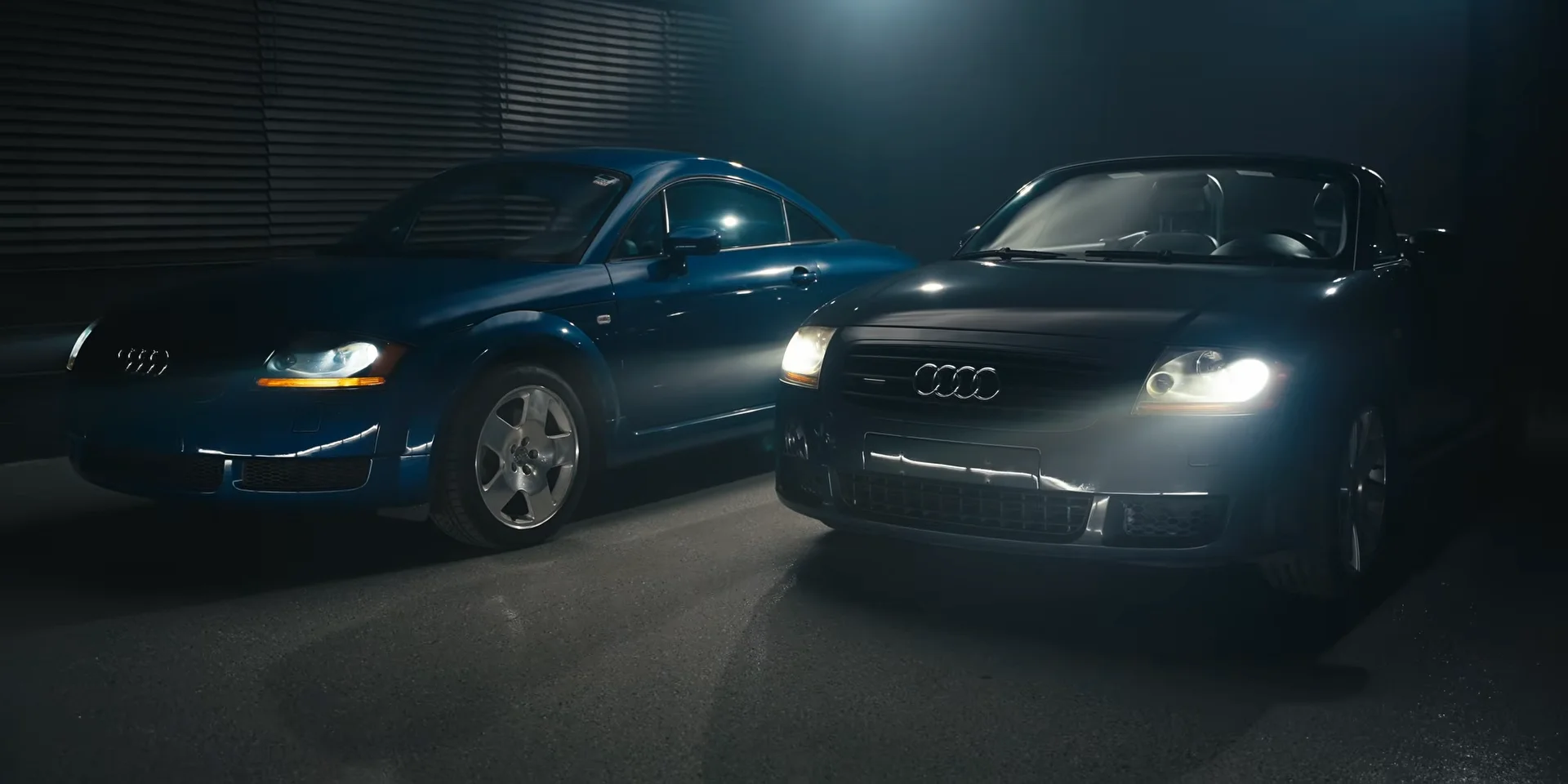
As Cammisa explained in the Hagerty video, the TT did ultimately defy all the expectations initially placed upon it by the motoring press and enthusiasts. Despite its premium price, people were happy to pay for the TT given the Audi badge, compared to the pitiful sales of the gorgeous Volkswagen Corrado that could have been VW’s halo car.
The TT was also groundbreaking. Under the hood was the five-valve per-cylinder 1.8T four-cylinder engine. This was the world’s first truly mass-market high-volume turbocharged engine, making 180hp in the base spec in America, so it was pretty punchy. But after sending the engine to AVL in Austria, the TT was able to punch out 225hp. With a six-speed manual and 0-60mph time as quick as a Porsche Boxster at just over six seconds, the TT suddenly looked like an enthusiast’s dream. Oh, and it had four-wheel drive too.
Step inside the car, and the stunning, aluminum but minimalist, Bauhaus-inspired design was another winning point for the Audi. Plus, the production car stayed true to the design of the 1995 concept car, something unheard of in the automotive world even today. Despite the earlier criticism, those who drove the TT soon realized that it was a fast, agile, comfortable and truly superb piece of engineering.
Audi Weathered the Storm To Take the TT to Global Success
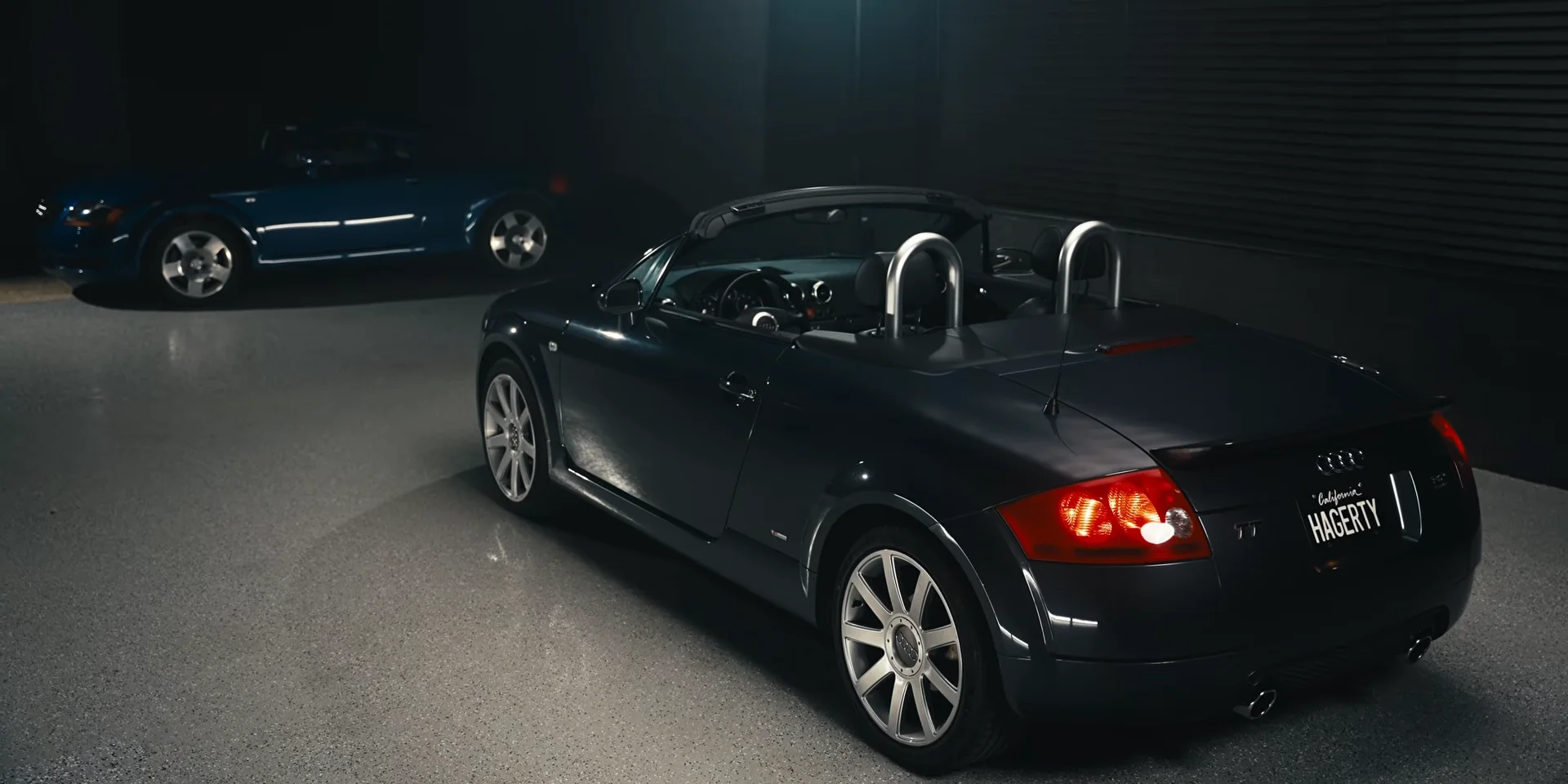
Audi, however, did have to weather one particular storm. Early TTs were involved in high-speed crashes, which were attributed to oversteer instability and rear-end lift. After a massive recall, Audi added a new rear spoiler, electronic stability control, and revised the suspension tuning. It cost Audi $75 million to fix, but it upheld the sports car’s reputation and ensured sales remained strong.
Over 25 years, Audi sold more than 662,000 units of the sports car, as it spawned further generations, with the TT remaining highly popular right up until the last one left the production line in 2023. The second and third generations may not have had the same cultural impact as the first, but they still carried on the car’s success story. So as we can see, the Audi TT was far more than just a pretty face.