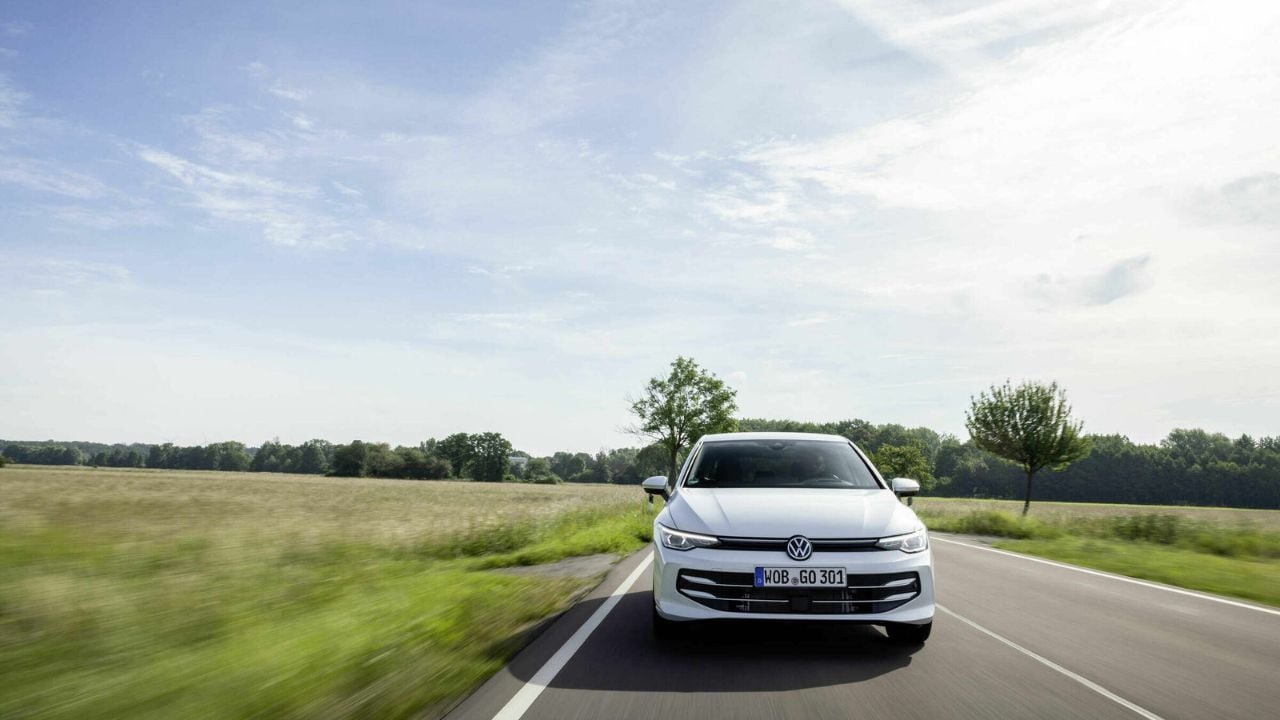
Volkswagen did not invent the hatchback, but the Golf helped define the modern hatchback formula, and VW spent the next 50 years proving that lightning can strike twice, sometimes three times, and occasionally miss the barn entirely. From the revolutionary Golf that made everyone forget about Beetles (the actual car, not the insect) to some truly questionable decisions that make you wonder if someone in Wolfsburg was hitting the schnapps a little too hard during design meetings.
These cars have graced everything from college parking lots to Gran Turismo save files, becoming the vehicular equivalent of that friend who’s equally comfortable at a house party or a board meeting. Some became icons that defined entire generations of drivers. Others… well, let’s just say not every swing connects with the fences.
This ranking separates the wheat from the chaff, the GTIs from the “why-T-I”s, examining which VW hatchbacks deserve a place in your dream garage and which ones deserve to stay buried in the automotive graveyard where they belong.
What Put These Volkswagen Hatchbacks on This List

Ranking these German hatches required more than just counting Instagram likes or checking which ones your neighbor’s kid thinks are “fire” or “lit” or “ready to spontaneously combust.” Is that last one a thing? It should be. We looked at driving dynamics (because no one wants a hatchback that handles like a shopping cart), build quality (important when you’re trusting German engineering), cultural impact (did it change the game or just show up?), and whether it actually delivered on VW’s promises.
Innovation mattered, cars that pushed boundaries earned points, while lazy rehashes got the boot. Reliability factored heavily because nobody wants to spend more time with their mechanic than with their family. We also considered whether these cars aged like fine wine or spoiled milk, and most importantly, whether they put a smile on your face or made you question your life choices.
This isn’t about nostalgia-tinted glasses or manufacturer bias. This is about which VW hatchbacks actually earned their place in automotive history and which ones should spontaneously combust.
Let’s start with the worst… Get it over with (and get it out of my sight).
Volkswagen Fox (Europe 2005 to 2011)
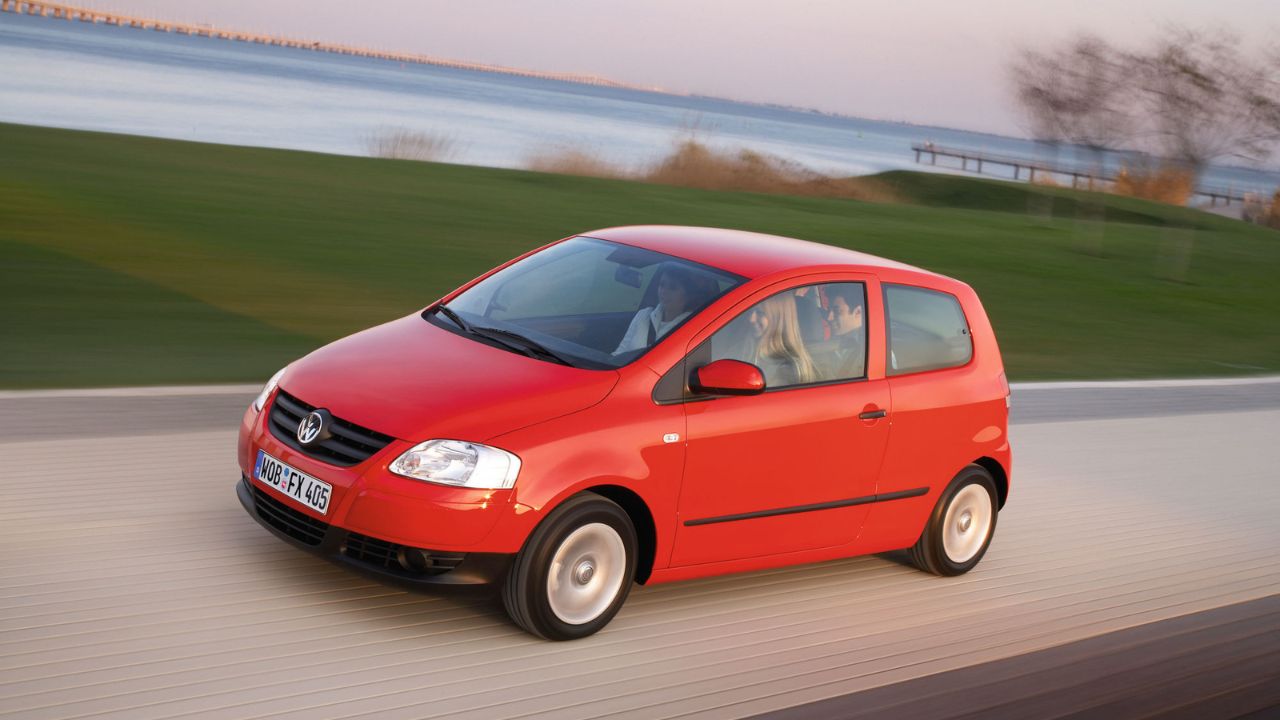
The Fox was VW’s answer to a question nobody asked: “What if we made a car with all the excitement of a tax audit?” Sold in Europe from 2005 to 2011 as a budget three door hatchback built in Brazil, the Fox managed to make a Geo Metro look luxurious by comparison. Its interior had all the warmth and character of a government office, complete with plastic so hard you could probably use it as body armor.
Powered by engines that wheezed more than an 80-year-old chain smoker climbing stairs, the Fox delivered fuel economy at the expense of literally everything else that makes driving enjoyable. The handling had all the precision of a drunk person trying to thread a needle, and the styling looked like someone photocopied a real car until it lost all definition.
Sure, it was cheap and got you from A to B, but so does walking, and that’s free. The Fox proved that sometimes you really do get what you pay for, and what you paid for was disappointment with wheels. Even VW seems embarrassed by this one, try finding it prominently displayed in any of their heritage marketing. I’ll give you $5.
Volkswagen Golf Mk3
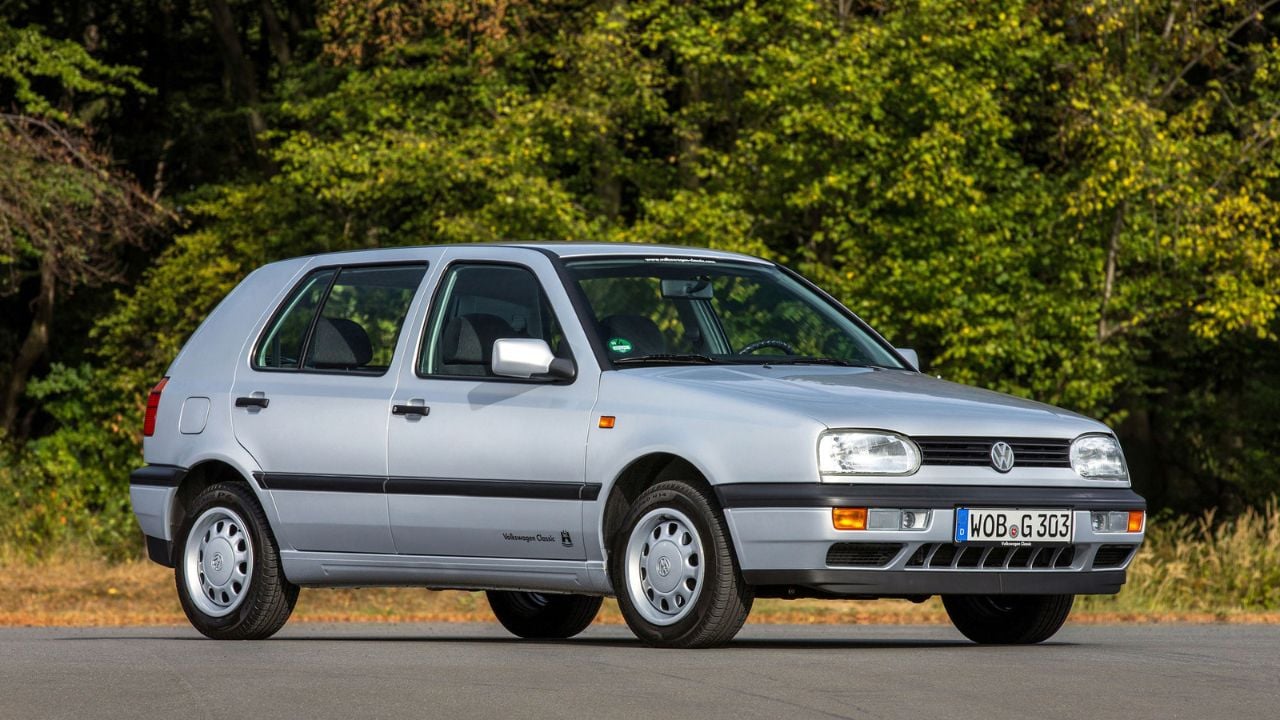
The Golf Mk3 had the impossible task of following the legendary Mk2, and it handled that pressure about as well as a chocolate teapot. VW decided the solution to perfection was to make everything bigger, softer, and less involving, kind of like how Hollywood sequels work, but with more electrical problems.
Where the Mk2 was sharp and eager, the Mk3 was rounded and apologetic. It gained weight like a college freshman discovering the Thirsty Thursdays, and lost the nimble, tossable character that made its predecessor legendary. The styling went from “iconic” to “generic rental car,” trading Teutonic precision for curves that wouldn’t look out of place on a melted soap bar.
Reliability issues plagued this generation worse than a Windows 95 update, with electrical gremlins that would make Lucas Electronics blush. Window regulators broke more often than New Year’s resolutions, and the interior trim had a disturbing tendency to simply give up and fall off.
It wasn’t completely terrible, safety improved, and it was more comfortable than earlier Golfs. But comfort isn’t why people buy Golfs. They buy them for that perfect balance of practicality and fun, something the Mk3 forgot in its quest to be all things to all people (and becoming nothing to everyone).
Sometimes being the transitional model means being the forgotten model.
Volkswagen Golf Plus
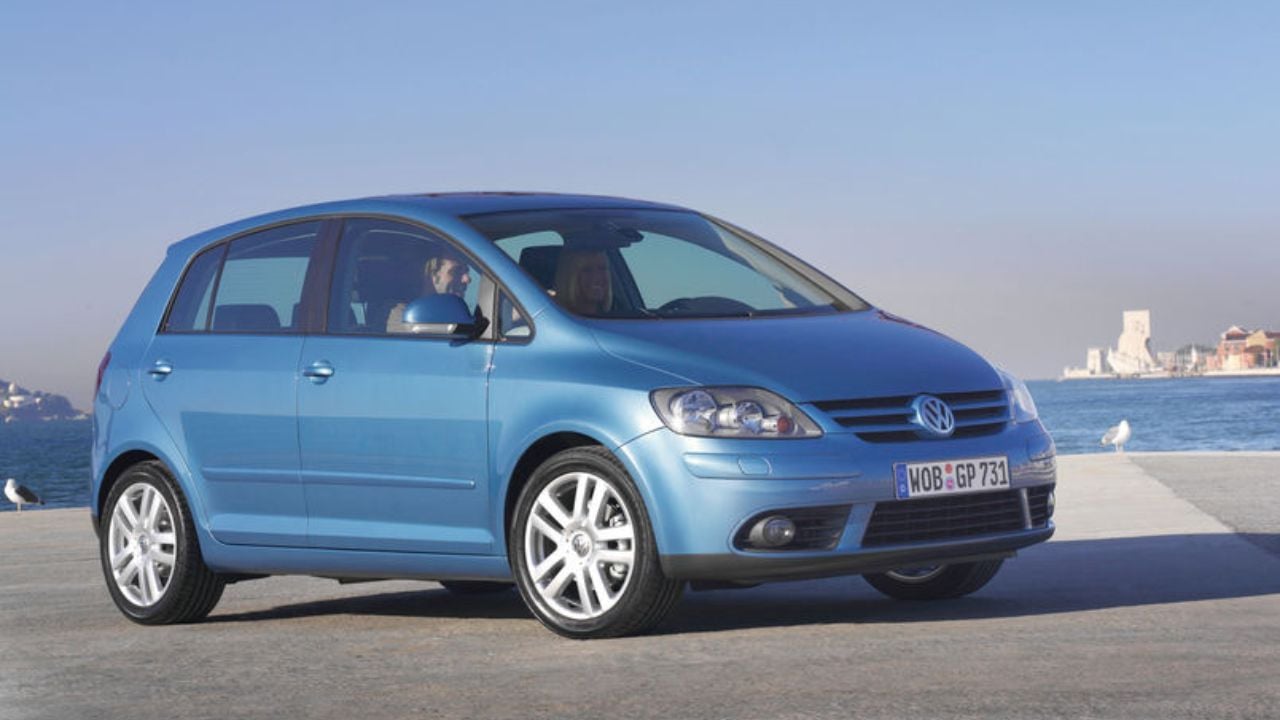
The Golf Plus was VW’s attempt to answer the question, “What if we took everything good about the Golf and made it taller and more awkward?” It’s like they looked at the regular Golf and thought, “You know what this needs? Less style and more minivan DNA!” Everyone’s favorite car type!
Admittedly, the extra headroom was nice if you were exceptionally tall or enjoyed wearing top hats while driving. The rear seats could actually accommodate adult humans without requiring advanced yoga training, and the cargo space was genuinely useful for hauling more than just your crushing sense of automotive disappointment.
But good lord, did it look awkward. From the side, it had the proportions of a regular Golf that had been left in the dryer too long. The higher roofline killed any pretense of sportiness, and the driving dynamics reflected this, it handled curves with all the enthusiasm of a Pokemon trainer seeing a Mr. Mime (look it up if you aren’t aware, and you’ll see why nobody wants to catch this thing).
It served its purpose as a practical family hauler, and VW deserves credit for recognizing that some people prioritize function over form. When you’re trading the Golf’s iconic silhouette for a few extra inches of headroom, you’re essentially admitting defeat in the style department.
The Plus was fine, and sometimes fine is the worst thing a car can be.
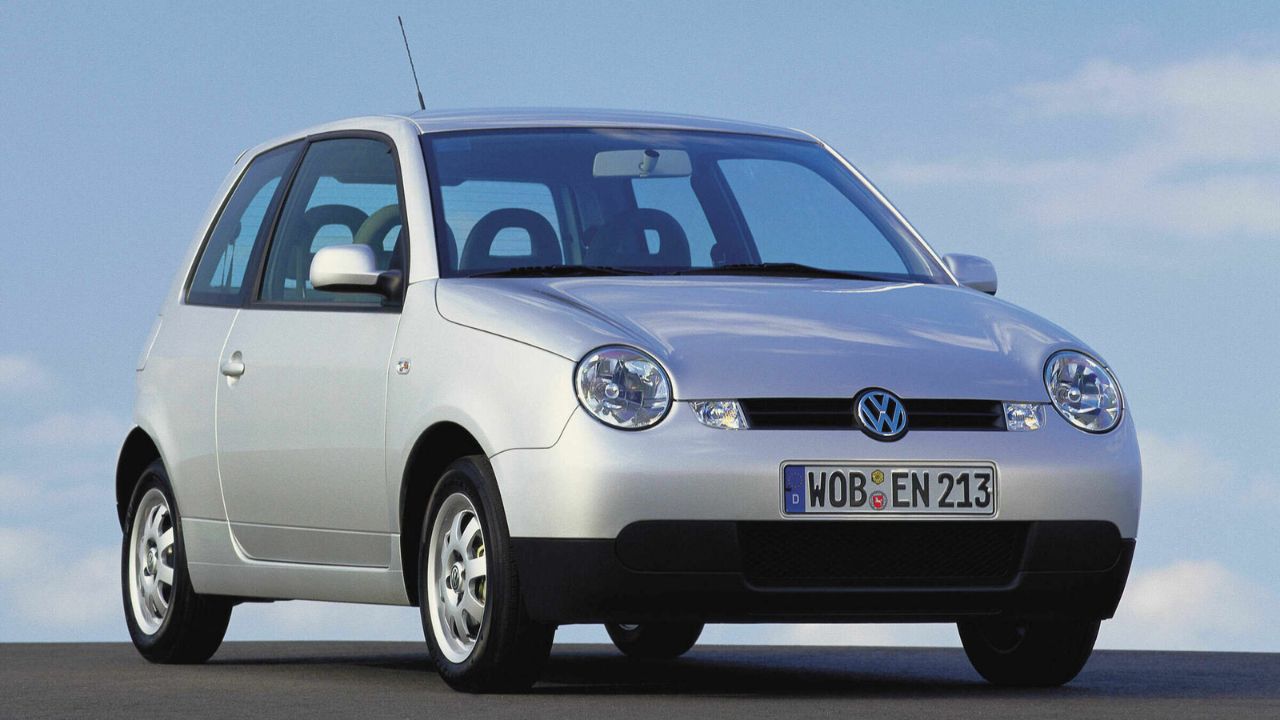
Volkswagen Lupo
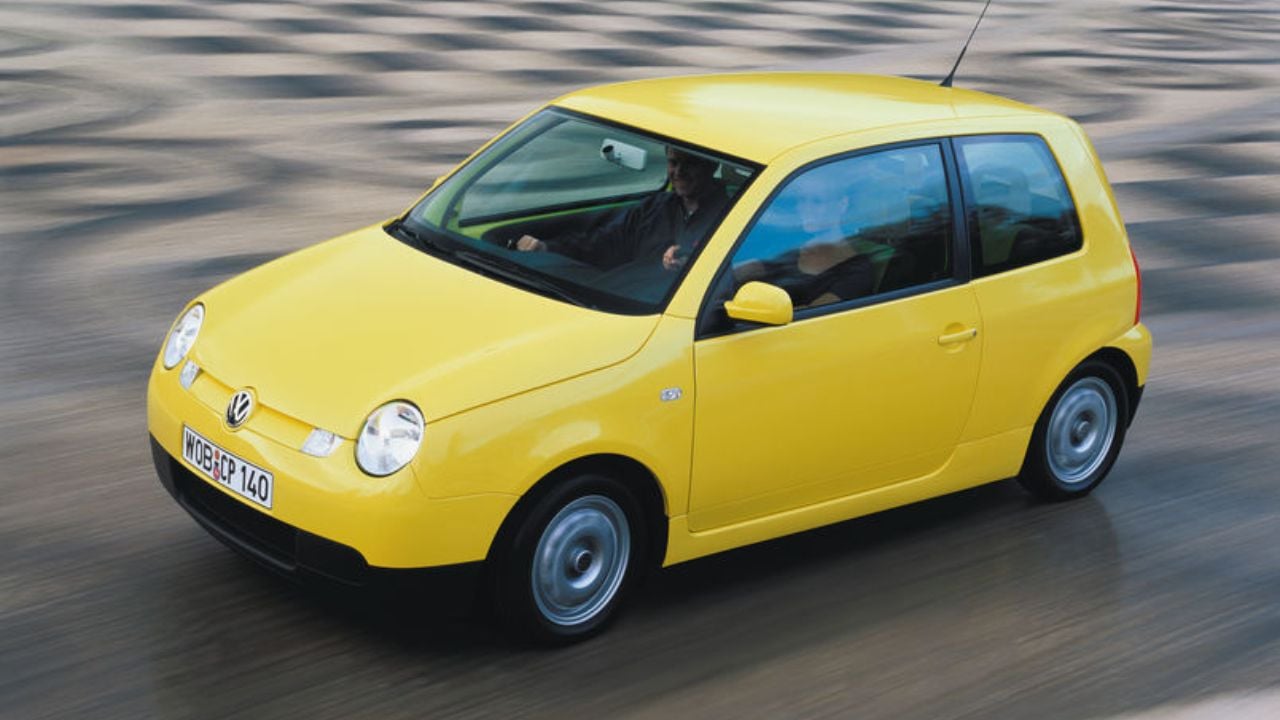
The Lupo was VW’s entry into the “car as appliance” segment, designed for people who viewed driving as a necessary evil rather than a source of joy. At roughly the size of a large shopping cart, it was perfect for navigating European city centers where parking spaces are measured in millimeters and fuel costs more than rent.
Credit where credit’s due: the Lupo was genuinely efficient and could probably squeeze more miles from a gallon of gas than some motorcycles. It made parallel parking so easy that even your grandmother could do it blindfolded. The 1.2 TDI 3L version was rated at about 3.0 L per 100 km combined, about 78 mpg US.
Once you step inside, you’d immediately understand why it was so efficient, there was barely any car there. The interior had all the luxury appointments of a prison cell, with plastic so cheap it probably came with a “Do Not Recycle” warning. Rear passengers needed to be either very small or very flexible, preferably both.
The Lupo GTI was VW’s attempt to inject some fun into the formula, and it actually worked, uh, sort of. It worked in the sense that it was like watching a chihuahua try to be intimidating: adorable and surprisingly spirited, but ultimately limited by physics. Today, the Lupo is remembered fondly by Europeans who needed basic transportation and appreciated its honesty about what it was.
Sometimes that’s enough, I guess.
Volkswagen Scirocco Mk3
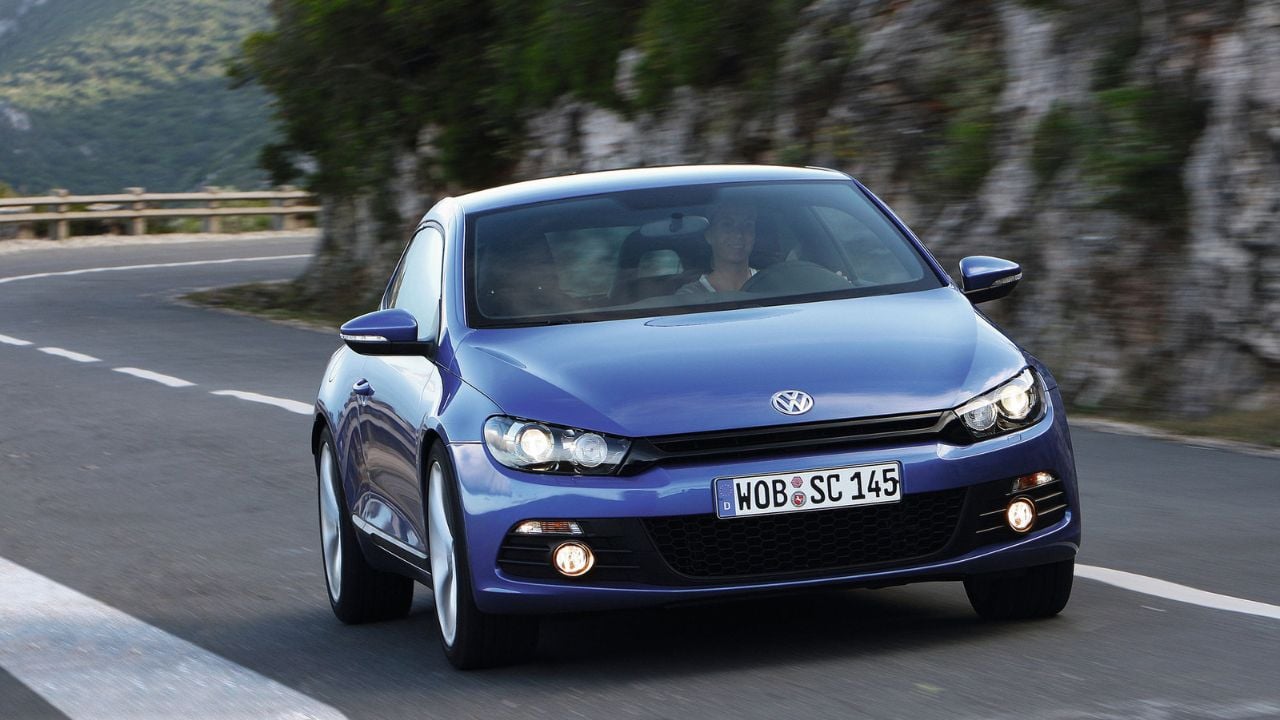
After a 17-year hiatus, VW brought back the Scirocco name in 2008, apparently deciding that the world needed another coupe-ish hatchback to compete with… well, not much, actually. The Mk3 Scirocco arrived looking absolutely stunning, low, wide, and aggressive in all the right ways, but saddled with the practicality of a supermodel trying to grocery shop.
The exterior design was genuinely gorgeous, with flowing lines and purposeful stance that made parking lot walks satisfying. It looked fast even when sitting still, which was fortunate because that’s where it spent most of its time looking its best. The interior was modern and well-appointed, assuming you didn’t need to use the rear seats for anything larger than a briefcase or a very patient child.
Here’s the thing: it drove pretty well. The chassis was solid, the steering precise, and the available engines provided adequate thrust. But it existed in automotive no-man’s land, too impractical to be a proper daily driver, not special enough to be a weekend toy, and priced uncomfortably close to a Golf GTI that did everything better except look this good.
The Scirocco Mk3 was the automotive equivalent of that attractive but high-maintenance friend who looks amazing but requires constant attention. Beautiful to behold, occasionally thrilling to experience, but ultimately more work than most people wanted to deal with.
VW quietly killed it off in 2017, and surprisingly few people noticed. Shocker!
Volkswagen ID.3

The ID.3 represents VW’s bold leap into the electric future, which would be more impressive if they hadn’t belly-flopped into the pool instead of executing a perfect dive. This was supposed to be VW’s iPhone moment, a revolutionary product that would redefine expectations and leave competitors scrambling to catch up. Instead, it felt more like their Windows Vista moment.
The design is clean and futuristic, looking like what people in the 1980s thought cars would look like in 2020. The interior embraces minimalism with the enthusiasm of a tech startup founder, eliminating physical buttons with the same ruthless efficiency that streaming services eliminate your favorite shows.
And therein lies the problem: VW discovered that sometimes people actually like physical buttons. The touchscreen-heavy interface had a learning curve steeper than a San Francisco street, and early software was buggier than a Florida summer. Nothing quite says “premium German engineering” like having to reboot your car like a frozen laptop.
When it worked properly, the ID.3 was actually quite nice to drive. Silent, smooth, and with instant torque that made city driving genuinely enjoyable. The range was competitive, and the charging infrastructure was improving. But first impressions matter, and the ID.3’s first impression was “we shipped this too early.”
VW has been fixing the issues with updates, and later models are significantly better. The ID.3 might eventually be remembered as the car that got VW’s electric transition on track, but early adopters paid the price for being beta testers.
Volkswagen Up! GTI
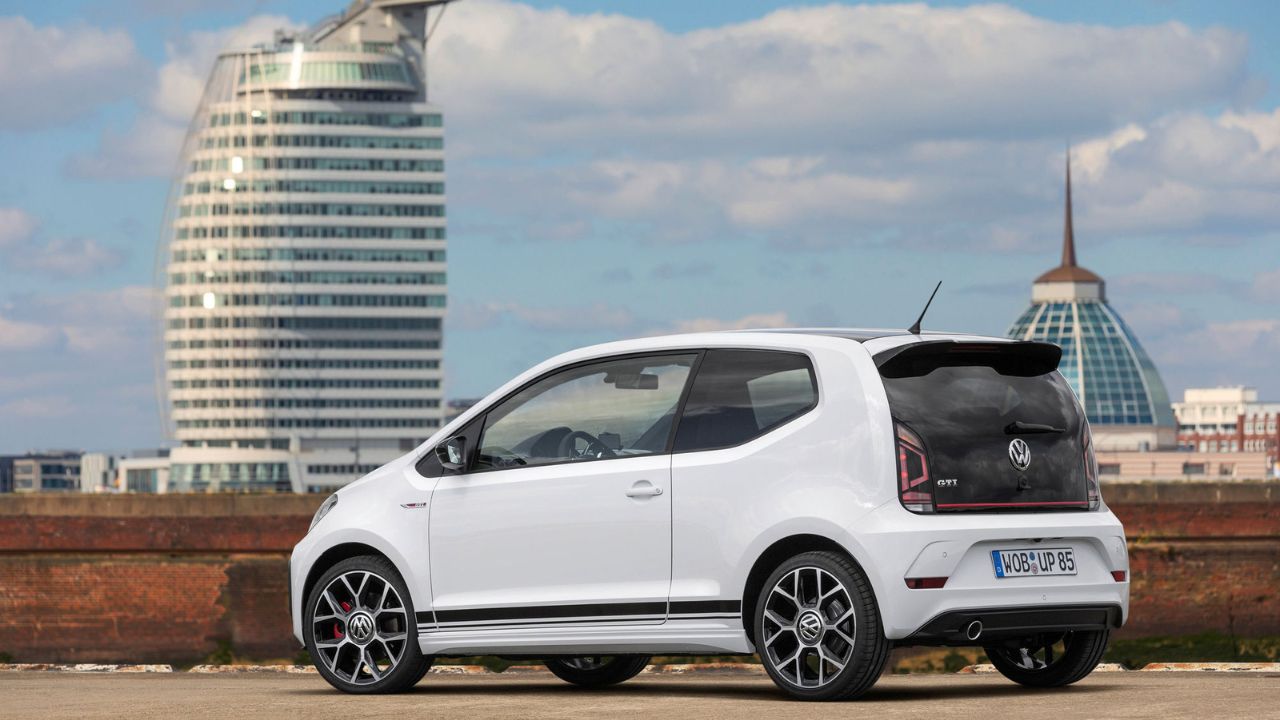
Finally, someone at VW remembered that fun doesn’t require 300 horsepower and a trust fund. The Up! GTI was the little hatchback that could, taking the basic Up city car and injecting it with enough performance DNA to make it genuinely entertaining without requiring a second mortgage.
At just 115 hp, it wasn’t going to set any land speed records, but in a car that weighed about as much as a large sandwich, it felt genuinely quick. More importantly, it felt alive in a way that most modern cars, including some of its more powerful siblings, had forgotten how to be. The steering was sharp, the chassis willing, and the whole experience felt like VW had remembered what made their early GTIs special.
The interior paid proper homage to GTI heritage with tartan cloth seats that would make golf pros weep with nostalgia. Visual details like the honeycomb grille and red accents connected it to its legendary ancestors without feeling like cheap nostalgia-baiting. It looked the part and, crucially, acted the part.
The Up! GTI proved that in an era of increasingly complex and expensive hot hatches, sometimes the best solution is the simplest one: take a light car, add just enough power to make it interesting, and focus on the fundamentals. It was affordable, practical enough for daily use, and genuinely fun, a combination that’s become depressingly rare.
VW killed it off too soon, probably because it was making their more expensive cars look bad by comparison. Sometimes honesty is not the best policy.
Volkswagen Polo Mk5
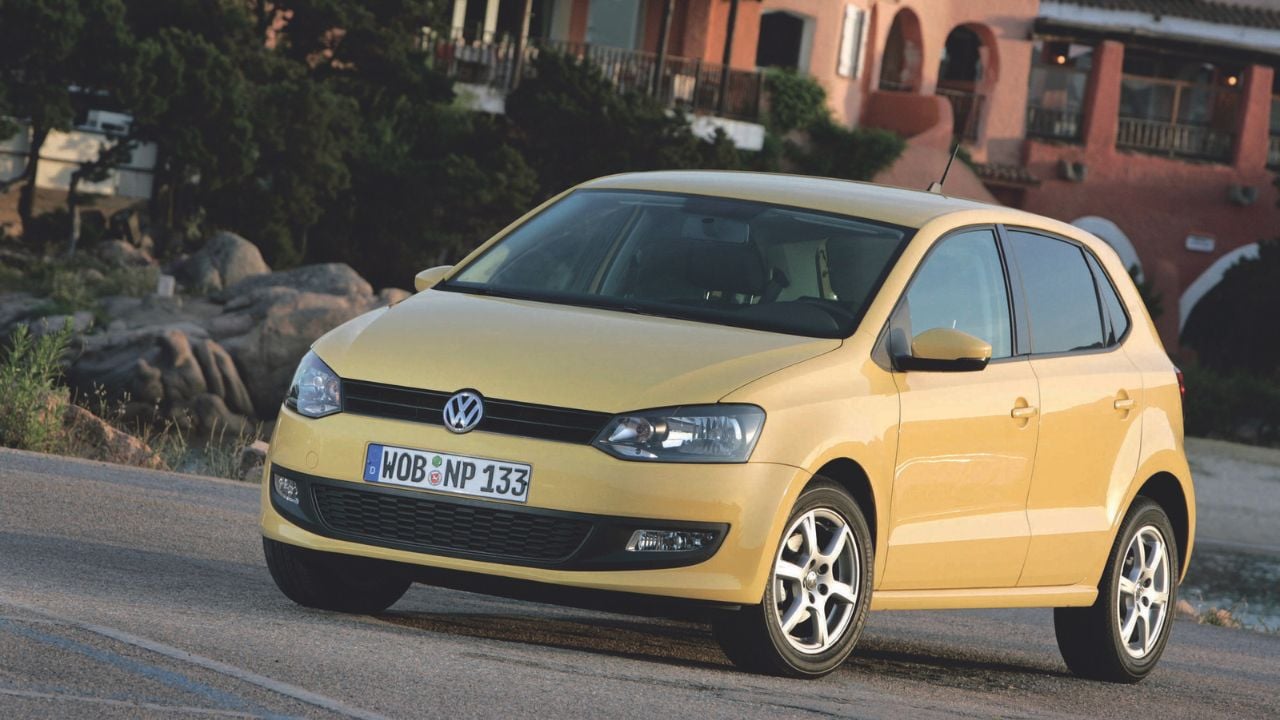
The fifth-generation Polo was VW firing on all cylinders, creating a small car that punched so far above its weight class it should have been investigated for performance-enhancing drugs. This was what happened when VW took everything they’d learned from building Golfs and applied it to something smaller and cheaper.
The exterior design was clean and proportional, managing to look expensive without trying too hard. Inside, the materials and build quality were genuinely impressive for the segment, making competitors look like they’d been assembled by caffeinated teenagers. The ergonomics were spot-on, and the controls fell easily to hand, something VW would apparently forget how to do in later generations.
More importantly, it drove like a proper VW should. The steering was precise, the handling composed, and even base models felt solid and planted. The GTI version was genuinely quick and handled with the sort of precision that made you wonder why anyone would buy a Golf instead.
The Mk5 Polo succeeded because it didn’t try to be everything to everyone. It focused on being the best small car it could be, without apologies or compromise. Build quality was excellent, reliability was solid, and the ownership experience was genuinely satisfying.
It proved that VW’s engineering excellence wasn’t limited to its flagship models. When they applied the same attention to detail to their entry-level car, the results were genuinely impressive. The Mk5 Polo remains a benchmark for how to build a premium small car without the premium price tag.
Volkswagen Beetle (New)

The New Beetle was VW’s attempt to bottle lightning twice, and against all odds, it actually worked. Taking one of the most iconic automotive shapes in history and updating it for modern times should have been a disaster, see every other retro revival attempt of the late ’90s and early 2000s. Instead, VW created something that felt fresh while honoring its heritage.
The styling was undeniably charming, with flowing curves and friendly proportions that managed to capture the original’s spirit without looking like a costume party car. Inside, clever design touches like the dashboard-mounted flower vase (yes, really) showed that VW understood the Beetle was about more than just transportation, it was about personality.
Sure, it was based on Golf mechanicals and drove more like a modern car than the original air-cooled terror from the ’60s, but that was actually a good thing. The New Beetle offered modern safety, reliability, and performance while maintaining the visual charm that made the original special.
The turbocharged models were genuinely fun to drive, with enough power to make the retro styling feel justified rather than just nostalgic. The RSI and Turbo S variants proved that cute could also be quick, though finding one today requires patience and a healthy bank account.
Critics dismissed it as a fashion accessory for people who didn’t care about driving, but they missed the point. The New Beetle succeeded because it understood that sometimes emotions matter more than specifications. It made people smile, and in an increasingly serious automotive world, that was worth something.
Volkswagen Scirocco Mk2

The second-generation Scirocco was what happened when VW’s designers took their medication and decided to create something genuinely beautiful. With its sharp wedge profile, aggressive stance, and angular details that looked like they’d been carved by someone who actually understood what “dynamic” meant, the Mk2 Scirocco was a masterclass in purposeful design.
Built on the Golf platform but lowered and sharpened, it delivered on its visual promises with handling that felt genuinely special. The steering was communicative, the chassis balanced, and the whole car felt like it had been engineered by people who actually enjoyed driving rather than just getting from place to place.
The interior was driver-focused in the best possible way, with supportive seats and controls that fell naturally to hand. No unnecessary complexity or gimmicks, just a well-designed space that made spirited driving feel natural and intuitive. The GTI 16V version was particularly excellent, offering performance that could embarrass much more expensive sports cars.
What made the Mk2 Scirocco special was its single-minded focus. It wasn’t trying to be practical or economical or family-friendly. It was trying to be a driver’s car, and it succeeded brilliantly. Every element of the design served that purpose, from the aggressive aerodynamics to the perfectly weighted controls.
Time has been kind to the Mk2 Scirocco. Its angular design still looks fresh today, and clean examples command serious money from collectors who recognize genuine automotive artistry when they see it. This was VW at its creative peak, proving they could build something beautiful and functional without compromise.
Volkswagen Golf Mk4
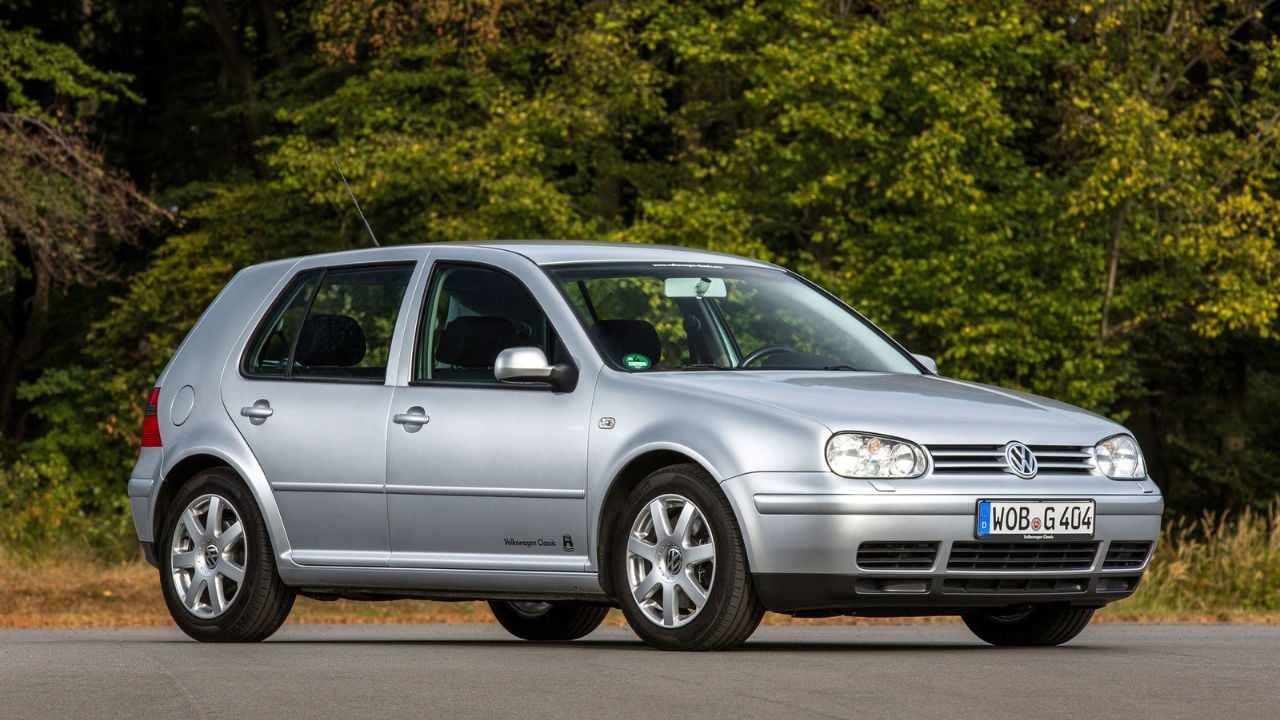
The Mk4 Golf was VW’s “hold my beer” moment, taking everything that made previous Golfs good and then adding a level of refinement that made competitors look like they’d been designed by committee in a windowless room. This was the generation that proved VW could build premium quality into a mainstream package without charging Audi prices.
The exterior design was evolutionary rather than revolutionary, sharper than the Mk3 but still recognizably Golf. But step inside, and you immediately understood what VW had been working on. Or “cooking” as that neighborhood kid would say. The interior materials were genuinely excellent, with soft-touch surfaces and solid construction that made entry-level luxury cars look cheaply built by comparison.
Build quality was exceptional, with panel gaps tighter than most people’s budgets and a solid, planted feel that screamed “German engineering” without the pretension. The doors closed with that satisfying thunk that told you someone had spent actual time thinking about how things fit together.
The driving experience varied depending on which engine you chose, but even base models felt composed and mature. The suspension struck an excellent balance between comfort and control, making it equally happy cruising highways or carving corners. The GTI was particularly excellent, offering serious performance with the sort of everyday usability that made it perfect for both commuting and weekend fun.
The Mk4 Golf set new standards for what a compact car could be, influencing an entire generation of competitors who scrambled to match its combination of quality, refinement, and capability. It proved that premium didn’t have to mean expensive, and that attention to detail could elevate even mainstream products into something special.
Volkswagen Golf Mk5
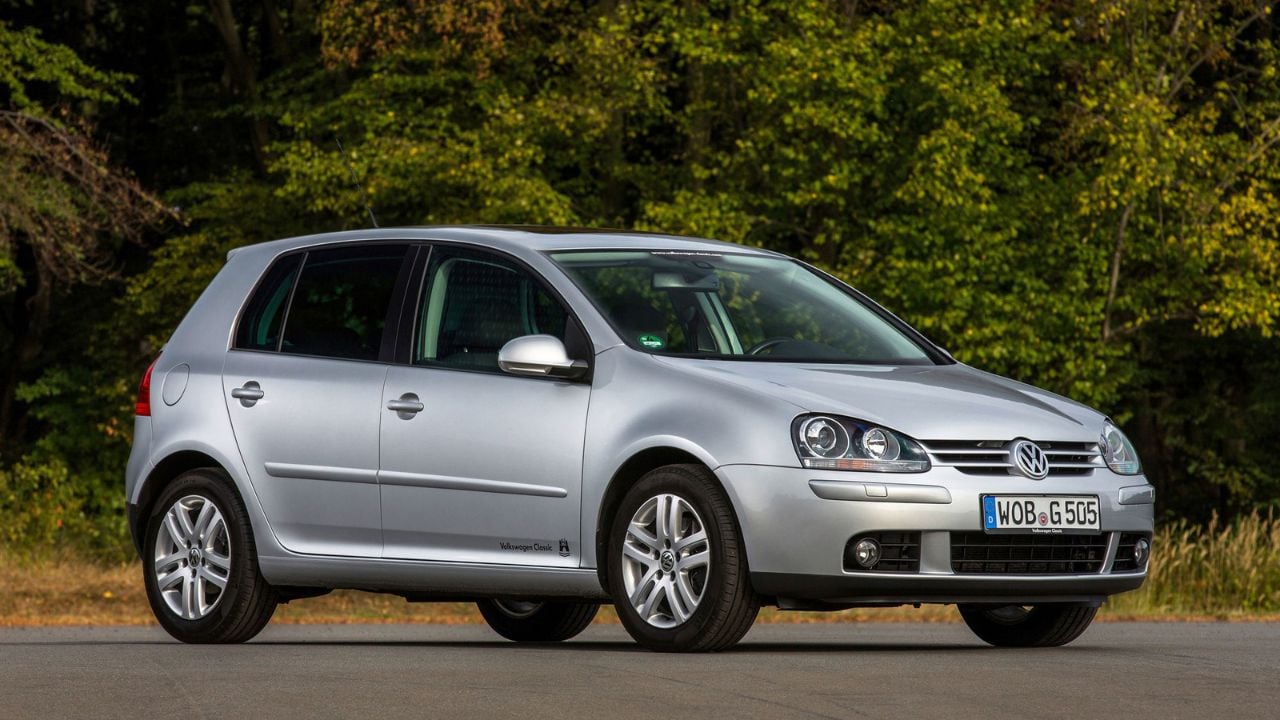
After the Mk4’s success, VW faced the challenge of improving on near-perfection. The Mk5 was their answer: a comprehensively re-engineered Golf that addressed every criticism of its predecessor while maintaining everything that made it special. This was evolution done right.
The exterior design modernized the Golf’s iconic silhouette with flowing curves and confident proportions that looked fresh without abandoning the car’s essential character. The wider stance and more aggressive front end gave it a planted, purposeful appearance that promised better performance, promises the car actually kept.
Inside, VW continued its premium materials obsession, creating a cabin that felt like it belonged in a much more expensive car. The ergonomics were excellent, the controls intuitive, and the overall ambiance was one of solid, Germanic competence. Even base models felt special in a way that competitors couldn’t match.
The driving experience was where the Mk5 really shone. The chassis was more rigid, the suspension more sophisticated, and the steering more precise than the Mk4. It felt sharper and more responsive while maintaining the comfort and refinement that made Golfs excellent daily drivers.
Safety equipment was comprehensive, making it one of the most secure small cars available. The DSG dual-clutch transmission, available on higher trims, was a revelation, offering sports car shift speeds with automatic convenience. It was technology that would trickle down to the entire VW lineup.
The Mk5 Golf proved that VW could continue evolving its masterpiece without losing its soul. It was more refined than the Mk4, more engaging than the Mk3, and established a template that VW would follow for generations to come.
Volkswagen Golf Mk6
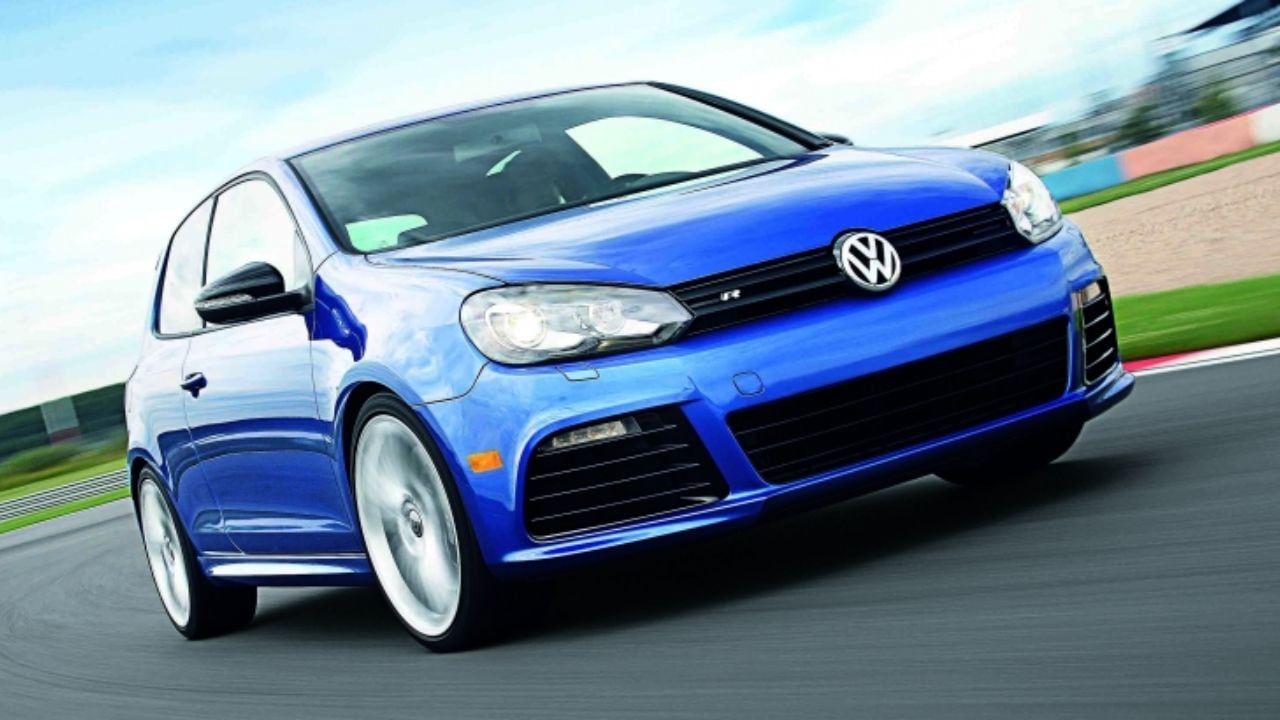
The sixth-generation Golf was VW’s Goldilocks moment, not too soft, not too harsh, but just right. Building on the Mk5’s excellent foundation, VW refined every element while resisting the urge to over-engineer or unnecessarily complicate their formula. The result was possibly the most balanced Golf ever built.
Exterior styling was evolutionary, adding sharper lines and a more confident stance while maintaining the Golf’s timeless proportions. The design aged exceptionally well, looking fresh and modern even today. Interior refinement reached new heights, with materials and build quality that made competitors look amateurish by comparison.
The driving experience struck the perfect balance between comfort and engagement. The steering was precise without being twitchy, the suspension composed without being harsh, and the whole car felt solid and planted at any speed. Even base models were genuinely enjoyable to drive, while GTI versions were absolutely magnificent.
What made the Mk6 special was its maturity. VW had learned what worked and what didn’t, resulting in a car that did everything well without any major compromises. Reliability varied by engine and model year, and some Volkswagen Group cars from this era with the 2.0 TSI EA888 engine developed timing chain related issues, but ownership costs were generally reasonable and resale value stayed strong enough to justify the initial investment.
The GTI deserves special mention as possibly the best hot hatch ever built. With 200+ horsepower, precise handling, and daily-driver practicality, it offered supercar thrills in a sensible package. The interior, with its iconic plaid seats and red accents, paid proper homage to GTI heritage while feeling thoroughly modern.
The Mk6 Golf remains highly sought after by enthusiasts who recognize it as the last of the “analog” Golfs before touchscreens and digital complexity took over. It represented peak Golf evolution, everything that made the car great, refined to perfection.
Volkswagen Polo Mk6
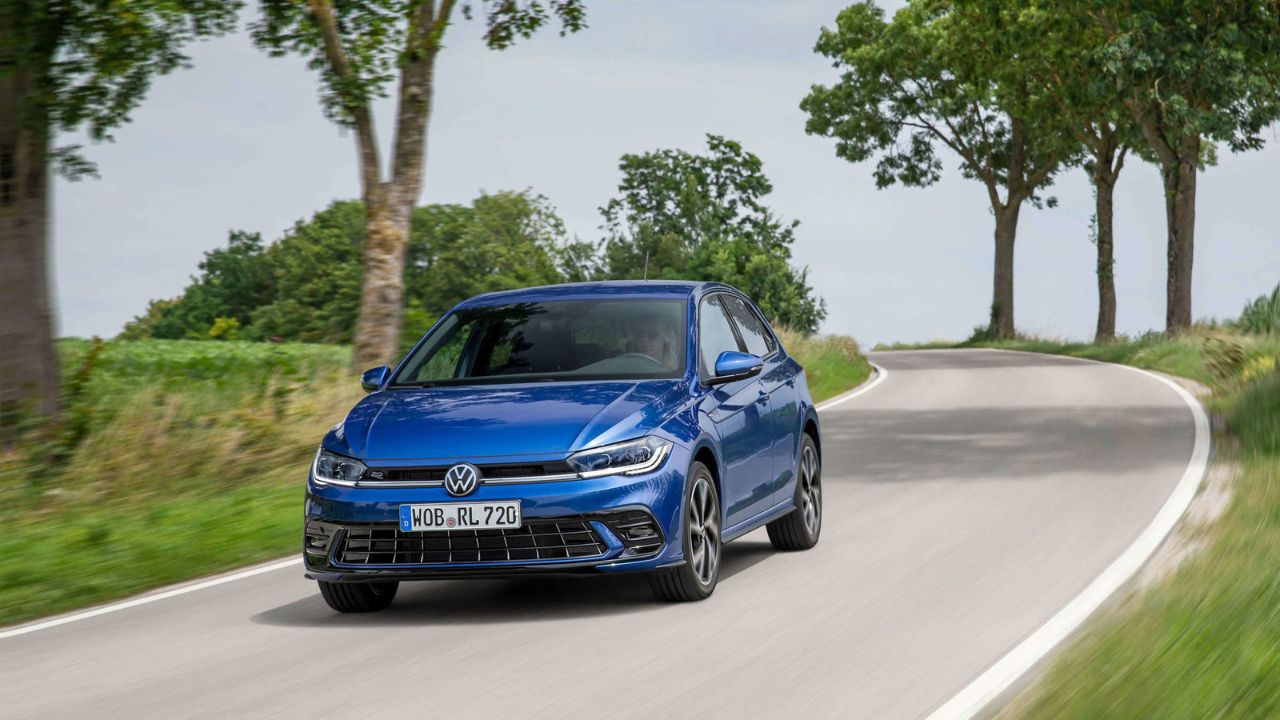
The latest Polo is what happens when VW applies everything it’s learned from building Golfs to its smallest hatchback. The result is a car that feels like a premium product despite its entry-level price point, proving that good engineering scales down as well as up.
The exterior design is clean and purposeful, with proportions that make it look larger and more expensive than it actually is. The interior is where the Mk6 Polo really impresses, with digital displays, soft-touch materials, and build quality that puts many larger cars to shame. The ergonomics are excellent, and the technology integration feels natural rather than forced.
On the road, the Polo feels incredibly mature for such a small car. The ride quality is composed, the handling precise, and the whole car feels solid and planted. Even base engines provide adequate performance, while higher trims offer genuinely spirited driving experiences.
What sets the Mk6 Polo apart is its attention to detail. Every element feels properly engineered rather than cost-cut, from the solid door handles to the precise panel fits. It’s a small car that doesn’t feel cheap or compromised, which is increasingly rare in the segment.
The GTI version is particularly excellent, offering Golf GTI levels of performance in a smaller, lighter package. It’s one of the few genuinely fun small cars still available, proving that efficiency and entertainment don’t have to be mutually exclusive.
The Mk6 Polo succeeds because it doesn’t try to be anything other than the best small car it can be. VW focused on fundamentals, quality, reliability, refinement, and the result is a genuinely impressive achievement in a segment increasingly dominated by cost-cutting and compromise.
Volkswagen Golf Mk2
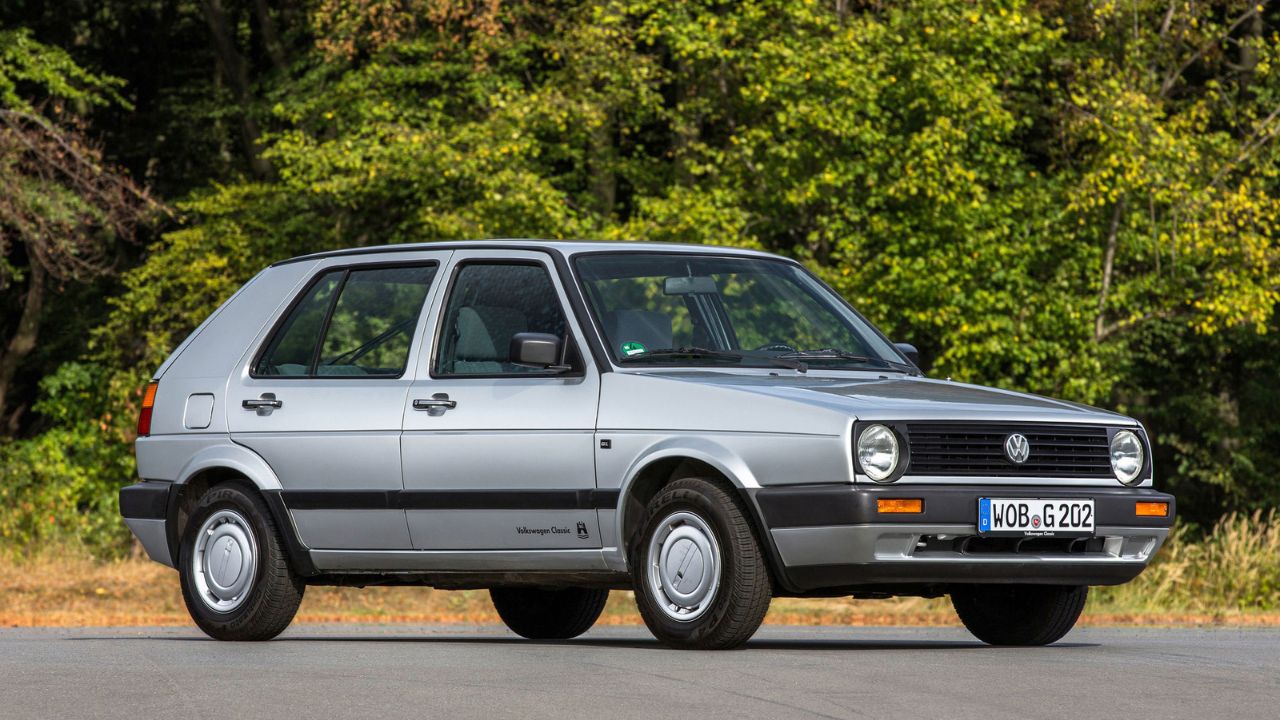
The Mk2 Golf took everything that made the original brilliant and polished it to perfection. This was VW showing the automotive world how to do a sequel right, bigger, better, and more refined while maintaining the essential character that made the original special.
The design was pure automotive poetry: clean, purposeful lines that looked modern in 1983 and still look fresh today. The proportions were perfect, the details thoughtful, and the overall aesthetic was one of Germanic precision without pretension. It looked exactly like what a Golf should look like.
Inside, the Mk2 offered significantly more space and comfort than the original while maintaining the functional, driver-focused layout that made Golfs special. Build quality was excellent, with solid construction and durable materials that aged gracefully. The ergonomics were spot-on, and every control fell naturally to hand.
The driving experience was where the Mk2 really shone. The chassis was beautifully balanced, offering precise handling without harshness, and engaging dynamics without compromise. Even base models were genuinely fun to drive, while the GTI was absolutely magnificent, a perfect blend of performance and practicality that defined an entire generation of hot hatches.
What made the Mk2 Golf legendary was its completeness. It did everything well without any significant weaknesses. It was practical enough for families, fun enough for enthusiasts, reliable enough for long-term ownership, and stylish enough to age gracefully. Few cars achieve this level of all-around excellence.
The Mk2 Golf influenced an entire generation of automotive design and established VW as a premium mainstream brand. It proved that mass-market cars could be genuinely excellent, inspiring countless competitors who tried (and largely failed) to match its combination of quality, capability, and character.
Volkswagen Golf Mk1
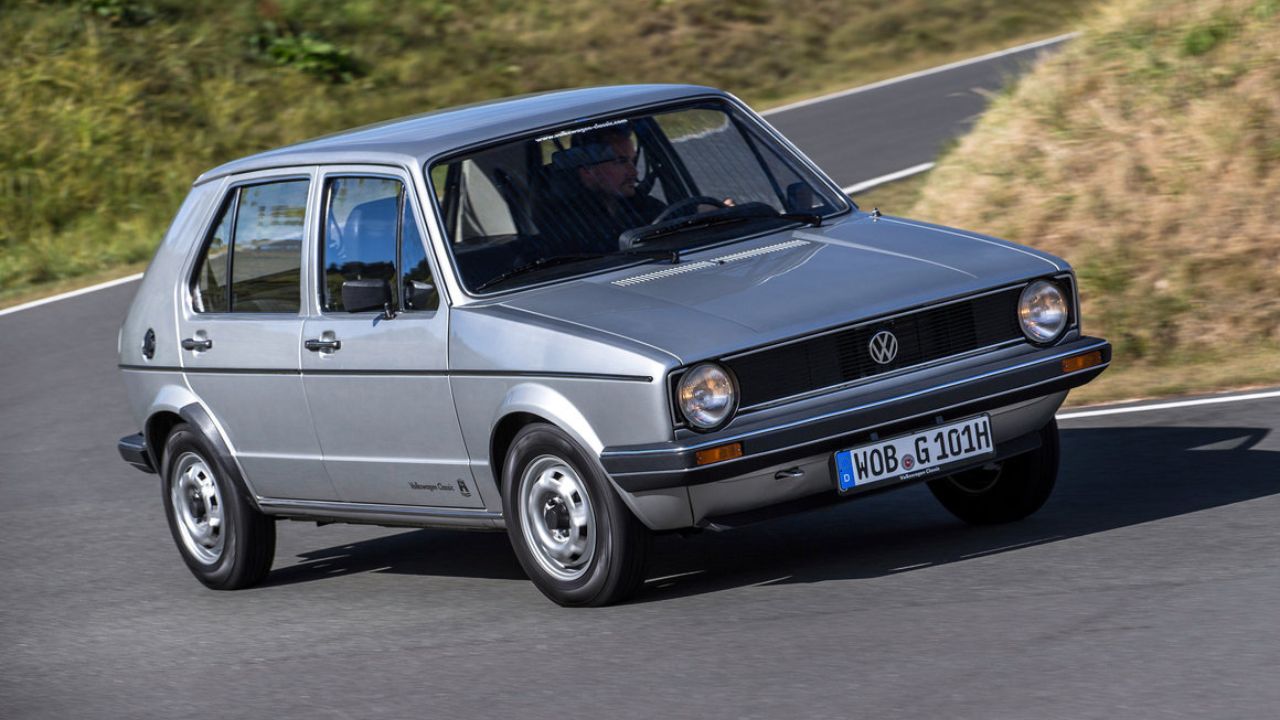
The original Golf didn’t just change Volkswagen, it changed everything. This was the car that killed the rear-engine layout, established the modern hatchback template, and proved that practical could also be beautiful. Before the Golf, small cars were either econoboxes or sports cars. The Golf created an entirely new category: the premium compact.
The design was revolutionary in its simplicity. Clean, angular lines with no unnecessary decoration, perfect proportions, and a timeless aesthetic that still looks fresh 50 years later. Giugiaro’s masterful styling created an instantly recognizable silhouette that would influence automotive design for decades.
Inside, the Golf maximized space efficiency while maintaining an upscale feel. The interior was functional without being austere, with thoughtful ergonomics and quality materials that set new standards for the segment. It felt like a proper car rather than a cheap transportation appliance.
The driving experience was revelatory. Here was a small car that handled like it was engineered by people who actually enjoyed driving. The steering was precise, the chassis balanced, and the whole car felt solid and composed in a way that small cars simply didn’t before the Golf.
But it was the GTI that truly changed everything. By taking the practical Golf and adding just enough performance modifications to make it genuinely quick, VW invented the hot hatch segment. The GTI proved that you didn’t need a sports car to have fun, you just needed a well-engineered small car with a proper engine.
The original Golf’s influence cannot be overstated. It established the template that virtually every compact car still follows today: front-wheel drive, transverse engine, hatchback body, focus on space efficiency and driving dynamics. It made VW a global brand and created a new automotive segment that continues to thrive.
More than just a car, the Mk1 Golf was a cultural phenomenon that represented a new approach to personal transportation. It proved that mass-market cars could be genuinely excellent, inspiring an entire industry to raise its standards. The Golf didn’t just succeed, it redefined what success looked like.
Volkswagen Corrado

The Corrado was VW’s attempt to build a proper sports car without admitting they were building a sports car. This sleek, low-slung coupe-hatch represented peak ’90s automotive ambition: active aerodynamics, complex engineering, and enough electronic wizardry to make a fighter jet jealous. It was brilliant, beautiful, and absolutely determined to bankrupt anyone foolish enough to own one out of warranty.
The design was genuinely stunning, a flowing, aerodynamic shape that looked fast even while parked. The active rear spoiler wasn’t just for show; it actually worked, automatically deploying at speed like some German automotive transformer. Inside, the cabin felt genuinely premium, with supportive Recaro seats and a dashboard that wouldn’t look out of place in a Porsche.
The VR6 engine was the crown jewel, a narrow-angle V6 that produced one of the most intoxicating sounds ever to emerge from a German engine bay. With smooth, linear power delivery and a soundtrack that could make grown enthusiasts weep, it transformed the Corrado from pretty coupe into genuine performance machine. The handling was precise and engaging, with balance that made twisty roads an absolute joy.
But here’s where things got complicated: the Corrado was more high-maintenance than a reality TV star. The active spoiler had a disturbing tendency to have existential crises, sometimes refusing to deploy or, worse, getting stuck halfway up. The electrical system was a masterpiece of Germanic over-engineering, with enough sensors and modules to stock a Radio Shack, each one seemingly designed to fail at the most inconvenient moment possible.
Climate control problems were legendary, air conditioning systems more temperamental than opera singers, and various electronic modules that would randomly decide to take vacation days. Finding parts became increasingly difficult, and repair costs could make your mortgage payment look reasonable.
Yet for all its complexity and maintenance demands, the Corrado remains one of VW’s most beloved models among enthusiasts. Those willing to deal with its quirks were rewarded with one of the most characterful and engaging cars of the era. It proved that VW could build something genuinely special when they put their minds to it, they just forgot to make it reliable.
Today, clean Corrados command serious money from collectors who understand that some automotive relationships are worth the drama. It was VW’s most ambitious hatchback-coupe, a complicated masterpiece that showed both the heights the company could reach and the importance of not over-engineering your way into oblivion.
Volkswagen Golf Mk7

The seventh-generation Golf arrived in 2012 like that friend who went to college and came back impossibly more sophisticated. Built on VW’s revolutionary MQB platform, it was lighter, stiffer, more spacious, and more efficient than its predecessor, basically everything you’d want in a sequel, assuming you could figure out how to work the infotainment system.
The exterior design struck the perfect balance between evolution and revolution. It looked unmistakably like a Golf but felt thoroughly modern, with cleaner lines and more confident proportions. The interior embraced digital technology with the enthusiasm of a tech startup, featuring touchscreens, digital displays, and enough connectivity options to satisfy a NASA mission control room.
Driving the Mk7 was a revelation. The MQB platform delivered handling precision that previous Golfs could only dream of, with steering that actually communicated what the front wheels were doing and suspension that managed to be both comfortable and engaging. It felt lighter and more agile despite being larger than the Mk6, proving that sometimes German engineering actually delivers on its promises.
The GTI version was absolutely magnificent, a proper driver’s car that could embarrass much more expensive machinery while still serving daily driver duty. With the Performance Pack, it was rated at 169 kW and 230 PS, about 227 hp, and could genuinely challenge hot hatches costing twice as much. The optional adaptive suspension was particularly impressive, offering multiple personality modes that actually made meaningful differences.
But the Mk7’s true genius was in its refinement. This was a mass-market car that felt genuinely premium, with build quality that made competitors look like they’d been assembled by caffeinated interns. The interior materials were excellent, the ergonomics spot-on, and the overall experience felt like VW had finally figured out how to build a perfect Golf.
Safety equipment was comprehensive, earning it top ratings from every testing organization that threw cars at walls for a living. The driver assistance features actually worked as advertised, rare enough to be noteworthy in an era when most manufacturers seemed to be throwing sensors at cars and hoping for the best.
The Mk7 Golf succeeded because it understood that evolution doesn’t mean revolution. It took everything that made previous Golfs great and refined it to near-perfection, creating a car that satisfied both enthusiasts and mainstream buyers. It proved that VW could embrace modern technology without losing their essential character. Unlike modern-day SUVs (which have all the touchscreens you don’t need and no existing personality at all).
Volkswagen Golf Mk8

The current Golf represents VW’s most radical departure from the formula since the original Mk1, and reactions have been about as divided as you’d expect when someone messes with perfection. This is the Golf that went full Tesla, embracing touchscreen controls and digital everything with the sort of unwavering commitment usually reserved for religious conversions.
The exterior design is undeniably handsome, with sharper lines and more aggressive proportions that make it look properly modern. LED lighting signatures give it a distinctive nighttime presence, and the overall aesthetic successfully updates the Golf template for the 2020s. It looks expensive and contemporary in ways that should make BMW 1-Series buyers question their life choices.
Inside is where things get controversial. VW essentially eliminated physical buttons with the enthusiasm of Marie Kondo organizing a hoarder’s house, replacing them with touch-sensitive surfaces and haptic feedback that works about as intuitively as you’d expect. The digital cockpit is impressive when it works properly, but the learning curve is steeper than a San Francisco street.
When you actually manage to figure out the controls, the Mk8 drives brilliantly. The chassis is incredibly sophisticated, offering handling precision that makes previous Golfs feel woolly by comparison. The steering is perfectly weighted, the suspension expertly tuned, and the overall driving experience is genuinely excellent. Even base models feel special in ways that competitors can’t match.
The GTI version is particularly impressive, delivering performance that can embarrass genuine sports cars while maintaining the everyday usability that makes hot hatches special. With up to 245 hp in Clubsport form, it’s genuinely quick, and the chassis has the sophistication to handle whatever power VW throws at it.
But the touch controls remain divisive. Simple tasks like adjusting the climate control or radio volume require taking your eyes off the road and navigating through menu systems that would make a smartphone blush. It’s the sort of over-engineering that makes you wonder if anyone at VW actually drives these cars in real-world conditions.
The Mk8 Golf represents VW’s vision of the future, for better or worse. It’s undeniably advanced, impressively engineered, and genuinely excellent to drive when you can figure out how to operate it. Whether that trade-off is worth it depends on your tolerance for digital complexity and your faith in VW’s ability to refine the rough edges through software updates.
Love it or hate it, the Mk8 shows that VW isn’t content to rest on its laurels. It’s a bold statement about where the company thinks cars are heading, even if not everyone is ready to follow them there. We’re ready, VW. We’re ready.
Why VW Hatchbacks Still Inspire
Great hatchbacks create emotional connections that transcend mere transportation. They become part of your story, reliable partners in daily adventures and weekend escapes. The best VW hatchbacks understood this, balancing practical needs with genuine driving pleasure in ways that few manufacturers have matched.
Even VW’s failures teach valuable lessons about the importance of focus and authenticity. The most successful models in this ranking succeeded because they knew what they were trying to achieve and executed that vision without compromise. The less successful ones often tried to be everything to everyone, losing their essential character in the process.
Looking forward, VW’s challenge is maintaining this heritage while adapting to an electric future. The ID.3 shows they’re trying, but early stumbles prove that reinventing excellence is harder than creating it in the first place. The fundamentals that made classic VW hatchbacks great, quality engineering, thoughtful design, engaging dynamics, remain relevant regardless of powerplant.
Which of these would make your dream garage? And more importantly, which ones would you trust with your daily commute? Because ultimately, that’s the real test of any hatchback’s greatness.