Fun fact: despite what many people assume, “Don’t Mess With Texas” wasn’t created as a political slogan. It began as a 1985 anti-littering campaign aimed at convincing Texans to stop throwing trash out of their car windows.
Today, it has become the unofficial mantra of a state known for, well, being a place you don’t want to mess with.
This week, Texas gave people another reason to take that saying seriously. In two unrelated cases decided just one day apart, juries sentenced repeat drunk drivers to life in prison after hearing years of prior DWI convictions, previous prison sentences, and repeated opportunities that failed to stop either man from getting back behind the wheel.
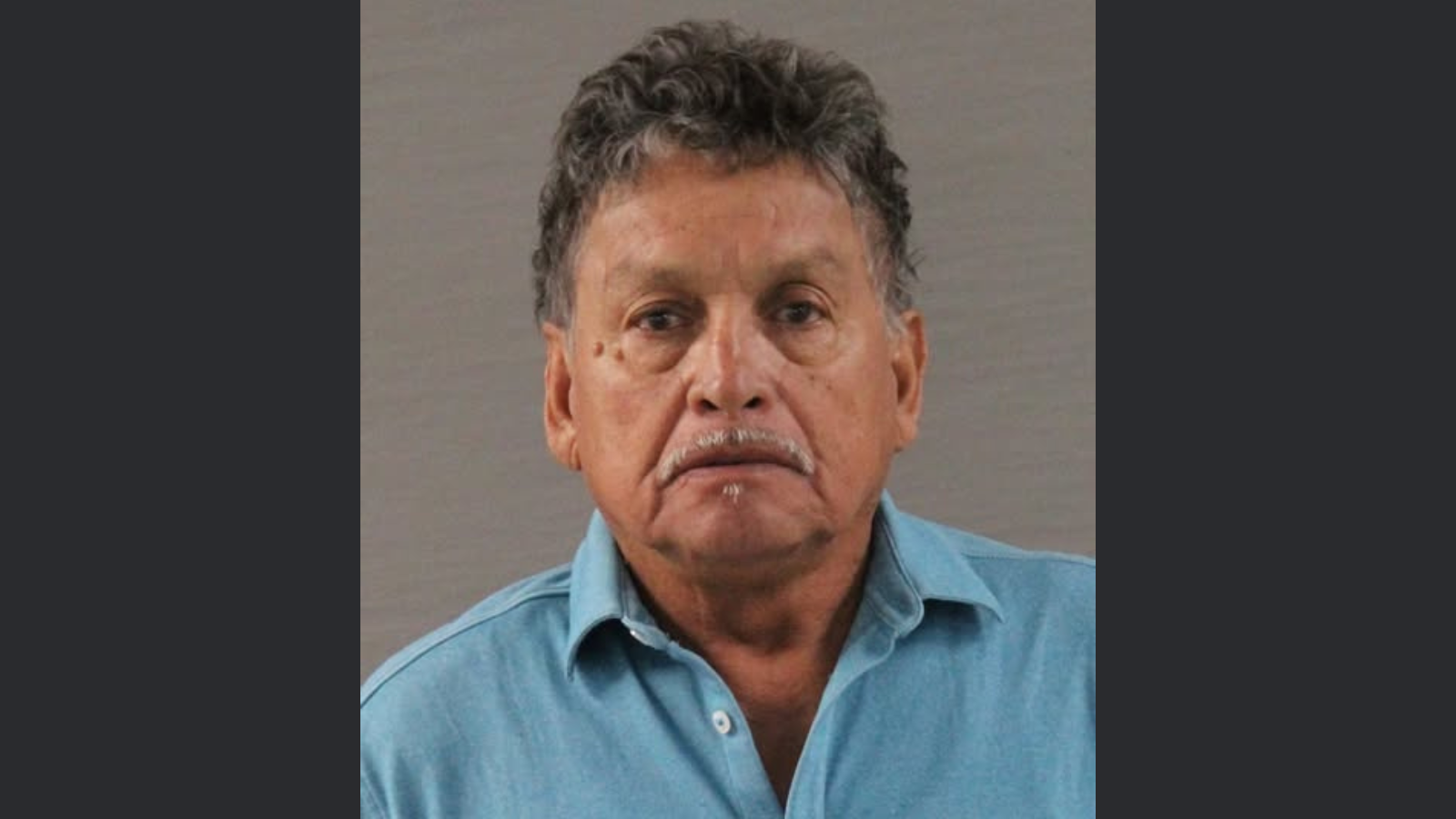
The latest case involved Randall County’s Raymundo Ayala. Although the charge was technically <strong>Driving While Intoxicated, 3rd or More</strong>, prosecutors told jurors they were actually looking at a man with 11 prior DWI convictions who had already served prison time six different times.
Jury Convicts Driver of “DWI, 3rd or More”
Please give the Facebook post a moment to load.
A Randall County jury convicted Ayala on July 14, 2026, of Driving While Intoxicated, 3rd or More.
The case began on Aug. 9, 2025, after a Texas Department of Public Safety trooper spotted Ayala committing multiple traffic violations. During the stop, the trooper observed signs of intoxication, turning the encounter into a DWI investigation. A judge later approved a search warrant for a blood sample, and testing showed Ayala’s blood alcohol concentration measured 0.213—more than two-and-a-half times Texas’ legal limit of 0.08.
Jurors also heard evidence of Ayala’s two prior DWI convictions during the guilt phase of the trial, elevating the charge to the felony offense of Driving While Intoxicated, 3rd or More. They returned a guilty verdict shortly afterward.
The Punishment Phase Told a Much Bigger Story
The punishment phase revealed why prosecutors were seeking such a severe sentence.
Jurors learned Ayala had accumulated 11 previous DWI convictions and had already been sentenced to prison six different times. Because of that criminal history, he qualified as a habitual offender, increasing the available punishment range from the normal two-to-ten years for a third-degree felony to 25 years to life in prison.
After hearing the evidence, the jury selected the maximum sentence: life in the Texas Department of Criminal Justice.
“I Was Unlucky”
Ayala took the stand during the punishment phase and offered an explanation for his long record.
He told jurors he had accumulated so many DWI convictions because he was simply “unlucky.” The jury wasn’t persuaded.
After the verdict, the Randall County District Attorney’s Office noted that this was Ayala’s first DWI arrest in Randall County and said prosecutors intended to make sure it would also be his last. The office added that Ayala was “lucky” that his repeated decisions to drive while intoxicated had not already cost innocent people their lives.
How Can Someone Get Life for a DWI?
Many readers are surprised to learn a DWI conviction can ultimately result in life behind bars.
Under Texas law, a third DWI becomes the felony offense of Driving While Intoxicated, 3rd or More, which ordinarily carries a prison sentence of two to 10 years. However, defendants with extensive felony records can face substantially enhanced penalties under the state’s habitual offender laws, dramatically increasing the available punishment.
Supporters argue that those laws exist to protect the public from repeat offenders who continue breaking the law despite previous convictions and prison sentences. Critics counter that they can produce disproportionately harsh sentences and often fail to address the underlying addiction that contributes to repeat offenses.
Readers Questioned Why It Took 12 Convictions
The district attorney’s Facebook post quickly filled with comments, and one theme recurred.
Many readers weren’t asking why Ayala received a life sentence. They were asking why it took 12 DWI convictions to get there.
Others argued the verdict was justified because every decision to drive while intoxicated puts innocent motorists at risk. Several commenters pointed out that with ride-sharing services like Uber and Lyft now widely available, they saw little justification for repeatedly getting behind the wheel after drinking.
Whether readers agree with the outcome or not, one fact is difficult to ignore. This wasn’t a life sentence imposed after a single mistake—or even after a third offense. It came after prosecutors presented evidence of 11 previous DWI convictions, six prior prison sentences, and yet another arrest in which Ayala’s blood alcohol concentration was allegedly more than two-and-a-half times the legal limit.
What do you think? Did the jury get this one right, or does a life sentence go too far for a repeat DWI offender? At what point should the justice system decide that enough chances have been given? Let us know your thoughts in the comments.