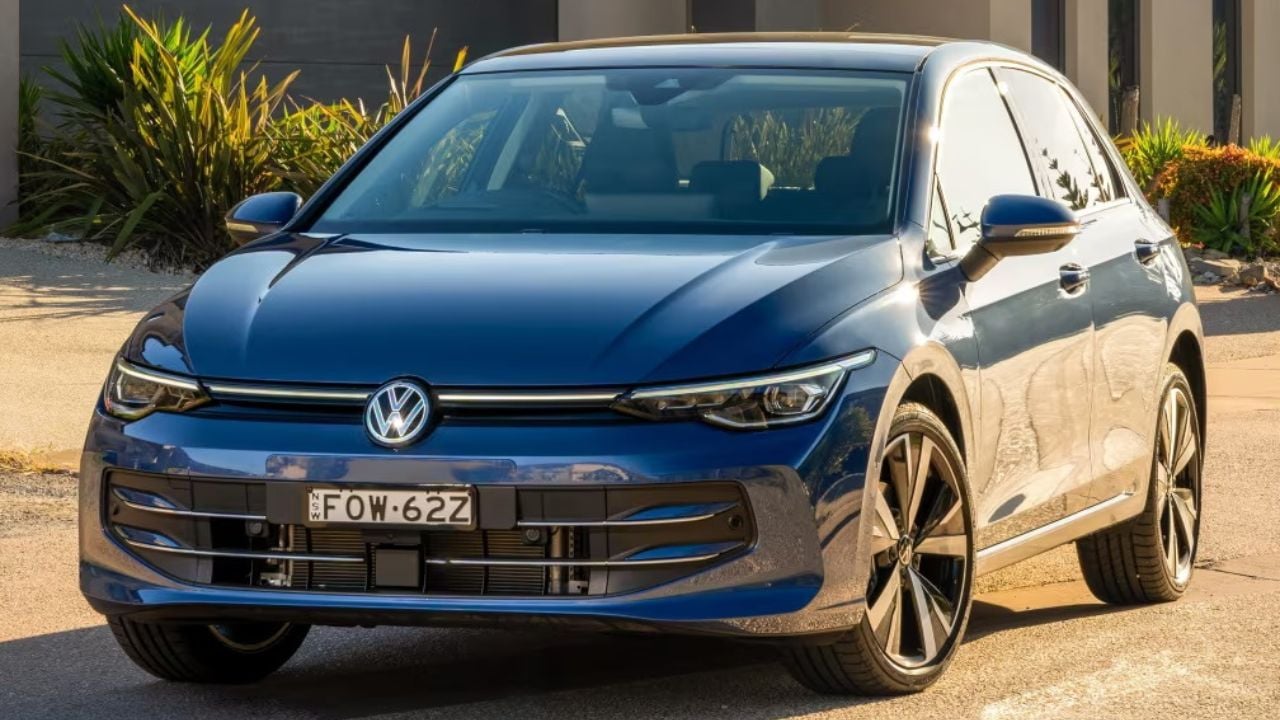
The idea of Volkswagen falling under Chinese ownership would have sounded almost unthinkable not long ago, but one prominent German economist believes it could eventually happen. Moritz Schularick, president of the Kiel Institute for the World Economy, recently suggested that Volkswagen could one day be acquired by a Chinese automaker, even naming BYD as a possible example.
There is currently no evidence that BYD is pursuing Volkswagen or that the German automotive giant is seeking a buyer. Schularick’s comments are best understood as a warning about the changing balance of power in the global auto industry rather than a prediction of an imminent takeover.
Volkswagen remains one of the world’s largest automakers, delivering nearly 9 million vehicles in 2025 and generating €321.9 billion in revenue. Yet its operating result fell 53% year over year to €8.9 billion, highlighting the pressure the group is under as it restructures and tries to improve profitability.
The bigger concern is that European manufacturers could lose further ground to Chinese rivals in electric vehicles, batteries, software, and manufacturing efficiency. Schularick and economic historian Niall Ferguson argued in an interview with Süddeutsche Zeitung that Europe risks becoming increasingly dependent on the United States and China unless it strengthens its own technological and industrial capabilities.
Why Volkswagen Is Under So Much Pressure
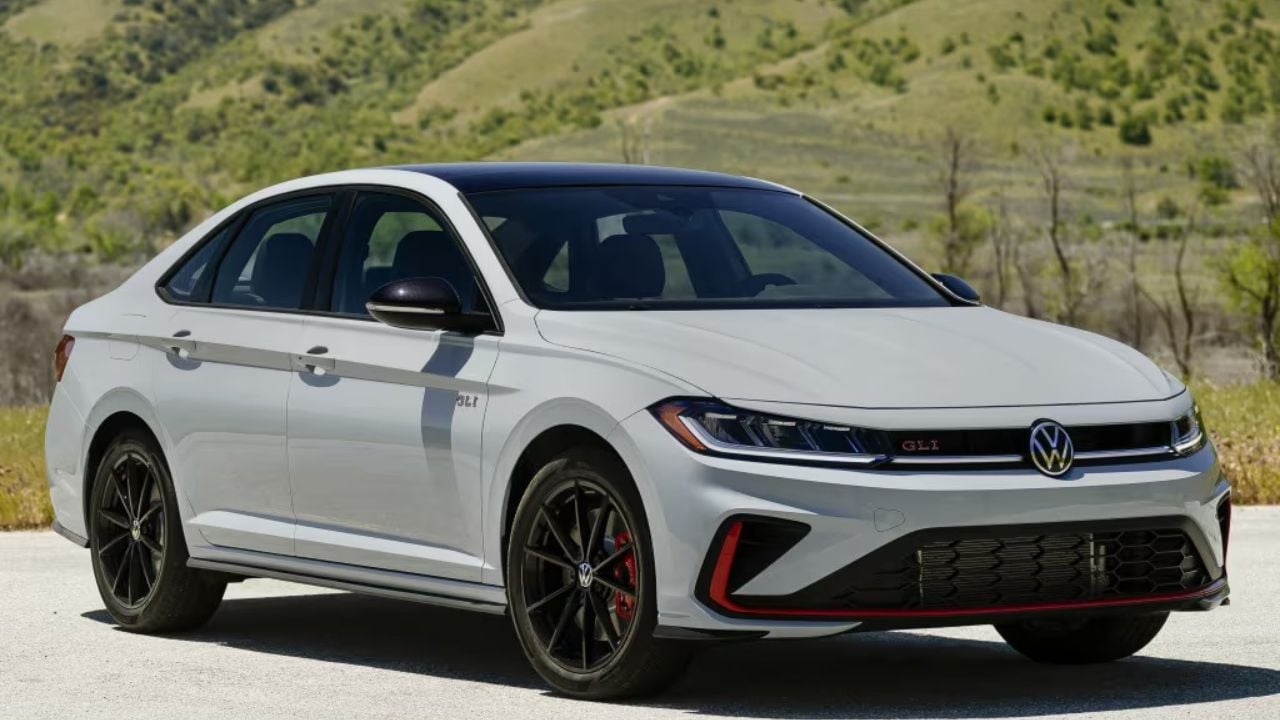
Volkswagen’s size has historically been one of its greatest strengths, but it also creates enormous structural costs. At the end of 2025, the group employed 662,942 people worldwide, including its Chinese joint ventures, or just over 602,000 excluding them.
Managing such a sprawling organization while funding electric vehicles, new software architectures, battery technology, factories, and legacy combustion products has become increasingly difficult. Volkswagen has responded with restructuring efforts aimed at cutting costs, simplifying decision-making, and improving competitiveness.
The pressure is particularly intense in China, where domestic automakers have become far stronger in EVs and software-defined vehicles. Companies such as BYD have moved from being regional players to major global competitors, while Volkswagen has increasingly turned to partnerships rather than developing every technology internally.
Volkswagen Is Already Leaning on Outside Technology
Volkswagen’s relationship with Chinese EV maker Xpeng is one example of that shift. The two companies have been working together on electric models for China, with Volkswagen confirming in March 2026 that the first jointly developed vehicle, the UNYX 08, had reached production.
Volkswagen has also formed a major technology joint venture with Rivian focused on next-generation electrical and software architectures. By early 2026, that partnership had moved into vehicle testing, showing how heavily Volkswagen is relying on external collaboration to accelerate development.
Those partnerships do not mean Volkswagen is preparing to be sold. They do, however, illustrate how the company is changing its traditional approach as development costs rise and software becomes increasingly central to vehicle competitiveness.
Could BYD Actually Buy Volkswagen?
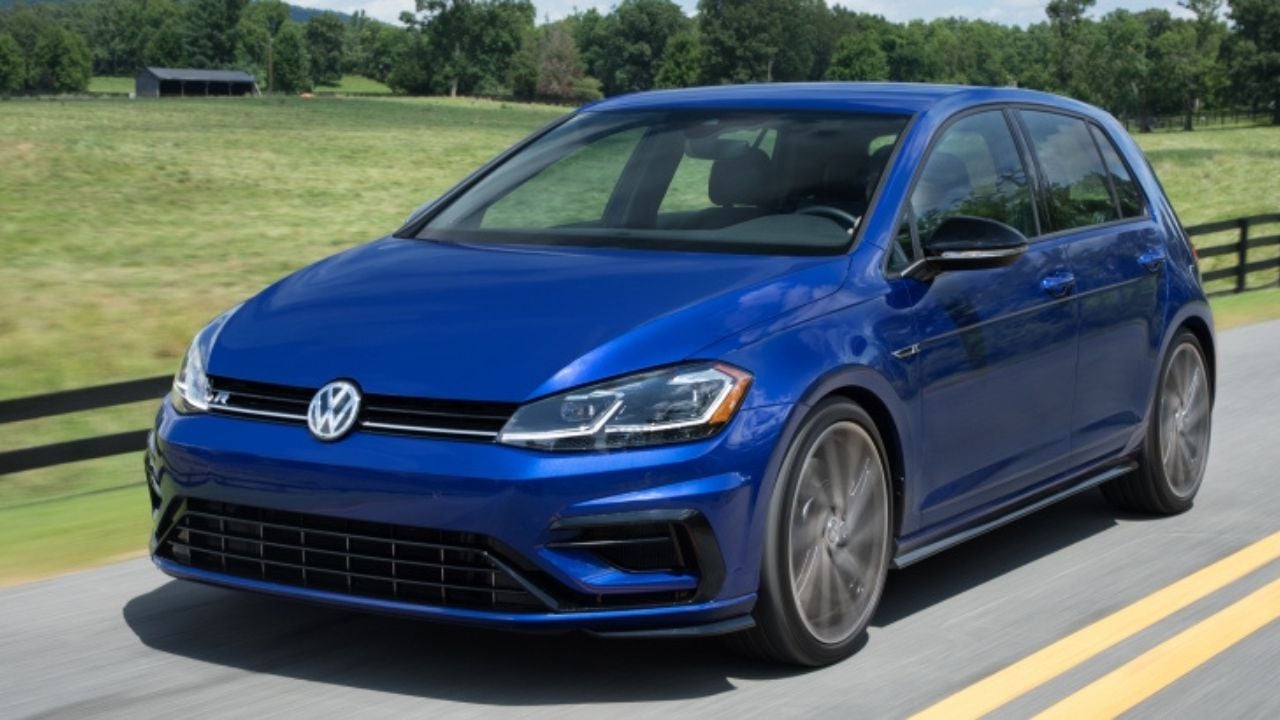
In purely theoretical terms, a company such as BYD represents the type of Chinese automaker with enough scale and ambition to make Schularick’s suggestion interesting. In reality, acquiring Volkswagen would be extraordinarily complicated.
Any Chinese takeover of one of Germany’s most important industrial groups would likely face intense political and regulatory scrutiny. Volkswagen also has a complex ownership structure and deep ties to German industry, labor organizations, and regional government, making a conventional acquisition far less straightforward than buying a smaller automaker.
For that reason, Schularick’s remark should not be read as evidence that a transaction is developing behind the scenes. Its significance lies in the fact that economists are now willing to discuss such a scenario at all.
Europe’s Auto Industry Faces a Bigger Question
Schularick argued that Europe should use access to its large consumer market as leverage, allowing Chinese automakers to expand only if they also manufacture vehicles locally. His broader point is that Europe needs to preserve industrial jobs while still remaining open to investment rather than relying entirely on tariffs.
That debate will become increasingly important as Chinese brands expand across Europe. European automakers are no longer simply competing against cheaper imported vehicles; they are confronting companies with strong battery supply chains, rapidly improving software, aggressive development cycles, and increasingly global ambitions.
Volkswagen is nowhere near disappearing, and a BYD takeover remains entirely speculative. Still, the fact that such an idea can be seriously discussed shows how dramatically the automotive landscape has changed.
A decade ago, Volkswagen buying a foreign competitor would have seemed far easier to imagine than Volkswagen itself being acquired. Today, as China’s automotive industry grows in influence and Europe’s legacy manufacturers fight to reinvent themselves, even that once-unthinkable scenario has entered the conversation.