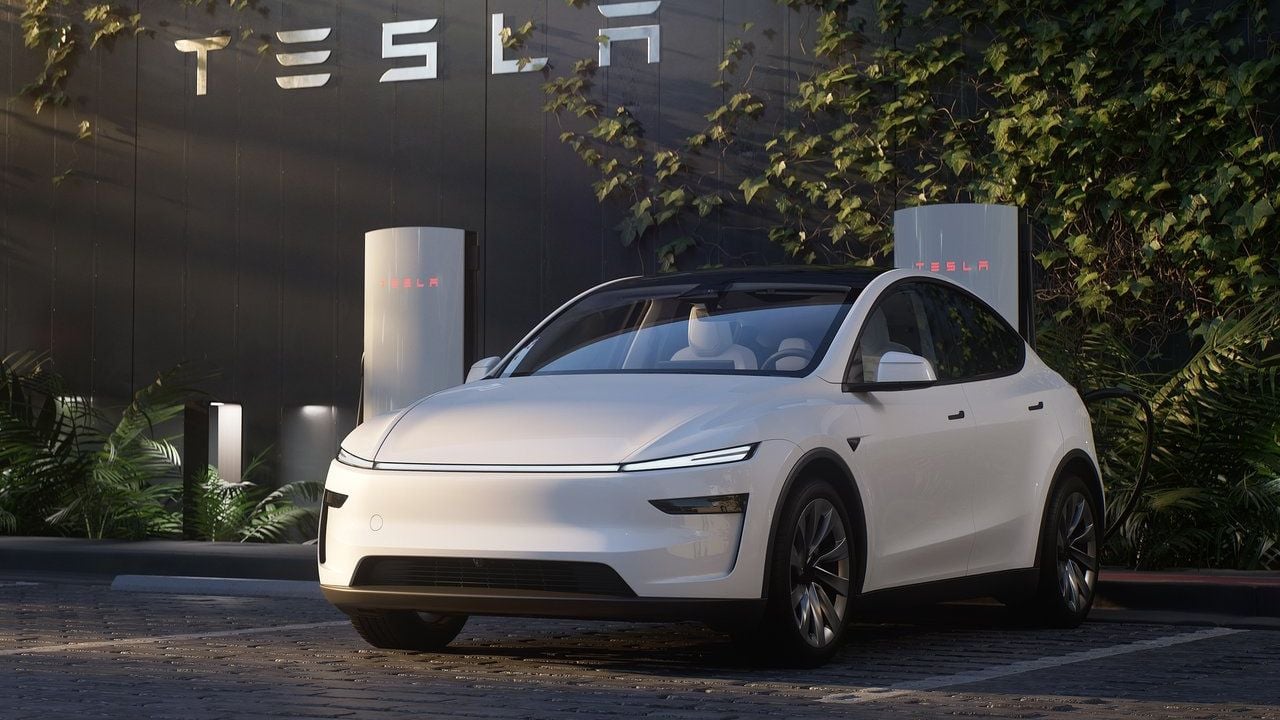
Tesla has spent years making its new cars cheaper, but those repeated price cuts have created an uncomfortable side effect for existing owners. When the price of a new Model 3 or Model Y drops, the value of used examples can fall with it, leaving some buyers facing steeper depreciation than they expected.
Now Tesla is testing a different approach in Australia. Through a partnership with automotive finance company Driva, buyers can access a Guaranteed Future Value program that establishes a minimum value for their Tesla at the end of an eligible finance agreement.
The program does not stop Teslas from depreciating, nor does it guarantee owners will make money when they sell. Instead, it shifts some of the uncertainty by setting an agreed minimum future value before the customer drives away, provided mileage and vehicle-condition requirements are met.
For Tesla, the strategy could provide another way to attract buyers who are nervous about resale values without relying entirely on further sticker-price reductions. For customers, it offers a clearer idea of what the car could be worth several years from now, something that has often been difficult to predict in the Tesla market.
Tesla’s Price Cuts Have Hurt Used Values
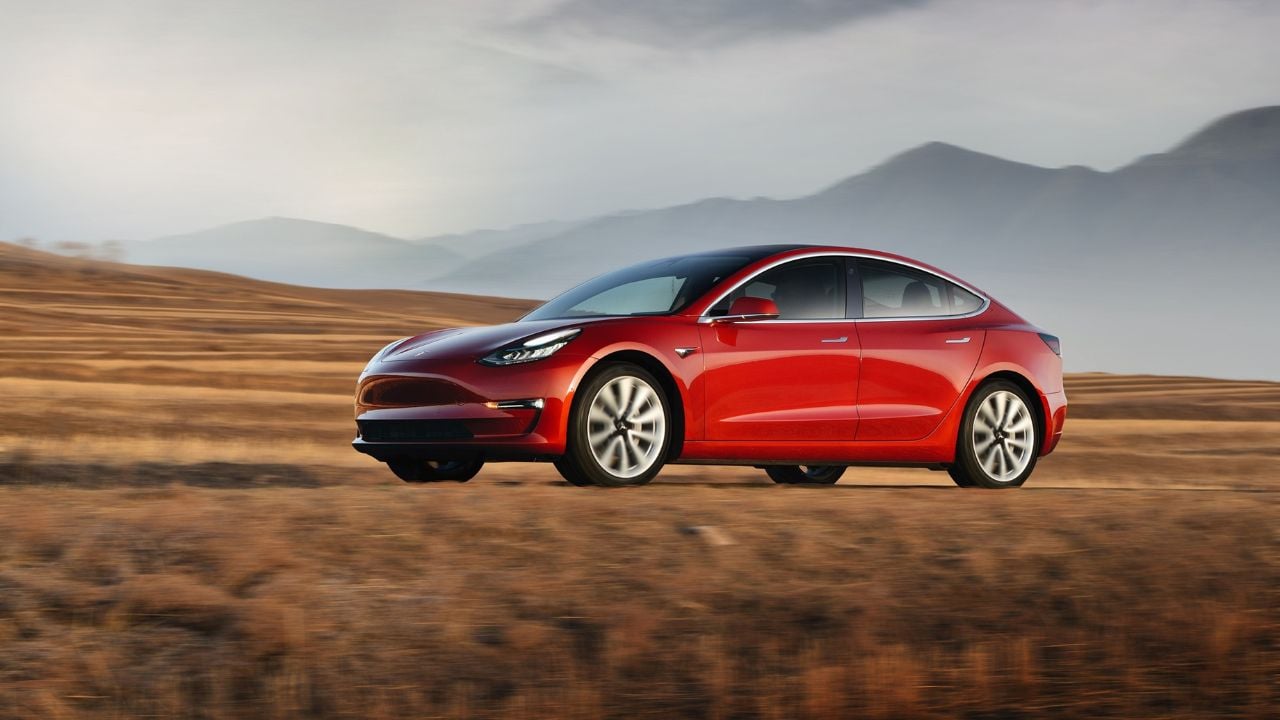
Tesla’s flexible approach to pricing has helped the company quickly adjust to demand and competition, but it has also created problems for owners who purchased shortly before major reductions. A cheaper brand-new Tesla naturally puts pressure on the price shoppers are willing to pay for a comparable used one.
Depreciation has become a concern across the EV market as new-car prices change and technology improves rapidly. Some Tesla owners have also experienced particularly sharp drops in trade-in values, with previous reports documenting vehicles losing roughly one-third of their purchase value in around a year.
That uncertainty can matter almost as much as the initial purchase price. A buyer may enjoy a lower price today, but rapid depreciation can become expensive when it is time to trade, sell, or refinance the vehicle.
How Tesla’s Guaranteed Future Value Program Works
The new Australian program operates somewhat like a combination of a conventional auto loan and a lease. Instead of financing the entire vehicle cost through equal payments, the agreement includes a predetermined balloon amount based on the Tesla’s guaranteed future value.
That structure can reduce monthly repayments because a significant portion of the car’s expected remaining value is pushed to the end of the agreement. When the finance term ends, customers can keep the vehicle by paying or refinancing the outstanding amount, trade it for another vehicle, or return it under the program’s applicable conditions.
The important difference from a traditional lease is that the customer owns the vehicle during the finance term. If the Tesla is ultimately worth more than its guaranteed value, the owner may retain that additional equity rather than automatically surrendering it to a leasing company.
There Is Still a Catch
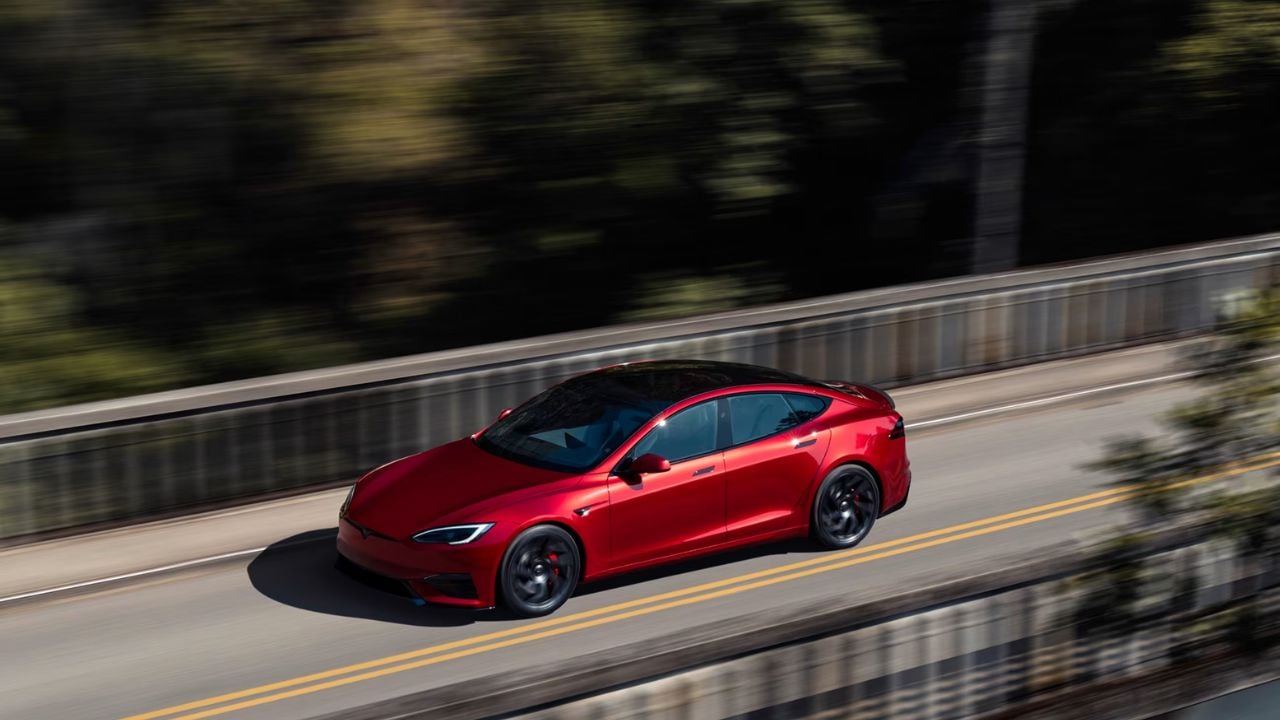
A guaranteed future value is only useful if customers comply with the agreement. The final valuation depends on factors including the model, finance term, agreed annual mileage, and whether the vehicle remains within acceptable wear-and-tear standards.
There is also financial risk on the other side of the arrangement. If used Tesla values fall below the guaranteed amount, the finance provider or other parties backing the program may ultimately have to absorb some of that difference, depending on the agreement’s structure.
Set the guaranteed value too low, and buyers may not see much benefit. Set it too aggressively, and a major decline in used-EV prices could make the program expensive for whoever is carrying the residual-value risk.
Could Tesla Bring It to America?
For now, the Guaranteed Future Value program is being offered in Australia, with Driva saying it locks in a minimum end-of-term value for eligible Tesla buyers. There has been no confirmed announcement that an equivalent program is coming to the United States.
Still, the concept could potentially appeal to American buyers concerned about unpredictable resale values. Rather than cutting new-car prices again, Tesla could theoretically use guaranteed residual values and lower monthly payments to make ownership feel less financially risky.
Whether the Australian experiment expands elsewhere will likely depend on how customers respond and how accurately future used-car values can be predicted. The program cannot erase Tesla’s depreciation problem, but it represents a notable change in strategy: instead of asking buyers to accept an uncertain resale value, Tesla is now testing a way to put a floor underneath it.