Most people have heard the saying “three strikes, and you’re out.” It comes from baseball, where repeated failures eventually end your turn at the plate. The justice system isn’t baseball, but the principle behind repeat-offender laws is similar: at some point, society has to decide how many additional chances should be given before protecting everyone else becomes the higher priority.
That’s what makes this case so interesting. A Texas man has been sentenced to life in prison for driving while intoxicated, a punishment that some readers will likely view as excessive and others will argue was long overdue.
That debate has already begun on social media. Some commenters praised the jury for removing a repeat impaired driver from the road before someone was killed. Others argued that alcohol addiction should be addressed through rehabilitation rather than a life sentence.
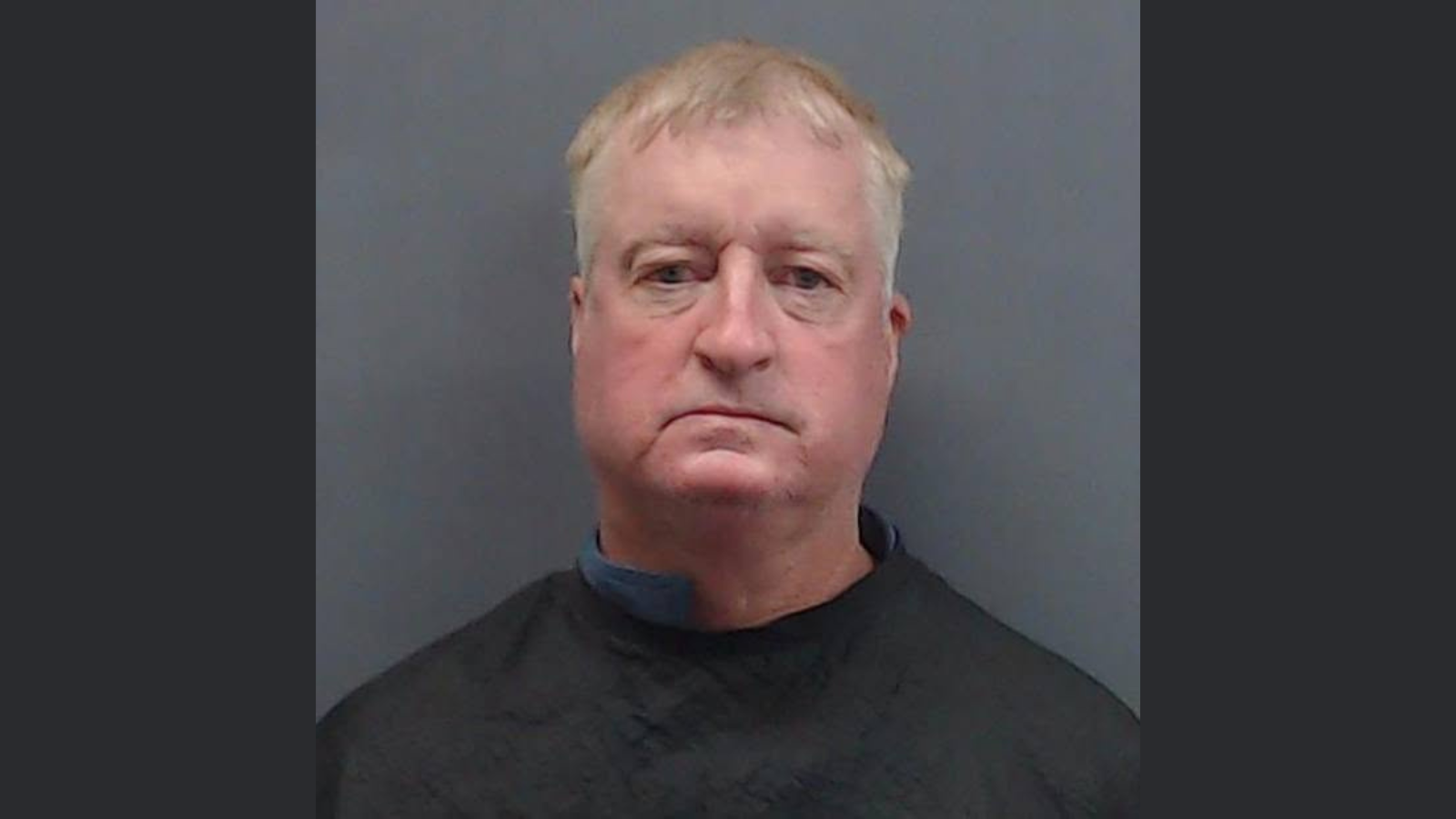
What can easily get lost in that debate, however, is that this was not a life sentence imposed after a third DWI. According to a conviction history published by KETK, this was Jeffry Scott Webb’s fifth felony conviction for “3rd or More DWI” and his seventh DWI conviction overall, with the first dating back nearly 30 years.
Please give the Facebook post a moment to load.
Jury Returns Guilty Verdict in Less Than 45 Minutes
According to the Gregg County District Attorney’s Office, a jury found Webb guilty of Driving While Intoxicated, 3rd or More following a two-day trial in the 124th District Court. Jurors deliberated for less than 45 minutes before returning the guilty verdict.
During the punishment phase, prosecutors presented evidence of Webb’s criminal history, including multiple prior felony DWI convictions and two previous prison sentences in the Texas Department of Criminal Justice. The jury assessed a life sentence, and Judge Alfonso Charles formally imposed the sentence on July 15.
The conviction stems from a 2025 incident at the Majestic Inn in Longview. Police responded after receiving a report of a suspected intoxicated driver in the motel parking lot.
Witness and Surveillance Video Helped Build the Case
According to the district attorney’s office, a witness told Longview police that a man had driven around the motel parking lot before parking, exiting his vehicle, and staggering toward a stairwell. The witness said the man then entered a motel room.
Officers reviewed motel surveillance footage that prosecutors said corroborated the witness’s account. The witness subsequently identified Webb as the driver, and officers located him inside the motel room.
Police reported observing signs of intoxication when they contacted Webb. He refused to perform field sobriety tests, and officers obtained a search warrant signed by Judge Angie Konczak authorizing a blood draw.
Testing performed by the Texas Department of Public Safety Crime Laboratory determined Webb’s blood alcohol concentration was 0.272, more than three times Texas’ legal limit of 0.08.
A Fifth Conviction for “3rd or More DWI”
KETK published the following conviction history, which the outlet said was based on information from the district attorney’s office and Gregg County court records:
- 1996 – DWI/Misdemeanor
- 1999 – DWI/Misdemeanor
- 2009 – 3rd or More DWI/Felony
- 2010 – 3rd or More DWI/Felony
- 2015 – 3rd or More DWI/Felony
- 2022 – 3rd or More DWI/Felony
- 2025 – 3rd or More DWI/Felony
The wording sounds unusual, but it reflects how Texas classifies repeat DWI offenses. Under Section 49.09 of the Texas Penal Code, a DWI becomes a third-degree felony when a defendant has two previous qualifying intoxication-related convictions.
Every qualifying DWI after that threshold remains a felony DWI commonly described as “DWI, 3rd or More.” That means a person can accumulate several separate convictions carrying the same “3rd or More” label.
In Webb’s case, the published history shows two misdemeanor DWI convictions followed by five felony convictions for 3rd or More DWI between 2009 and 2025.
Why Could a DWI Result in a Life Sentence?
A third DWI in Texas ordinarily carries a sentence of two to 10 years in prison and a fine of up to $10,000. However, those are the standard penalties for a third-degree felony before any applicable repeat-offender sentencing enhancements are considered.
Under Section 12.42 of the Texas Penal Code, qualifying prior felony convictions can substantially expand the punishment range imposed on a repeat offender. The exact enhancement depends on the defendant’s prior convictions and whether they meet the statute’s sequencing and other legal requirements.
The district attorney’s announcement did not specify which subsection of the repeat-offender statute was applied. It did say, however, that the jury heard evidence of Webb’s previous felony DWI convictions and two prior prison sentences before assessing punishment at life imprisonment.
Supporters of habitual-offender laws argue they protect the public by removing people who continue to commit felonies despite repeated convictions, punishments, and opportunities to stop. Critics counter that enhanced sentences can become disproportionate, especially when addiction is a significant factor, and question whether lengthy incarceration addresses the underlying problem.
Readers Are Already Divided
The Gregg County District Attorney’s Office shared the result on Facebook, where reactions reflected that divide.
Many commenters applauded the prosecutors, judge, and jury, arguing that seven DWI convictions showed Webb had received more than enough opportunities to change. Some pointed to the risk impaired drivers pose to innocent motorists and said the sentence may prevent another family from being injured or killed.
Others questioned whether life imprisonment was appropriate for a DWI conviction and argued that long-term treatment for alcoholism would better serve both the defendant and society.
It is a legitimate sentencing debate, but the timeline matters. Webb was not sentenced to life after his third DWI or even after his first felony conviction for 3rd or More DWI. The history published by KETK indicates that he received five separate convictions bearing that felony designation over approximately 16 years.
Previous convictions and two stays in state prison apparently did not stop the behavior. By 2025, the question before the jury was no longer how the system should respond to a first mistake, or even a third one. It was how many additional chances should remain after seven DWI convictions and five separate felony DWIs.
The defendant retains the right to challenge his conviction and sentence through the appeals process.