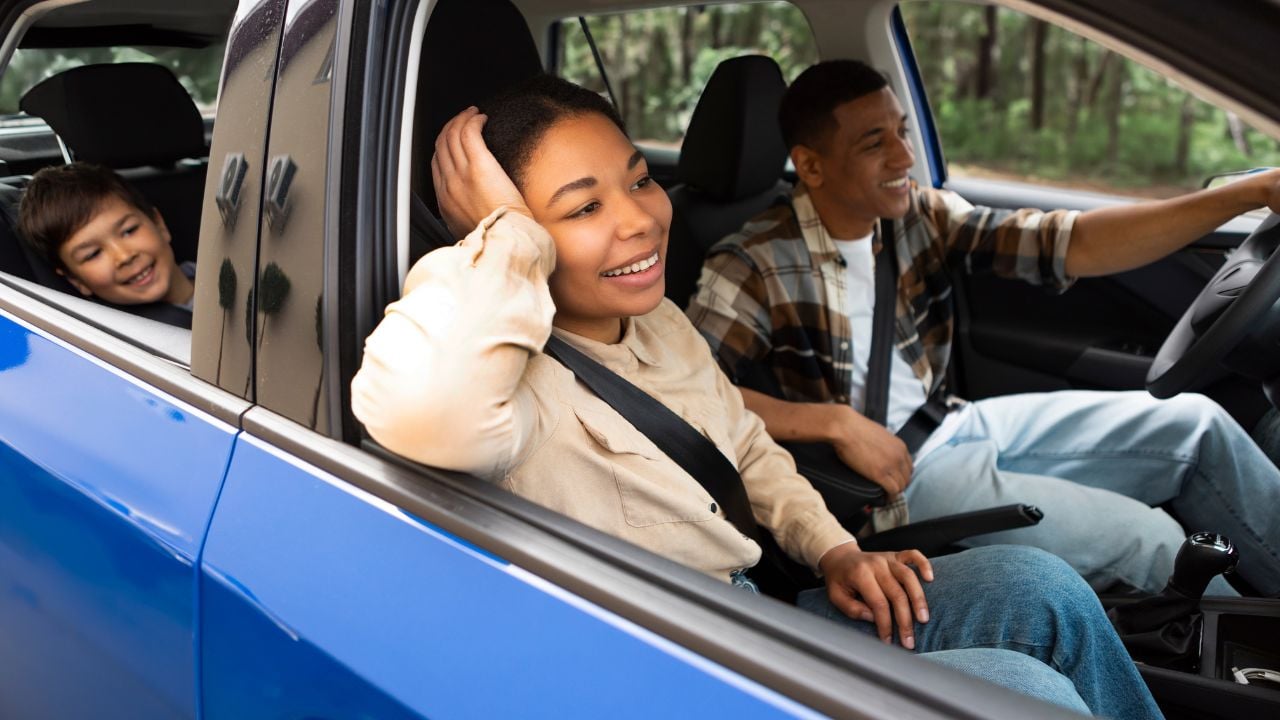
A family road trip can feel exciting right up until the moment the doors close and someone realizes the wipes are buried under a suitcase, the snacks are in the trunk, and the charger never made it to the front seat. That is usually how travel stress begins. Not with one big disaster, but with a string of small annoyances that arrive faster than anyone expected.
Good packing helps because it prevents those little problems from taking over the day. The goal is not to cram the most possible gear into the car. It is to decide what needs to stay close, what can stay packed, and what should never require a full parking-lot unpacking job just to find it.
That distinction matters more with kids in the car. A family drive gets harder when every stop turns into a scavenger hunt, or when hunger, mess, boredom, and minor discomfort all hit at once because the useful items were packed in the wrong place. Smart packing creates a calmer rhythm from the first hour onward and makes the whole vehicle feel easier to live in.
The best road-trip setup is simple, layered, and realistic about what families actually need on the move. Keep the high-use items accessible, keep the car from becoming a rolling junk drawer, and treat health and safety supplies as part of the trip, not as last-minute extras. When that system works, the drive itself gets much easier.
1. Create a Grab-And-Go Essentials Zone for the Cabin
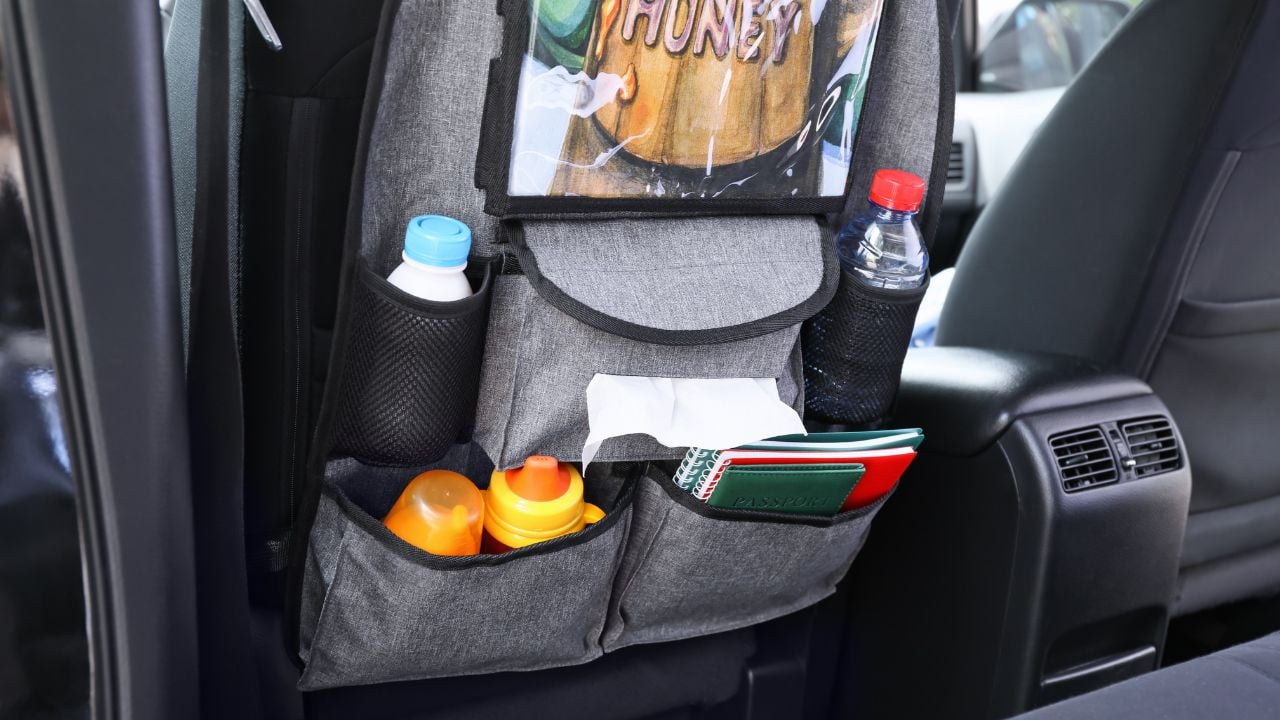
One of the smartest things a family can do is separate the need-it-now items from everything else. Main luggage can stay in the trunk, but the cabin should have its own dedicated essentials bag with the things that solve the most common problems on the road. That usually means wipes, tissues, hand sanitizer, chargers, medicine, a small first-aid pouch, sunglasses, sunscreen, and a change of clothes for the youngest child.
What matters is access. Parents may have packed everything correctly, but if finding one item requires moving three bags and opening the trunk on the side of the road, the setup is already failing. A soft tote, basket, or back-seat organizer works well because one adult can reach it quickly without turning every small need into a full stop.
2. Pack the Car in Layers Instead of Throwing Everything in at Once
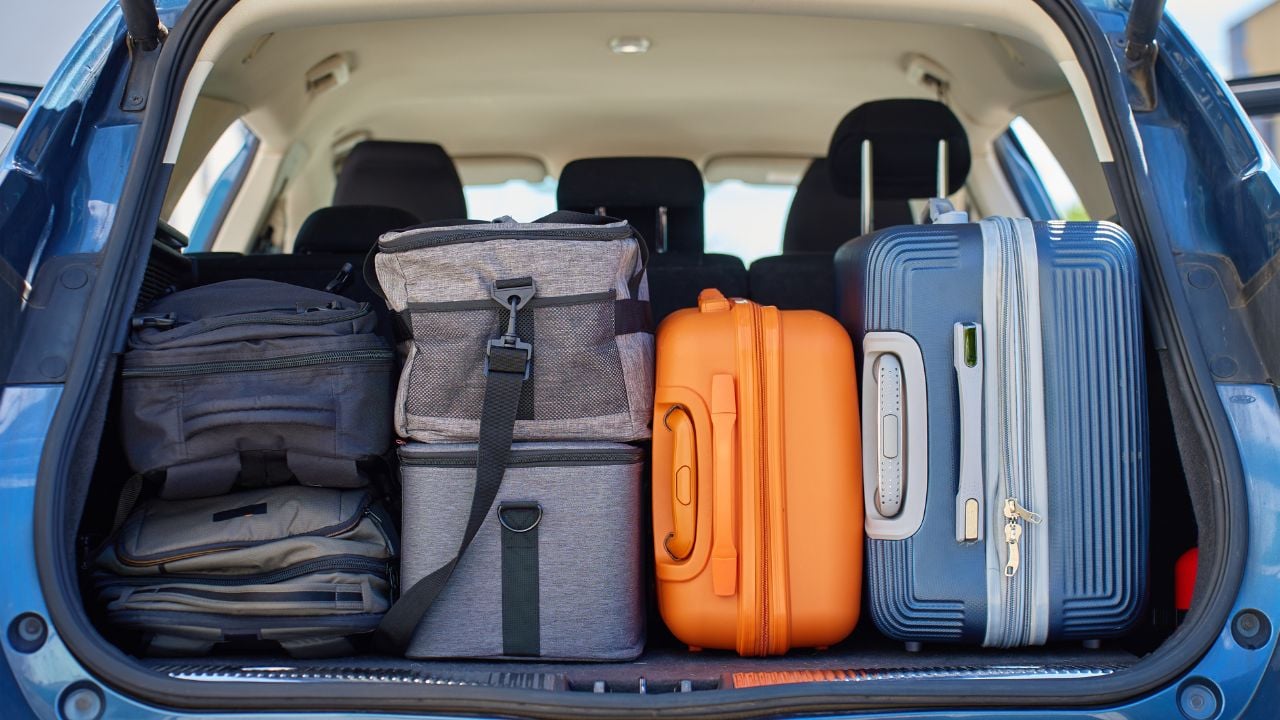
A family road trip usually goes better when the car is packed with a clear order in mind. Heavier bags should go low and stay stable, overnight bags should be easier to reach, and anything needed during the drive should never be buried under large suitcases. NHTSA’s cargo guidance is useful here, because it stresses securing loads properly and avoiding unstable or excessive packing.
This is especially helpful on trips with one-night stops. Instead of dragging every suitcase into a hotel, pack one small overnight bag per person or one shared family bag with pajamas, toothbrushes, a fresh outfit, and basic toiletries. The car stays neater, check-ins go faster, and the larger bags stop becoming obstacles every time the family changes location.
3. Use Food and Cleanup Bags To Stay Ahead of the Mess

Snacks can make or break the mood in a car full of children. Hunger arrives quickly, usually at the wrong moment, and rarely in a patient mood. A dedicated food bag or small cooler helps because it keeps the easy wins within reach: water bottles, fruit, crackers, sandwiches, cheese sticks, and other low-mess basics. The useful cooler is not the one packed perfectly in the trunk. It is the one someone can actually reach.
Cleanup deserves its own system too. Keep a trash bag, extra napkins, paper towels, and a few zip-top or plastic bags nearby for spills, wrappers, wet clothes, or motion-sickness emergencies. A messy car can change the tone of a drive surprisingly fast. Families usually enjoy the trip more when they stay ahead of the clutter instead of dealing with it after the back seat has already fallen apart.
4. Pack Entertainment in Small Doses, Not All at Once
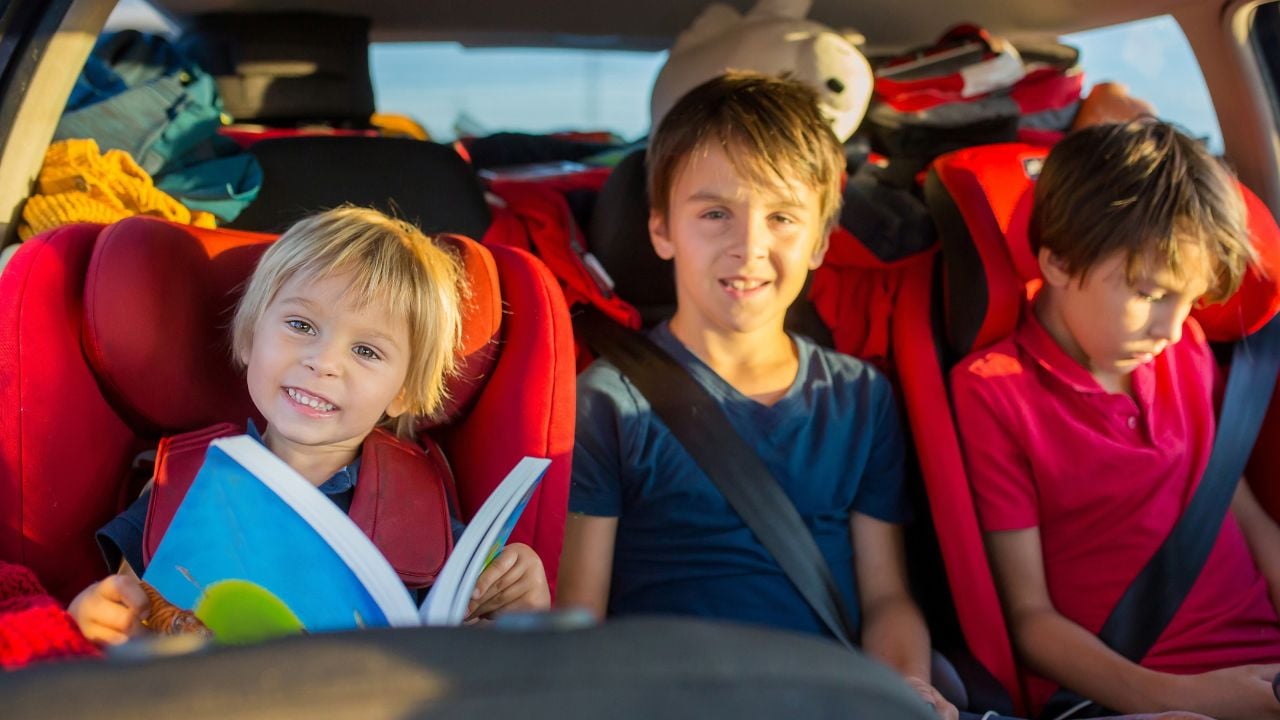
Children usually do better on the road when they have variety, not when they are handed everything in the first hour. A smarter approach is to pack small activity pouches that can be rotated through the day. Crayons, stickers, notebooks, mini games, small toys, and one surprise item often work better when they appear gradually instead of all at once.
It also helps to think beyond screens without pretending screens do not matter. Tablets and downloaded shows can absolutely help on a long drive, but they work best as one part of a rotation that also includes audiobooks, music, simple car games, and stretch breaks. A little rhythm usually works better than relying on one device until everyone is tired, cranky, or overstimulated.
5. Treat Health, Safety, and Documents as Part of the Packing List
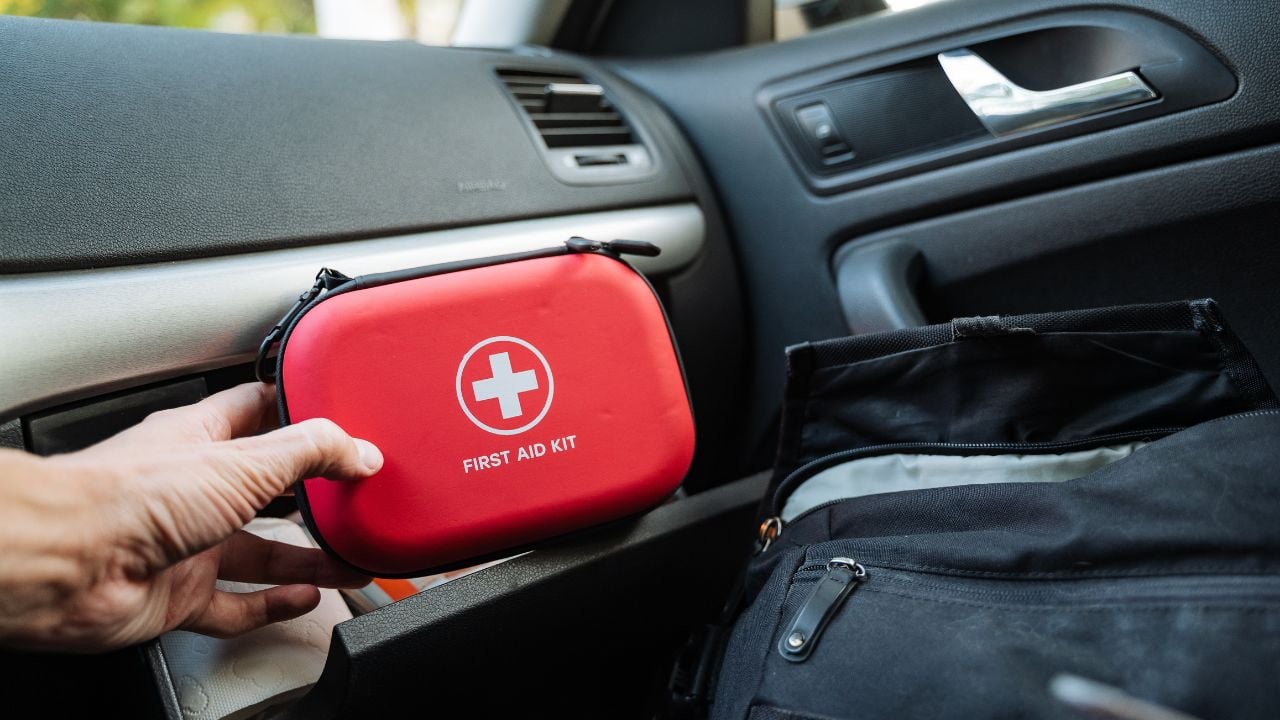
The most overlooked road-trip items are often the ones that matter most when something goes wrong. Prescription medicine, pain reliever, allergy relief, motion-sickness basics, bandages, chargers, insurance details, registration papers, and roadside-assistance information should be packed before the fun items. CDC travel-health guidance is useful even for ordinary trips because it emphasizes building a practical health kit around the actual needs of the people traveling.
Safety deserves the same attention. HealthyChildren’s car-seat guidance and its broader family travel safety advice are good reminders that the basic setup matters as much as the packing list. Before departure, do one last pass: check the car seat situation, refill water bottles, make sure the spare is in place, and confirm that the first few hours of the drive are covered without opening half the vehicle. That is usually what separates a smooth family road trip from one that feels harder than it needed to be.