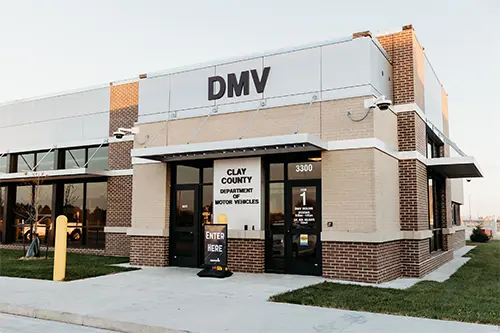
At first, it looked like a routine use of a new convenience. A small group walked into a Clay County DMV office and applied for same-day IDs, exactly what the pilot program from the Minnesota Driver and Vehicle Services (DVS) was designed to handle, according to a release from the agency.
Applicants could complete the process and leave with a printed card the same day, a faster alternative to the usual wait.
Nothing about that initial visit immediately stood out. But about a week later, another group arrived in the same white van. The applications looked similar, the documents followed the same pattern, and the timing was close enough to raise questions. That was the point when staff began to take a closer look at what was happening.
The Pattern That Gave It Away
As employees reviewed the applications, a consistent pattern started to emerge. Most individuals presented Louisiana birth certificates while claiming Minnesota residency, often using Minneapolis addresses. At the same time, many were applying only for state identification cards rather than driver’s licenses, even though some appeared to have driving privileges.
Each of those details on its own could be explained. Taken together, they suggested coordination. Staff in the Moorhead office flagged the activity and contacted DVS, which moved quickly to place holds on the applications. Those holds prevented the IDs from being issued while the situation was being reviewed.
They Tried to Work Around It
The activity did not stop after the initial denials. Two of the applicants later attempted to obtain IDs at the only other location participating in the pilot program, a license center in Lakeville. Because DVS had already placed holds on their records, those attempts were denied as well.
A few days later, the same van returned to Clay County, this time with Florida license plates. By that point, the staff was actively watching for similar applications. As new records were being created, additional holds were placed in real time to prevent any IDs from being produced. Staff also contacted the police as the situation unfolded.
What Police Learned
Police questioned the applicants at the scene, and those conversations provided more context for why multiple groups had made the same trip.
The individuals said they had been approached in Louisiana about a job opportunity that included an all-expenses-paid trip to Minnesota to obtain same-day IDs. After receiving the IDs and returning to Louisiana, they were told they would be paid $3,000 for turning them over.
That explanation aligns with the repeated arrivals, the shared transportation, and the consistent documentation presented during the applications. In the end, every ID connected to the effort was either denied or canceled before it could be used.
What We Know—and What Hasn’t Been Released
While police did speak with the applicants at the scene, no law enforcement agency has announced any arrests or charges related to the incident.
The information released by the Minnesota Driver and Vehicle Services does not include the identities of the individuals involved. It also does not specify whether charges are being pursued or what consequences, if any, the applicants may face.
Why This Type of Scheme Matters
A state-issued identification card plays a central role in everyday transactions. It is commonly used to open financial accounts, verify identity, and access services that rely on official documentation. Because of that, obtaining a legitimate ID under false pretenses can create opportunities for broader fraud that extends well beyond the initial application.
“We’re really proud of the teamwork between our staff and our business partners that effectively blocked an organized attempt at criminal behavior,” said Pong Xiong. “A driver’s license or ID is such a crucial part of conducting the business of life — unfortunately, in the wrong hands it can be a major tool in a criminal’s arsenal.”
What Changed After This
The same-day ID pilot program has since been discontinued. DVS said the lessons learned from this and other pilot efforts will be used to strengthen future programs and reduce the risk of similar attempts.
The agency also noted that it monitors identity fraud trends in other states and works to prevent those patterns from appearing in Minnesota.
The Part That Matters
There was no dramatic ending to this situation. Instead, it came down to staff recognizing a pattern, asking questions, and taking action before the process could move forward.
That attention to detail was enough to stop what was described as an organized, multi-state attempt before it could expand further.