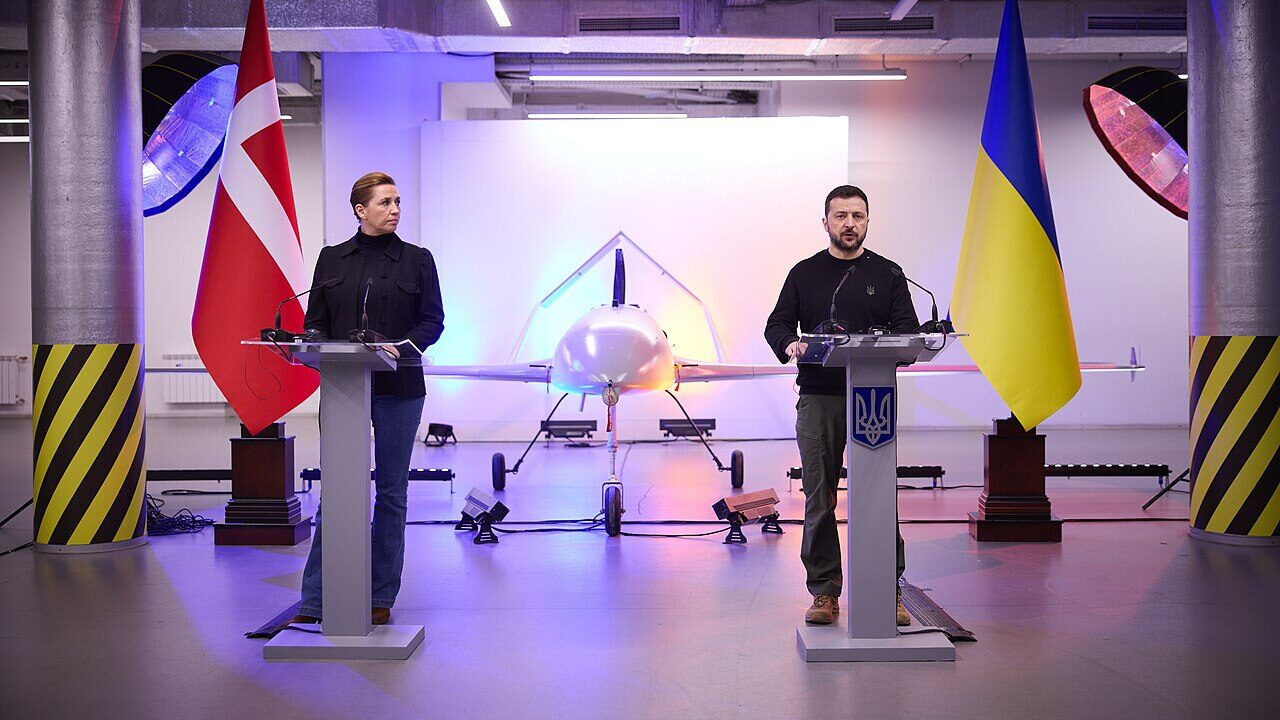

The war in Ukraine has reshaped modern warfare, and one unexpected byproduct is Ukraine’s sudden rise as a world leader in drone defense.
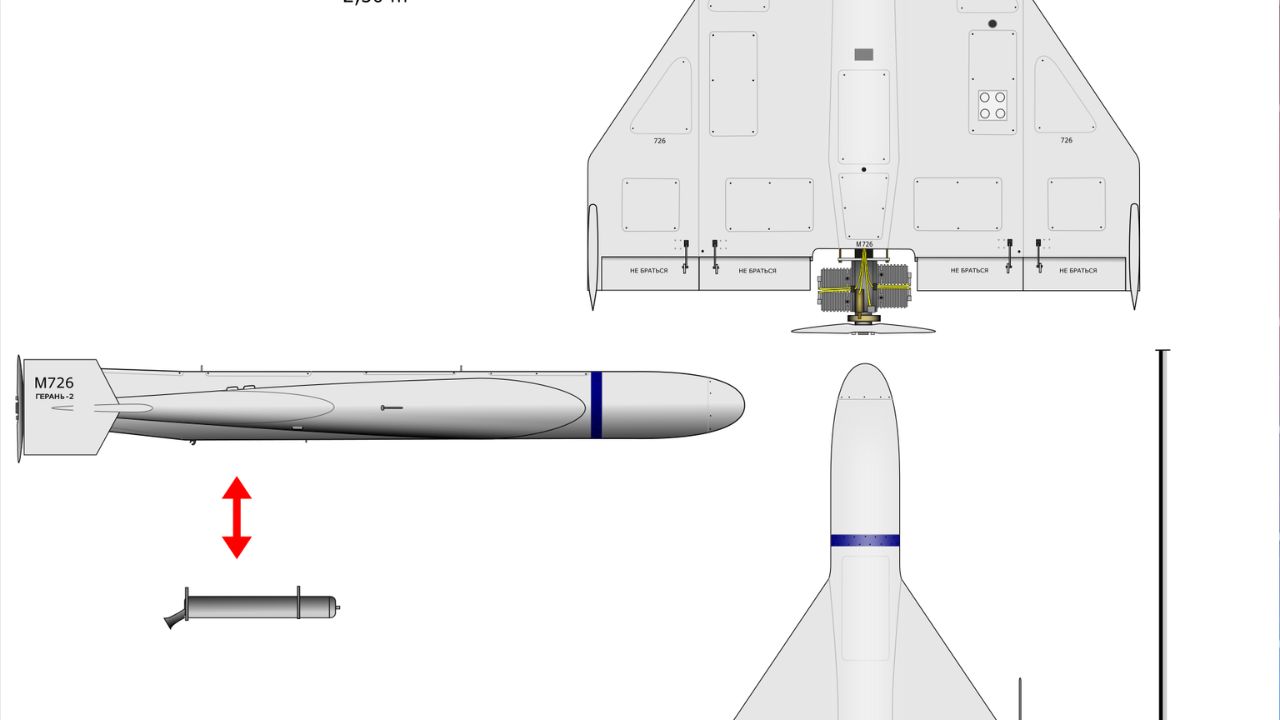
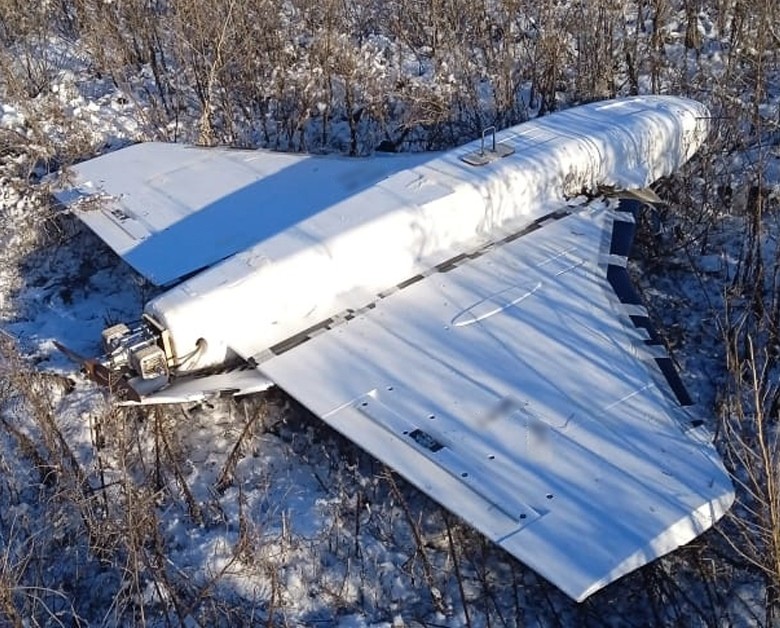
For over three years, Ukrainian forces have faced relentless attacks from Iranian-made drones, particularly the Shahed series, deployed by Russia in unprecedented numbers.
These small, relatively inexpensive drones have become a strategic headache for any military, as they combine low cost with precise strikes.
We recently reported that, in the ongoing Operation Epic Fury, the US finds itself countering swarms of Iran’s cheap Shahed drones with million-dollar interceptors.
Ukraine’s response to these challenges has honed a set of capabilities that are now drawing international attention, and they may soon find themselves assisting countries far from the Eastern European battlefield.
The Ukrainian Playbook for Stopping Drone Swarms
Since the first waves of drone attacks in 2022, Ukrainian defense experts developed a layered approach to intercepting Shahed drones. Traditional air defenses, such as missile systems designed for aircraft, proved too slow and expensive for the sheer number of incoming drones.
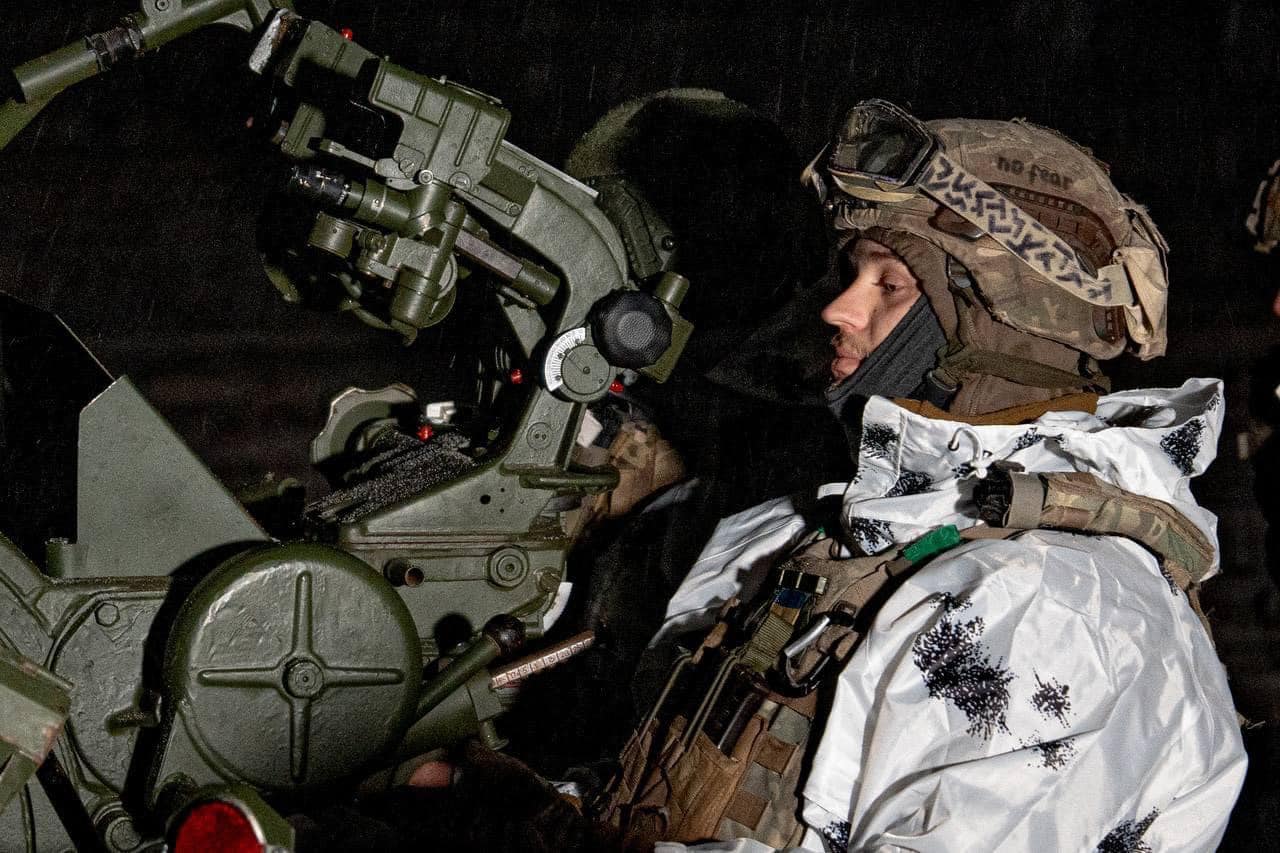
Instead, Ukraine combined radar detection with electronic warfare, jamming signals to confuse drone guidance systems, and employed interceptor drones capable of physically colliding with incoming threats.
Local innovations also emerged, including modified anti-aircraft systems optimized for high-volume drone engagement. The results have been dramatic. Ukrainian forces report they successfully neutralize a large proportion of Russian drones, often before they reach their intended targets.
The real-world lessons learned by Ukraine are now proving relevant beyond European security. Recent conflicts in the Middle East have revealed the same Iranian drone models being deployed in attacks across the Gulf region. This overlap has created a unique opportunity.
Ukrainian authorities are now offering their expertise to Gulf states facing similar threats. Officials have indicated that Ukrainian drone specialists could be sent to assist in training, planning, and operational coordination to stop Iranian drone attacks before they cause damage.
The approach combines both technology and tactical insight, reflecting years of continuous adaptation under live combat conditions.
Ukraine’s New Role
Political implications accompany this military cooperation. Ukrainian President Volodymyr Zelenskyy has suggested that helping Middle Eastern partners could support broader diplomatic objectives, including putting pressure on Russia toward temporary ceasefires.
The proposal underscores a new dimension of warfare in which knowledge gained in one conflict becomes a tool in global negotiations. In other words, Ukrainian specialists would not only be sharing techniques but also demonstrate the strategic value of experience accumulated under fire.
The United Kingdom has already expressed interest in facilitating these efforts. British officials have proposed working alongside Ukrainian experts to strengthen drone defense capabilities in allied countries.
The UK’s role emphasizes a defensive posture which’s goal is restricted to protecting infrastructure and civilian areas from drone threats, while leveraging Ukraine’s practical knowledge. This collaboration could set a precedent for how nations combine expertise from active warzones with conventional military alliances.
What Makes Shahed Drones So Hard to Stop
Technically, the Iranian drones deployed against Ukraine feature a relatively simple design.

The catch is that Russia deploys them in overwhelming numbers that create a logistical and tactical challenge.
Ukrainian engineers have documented how speed, altitude, and flight patterns influence interception success. They have also shown that coordinated networks of detection systems, when paired with real-time intelligence and electronic countermeasures, dramatically increase the odds of neutralizing incoming threats.
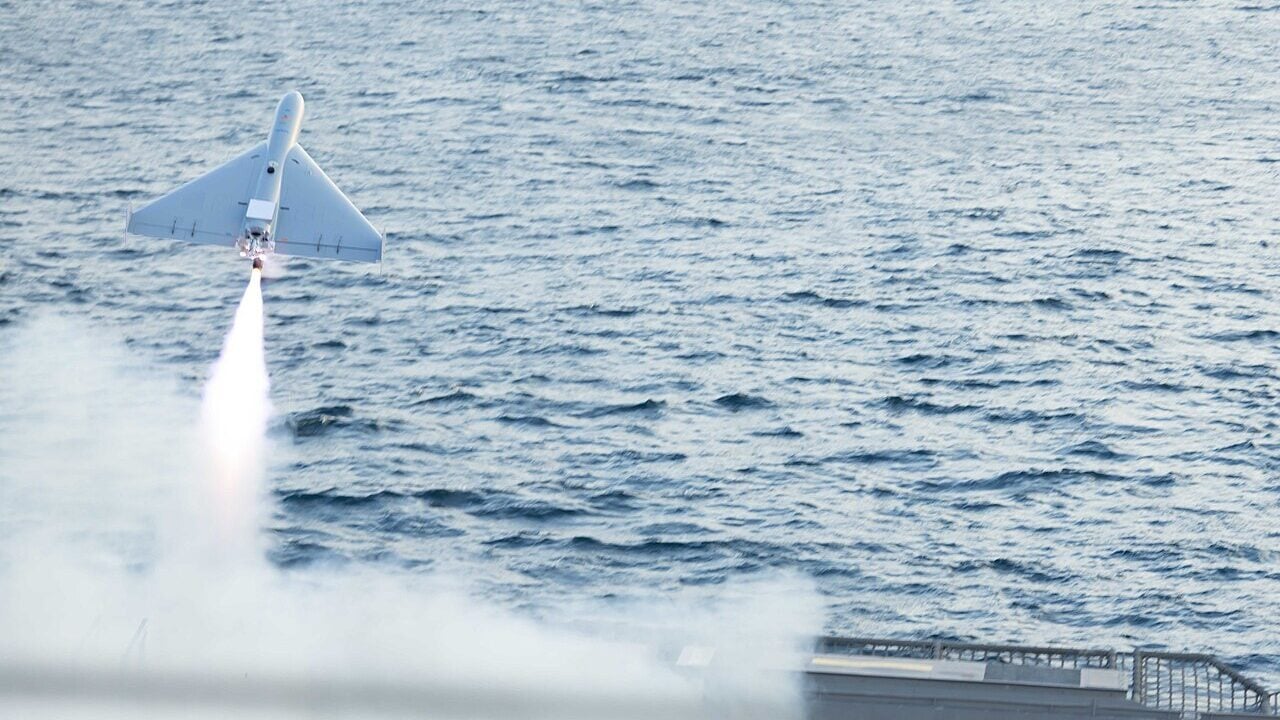
These insights are now packaged as actionable strategies that other nations can adopt, effectively exporting Ukraine’s battlefield experience.
Ultimately, modern conflicts are no longer defined solely by tanks and fighter jets. Small drones, electronic warfare, and rapid adaptation have become decisive factors.
By offering their expertise abroad, Ukraine transforms a defensive necessity into a strategic asset, demonstrating that knowledge gained in war can be converted into influence and opportunity on a global scale.
Countries facing the Iranian drone threat may find that Ukraine’s years of trial and error are worth more than any single technology purchase.
Sources: Aljazeera