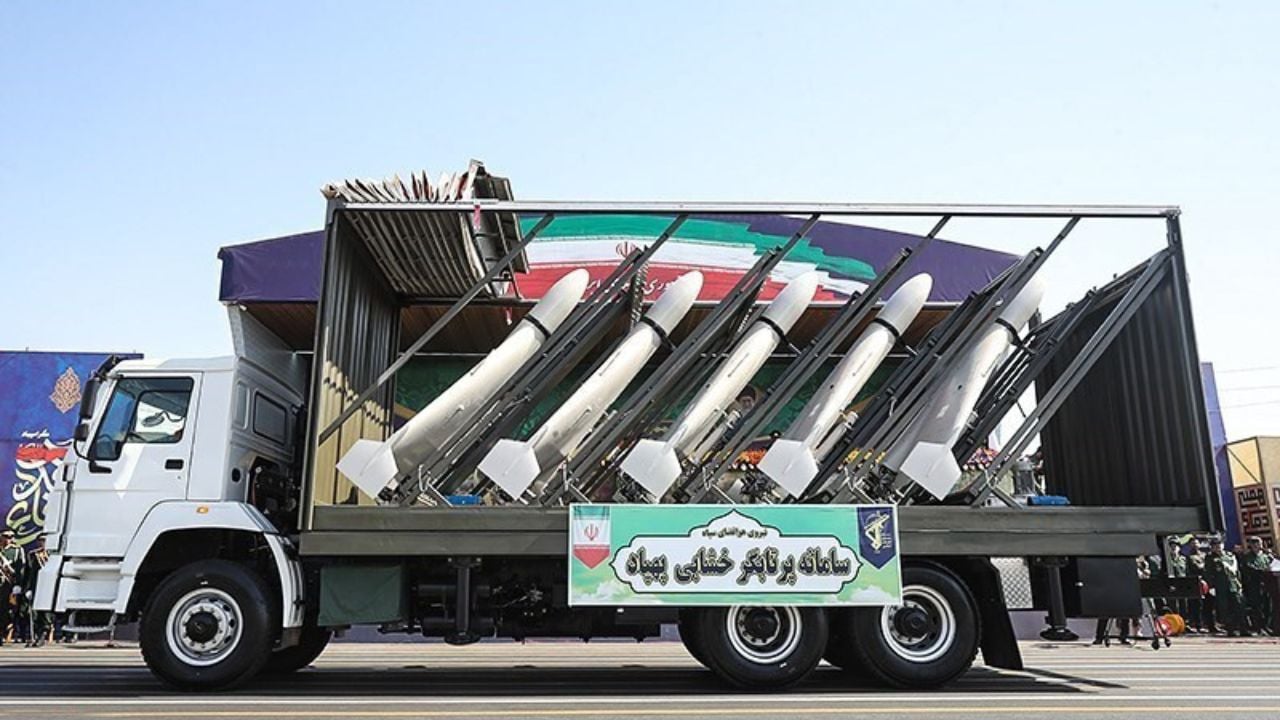

As U.S. and Israeli airstrikes pound targets inside Iran for a fourth consecutive day, a different kind of battle is unfolding in the skies over the Middle East.
According to reporting by Bloomberg News, Tehran is leaning heavily on cheap, expendable drones to drain America’s far more expensive air defense missiles.
The fight is quickly becoming a high stakes contest of stockpiles rather than pure firepower.
Iran’s Weapon of Choice: The Shahed-136
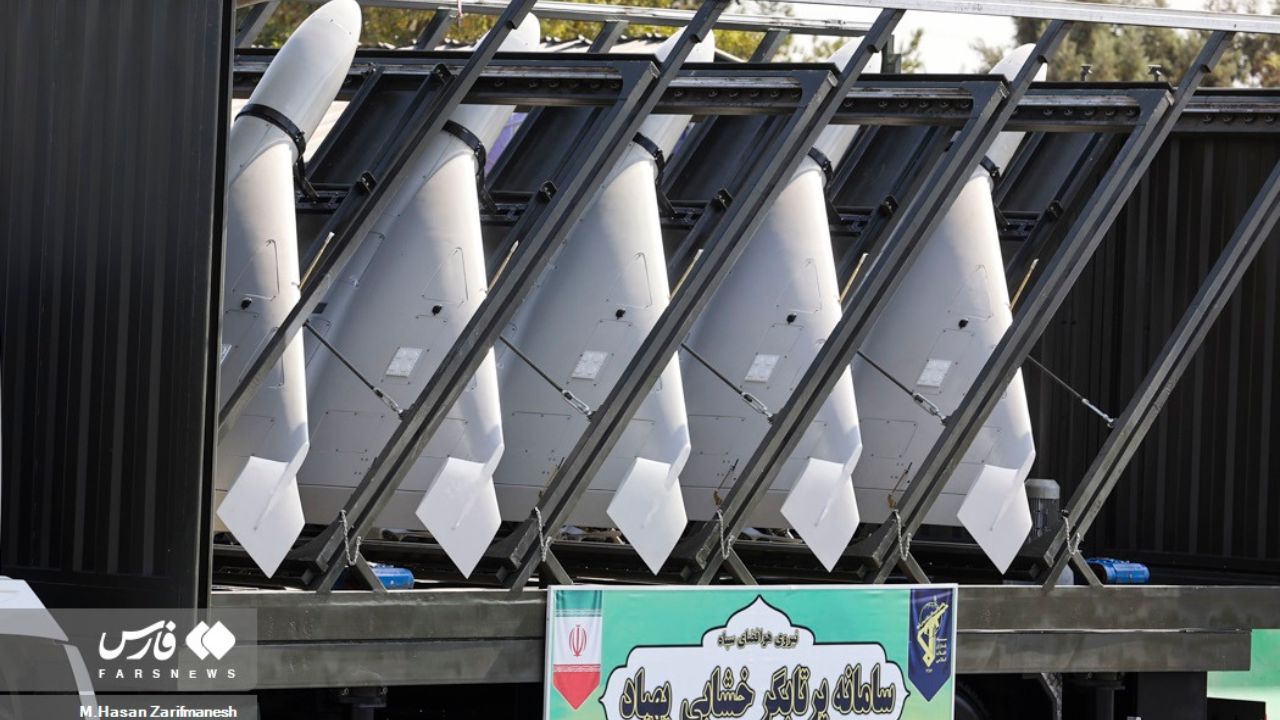
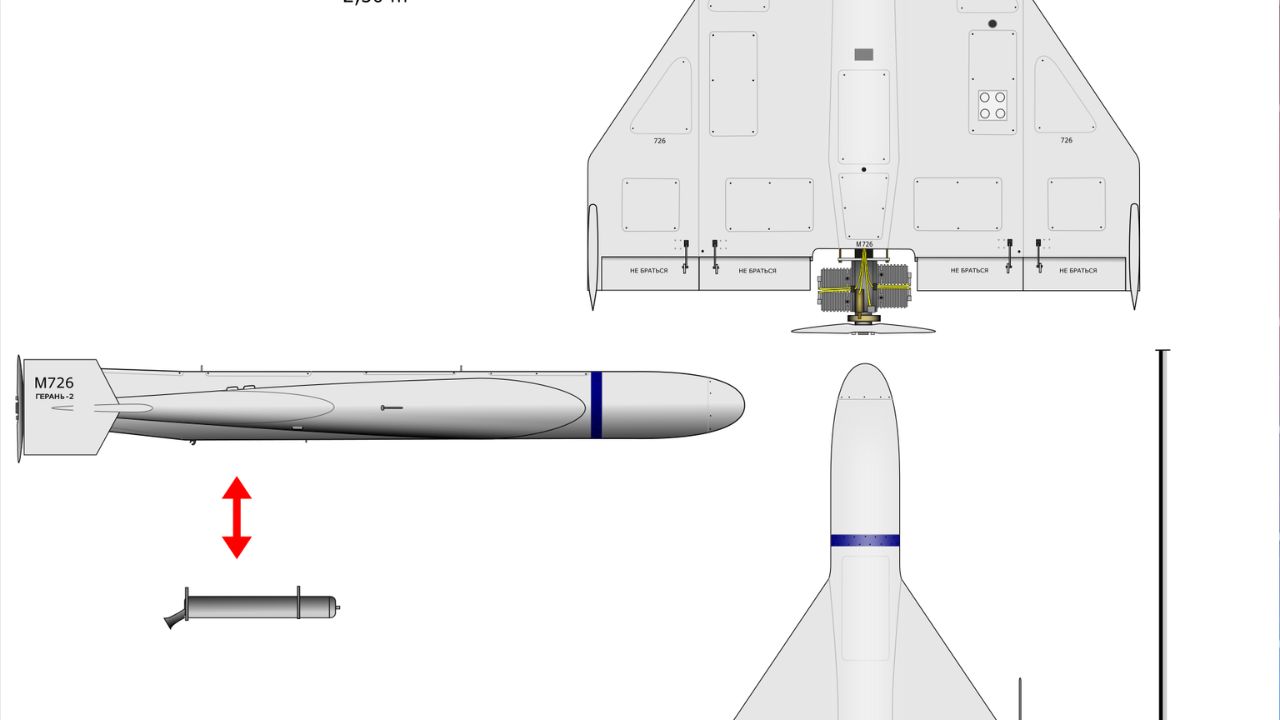
At the center of Iran’s strategy is the Shahed-136. Often described as a disposable suicide drone, the Shahed-136 is designed less like a traditional aircraft and more like a flying explosive.
It uses a simple delta wing layout, a rear mounted pusher propeller, and commercial grade navigation components. It is launched from racks in groups, creating swarms that can overwhelm radar screens and force defenders to choose which targets to intercept.
The drone’s range is estimated to exceed 1,000 miles depending on payload and flight profile. It cruises at relatively low speeds and altitudes, which makes it noisy and visible, but also difficult to track consistently against ground clutter.
Most importantly, it is cheap.
Estimates cited by Bloomberg put the cost at roughly $20,000 per unit. That affordability allows Iran to fire them in large numbers at U.S. military bases, oil infrastructure, and even civilian areas across the region.
In retaliation for joint U.S. and Israeli strikes launched on February 28, Iran has reportedly fired more than 1,200 projectiles since the conflict began. Beca Basher of Bloomberg Economics noted that most of those are believed to be Shahed drones, suggesting that Iran may be conserving its more advanced ballistic missiles for later stages of the conflict.
America’s Shield: The Patriot PAC-3
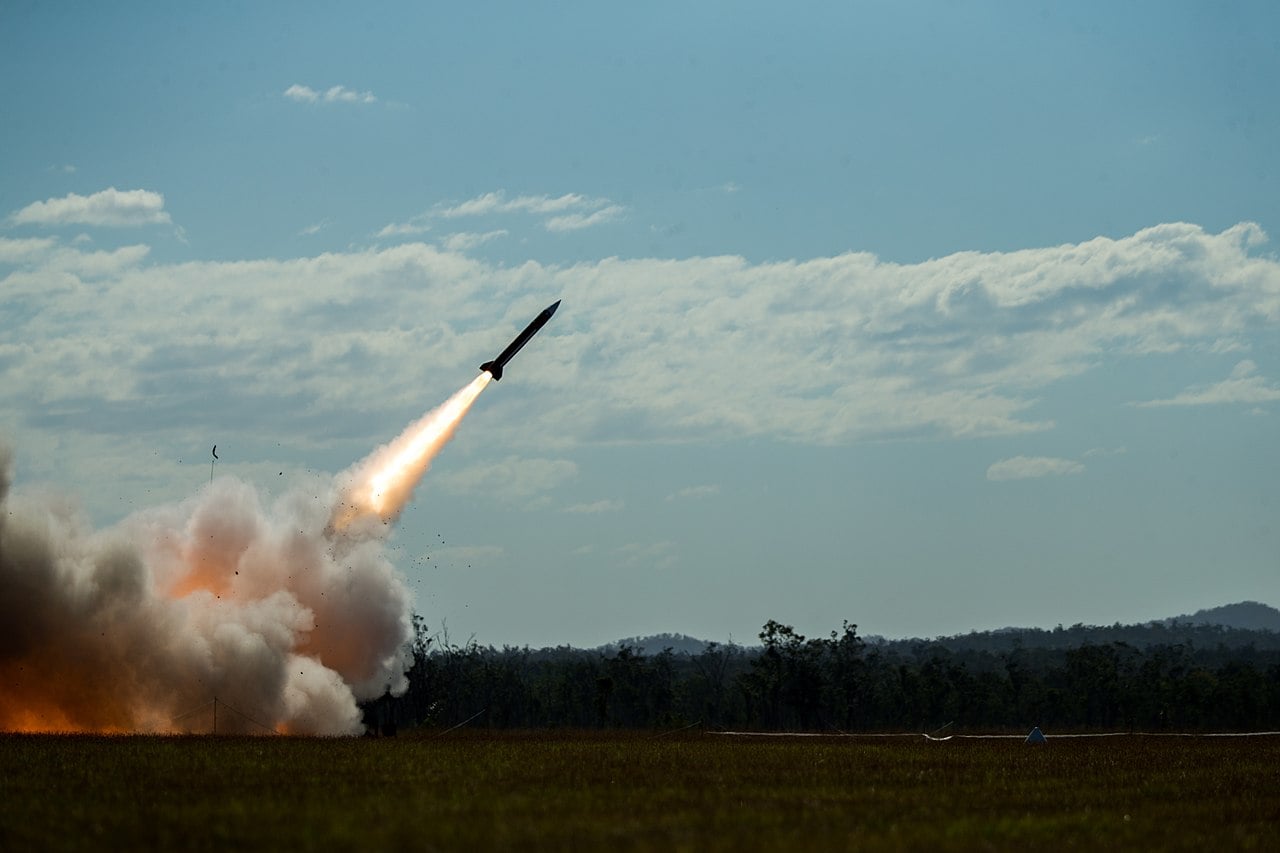
On the defending side stands the MIM-104 Patriot, specifically the PAC-3 interceptor produced by Lockheed Martin.
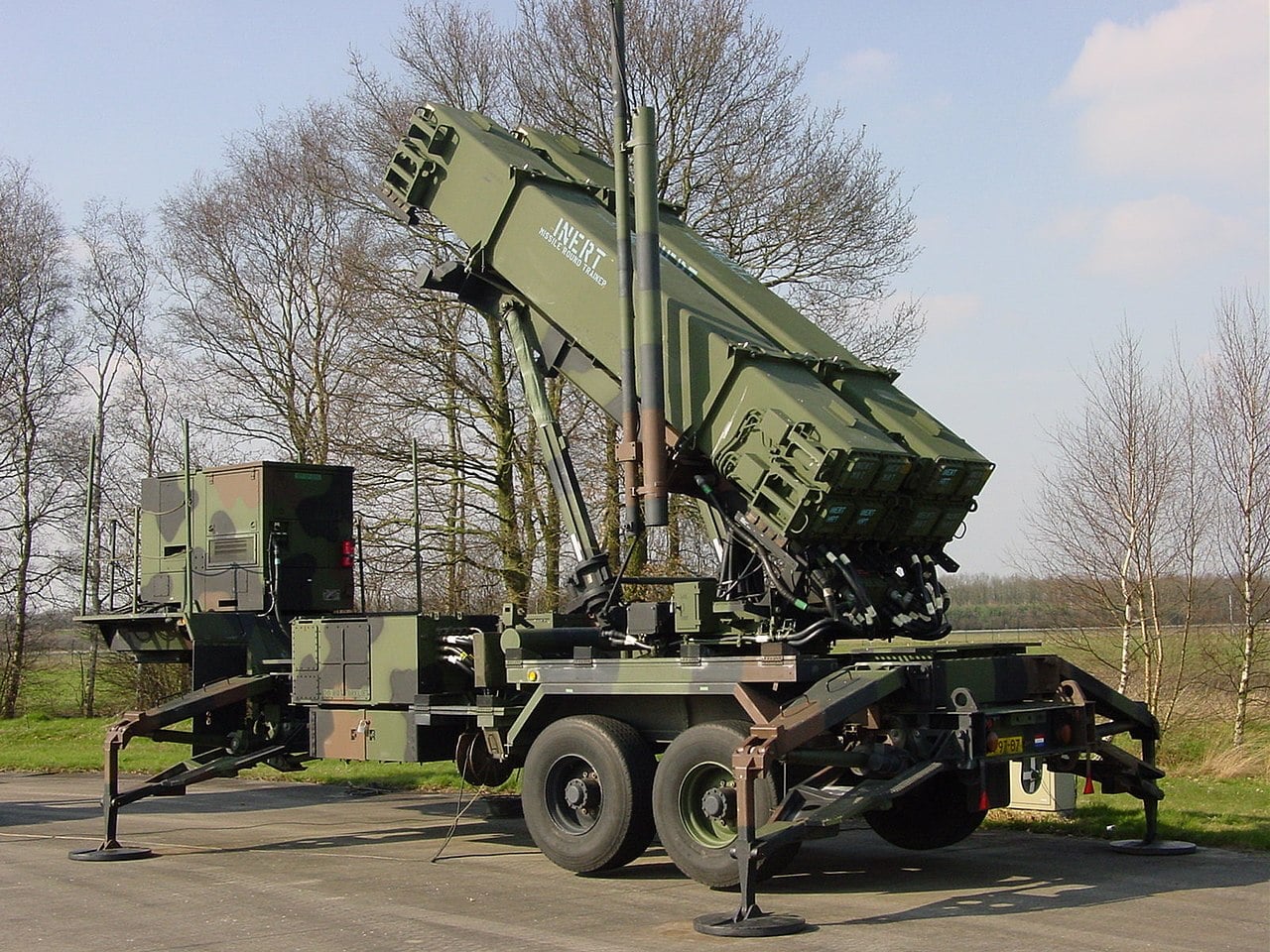
The Patriot system is a combat proven air defense platform capable of engaging aircraft, cruise missiles, and ballistic missiles. Its radar can track multiple targets simultaneously, while the PAC-3 interceptor uses hit to kill technology rather than a traditional explosive warhead.
Instead of detonating nearby, it slams directly into incoming threats at high velocity, destroying them through kinetic energy.
Performance has not been the issue. U.S. made Patriots have reportedly intercepted more than 90 percent of incoming Iranian drones and ballistic missiles.
The challenge is economic and logistical.
Each PAC-3 interceptor is estimated to cost around 4 million dollars. Using such a missile to destroy a $20,000 drone creates an unsustainable exchange ratio over time.
Bloomberg reported that Lockheed Martin produced roughly 600 PAC-3 missiles last year, while thousands are believed to have already been fired since this war began.
The Cost Calculus
Kelly Grieco of the Stimson Center told Bloomberg that Iran’s calculation is clear. By saturating defenses with inexpensive drones, Tehran hopes to pressure Washington and its Gulf allies to reconsider prolonged operations due to fears of depleted interceptor stockpiles.
Internal analysis obtained by Bloomberg suggests that, at the current rate of use, Qatar’s Patriot reserves could last only about four days. Doha has reportedly urged a swift end to hostilities.
Meanwhile, Israel continues to rely on layered defenses including the Iron Dome. Designed primarily to counter short range rockets, Iron Dome uses radar guided interceptors to destroy incoming projectiles mid-air. Images from Tel Aviv showed explosions in the sky as interceptors engaged Iranian fire.
How Long Can Defenses Hold?
Concerns about endurance is broad and applicable to both sides. During last year’s brief 12-day war between Israel and Iran, Tehran was believed to possess roughly 2,000 ballistic missiles.
It likely holds even more Shahed series drones today. U.S. President Donald Trump has said operations could continue for four weeks, yet analysts question whether sufficient ammunition has been pre-positioned in the region to sustain that tempo.
Defense Secretary Pete Hegseth has insisted this will not become another open-ended war. Still, as Ankit Panda of the Carnegie Endowment for International Peace warned, stockpiles will eventually run dry. Whether that leads to escalation or stalemate may depend less on technology and more on who can afford to keep firing.
Sources: The CHOSUNILBO