You probably think of your sun visor as one of the least dangerous parts of your vehicle. It blocks glare, maybe hides a garage door opener, and occasionally reminds you that you left a parking ticket up there three months ago. It is not supposed to be a fire hazard. And yet, here we are.
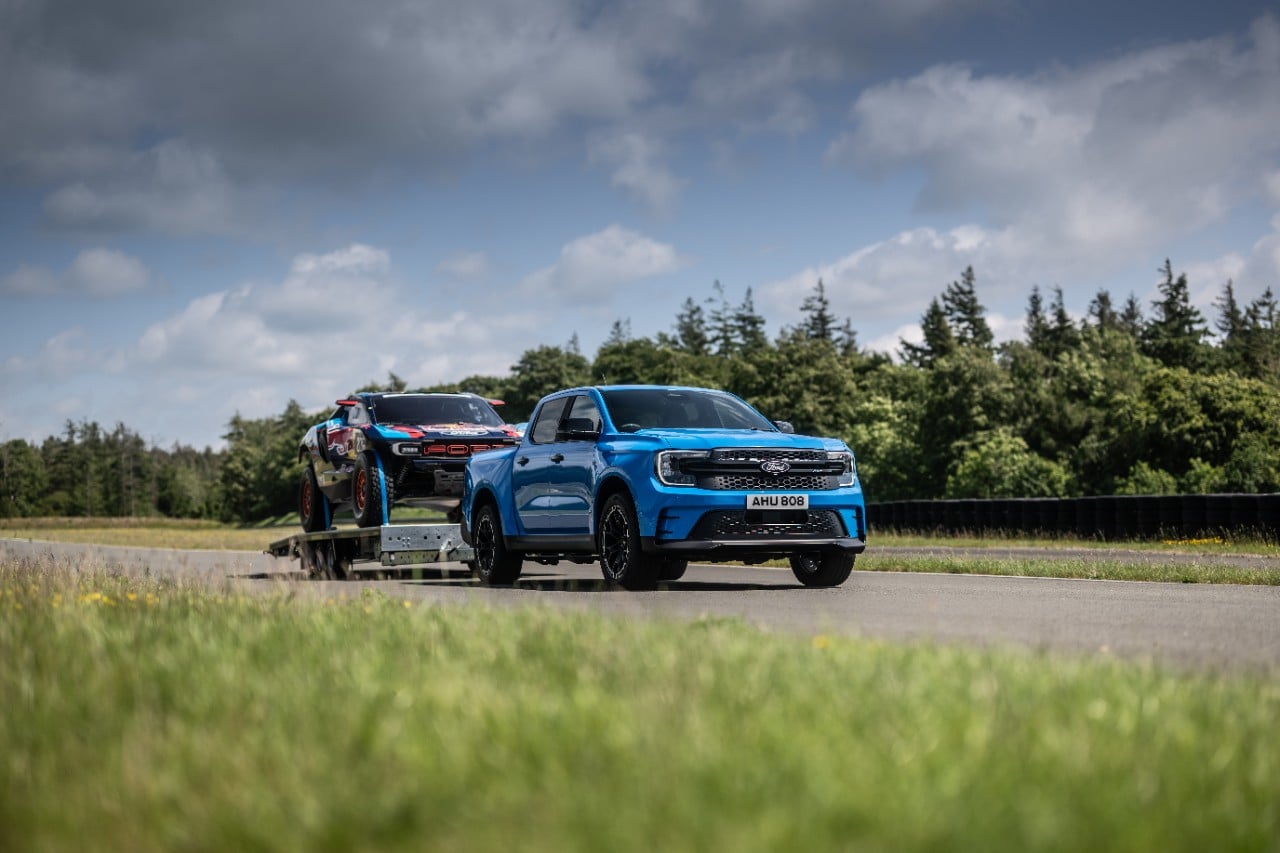
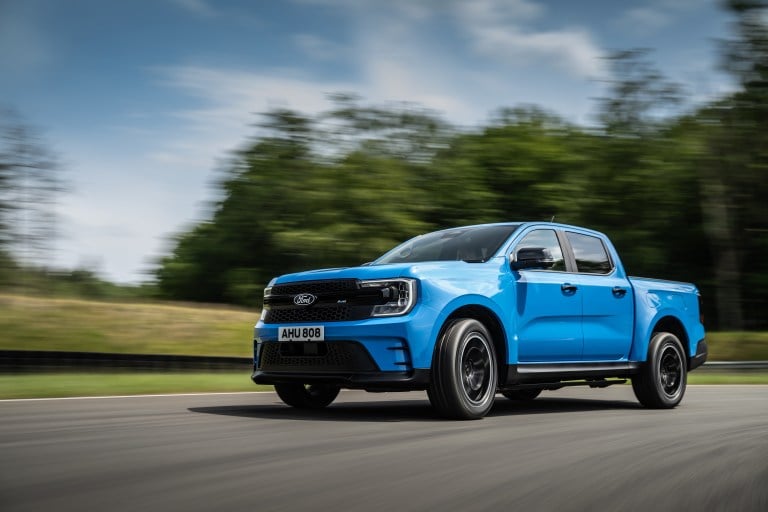
Ford has announced a recall covering more than 140,000 Ranger pickup trucks due to a wiring issue that could, in a worst-case scenario, cause the sun visor area to smoke, melt, or ignite. The affected vehicles span model years 2024 through 2026, meaning this is a relatively recent production problem rather than something that slipped through years ago and finally caught up with the automaker.
The issue traces back to the wiring harness connected to the sun visor system in the headliner. According to Ford’s recall report, some vehicles came off the line with harnesses that were either wrapped in too much tape or installed improperly. Either way, the result is the same: the harness can sustain damage that leaves bare wire exposed against sheet metal, and exposed wires against metal are never a welcome combination.
What makes this recall particularly notable is that it did not happen overnight. Ford first caught wind of a potential problem back in October 2025 and spent months investigating and running flammability tests before pulling the trigger on a formal recall. That timeline matters because it shows just how methodical these investigations have to be before automakers can act, and how long a potential fire risk can quietly exist before owners even know about it.
How a Sun Visor Becomes a Fire Risk
The path from “improperly installed wiring harness” to “fire” involves a few steps, and understanding them helps explain why Ford took the situation seriously enough to recall over 140,000 trucks.
When the damaged harness allows bare wire to contact sheet metal, it can cause a short circuit. That short triggers a specific diagnostic trouble code, B14AA-11, which the vehicle’s body control module picks up on. If the short happens repeatedly, the module restarts over and over, and all that arcing activity generates soot. Once enough soot accumulates, you have a combustible material sitting right there in your headliner, and that is when things can get genuinely dangerous.
Drivers may notice warning signs before anything ignites. Flickering lights near the sun visor mirror, overhead console lights that stop working, or a faint burning smell could all indicate the harness is already struggling. Those symptoms are worth taking seriously and not chalking up to a quirky electrical glitch.
What Ford Is Doing About It
Ford’s fix comes in two parts. First, technicians will check vehicles for the B14AA-11 trouble code. Any truck with that code in its history will get the wiring harness inspected, and if it shows damage, Ford will replace it at no cost to the owner.
Second, and perhaps more importantly for the long term, every affected vehicle will receive a software update to the body control module. The new software essentially creates a built-in circuit breaker: once the system detects a certain number of B14AA-11 codes, it will automatically shut off the sun visor light to prevent further arcing. It is a sensible software solution layered on top of the physical fix.
Ford says it is not aware of any accidents or injuries tied to this issue, which is the best possible footnote to a recall like this. The recall was proactive rather than reactive, which is exactly how these situations should go.
What We Can Learn From This Recall
Recalls like this one are easy to dismiss as embarrassing corporate mishaps, but they actually reveal something worth paying attention to. The wiring harness problem in the Ranger came down to assembly inconsistencies, either too much tape or an improper installation, which are the kinds of small deviations that can be hard to catch at scale during high-volume production. Modern vehicles have thousands of individual components, and quality control, no matter how rigorous, cannot achieve a perfect record across hundreds of thousands of units.
What this recall also demonstrates is that the diagnostic systems built into modern vehicles are genuinely useful. The B14AA-11 code was the early warning sign that something was wrong, and Ford’s fix includes software that can act on that warning automatically. That kind of layered safety thinking, physical repair plus software safeguard, reflects how the industry has matured in its approach to vehicle safety.
For owners, the takeaway is straightforward: pay attention to recall notices and do not ignore odd electrical behavior. A flickering light near your sun visor is annoying. The alternative is significantly worse.
What Ranger Owners Should Do Now
If you own a 2024, 2025, or 2026 Ford Ranger, this recall applies to you as a potential candidate. Ford will notify affected owners by mail, and dealers will perform the inspection and any necessary repairs free of charge. You can also check your vehicle identification number on the National Highway Traffic Safety Administration’s website or Ford’s own recall lookup tool to confirm whether your specific truck is included.
Given that Ford has not reported any fires or injuries related to this defect, there is no immediate cause for panic. But scheduling the service sooner rather than later is the sensible move, especially since the fix also includes a software update that makes the system smarter going forward. It is a quick dealer visit that trades a small inconvenience for real peace of mind.