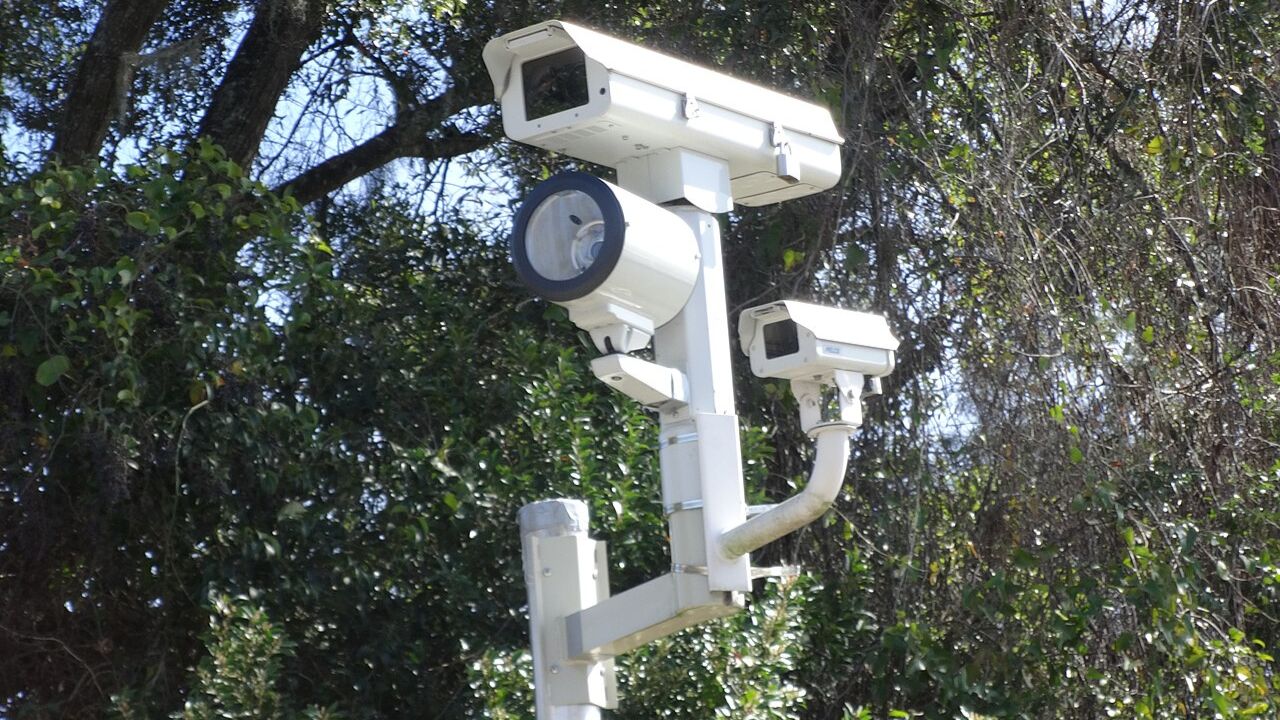

Florida’s long-running love affair with red-light cameras is suddenly looking shaky, and lawmakers are now scrambling to keep the controversial traffic enforcement tools alive.
A fresh legal shockwave has hit the state’s automated ticketing system, prompting urgent legislative action aimed at preserving a program that has generated significant revenue and equally significant public backlash.
A Legal Ruling Shakes The System
The immediate trigger for this political scramble is a recent Broward County court decision that cast serious doubt on the legality of red-light camera enforcement in Florida.
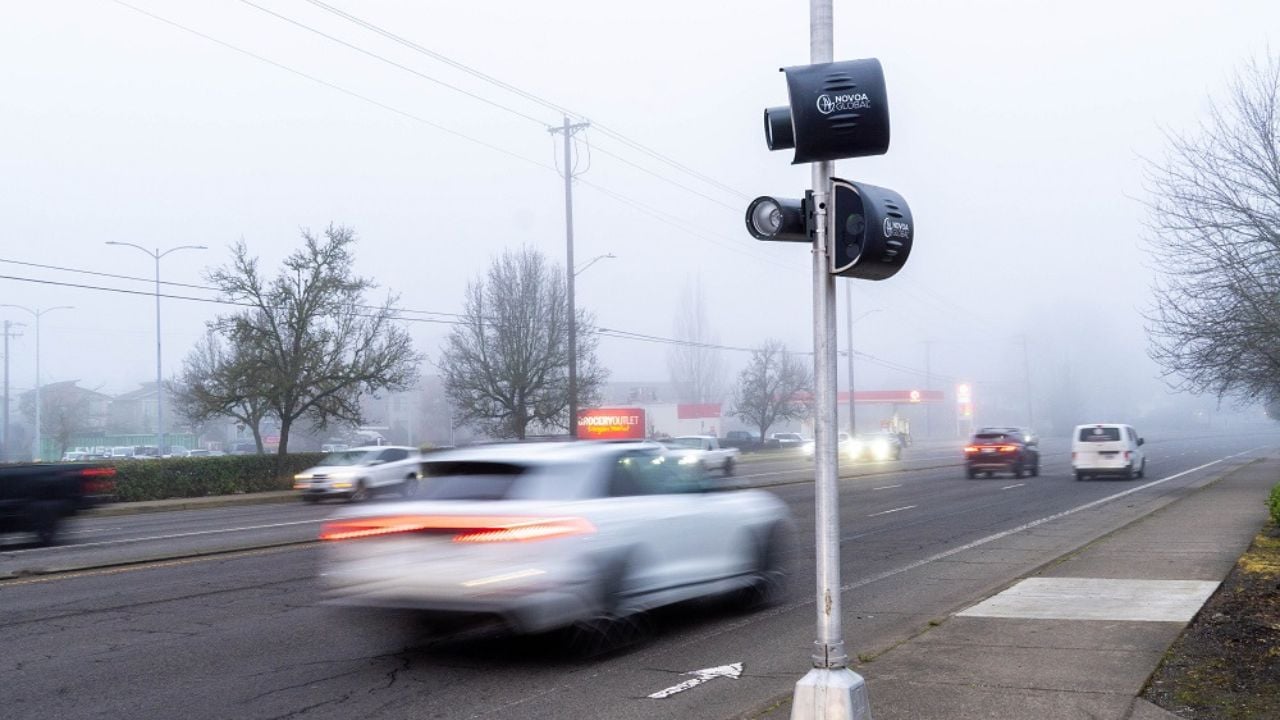
In early March 2026, Judge Steven P. DeLuca dismissed a red-light camera ticket and ruled that key parts of the state’s law may violate constitutional due process protections. We previously reported that DeLuca labeled the ticketing system as “quasi-criminal.”
At the heart of the ruling is a simple but powerful argument. Florida’s current system assumes that the registered owner of a vehicle is responsible for a violation, even if they were not the one driving. The burden then falls on that owner to prove otherwise.
The judge found that approach fundamentally flawed. He argued that these cases function as “quasi-criminal” proceedings, meaning the government should be required to prove who committed the offense, not shift that responsibility onto citizens.
That single ruling may only apply to one case for now, but its implications are far broader. Legal experts say it opens the door to challenges across the state, potentially threatening the entire framework that allows red-light cameras to operate.
Lawmakers Move to Intervene
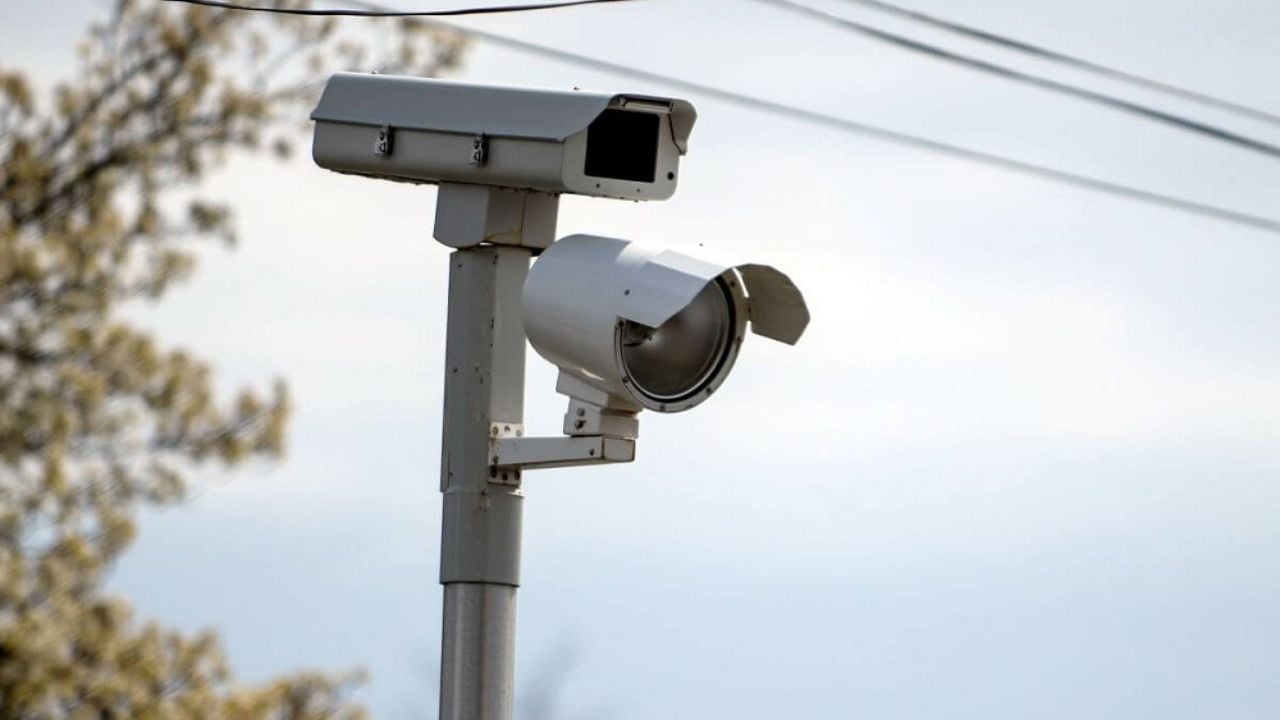
Faced with the possibility that courts could dismantle the system, Florida lawmakers are now working on new legislation designed to shore up the legal foundation of red-light camera enforcement.
According to reports, the proposed bill aims to clarify how violations are handled and ensure the system aligns more closely with constitutional standards. While details are still evolving, the goal is clear. Lawmakers want to prevent a scenario where courts effectively render the cameras unusable.
This is not the first time Florida legislators have been forced to revisit the issue. Red-light cameras have been a political flashpoint for years, with repeated attempts to ban them outright or restrict their use.
Now, instead of debating whether to eliminate the cameras, lawmakers are trying to save them before such debates gain too much traction.
A Billion-Dollar Question
The stakes are not just legal. They are financial.
Since their widespread adoption, red-light cameras have generated massive revenue for municipalities across Florida. One estimate puts total fines collected at more than $1.2 billion since 2010.
For many cities, that income helps fund local programs and infrastructure. Losing it would create a noticeable gap in municipal budgets.
At the same time, critics argue that the financial incentive is part of the problem. They claim the cameras are less about safety and more about profit. That perception has fueled public resistance for years.
How The System Currently Works
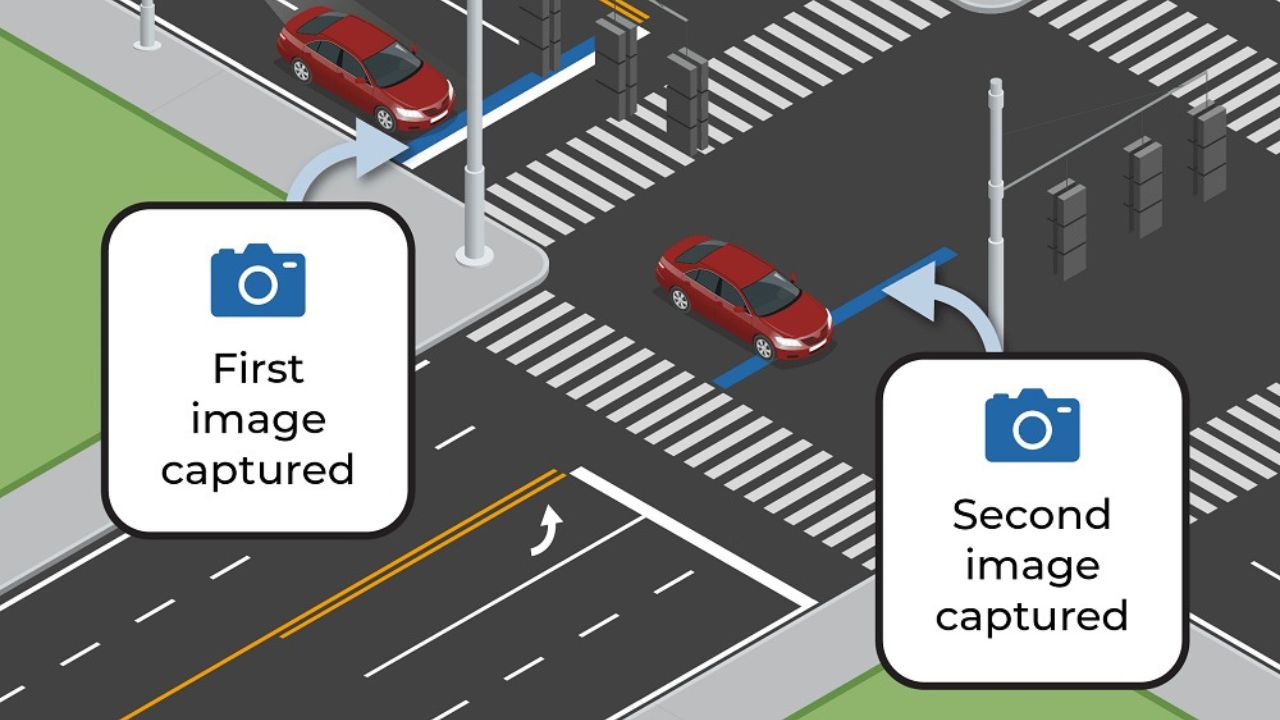
Under Florida law, red-light cameras automatically capture images of vehicles that enter intersections after the signal turns red. Citations are then mailed to the registered owner of the vehicle, typically with a fine of about $158.
At this stage, the violation is treated as a civil penalty with no points added to the driver’s license. However, if the fine is ignored, it can escalate into a more serious citation with additional penalties.
The controversial part is that the system does not initially require authorities to identify the driver. That gap is exactly what the recent court ruling has challenged.
Now What?
The future of red-light cameras in Florida now hinges on two parallel tracks.
First, the legal battle is likely to continue. If the Broward County ruling is appealed and upheld by higher courts, it could force sweeping changes or even bring the system to a halt statewide.
Second, lawmakers are racing against time to pass legislation that addresses the constitutional concerns raised by the court. Their success or failure could determine whether red-light cameras remain a fixture on Florida roads or become a relic of the past.
For now, drivers, cities, and policymakers are all watching closely. What was once a routine traffic enforcement tool has turned into a high-stakes legal and political showdown. And in Florida, the red light may soon turn yellow for an entire system trying to avoid coming to a full stop.
There is no way to circumvent the us constitution .the government has to abide by that pesky constitution but where money is involved they will try and find a work around because of the lost revenue and yet they can’t do things that help the people who put them in office