

A routine traffic citation in South Florida has exploded into a legal flashpoint with the potential to shake the foundations of automated traffic enforcement across the state.
A judge in Broward County has dismissed a red-light camera ticket and ruled that the law used to issue it is unconstitutional. The decision centers on the way Florida assigns responsibility for violations captured by automated cameras at intersections.
The Case: A Ticket Mailed to the Owner, Not the Driver
The case began with a citation issued in the city of Sunrise after a traffic camera recorded a vehicle entering an intersection against a red signal.
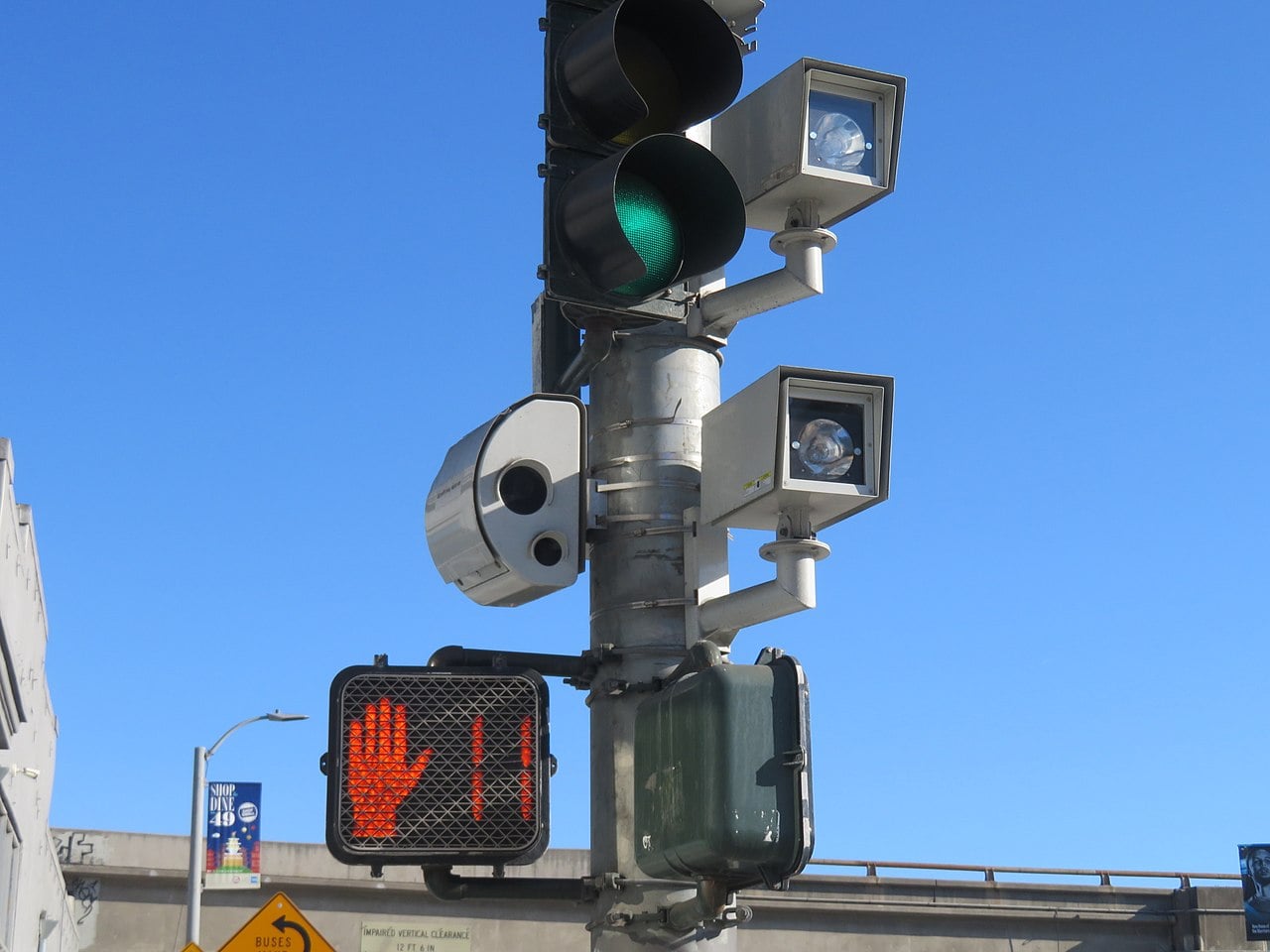
As is common under Florida’s red-light camera enforcement system, the ticket was mailed to the registered owner of the vehicle rather than to the driver who was actually behind the wheel at the time.
The vehicle owner challenged the citation in court, arguing that the statute governing red-light camera enforcement forces the owner to prove their innocence. Instead of requiring the state to identify and prove who committed the violation, the law presumes that the registered owner is responsible unless they can prove otherwise.
Broward County Judge Steven P. DeLuca agreed with that argument in a detailed ruling issued on March 3, 2026.
In his decision, DeLuca dismissed the ticket and concluded that Florida’s red-light camera statute improperly shifts the burden of proof from the government to the vehicle owner.
The judge actually went as far as describing camera-issued traffic violations as “quasi-criminal” proceedings. That’s a loaded classification because it implies the cases carry penalties similar to criminal sanctions, including fines and official findings of wrongdoing.
According to the ruling, those consequences trigger constitutional protections that require the state to prove guilt beyond a reasonable doubt.
The Devil’s Advocate

What if the car owner was actually driving? That’s a very plausible scenario. The owner may well have been the driver but chose to challenge the ticket not because he was innocent, but because he spotted a structural weakness in the statute.
This is actually how constitutional law often evolves—individuals test laws by exploiting flaws, even if they’re guilty of the underlying act. From the state’s perspective, it’s frustrating because it undermines enforcement efficiency.
But from a legal standpoint, it’s essential: laws must withstand scrutiny even when applied to people who did break the rules. If a statute can’t survive a challenge from someone who was likely guilty, it signals that the law itself is poorly constructed.
So yes, the owner may have been behind the wheel, but the bigger takeaway is that the law’s design—not the driver’s behavior—was what ultimately failed in court.
The Current System Flips the Presumption of Innocence
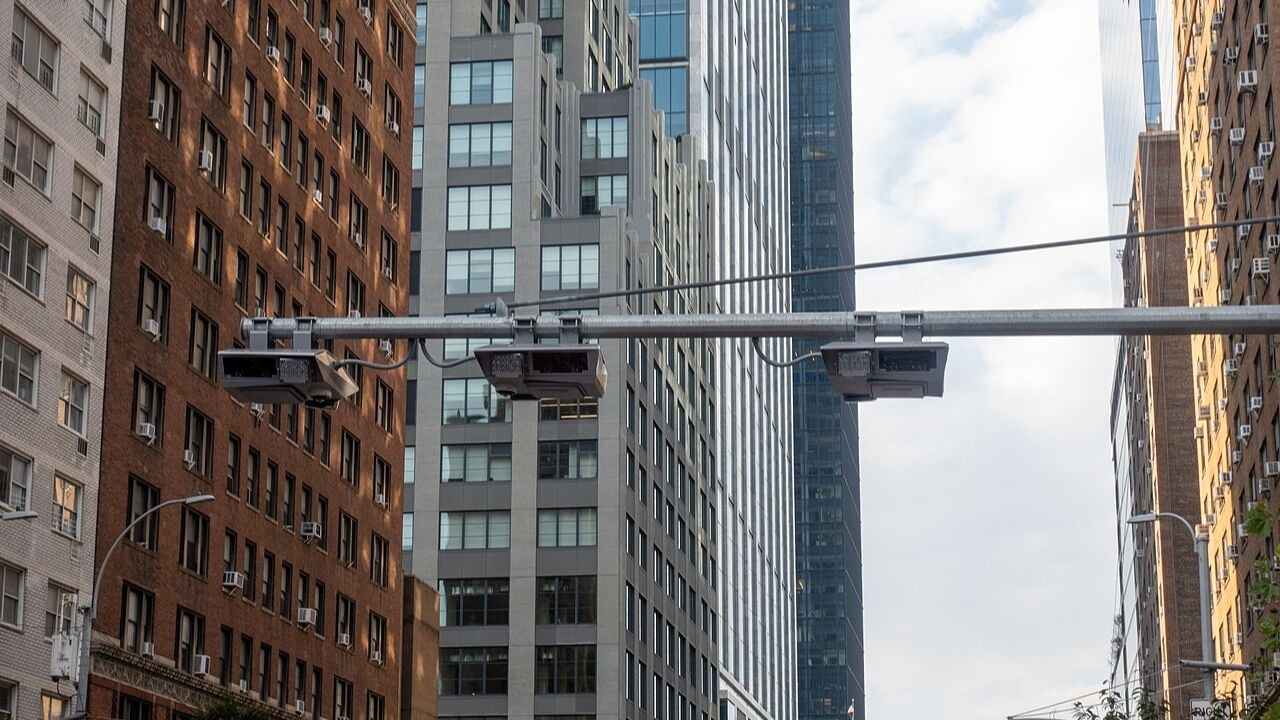
Under Florida’s existing system, however, the law allows authorities to issue a ticket based solely on a photograph of a vehicle’s license plate. The registered owner is then responsible for identifying the driver or submitting an affidavit stating someone else was behind the wheel.
DeLuca concluded that this framework conflicts with constitutional due process protections because it reverses the traditional legal principle that the government must prove a person committed a violation.
The court found that Florida Statute 316.0083 effectively creates a presumption of guilt tied to vehicle ownership. In practice, that means the owner must actively prove they were not driving in order to escape liability.
Legal advocates challenging automated traffic enforcement say the ruling strikes at the core of the red-light camera system.
The Big Picture
Since the statewide program launched in 2010, cities and counties across Florida have installed cameras at major intersections. The systems automatically photograph vehicles that cross the stop line after a traffic signal turns red, triggering fines that typically start at around $158.
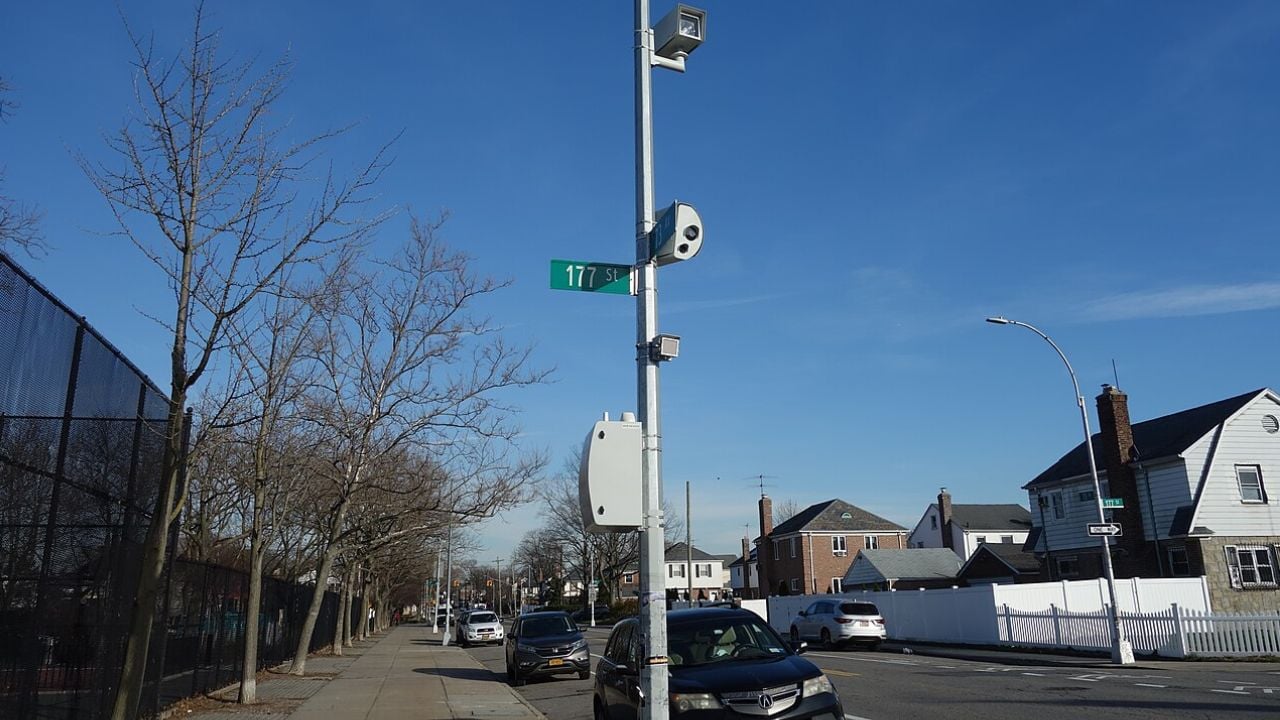
Critics have long argued that the system prioritizes revenue collection over driver accountability. Because the citation targets the registered owner instead of the driver, opponents say it punishes people who may have had no involvement in the alleged violation.
However, DeLuca may have set a dangerous precedent with this ruling, assuming the goal is simply to make enforcement easier. Shifting the burden of proof onto car owners streamlines the process for authorities.
But the deeper issue is constitutional fairness: in the U.S. system, the government must prove a violation, not presume guilt and force citizens to disprove it. By requiring owners to prove they weren’t driving, the statute flips that principle.
So, while DeLuca’s ruling may complicate enforcement, it reinforces a core safeguard against government overreach. In practice, this means authorities will need stronger evidence—like identifying the actual driver—rather than relying on ownership alone.
Whether that’s “bad” depends on perspective: efficiency in punishing violations versus fidelity to due process. The judge prioritized the latter, which arguably strengthens the rule of law.
Now What?
For now, the ruling applies only to the specific case before DeLuca’s court in Broward County. That means the broader red-light camera program across Florida remains still holds.
Still, this ruling could open the door to a wave of legal challenges from drivers seeking to overturn similar citations.
Legal experts say the issue could eventually move to a higher court if prosecutors or local governments appeal the decision. A ruling at the appellate level would determine whether the constitutional concerns raised in this case apply statewide.
If that happens, the future of automated red-light enforcement in Florida could face a defining legal test. Until then, the Broward County decision stands as one of the most direct judicial challenges yet to the legal framework behind traffic cameras.
Sources: CBS12 News, WPEC