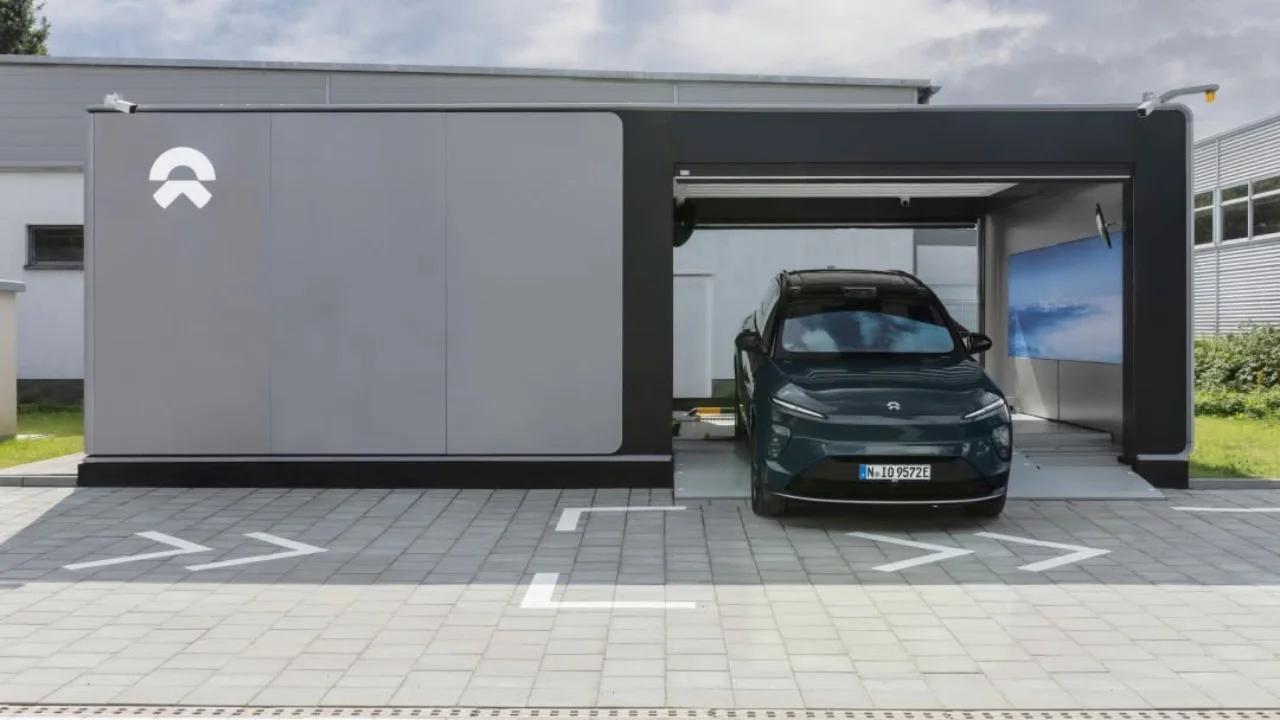
One of the biggest complaints about EVs isn’t actually range anymore. It’s waiting!
Even with fast chargers getting better, many drivers still hate the idea of sitting around for 30 minutes, or longer, just to continue a road trip.
Chinese automaker NIO thinks it has a far better solution: skip charging entirely and swap the battery instead.
And unlike many “future of mobility” concepts that never leave PowerPoint slides, this system is already operating at scale.
It Takes About Three Minutes
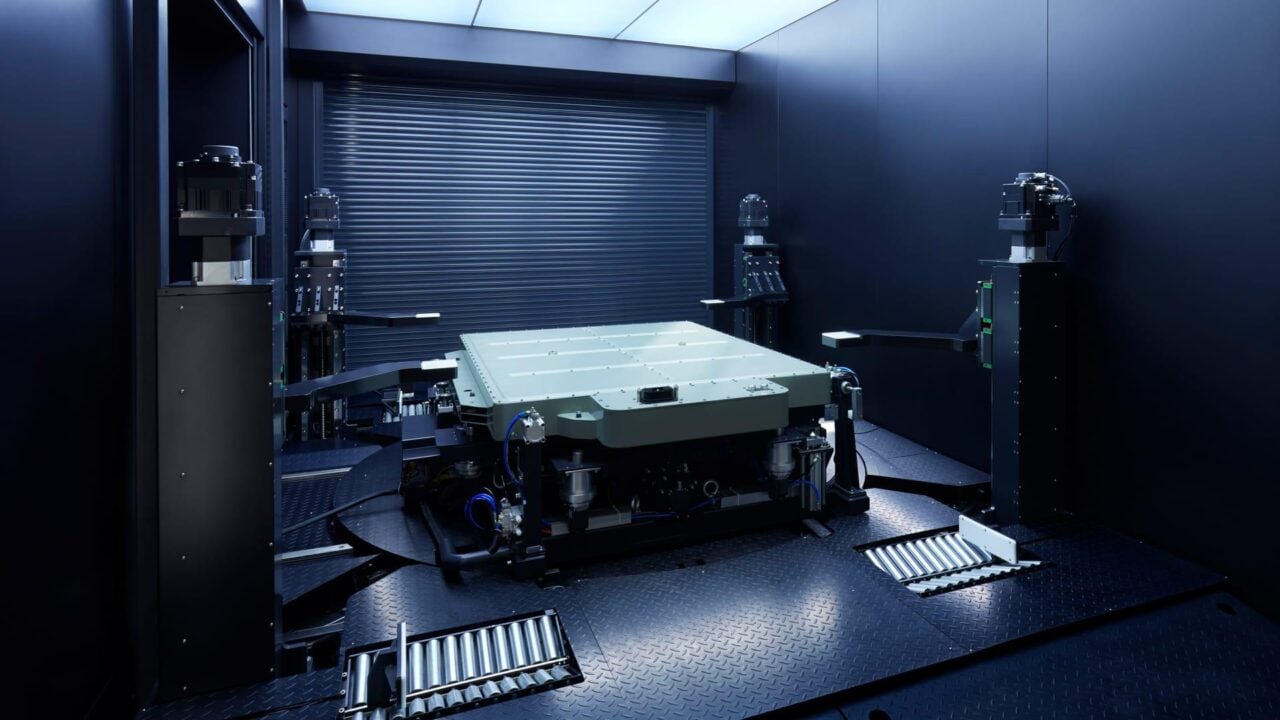
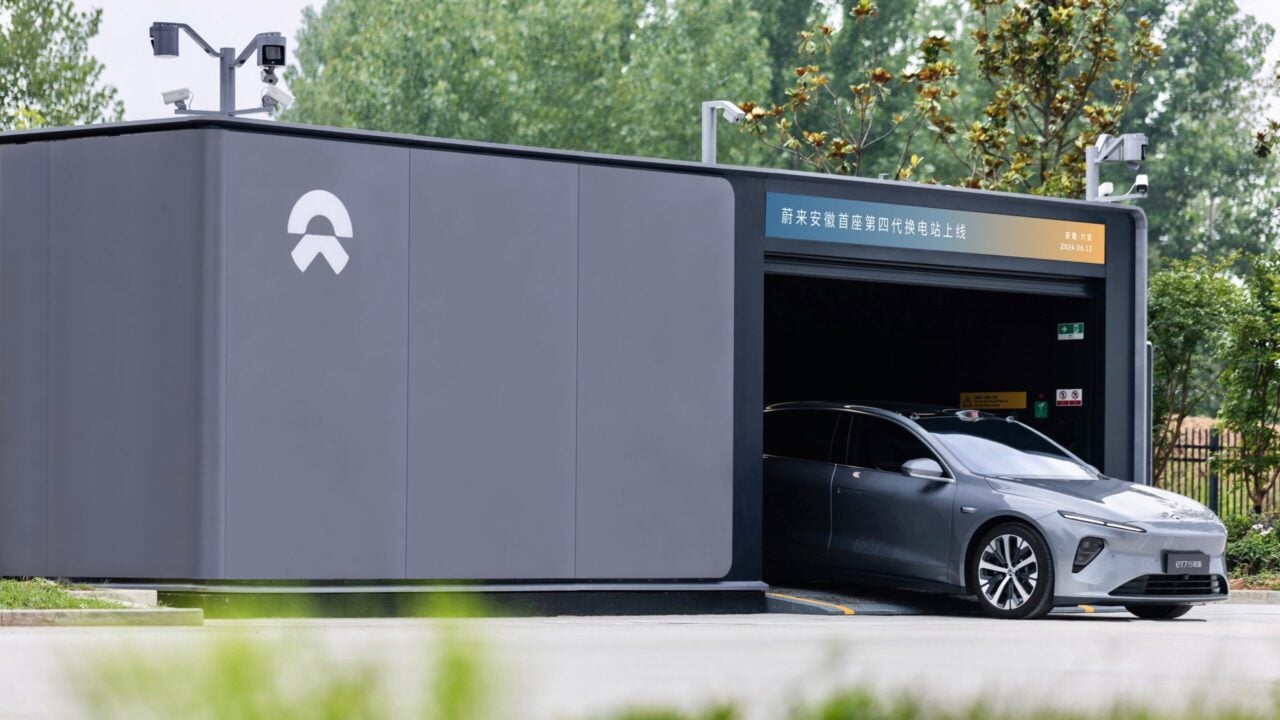
The process sounds almost too simple: A driver pulls into a battery swap station, and the car handles the rest.
The vehicle automatically positions itself inside the station, where robotic systems remove the depleted battery pack and install a fully charged replacement.
The entire process takes roughly three minutes, which is about as long as filling a gas-powered car.
That solves two major EV concerns at once:
- Range anxiety
- Long charging wait times
Because let’s be honest, many drivers aren’t just worried about running out of battery. They’re worried about finding a charger that works and then waiting forever once they get there.
This Isn’t A Prototype
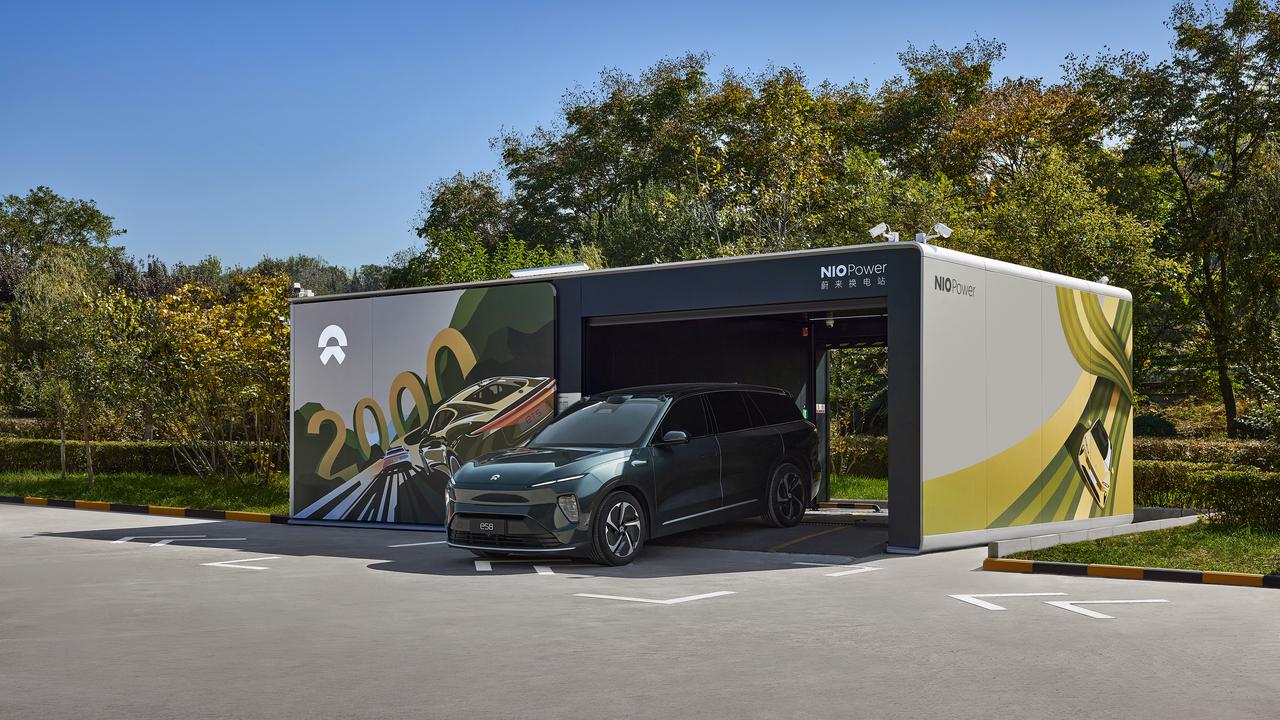
That’s what makes this story interesting. NIO says it has already completed over 100 million battery swaps through more than 4,000 swap stations globally.
That’s far beyond the experimental phase.
The company’s footprint is still relatively small compared to giants like Tesla or BYD, but its infrastructure is growing quickly.
CATL Is Working On Similar Tech, Too

NIO isn’t alone here. CATL is also investing heavily in battery-swapping technology and expanding globally.
The company is reportedly building a major facility in Spain that could help support European expansion.
That suggests battery swapping may become a much bigger part of the EV conversation outside China.
There’s Still One Huge Problem
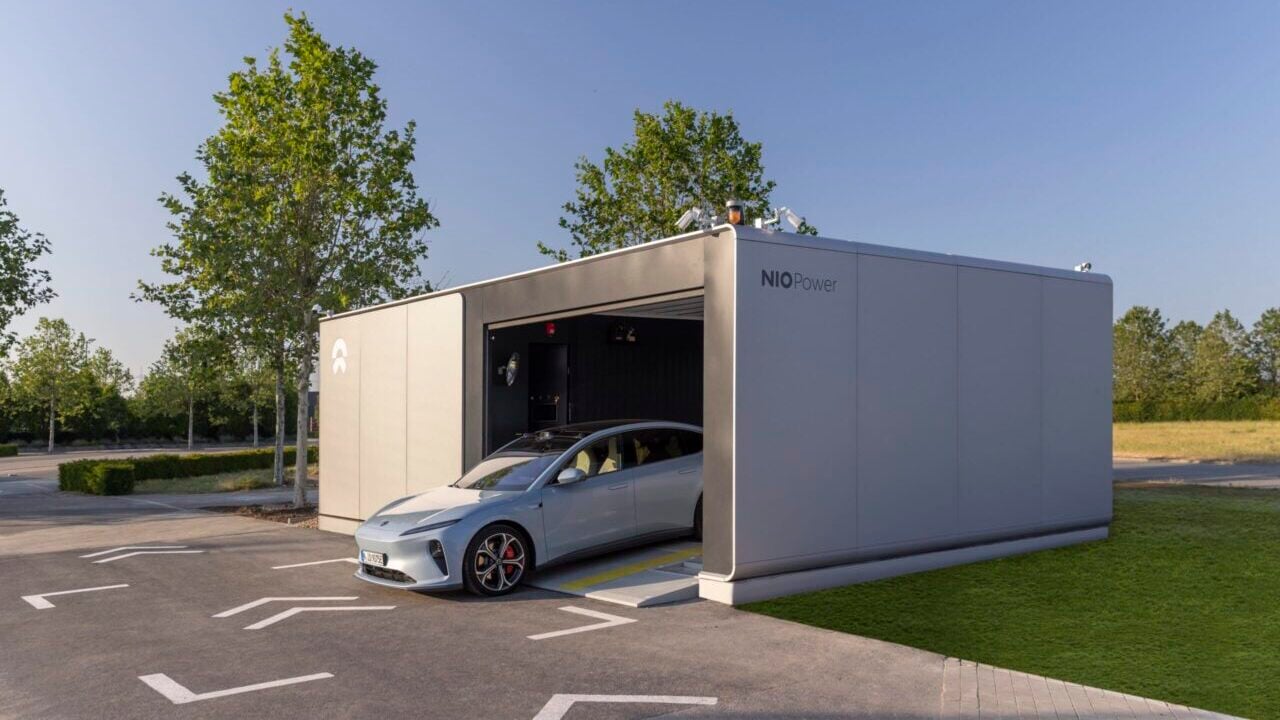
Standardization.
Right now, this only works if you own vehicles built for these systems. That’s the biggest hurdle.
Imagine trying to make every automaker agree on:
- Battery dimensions
- Mounting systems
- Cooling architecture
- Software integration
- Safety requirements
That’s incredibly difficult.
The smartphone comparison makes sense here, as NIO wants batteries to work like replaceable devices. The problem is that today’s automakers still build EV platforms very differently.
It Could Be Brilliant For Fleets
Where this makes immediate sense is commercial fleets.
Taxis, delivery vehicles, rideshare fleets, and commercial operators care deeply about uptime.
A three-minute swap is much more attractive than parking a vehicle at a charger for extended periods.
That’s likely where this technology could scale fastest outside private consumer ownership.
Western automakers have largely gone all-in on faster charging networks. China appears to be betting that some drivers would rather avoid charging stops altogether.
Honestly, if battery swapping becomes standardized, pulling into a station for a three-minute battery replacement sounds a lot more appealing than spending half your road trip staring at a charging screen.