

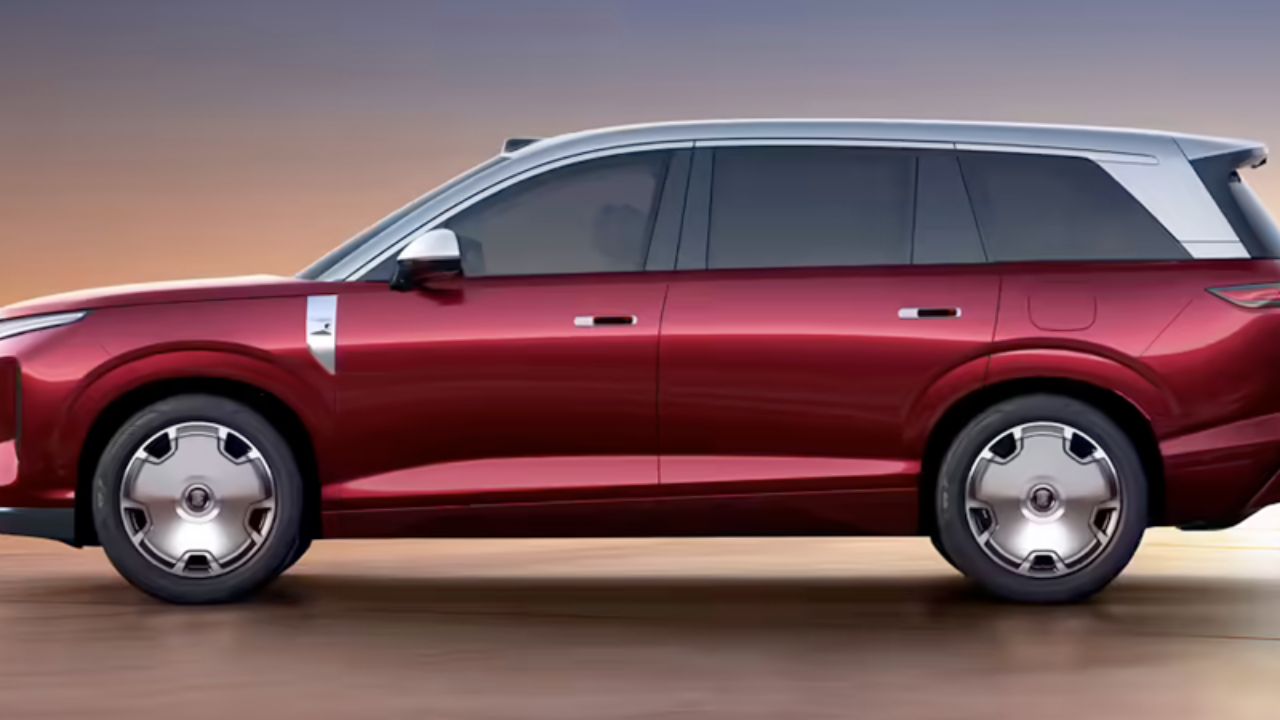
China’s electric vehicle juggernaut has fired another warning shot at the global auto industry. The new flagship SUV from BYD, often referred to as the Great Tang, claims a staggering 590-mile driving range on a single charge. That figure alone puts it in rare territory, eclipsing most offerings from Western automakers and reshaping expectations for what a full-size electric SUV can deliver.
But range is only part of the story. The Great Tang proudly rides on BYD’s second-generation Blade Battery architecture, paired with a massive 130 kWh pack and megawatt-level fast charging capability.
The rear-wheel-drive version produces around 300 kW, while the all-wheel-drive variant pushes output to roughly 585 kW and can sprint from 0 to 62 mph in under four seconds. Even then, it still manages over 500 miles of range in dual-motor form.
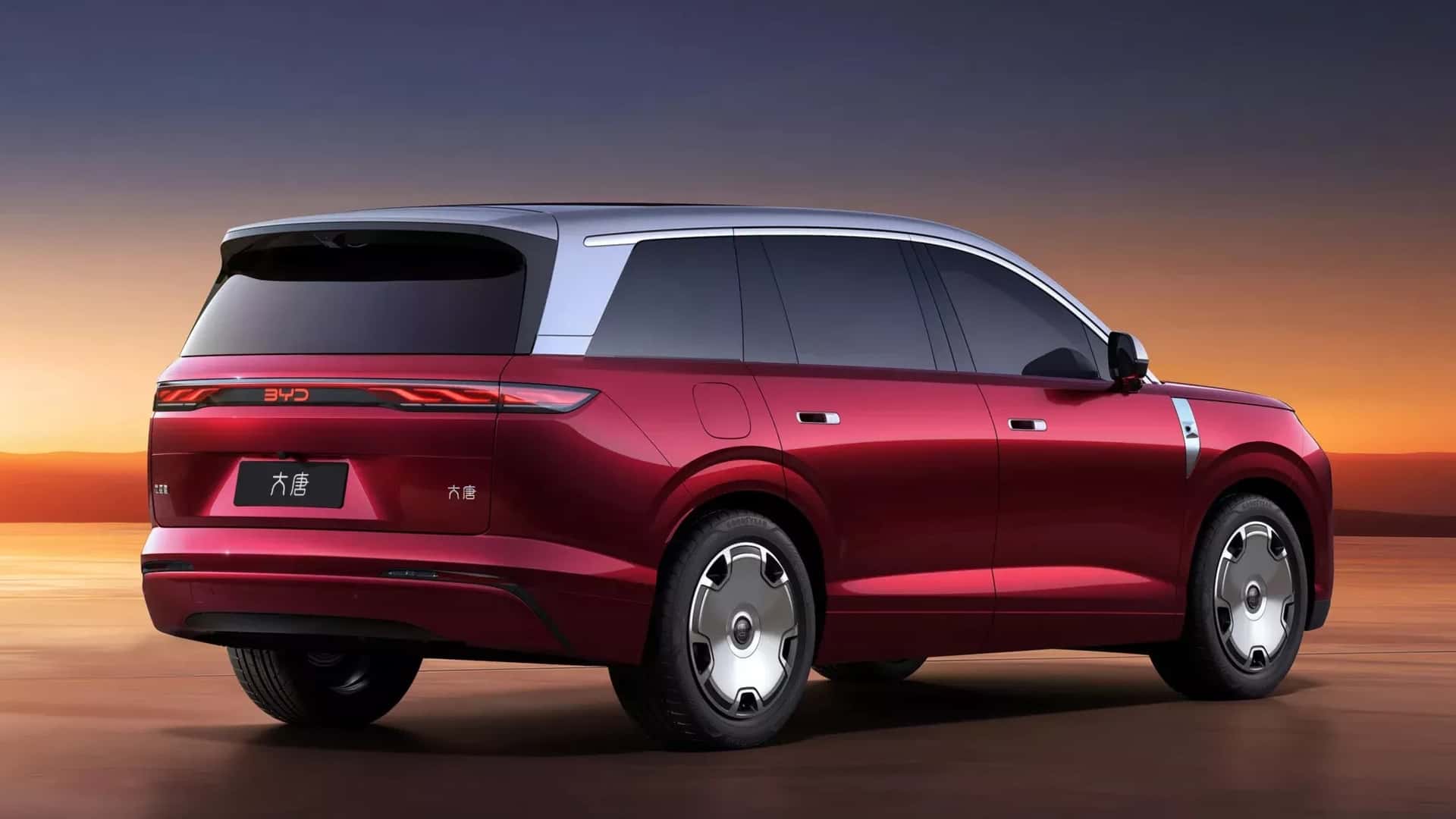
The engineering brief goes further. Rear-wheel steering shrinks the turning radius to a compact-car-like footprint, and an adaptive air suspension system promises a mix of comfort and handling finesse that rivals premium European SUVs. In short, this isn’t the stereotypical stripped-down budget EV. It is a full-spectrum luxury and performance package.
The Pricing Disruption
Pricing has not been formally confirmed for this exact model, but comparable large BYD SUVs in China typically land far below their Western counterparts, often in the $40,000 to $60,000 range depending on trim. That is where the conversation becomes uncomfortable for legacy automakers in the United States and Europe.
A vehicle with this level of range, performance, and tech would certainly demand well above $80,000 if it wore a badge from Tesla, BMW, or Mercedes-Benz. People have long argued about the China-US pricing gap being about profit margins. While that’s factual, it also exposes deeper structural differences.
Chinese automakers like BYD benefit from vertically integrated supply chains, particularly in battery production. They control key components from raw materials to final assembly.
Western automakers, by contrast, rely heavily on fragmented global suppliers, which inflates costs and introduces inefficiencies. Labor structures, regulatory burdens, and legacy dealership models in the US also add layers of expense that are largely absent in China’s domestic market.
Then there is scale. China’s EV market operates at a velocity unmatched anywhere else, allowing companies like BYD to amortize development costs across massive production volumes. That scale advantage translates into aggressive pricing without sacrificing margins.
Washington’s Backlash
This growing disparity helps explain the increasingly vocal resistance from Washington. Lawmakers on both sides of the house have called for outright bans on Chinese electric vehicles, arguing they pose both economic and national security risks.
Back in April 2024, Democratic senator representing Ohio Sherrod Brown wrote an open letter to then US President Joe Biden. In his letter and press statement, Brown stated that tariffs alone were insufficient to protect U.S. auto workers. Brown may have been primarily rooting for Ohio’s auto sector but that didn’t stop him from using the term “existential threat” in his call for a total ban on Chinese electric vehicles.
“There are currently no Chinese EVs for sale in the United States, and we must keep it that way,” said the senator.
Around the same time that Brown made this call, Republican senator from Missouri Josh Hawley pushed similar measures, warning that low-cost imports could decimate the American auto industry.
In press statements and public op‑eds reported by media houses like Fox News, Hawley proposed a 40‑fold tariff increase on Chinese EVs to block their entry. Back then, the senator’s rhetoric emphasized protecting U.S. workers and resisting what he described as “Green New Deal” mandates that would otherwise open the door to Chinese competition. “Stop Chinese EVs before they destroy our auto industry,” the senator warned.
Postponing the Inevitable
Calls for an American fatwa on Chinese EVs have only gotten worse as China apparently spooks the West with its competitively priced, advanced EV technology. Just this month, three Democratic senators, including Chuck Schumer, Tammy Baldwin, and Elissa Slotkin sent a similar letter to President Trump, urging the president to rethink his openness to China setting up manufacturing plants in the US.
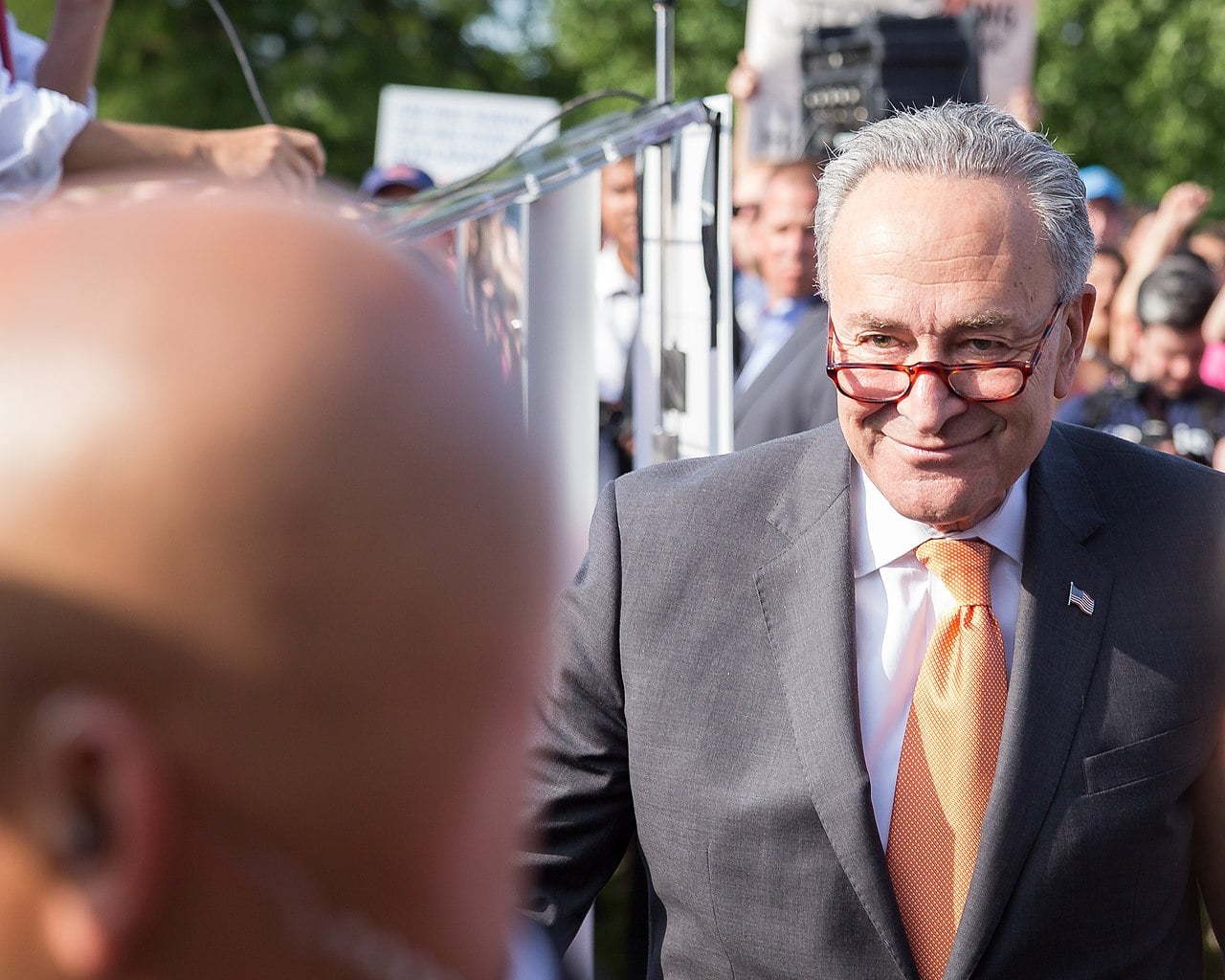
The senators also asked the president to block Chinese cars made in neighboring Mexico or Canada from finding their way into the US market. This comes as the president prepares to meet his Chinese counterpart next month. It also comes not long after Ohio senator Bernie Moreno described Chinese cars as “cancer” requiring chemotherapy.
Why the angst among American shot callers? The political framing often leans heavily on security concerns, data privacy, and industrial policy. Yet beneath that rhetoric sits a simpler reality. Cars like BYD’s Great Tang threaten to reset consumer expectations on price-to-performance in a way Western automakers are not yet equipped to match.
If these cars were allowed to compete freely in the US market, the pricing structure of the entire industry could come under pressure. That is the tension driving policy decisions today. It is not only about keeping foreign competitors out. It is about buying time for domestic players to catch up in a race that is accelerating faster than many expected. In other words, Chinese cars in America is inevitable.
Sources: Interesting Engineering