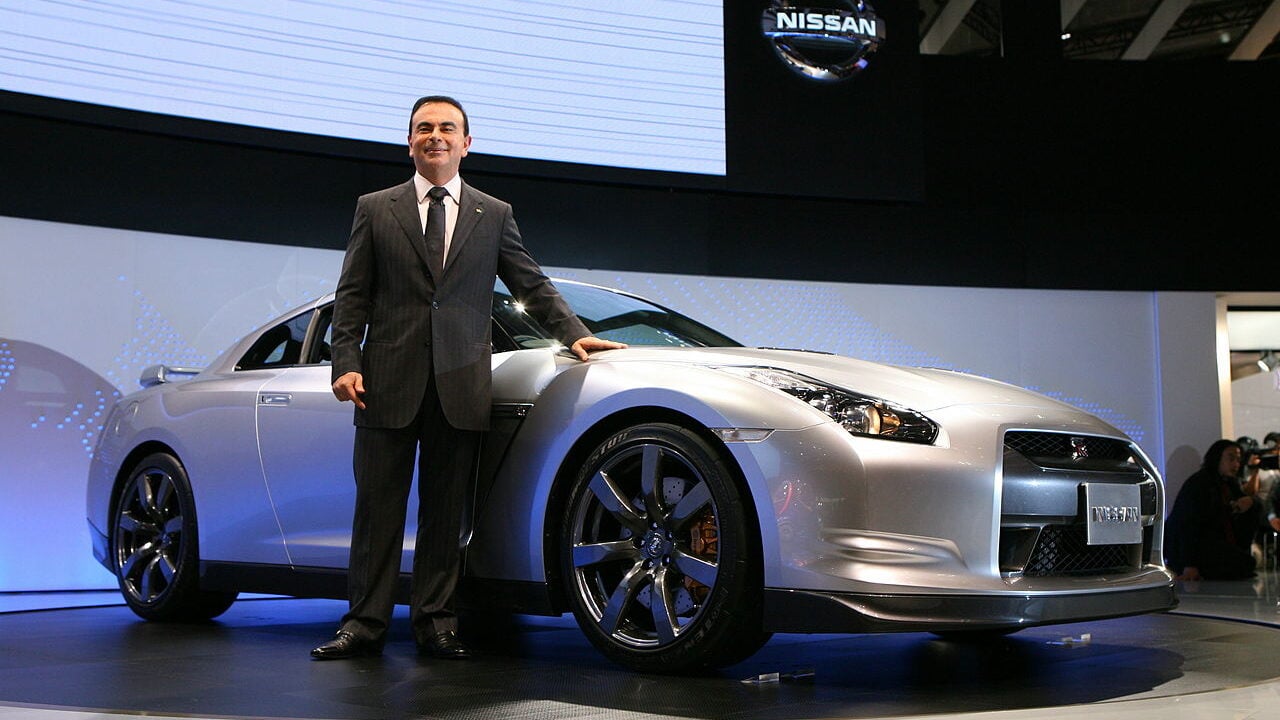
Nissan’s latest annual shareholder meeting offered a stark reminder that the automaker’s turnaround remains a work in progress. What is typically a routine corporate event instead became a platform for investors to voice growing frustration over the company’s performance, stock price, and future direction.
The meeting, held at Nissan’s headquarters in Yokohama, Japan, came at a critical moment for the automaker. New CEO Ivan Espinosa is attempting to steer the company through a major restructuring effort while rebuilding profitability and restoring investor confidence after years of declining market value.
Shareholders made it clear that patience is wearing thin. Several attendees criticized Nissan’s governance, questioned board appointments, and raised concerns about the company’s long-term strategy as it navigates an increasingly competitive global automotive landscape.
Perhaps the most striking moment came when one investor suggested Nissan could benefit from the return of former chairman Carlos Ghosn, a controversial figure whose dramatic departure from Japan continues to cast a long shadow over the company nearly eight years later.
A Rarely Contentious Shareholder Meeting

Annual shareholder meetings are typically procedural affairs focused on financial results, executive presentations, and routine votes. Nissan’s 127th shareholder gathering proved far more animated.
According to an Automotive News report from the meeting, investors repeatedly challenged company leadership over a range of issues, including governance practices, strategic decisions, and the prolonged decline in Nissan’s share price. Some shareholders even attempted to introduce a no-confidence motion directed at current management.
The criticism reflects concerns about Nissan’s performance over the past several years. Despite efforts to stabilize operations, the automaker continues to face pressure from slowing sales, increased competition, and the costly transition toward electrification and software-defined vehicles.
For Espinosa, who assumed leadership earlier this year, the meeting highlighted the difficult task of convincing investors that the company’s recovery plan is on the right track.
The Carlos Ghosn Factor Returns
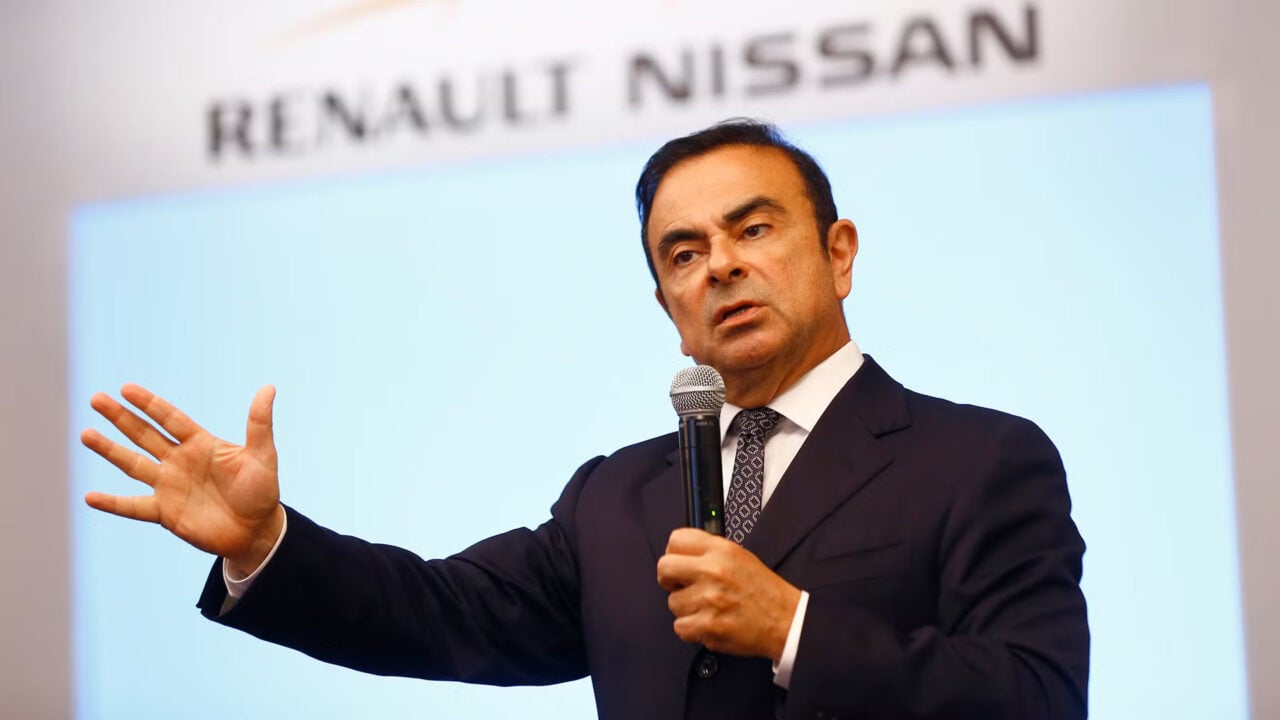
Among the more surprising comments was a shareholder’s call for the return of Carlos Ghosn, the former Nissan chairman who led the company through one of the most successful periods in its modern history.
The investor reportedly argued that while Ghosn had flaws, he possessed the type of leadership Nissan needs today. The remark underscored how some shareholders continue to associate the Ghosn era with stronger financial performance and more decisive management.
Ghosn was arrested in Japan in 2018 on allegations of financial misconduct, charges he has consistently denied. Following months of legal proceedings and house arrest, he famously escaped Japan in late 2019 and fled to Lebanon, where he remains beyond the reach of Japanese authorities.
Although a return to Nissan is effectively impossible under current circumstances, the fact that shareholders are still invoking his name demonstrates the depth of dissatisfaction among portions of the investor base.
Why Investors Are Concerned
Much of the frustration stems from Nissan’s stock performance. The automaker’s market value has fallen significantly since the period preceding Ghosn’s arrest, and investors have watched rivals make gains while Nissan struggled with leadership changes, strategic uncertainty, and declining profitability.
The company has also spent much of the past decade dealing with challenges that include shifting consumer preferences, increased competition from Chinese manufacturers, and the industry’s costly transition toward electric vehicles.
Recent decisions to scale back certain EV projects and reduce development spending have further fueled questions about Nissan’s long-term direction.
While management argues these moves are necessary to preserve cash and improve efficiency, some investors worry the company risks falling behind competitors in key segments. The shareholder meeting served as a visible reflection of those concerns.
Signs of Progress Under New Leadership

Despite the criticism, Nissan executives point to several encouraging developments. The company recently reported a return to operating profitability, posting an operating profit of approximately $367 million for the 2025 fiscal year. While modest by industry standards, the result marked an improvement from losses reported earlier in the year.
Management has also launched a broad restructuring program aimed at reducing costs, simplifying operations, and improving competitiveness. Product plans are increasingly focused on profitable segments such as SUVs and pickup trucks, areas where Nissan sees opportunities for growth.
Espinosa has repeatedly stated that Nissan has moved beyond the emergency phase of its recovery and is now focused on building a more sustainable future. Whether investors agree remains another matter.
A Critical Test Lies Ahead
The coming months may prove pivotal for Nissan’s leadership team. Cost-cutting measures can improve financial results in the short term, but sustained success ultimately depends on attracting customers and growing sales.
Recent sales figures have produced mixed results across key markets, and investors will be watching closely for signs that Nissan’s restructuring efforts are translating into stronger demand. Upcoming quarterly sales and earnings reports could provide a clearer picture of whether the company is gaining momentum or continuing to struggle.
For now, the shareholder meeting highlighted a company caught between its past and future. Some investors continue to look back at the Ghosn era as a benchmark for success, while current leadership is attempting to chart a new course through one of the most challenging periods in the automotive industry’s history.
The challenge facing Espinosa is not simply improving Nissan’s finances. It is convincing shareholders that the company’s best days still lie ahead rather than behind it.