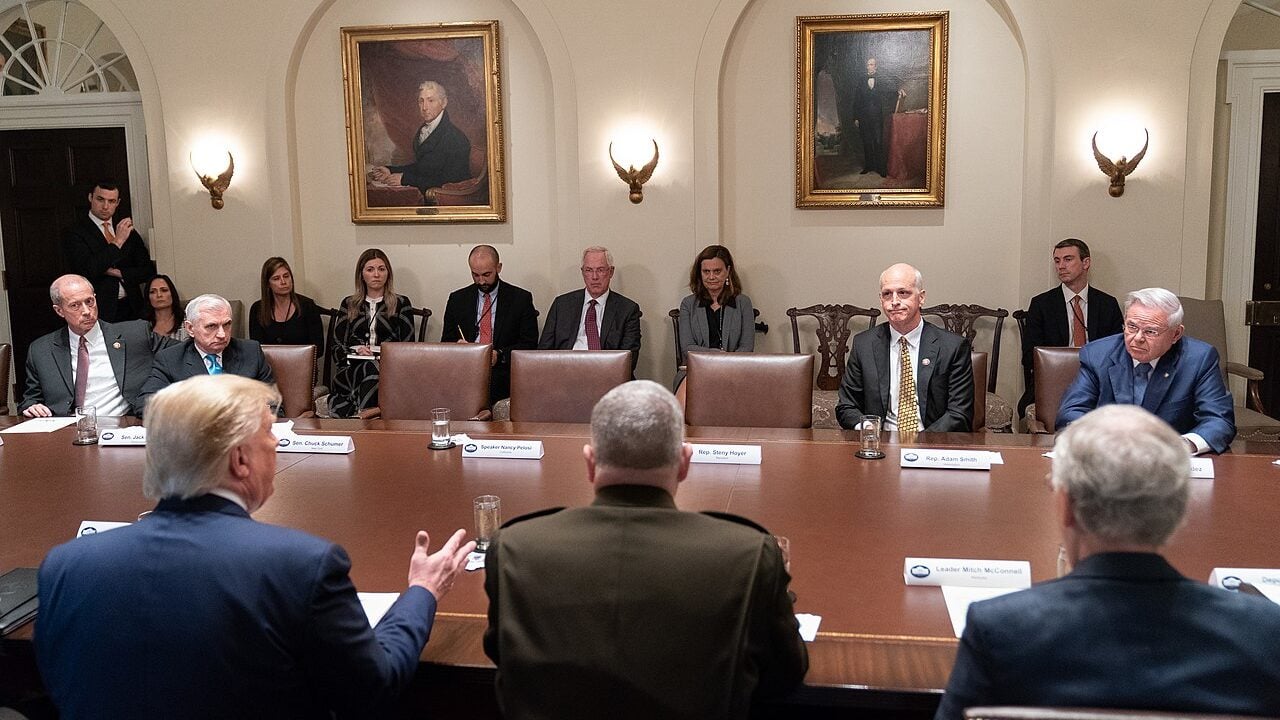

Three Democratic senators have urged President Donald Trump to block Chinese automakers from establishing manufacturing operations in the United States and to stop Chinese‑made cars assembled in Mexico or Canada from entering the American market.
The appeal, reportedly delivered in a letter to the president on April 3, underscores growing concern among U.S. lawmakers over economic competition and national security threats tied to advanced vehicle technology.
Senators Tammy Baldwin, Elissa Slotkin and Chuck Schumer wrote that allowing Chinese car companies to build plants on U.S. soil would give Beijing‑linked firms an unfair advantage that American manufacturers cannot overcome.
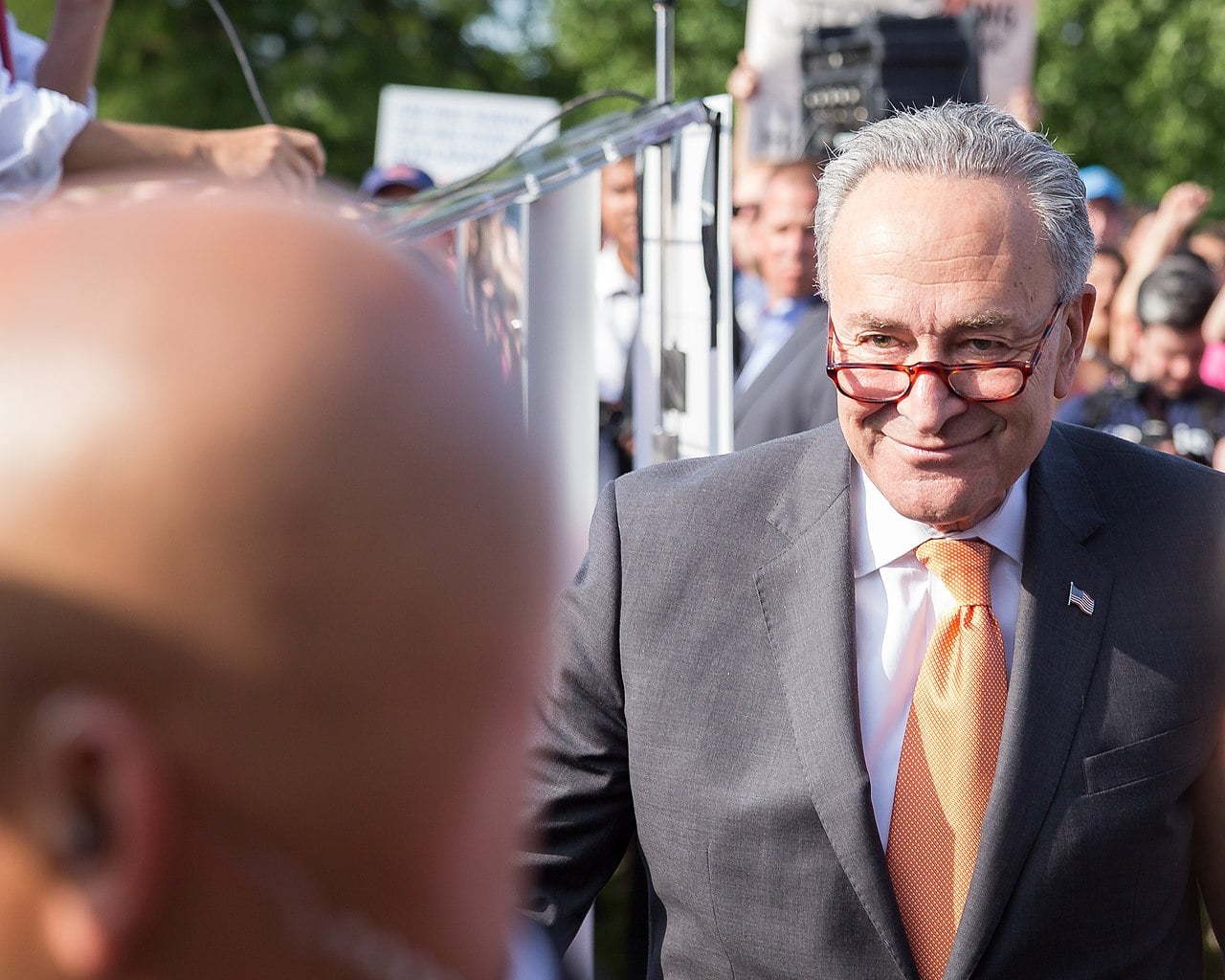
They warned that such a shift could reshape supply chains and threaten jobs across auto‑dependent communities in the United States. In their view, the risks extend far beyond simple market competition.
“We must be clear‑eyed that inviting China’s automakers to set up shop in the United States would confer an economic advantage American automakers cannot possibly overcome and would trigger serious national security consequences,” the lawmakers said in the letter obtained by Reuters.
Trump Goes to China
The request comes as President Trump prepares for a diplomatic visit to Beijing in mid‑May, where trade and industrial cooperation are expected to be among the topics discussed with Chinese President Xi Jinping. Trump had drawn attention earlier this year by saying he was open to Chinese automakers building factories in the United States if they created jobs for American workers.
That stance has alarmed some U.S. manufacturers and lawmakers, who fear that opening the U.S. market to Chinese firms would undermine decades of investment in domestic production.
Despite steep tariffs of roughly 100 percent already imposed on many Chinese‑made vehicles, interest among U.S. consumers in those cars has reportedly risen in recent surveys, intensifying the debate over access and competition.
The senators also urged the Trump administration to prevent vehicles assembled in Mexico or Canada by Chinese automakers from crossing into the U.S. market, a provision aimed at closing what they described as a potential loophole in trade enforcement. They cited concerns that such imports could effectively circumvent existing barriers and undercut U.S. industry.
Accused of Military Links
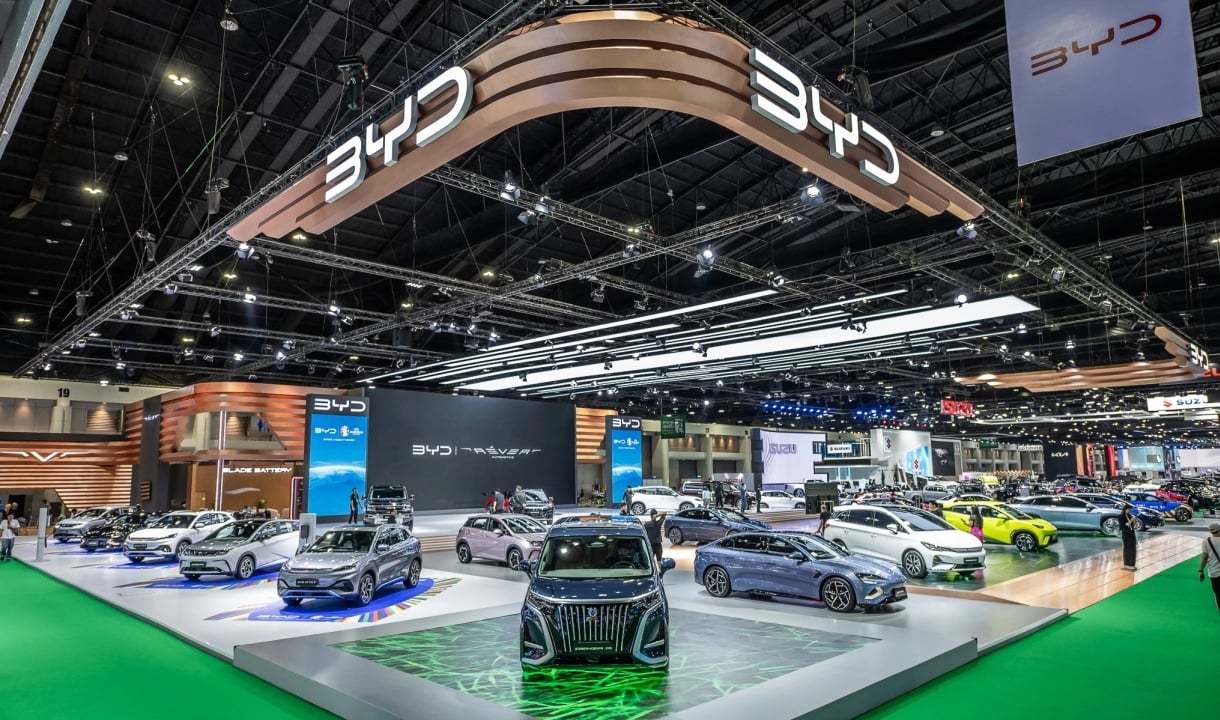
In addition, the lawmakers went as far as calling on the administration to designate certain Chinese automakers as military‑linked entities, pointing to recent actions that briefly placed carmaker BYD on a U.S. government list of companies allegedly helping Beijing’s military. That designation could subject those firms to further restrictions under U.S. law.
The Chinese embassy in Washington criticized the senators’ letter, accusing the United States of engaging in protectionist policies that unfairly target Chinese companies and limit their access to foreign markets. Beijing has repeatedly pushed back against U.S. trade restrictions, arguing for fair treatment and broader market engagement.
These calls from Democratic senators come alongside new Republican legislative action from Senator Bernie Moreno of Ohio, who has vowed to introduce a bill aimed at barring all Chinese auto‑related business from the U.S. market — not just manufacturing or finished vehicles, but also parts and technology relationships.
Moreno’s proposal seeks to expand existing bans and ensure that Chinese hardware and software cannot be used in U.S. automotive supply chains.
Moreno said at a recent event that his legislation is designed to prevent “any scenario where a Chinese automobile will enter our market,” stressing that the United States should adopt a hard line similar to restrictions already placed on Chinese telecommunications firms.
His effort has drawn support from some bipartisan corners in Congress, where skepticism about China’s industrial strategy cuts across party lines.
Broader Policy and Security Reevaluation
The developments reflect a broader reevaluation in Washington of how economic policy intersects with national security in the era of connected vehicles and advanced automotive technology.
U.S. regulators previously rolled out regulations in January 2025 that effectively ban Chinese passenger vehicles from the U.S. market, citing data security and privacy risks related to the sophisticated software and connectivity systems embedded in modern cars.
Meanwhile, automakers and trade groups are lobbying the administration to uphold these restrictions while remaining engaged in global competition. With Trump’s visit to China on the horizon, lawmakers on both sides of the aisle are keenly watching how policy decisions will shape the future of the auto industry and U.S. economic policy toward China.
Sources: 1330 & 101.5 WHBL