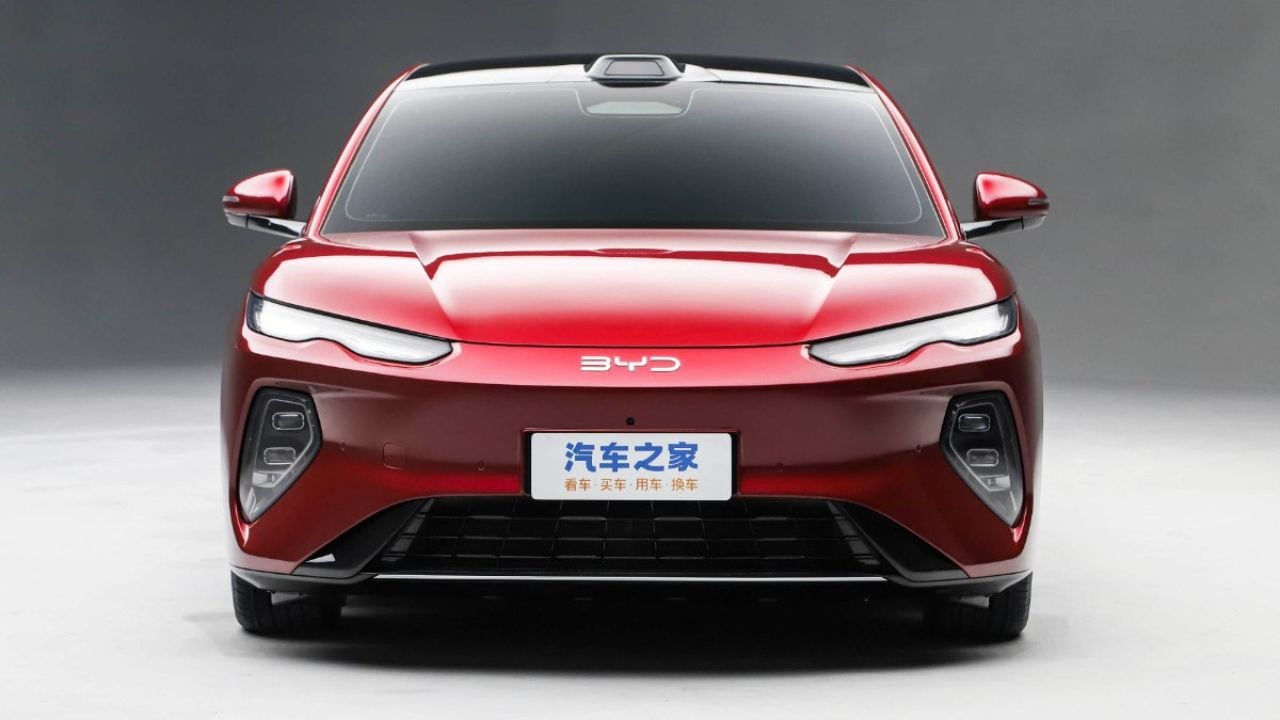

A new flashpoint in the global auto wars has arrived, and this one comes wrapped in language that sounds like a campaign rally than a policy briefing. Bernie Moreno, the Republican politician and businessman who, since January 2025, has served as the senior United States Senator from Ohio, has taken aim at Chinese automakers with a striking metaphor.
He reportedly called them “a cancer” and proposed a sweeping legislative response that would shut them out of the United States almost entirely. This reportedly came during Tuesday’s Automotive Forum event.
Moreno, who was born in Bogotá, Colombia, before migrating the U.S. as a child, built a career in car dealerships and blockchain ventures, and later defeated Democrat Sherrod Brown in the 2024 Senate race.
View this post on Instagram
According to Reuters, Moreno isn’t at all satisfied with existing barriers that are already in place to keep the dragons from the East at bay. The United States already makes it extremely difficult for the likes of BYD and Geely to enter the US market, thanks to steep tariffs and regulatory boulders.
Moreno wants to go further by blocking not just finished products, but also software, components, and even indirect partnerships tied to Chinese firms. He said he’ll introduce a new bill in April 2026 that’d block everything Chinese.
He’s not about safeguards; he wants a wall.
National Security or Uncomfortable Competition?
The argument behind this hardline stance leans heavily on national security concerns. At this point, plenty of Americans will roll their eyes at the broken record, but lawmakers in Washington have grown increasingly uneasy about the data modern vehicles collect, from location tracking to driver behavior.
In an era where cars function as rolling computers, the fear is that foreign-made systems could double as surveillance tools. It is admittedly a serious issue and not one to dismiss lightly.
Still, the Moreno’s choice of words matters, especially coming from a senator. “There’s never a scenario where a Chinese automobile will enter our market, that’s hardware, that’s software, that’s partnerships,” Moreno said, adding, “we’re going to prevent the cancer from coming into our market, and we’re going to need the other countries to do chemotherapy.”
Calling an entire country’s auto industry a “cancer” may energize political supporters, but it risks oversimplifying a far more complex reality. Chinese automakers did not rise by accident.
They invested heavily in battery technology, scaled production with impressive speed, and targeted affordability in ways many Western brands struggled to match. The result is a lineup of electric vehicles that are often cheaper and, in many cases, surprisingly competitive in quality.
This is where the tension sharpens. Is the push to block Chinese cars about security, or is it about competition that has become uncomfortably real?
The Tangled Web of Global Supply Chains
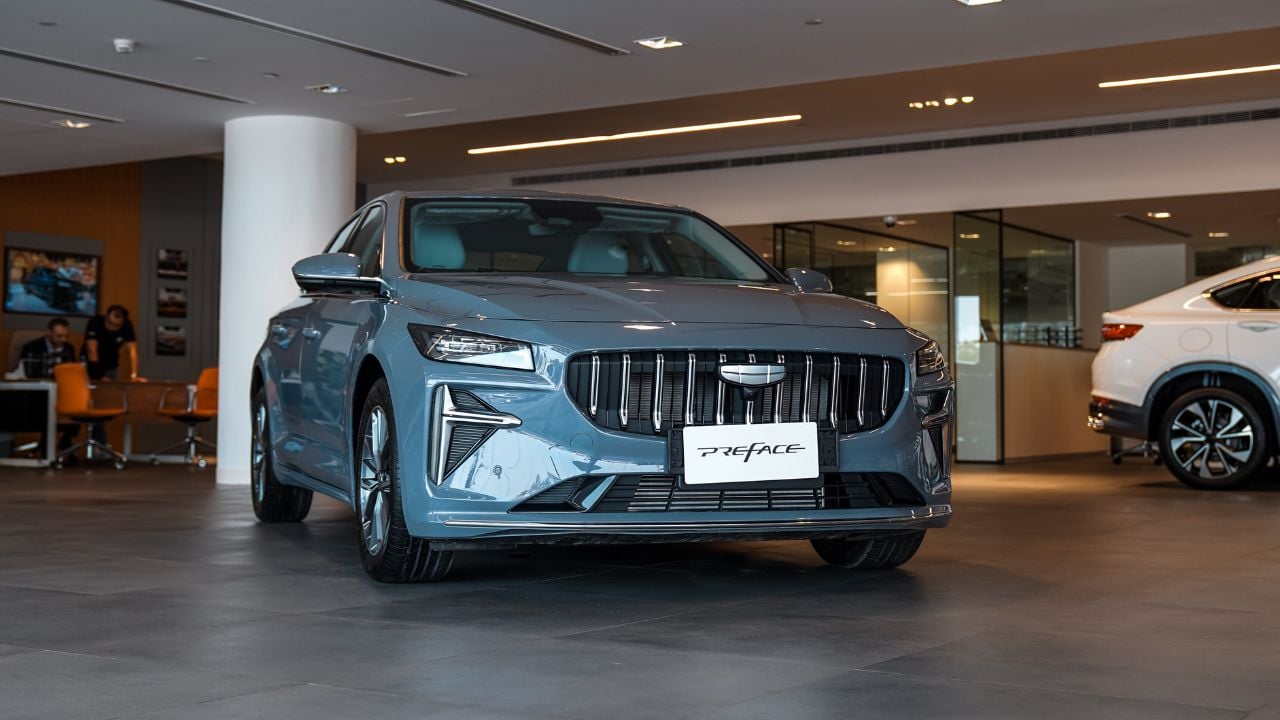
Consider how Chinese companies have already found ways to participate in Western markets without waving a Chinese flag. Brands like Volvo and Polestar operate under Chinese ownership through Geely yet maintain a European identity in design and branding.
Supply chains are even more intertwined. Batteries, raw materials, and key components often cross borders multiple times before a car reaches a showroom.
Trying to disentangle that web entirely would be a monumental task. It could also raise costs for consumers who are already navigating the higher upfront price of electric vehicles. Protectionist policies may shield domestic automakers in the short term, but they can also reduce the pressure to innovate.
There is also a global angle that is hard to ignore. Moreno’s proposal includes encouraging allies to adopt similar restrictions. That is easier said than done. European markets are already grappling with an influx of Chinese EVs, many of which undercut local competitors on price.
Developing markets, including parts of Africa, are even more open to these vehicles because affordability often outweighs geopolitical considerations.
Chinese EVs are Already Here
Calls to wall off Chinese automakers from the U.S. market is striking, but its practicality is questionable when viewed against global trends. In Europe, Chinese brands like BYD, MG (under SAIC), and Geely-owned Volvo and Polestar are already gaining traction.
They compete aggressively on price, often undercutting local EVs by thousands of euros, and in some cases match or exceed Western rivals in battery range and technology. European regulators are debating tariffs, but the cars are still arriving, showing how difficult it is to fully block them without hurting consumer choice.
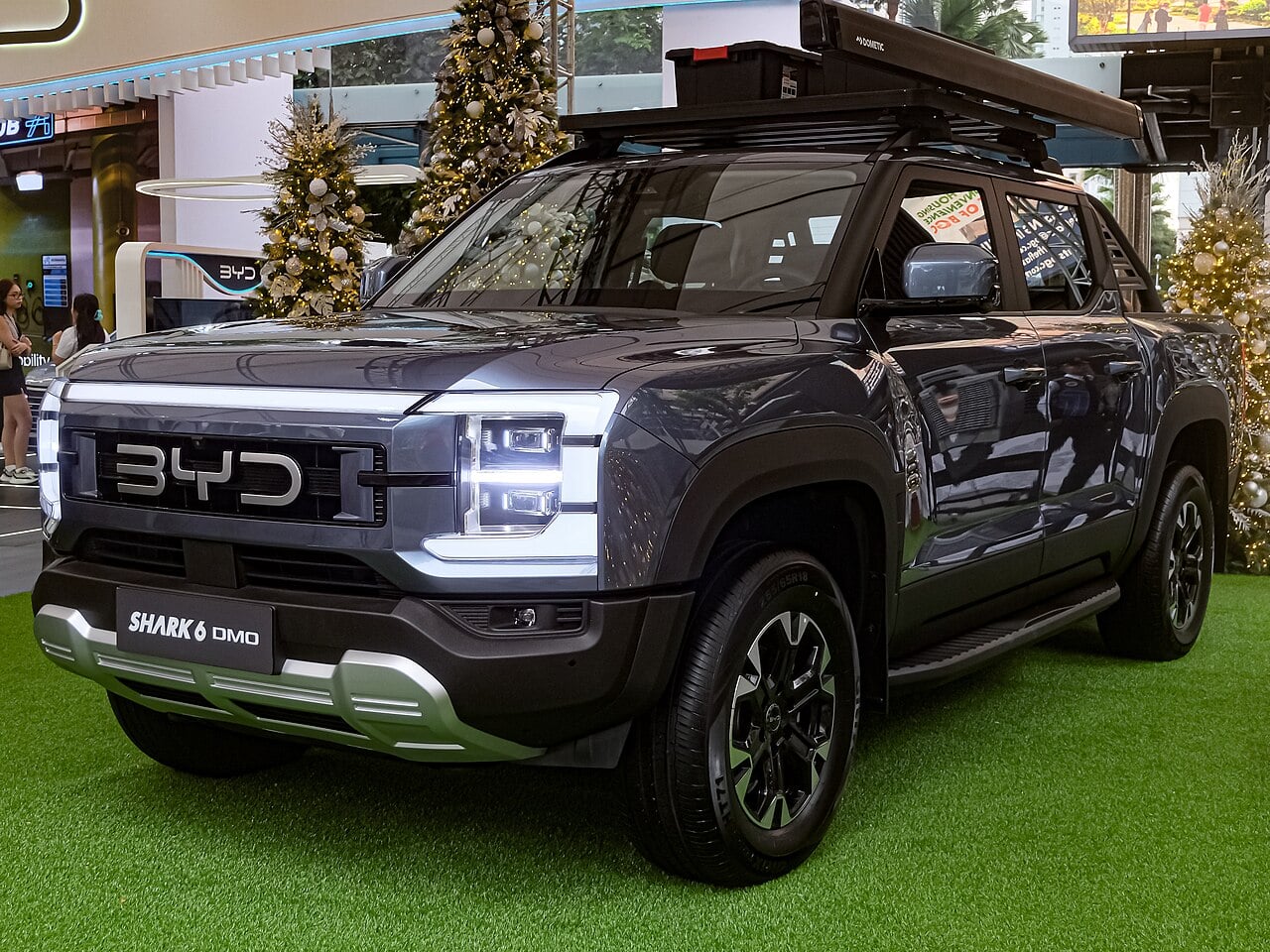
Mexico and Brazil are already seeing Chinese EVs and hybrids enter at competitive prices. These markets are less protectionist, and affordability often outweighs geopolitical concerns. Trying to disentangle Chinese supply chains is even harder: batteries, rare earths, and software components cross borders multiple times before final assembly.
That said, Moreno’s national security concerns are valid. Connected cars do raise surveillance risks, but a blanket ban risks isolating the U.S. while allies grapple with integration. More importantly, protectionism could reduce competitive pressure on American automakers.
The smarter path may be rigorous cybersecurity standards and transparent supply chain audits, rather than attempting to sever ties in a deeply interconnected industry.
Ultimately, Moreno’s proposal unearths one stinking skeleton: some policymakers would rather build barriers than compete head-on. Whether that approach protects innovation or stifles it is a question that will not be settled in a soundbite.