

President Donald Trump reportedly delivered the automotive equivalent of an open-mic night at the Detroit Economic Club with four simple words that could shake up the global EV world: “Let China come in.” It sounds like a diplomatic invitation to a barbecue, but this is actually a potentially seismic policy shift in the U.S. stance on Chinese electric vehicles and manufacturing.
Whether this is brilliant free-market thinking or a high-stakes gamble on Detroit’s future depends on who you ask.
The irony is that US officials, including transportation secretary Sean Duffy, described Canada’s decision to open its auto market to China as a mistake, effectively countering the President’s earlier position that Canada’s decision is “a good thing.”
According to Reuters, Duffy said Canada will look back in regret at its decision to import nearly 50,000 Chinese-made EVs, while trade rep Jamieson Greer stressed in a separate CNBC interview that the US government have tariffs in place to protect American jobs from enticing Chinese cars. “I think in the long run, they’re [Canada] not going to like having made that deal,” Greer said.
Not Gonna Happen, Pal
For years the U.S. auto market has been a fortress heavily guarded against Chinese EV imports. That fortress is so guarded that Republican Ohio Senator Bernie Moreno said China will sell cars in America over his dead body. Officials present at the event Moreno made this remark reportedly applauded. “As long as I have air in my body,” Moreno swore, “there will not be Chinese vehicles sold the United States of America – period.”
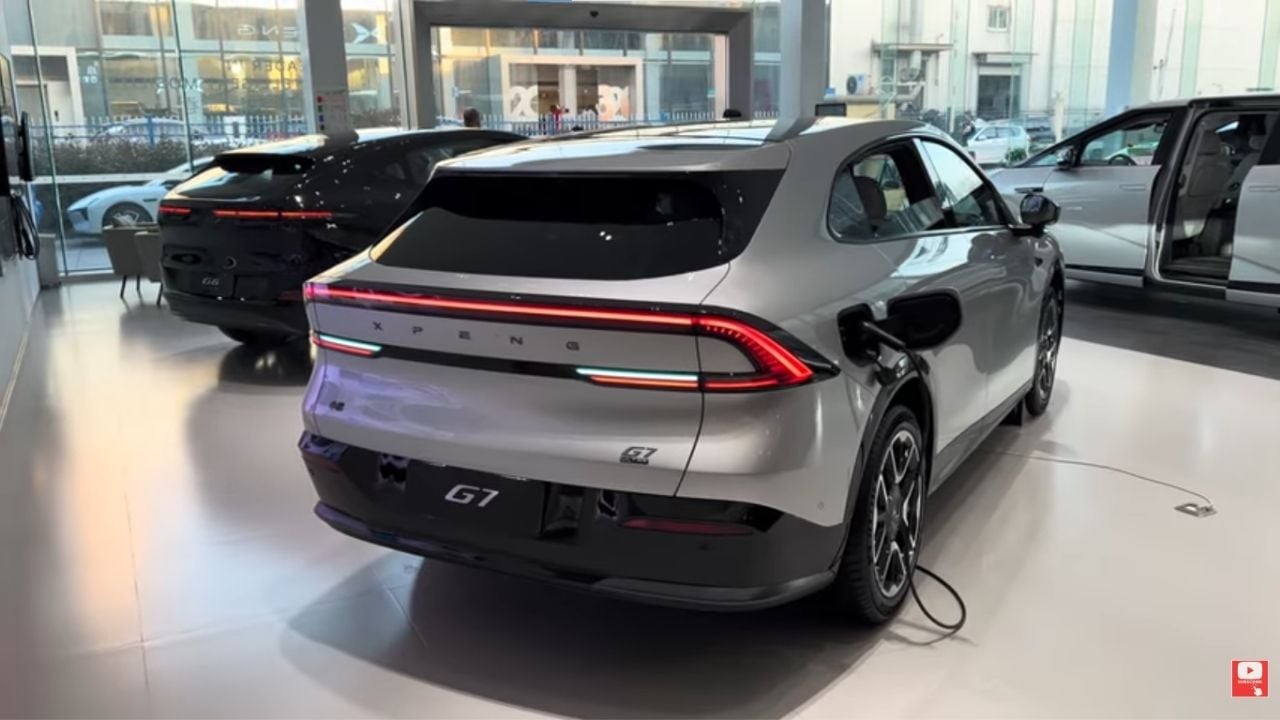
Tariffs as high as 100 percent were imposed to blunt what Washington viewed as an unstoppable flood of low-cost, highly competitive EVs from companies like BYD and Xpeng. The aim was simple: protect domestic manufacturers and jobs. The unintended side effect was a kind of insulation from competition that may have left the country’s electrification ambitions a bit… complacent.
Trump’s comments signal a willingness to rethink that stance. He isn’t suggesting immediate unfettered access for foreign EVs similar to Canada. Instead, he’s dangling a conditional welcome: if companies from China or elsewhere want to build cars in the U.S. and hire American workers, they are welcome.
That’s a very different pitch from import cars and sell them here right now. Trump’s gambit ties cheap cars to domestic production and jobs, effectively saying: You can come, but you gotta build here.
If You Can’t Beat Them, Join Them
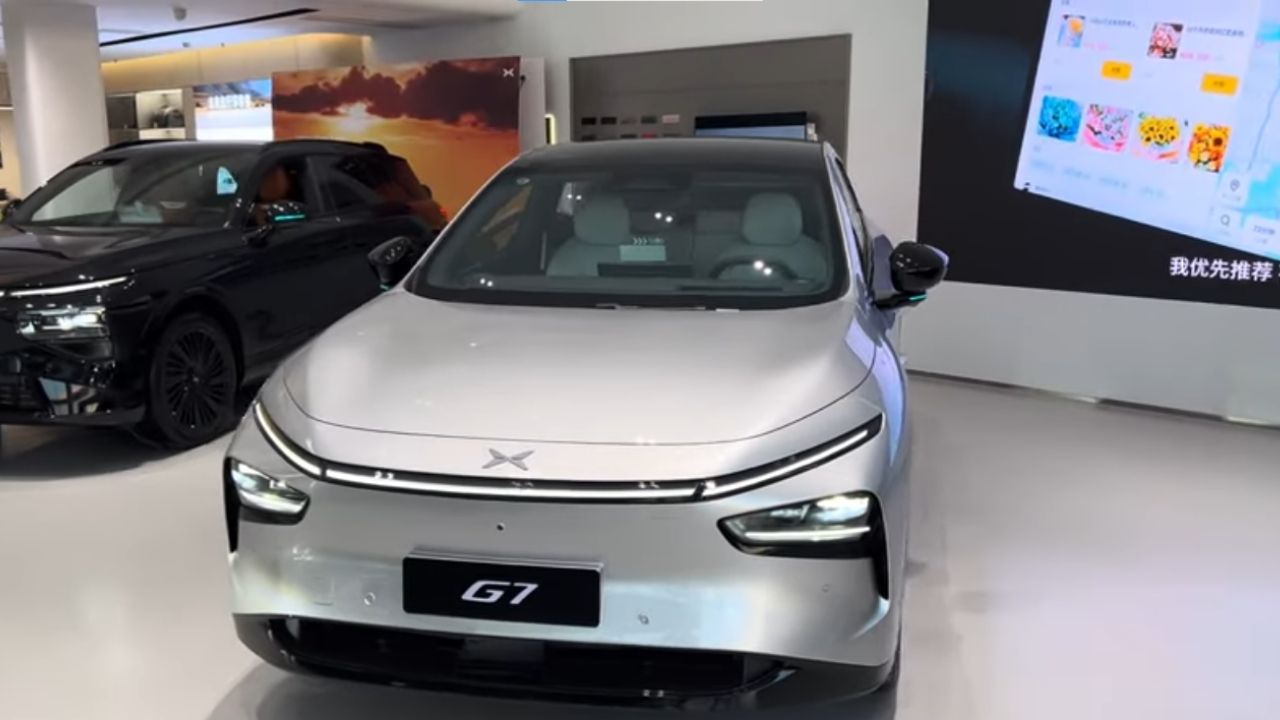
The theory has a certain logic. China is already the world’s largest EV market and EV manufacturer, with about 58 percent of global EV sales and exports far outpacing the U.S. and Europe. Chinese automakers benefit from massive domestic scale, highly efficient supply chains, and strong technology ecosystems.
They also produce some of the most affordable EVs on the planet, including micro and sub-compact models that sell for well under typical Western EV prices. We recently ran the story of the Wuling Starlight 560 7-seat midsize SUV, which starts at roughly $9,000 and maxes out at around $12,000.
If those models — or variants tailored to U.S. tastes — were made in America, consumers could see more affordable electric options. That might boost EV adoption at a time when U.S. sales are reported to be slowing year-over-year for the first time in half a decade. More competition usually improves choice and value for buyers. Many younger consumers may even welcome the arrival of new brands. Readers’ comments on the aforementioned Wuling story shows as much.
Of course, there’s a yawning gap between that ideal and reality. Critics of Chinese EVs in the U.S. have consistently cited concerns about fair trade, national security, and the viability of domestic manufacturing.
The American auto industry isn’t eager to see low-cost imports undercut their own vehicles, especially given the heavy investments companies like Ford and GM have made in electrification. That debate has already spilled over into international discussions, with Canada recently slashing tariffs on Chinese EVs and prompting sharp rebukes from U.S. officials.
Dropped the Act Already?
Skeptics point out that even if Chinese automakers build here, there remain barriers. Setting up large-scale manufacturing operations takes years and enormous capital. There is also the political risk of policy whiplash, where future administrations could reverse course and tighten restrictions again. This is the crux of worries voiced in both Washington and industry circles: invest hundreds of millions to build EV plants based on an invitation that might not hold.
In the Reuters article, Greer reportedly said he thinks Chinese carmakers will find it particularly hard to operate on US soil. “There are rules and regulations in place in America about the cybersecurity of our vehicles and the systems that go into those, so I think it might be hard for the Chinese to comply with those kinds of rules,” he added.
Yet Trump’s remark is a subtle acknowledgement that U.S. automakers risk being outmaneuvered if they keep building EV policy around tariffs instead of innovation and market competition. China’s EV industry has rapidly matured. They’re exporting millions of vehicles to markets in Europe and Mexico. Letting that expertise and competitive pressure into the U.S. auto ecosystem could be exactly the disruption Detroit needs.
A century ago, American roads were dominated by hundreds of carmakers, each hustling to build better, cheaper vehicles. Competition fueled invention. Maybe inviting Chinese EV players to the table — as long as they hire locally — is Trump’s way of trying to recapture a bit of that scrappy spirit.
Only time will tell if this becomes a genuine shift toward opening doors, or just another headline in the ongoing drama of U.S. auto policy. Either way, global EV chess just got more interesting.