
When most people hear “exotic car,” they picture something modern and outrageous, a $250,000-plus hypercar covered in scoops, vents, and aerodynamic trickery. Machines that look like they were designed in a wind tunnel.
Obviously, none of the classic cars on this list fit that definition. But before the era of carbon fiber and butterfly doors, “exotic” meant something different. It was about proportions, details, and the sense that a car was designed to stir emotion, not just move people.
Some of these American classics borrowed cues from Italian and British sports cars of their day, including low rooflines, hidden headlights, dramatic fenders, and long, sculpted hoods. Others simply felt exotic, even if no one was ever going to confuse a Fiero for a Lamborghini or a pony car for an Aston Martin.
What they all share is presence, that intangible quality that makes people stop and stare. And if you squint a little, you might even decide a few of them outshine their European counterparts.
Let’s take a look at the American cars that came closest to capturing that exotic spirit.
1963-1967 Chevrolet Corvette Sting Ray
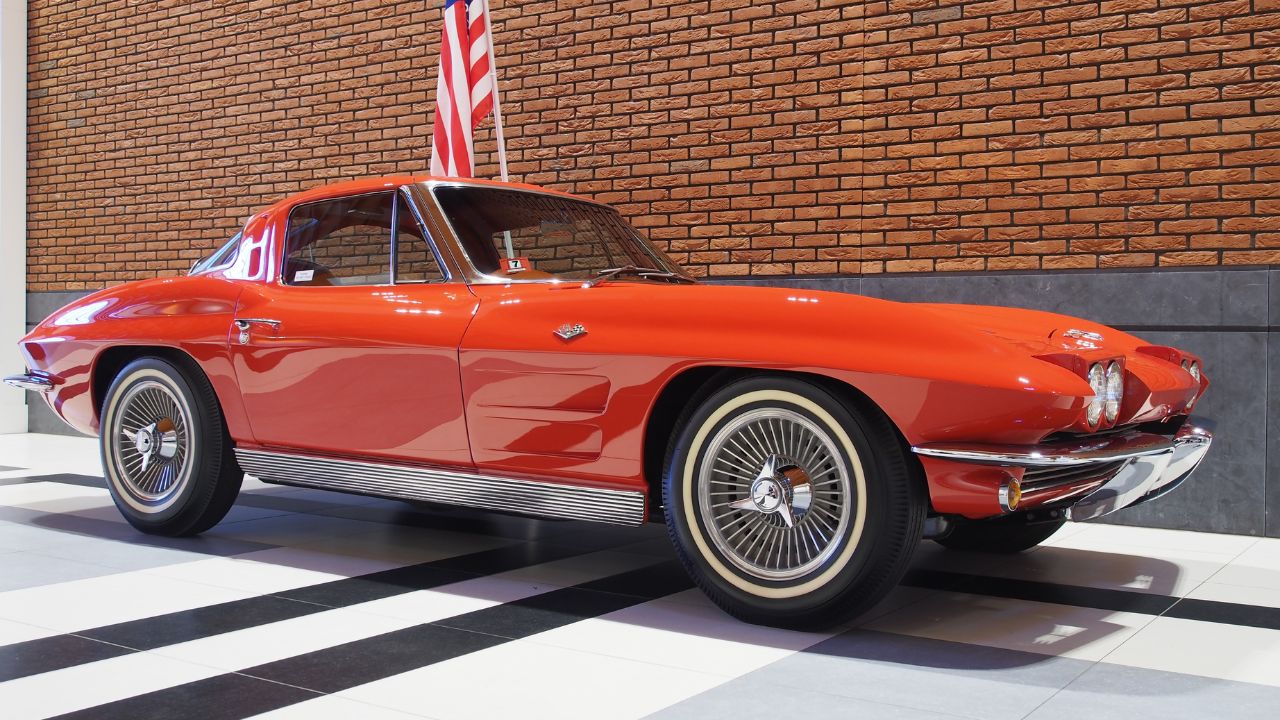
The C2 Corvette, especially the split-window 1963 coupe, looks like it rolled straight out of a European design studio. That razor-sharp body, hidden headlights, and impossibly low profile gave it genuine exotic credentials.
The fact that it could outrun most European sports cars of its era just added to its mystique.
1971–1974 De Tomaso Pantera

Okay, this one’s a bit of a cheat; the Pantera was built in Italy by De Tomaso, but it was sold new through Lincoln-Mercury dealerships in the U.S. That partnership gave American buyers a true mid-engine exotic without having to import one.
Under its sharp, low-slung body sat Ford’s 351-cubic-inch Cleveland V8, marrying Modena style with Detroit muscle. Its wedge profile, pop-up headlights, and raw power made it a legitimate rival to Ferraris and Lamborghinis of the era, proof that “Made in Italy” and “Powered by Ford” could be a pretty irresistible combination.
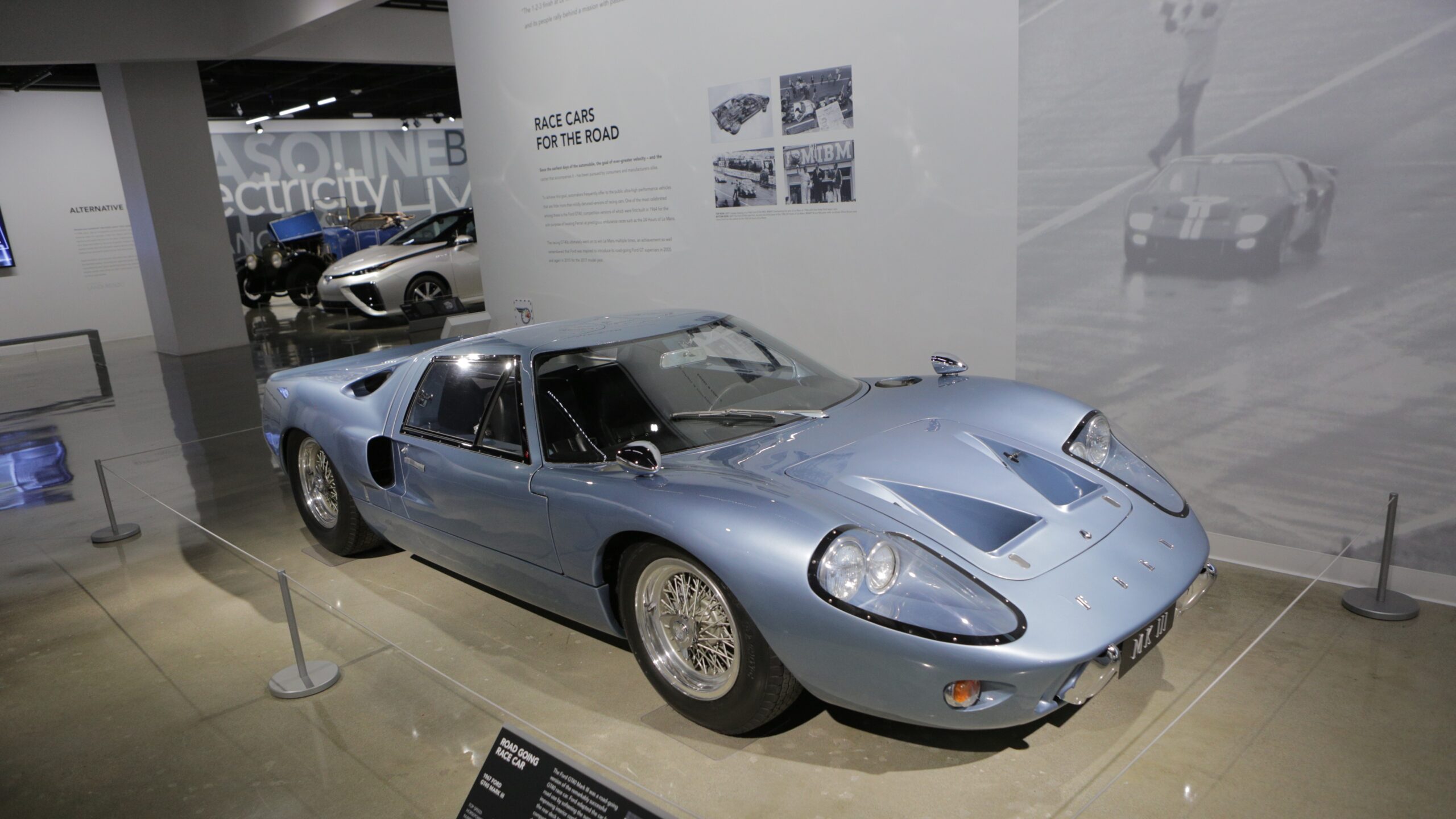
1964–1969 Ford GT40 (racing program)
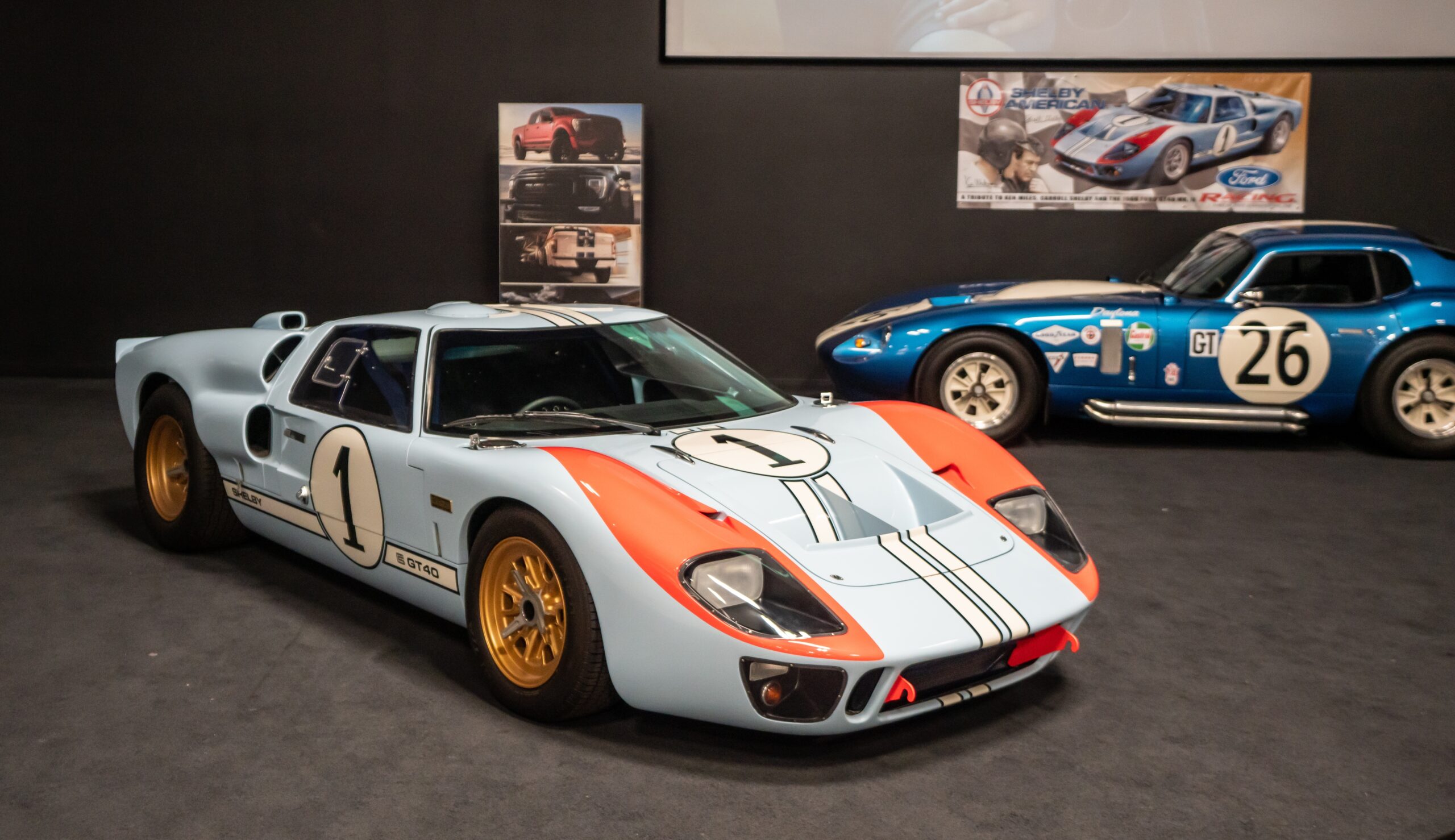
This one might be considered a bit of a cheat, too; it’s an exotic in its own right and blurs the lines with its British-Italian-inspired design. But it’s pure Ford through and through. And honestly, how could we not talk about the GT40?
This was Ford’s GT40 program, the one that took the fight to Ferrari and won four straight years at Le Mans. Its impossibly low stance, mid-engine layout, and sculpted bodywork looked like nothing else to come out of Detroit. The GT40 wasn’t trying to imitate European exotics; it beat them at their own game. It’s the kind of car that sneaks into any automotive conversation, even ones that start out being about trucks.
1970 Plymouth Superbird

With that massive rear wing and elongated nose cone, the Superbird looks more like a Le Mans prototype than a street car. NASCAR homologation rules created this wild machine, but its aerodynamic add-ons made it look absolutely otherworldly parked next to regular cars.
No one’s going to mistake a Superbird for a Ferrari, though, interestingly, big rear wings became a defining performance statement later on cars like the Ferrari F40. By the tuner-crazy 1990s, F40-style wings were everywhere in Super Street magazine ads, bolted onto everything from Supras to 300ZXs (and honestly, they looked pretty great on the Z).
We like to think the Superbird was the real godfather of that high-wing craze. We can’t prove it, but it’s a theory we’re happy to stand by.
1954 Kaiser Darrin

Designed by legendary stylist Howard “Dutch” Darrin, this fiberglass-bodied sports car featured doors that slid forward into the front fenders, a feature you’d expect on an Italian show car. Only 435 were built, making it genuinely rare and exotic.
The sculpted bodywork and low stance gave it a European flair that was way ahead of its time for an American manufacturer.
1985–1988 Pontiac Fiero GT
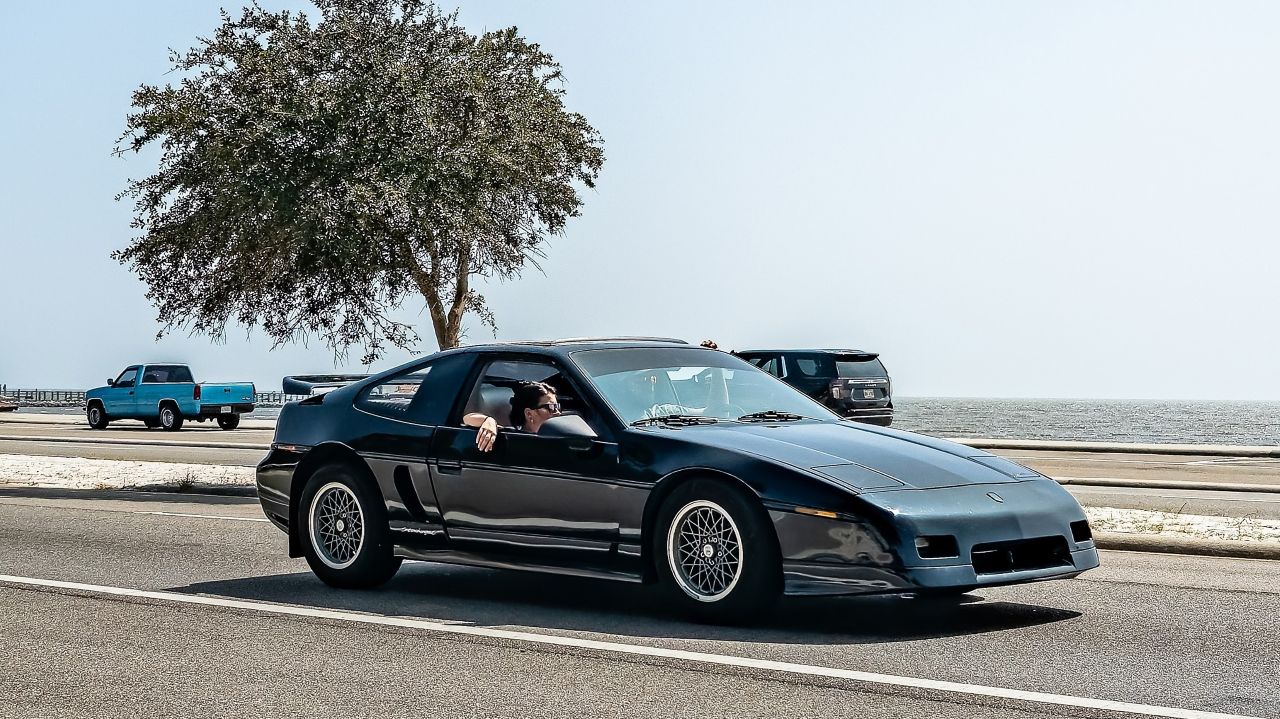
Depending on how strictly you define “exotic,” the Fiero might be a controversial pick, or maybe not. If you get it, you get it. The Fiero had a certain charm that flirted with exotic territory, especially in GT trim.
Not because anyone would mistake it for a Ferrari, but because it had that same mid-engine silhouette and confident, wedge-shaped profile that screamed cool. It wouldn’t have looked out of place, driven by a TV star in the 1980s, not exactly Miami Vice, but close enough if the hero needed something that said “practical meets good-looking.”
1966-1970 Oldsmobile Tornado

This front-wheel-drive personal luxury coupe had proportions that seemed almost impossible, with its endless hood and fastback roofline creating a silhouette unlike anything else on American roads. The clean, muscular styling with hidden headlights gave it a sophisticated European GT vibe.
It was never meant to go head-to-head with exotics, and certainly not a supercar, but it’s still a striking machine. If you squint a little, you can see the kind of clean fastback GT proportions later associated with cars like the Maserati Ghibli, and that’s no insult to either. The Toronado carries itself with a similar sense of understated confidence, and honestly, if we had to choose between the two, we’d probably take the Toronado.
1955-1957 Ford Thunderbird

The original T-Bird was Ford’s answer to the Corvette, but with more continental flair. That porthole hardtop, elegant proportions, and tasteful chrome made it look like an American interpretation of a grand touring car.
It was more about style than raw performance, which actually made it feel more European in character.
1953-1954 Studebaker Starliner
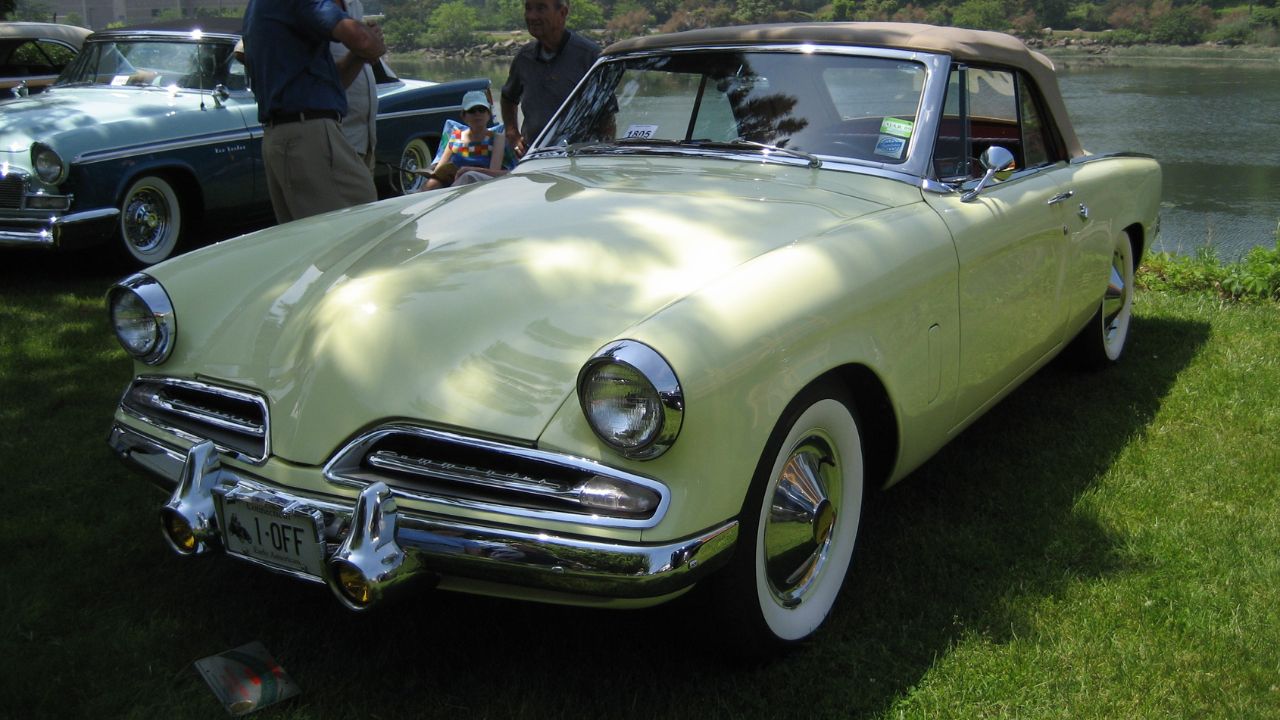
Robert E. Bourke at Raymond Loewy’s studio created something that looked a decade ahead of its time with the Starliner coupe. The low, wrapped windshield and pillarless hardtop design had a European sophistication that most American cars of the era completely lacked.
It’s still considered one of the most beautiful American cars ever made.
1969 Dodge Charger Daytona

Like its Plymouth Superbird cousin, the Charger Daytona’s radical aerodynamic nose and towering rear wing made it look like a race car that accidentally became street-legal. The aggressive modifications transformed the already-muscular Charger into something that looked genuinely exotic.
Only 503 were built for 1969, adding to its rare and special status.
1963-1965 Buick Riviera

The first-generation Riviera isn’t really a contender in the “exotic look-alike” conversation; it’s not trying to be. But it is a gorgeous car, one that only gets better looking with age. There’s something about that razor-edge front end that shares a sharp front-end presence later seen on cars like the Lamborghini Espada, especially in the grille and headlights.
We’re not saying the Espada could double as a Riviera stunt car, just that both share a certain presence up front that makes them stand out. As for the rest of the design, we’d argue the Riviera carries its beauty more gracefully from nose to tail. The Espada gets a little quirkier as you go, while the Buick stays effortlessly elegant all the way through.
1967-1970 Mercury Cougar

Lincoln-Mercury’s upscale pony car featured hidden headlights, sequential turn signals, and elegant proportions that gave it genuine grand tourer vibes. The longer wheelbase compared to the Mustang it was based on created more balanced proportions and a more refined silhouette.
The Cougar doesn’t really look like anyone exotic; it’s got its own thing going. But those hideaway headlights tapped into a design trend that would later become a staple of exotic and performance cars through the ’70s, ’80s, and even into the ’90s. Before pop-up lights became the default symbol of speed and sophistication, the Cougar was already making them cool.
Conclusion
American automakers have always had a knack for dramatic styling, and these classics prove that exotic looks weren’t exclusive to imports. Whether through Italian design influence, aerodynamic necessity, or just bold creative vision, these cars captured that special something that makes people turn their heads.
They may have been built in Detroit, but their styling transcended geography and proved that American designers could create genuinely exotic-looking automobiles when given the chance.