
European automakers have always had this weird obsession with building cars that make you question reality. While American manufacturers were busy figuring out how to make V8s even more inefficient and Japanese brands were perfecting the art of beige reliability, Europeans were out here dropping acid and designing four-wheeled fever dreams that somehow worked.
These aren’t your typical “ahead of their time” cars that car magazines love to drool over. These are vehicles that were so forward-thinking, they made contemporary competition look like they were designed by a little kid learning how to draw cars in school.
Some were instant classics. Others took decades for people to realize they weren’t complete disasters. All of them prove that sometimes the best way to predict the future is to build it yourself and watch everyone else scramble to catch up.
What Makes a Car Truly Ahead of Its Era
Before we dive into this list, let’s establish what actually makes a car ahead of its time versus just weird. Anyone can slap some concept car nonsense together and call it “visionary”, I’m looking at you, every auto show concept that thinks weird proportions or looking like a featureless slab makes them groundbreaking. Real innovation means introducing technology, design, or thinking that fundamentally changes how we approach cars, not just adding more screens and calling it “the future.”
These cars practically rewrote the rulebook while their competitors were still trying to figure out which end was the front. They introduced tech that became standard decades later, created entirely new segments, or solved problems that nobody else even knew existed. Most importantly, they proved that the best way to shut up critics is to be so obviously right that arguing becomes embarrassing.
Audi Quattro

The Audi Quattro didn’t just change rally racing, it completely humiliated every rear-wheel-drive sports car owner who spent the 1970s explaining why spinning out in the rain was actually “more engaging.” This boxy German missile took a revolutionary all-wheel-drive system, wrapped it in the automotive equivalent of a business suit, and proceeded to make Porsche 911s look like expensive paperweights on anything resembling weather.
The 2.1-liter turbocharged inline-5 made about 200 PS (197 hp), which doesn’t sound like much until you realize it was putting that power to all four wheels when many rivals were still relying on rear drive in bad conditions. In the World Rally Championship, Audi won the manufacturers title in 1982 and 1984, plus the drivers title in 1983 and 1984, helping push all wheel drive into the performance mainstream.
Audi developed Quattro almost by accident when they tested a military vehicle’s drivetrain in a prototype. Sometimes the best innovations come from someone saying, “what if we tried this stupid idea?” The Quattro proved that German engineering could be both practical and exciting, which was apparently news to BMW at the time.
The best part? Watching sports car purists spend decades insisting that AWD was “cheating” while secretly wishing their weekend heroes didn’t turn into expensive lawn ornaments every winter.
Mercedes-Benz 300SL Gullwing
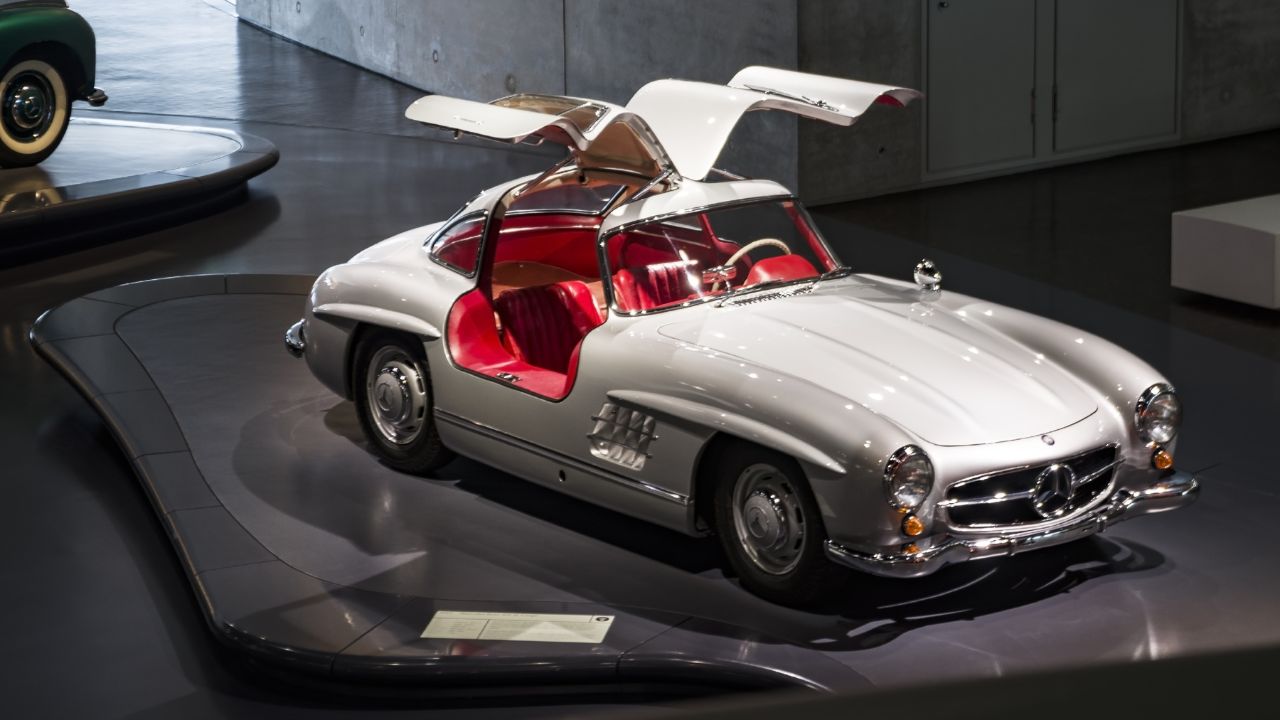
The 300SL Gullwing was so far ahead of its time that it took other manufacturers about three decades to build anything that didn’t look like a complete joke parked next to it. Those doors didn’t just open upward for style points; they were necessary because the space frame chassis was so advanced that conventional doors would have compromised structural integrity. This was engineering solving problems before Instagram influencers were even born to complain about door gaps.
Under that gorgeous body was a 3.0-liter inline-6 with mechanical fuel injection. The standard body was largely steel, with aluminum used for panels like the hood and doors, and a small number were built with full light-alloy bodies. It made 215 hp, and it could hit up to 161 mph depending on gearing, decades before the national 55 mph limit arrived in the 1970s. The Gullwing was basically Mercedes telling the world, “This is what a proper sports car looks like,” and everyone else taking notes.
The interior featured instruments that looked like they belonged in a spacecraft, not because Mercedes was trying to be flashy, but because they actually gave a damn about driver information. Compare that to British sports cars of the era, where the fuel gauge was considered an optional luxury.
Here’s the kicker: Mercedes built these as a road-going version of their racing cars, not the other way around. While other manufacturers were trying to make their road cars pretend to be race cars, Mercedes was making their race cars pretend to be road cars. The difference shows.
BMW i3

The BMW i3 looked like it was designed by someone who understood that electric cars didn’t have to be rolling manifestos about how much you hate fun. While Tesla was busy building laptops with wheels and calling them revolutionary, BMW created an EV that was actually interesting to look at and drive.
That carbon fiber body was actually necessary to offset the weight of the battery pack while maintaining the driving dynamics that made it actually enjoyable. The interior used sustainable materials not because BMW wanted to virtue signal, but because they were genuinely trying to create something different. The eucalyptus wood and recycled plastic looked better than the “premium” interiors in most luxury cars.
The rear-mounted electric motor produced 170 hp and 184 lb-ft of torque, which was enough to make it genuinely quick around town. More importantly, it handled like a BMW instead of a golf cart, which was apparently a revolutionary concept in the EV world.
The optional range extender was brilliant, a 650cc motorcycle engine that only ran to charge the battery, never to drive the wheels. It was basically BMW saying, “We know you’re scared of running out of juice, so here’s a solution that doesn’t compromise the electric driving experience.” Too bad most buyers were too stupid to understand why this was clever.
The i3 failed commercially because it looked too weird for people who wanted to virtue signal about the environment while driving something that looked exactly like every other car. BMW’s mistake was assuming people actually wanted innovation instead of just talking about it.
Citroën DS

The DS wasn’t just ahead of its time, it was from a completely different timeline where French engineers had apparently figured out how to bend the laws of physics. That hydropneumatic suspension didn’t just provide a smooth ride; it could literally change the car’s ground clearance on the fly. While American cars were still using leaf springs like horse-drawn wagons, the DS was basically hovering over road imperfections.
The aerodynamic body is often cited with a drag coefficient around 0.36, which was impressive for a 1955 production car. Citroën achieved this by actually testing their designs in wind tunnels, unlike other manufacturers who were apparently just guessing and hoping for the best. The result was a car that could cruise at high speeds while using less fuel than contemporary “economy” cars.
Inside, the DS featured a single-spoke steering wheel and dashboard layout that looked like it belonged in a spaceship. The semi-automatic transmission used hydraulic controls instead of mechanical linkages, because Citroën had apparently decided that conventional engineering was for peasants.
The most impressive part? The entire hydraulic system ran off a single engine-driven pump that powered the suspension, brakes, steering, and transmission. This wasn’t just innovative, it was borderline insane, and it worked perfectly. Well, when it worked. When it didn’t work, you needed a PhD in hydraulic engineering to fix it.
The DS sold over 1.4 million units, proving that sometimes people actually do appreciate innovation. Of course, most of those people were French, which explains a lot about French engineering priorities.
Renault Espace
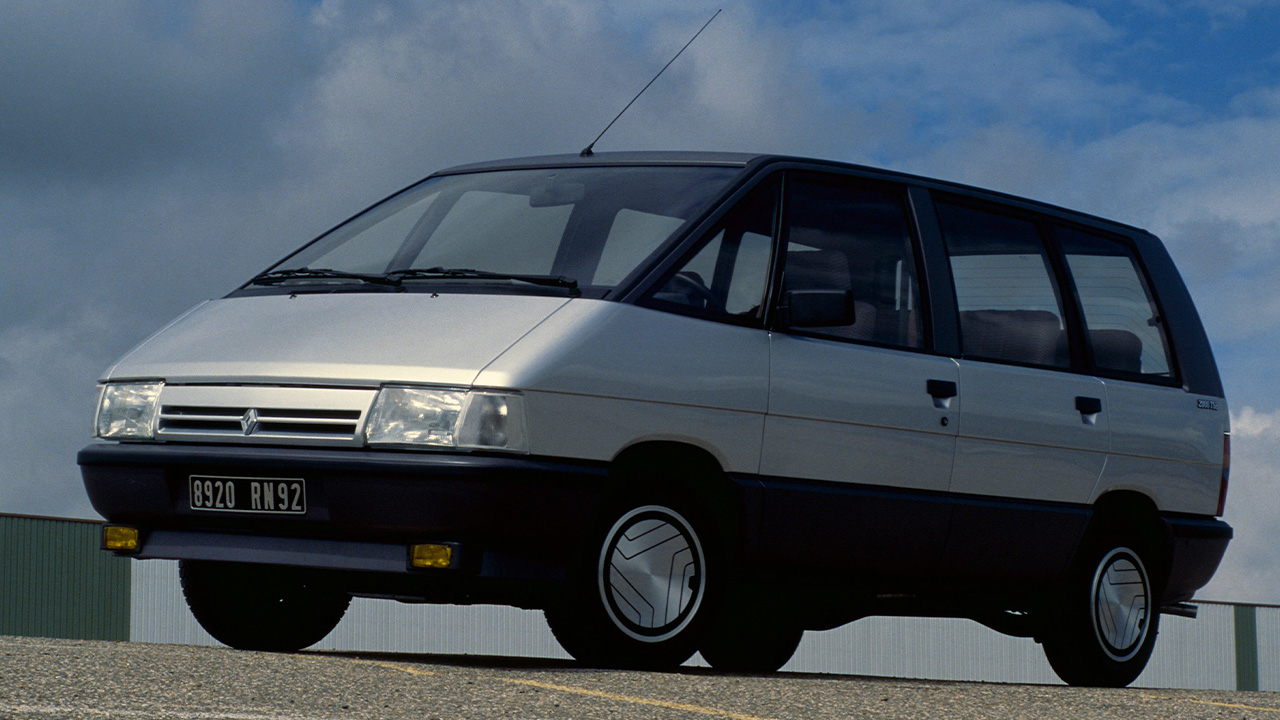
The Espace helped pioneer the modern minivan style in Europe by solving a problem that many brands had not fully committed to yet: how to make family transportation that didn’t completely destroy your will to live. While American manufacturers were telling families to buy station wagons that drove like trucks, Renault created something that was actually designed for real human beings.
The space-frame construction with composite body panels made it lighter than conventional steel-bodied vehicles while providing better crash protection. The modular seating system meant you could configure the interior for everything from hauling people to moving furniture, which was revolutionary for a time when “versatility” meant having a fold-down rear seat.
The Espace drove like a car instead of a truck, which was apparently a foreign concept to American manufacturers who thought families deserved to suffer for their reproductive choices. The handling was genuinely good, the ride was comfortable, and it didn’t require a commercial driver’s license to park.
Here’s what’s hilarious: Matra developed the concept and pitched it to Peugeot and Citroën first. After they passed, Renault took it on and launched it as the Espace. Ford was probably too busy making Pintos explode to pay attention.
The Espace spawned an entire segment that dominated family transportation for decades. Every soccer mom driving a modern SUV owes a debt to French engineers who understood that practicality doesn’t have to mean misery.
Volkswagen Golf GTI (Mk1)
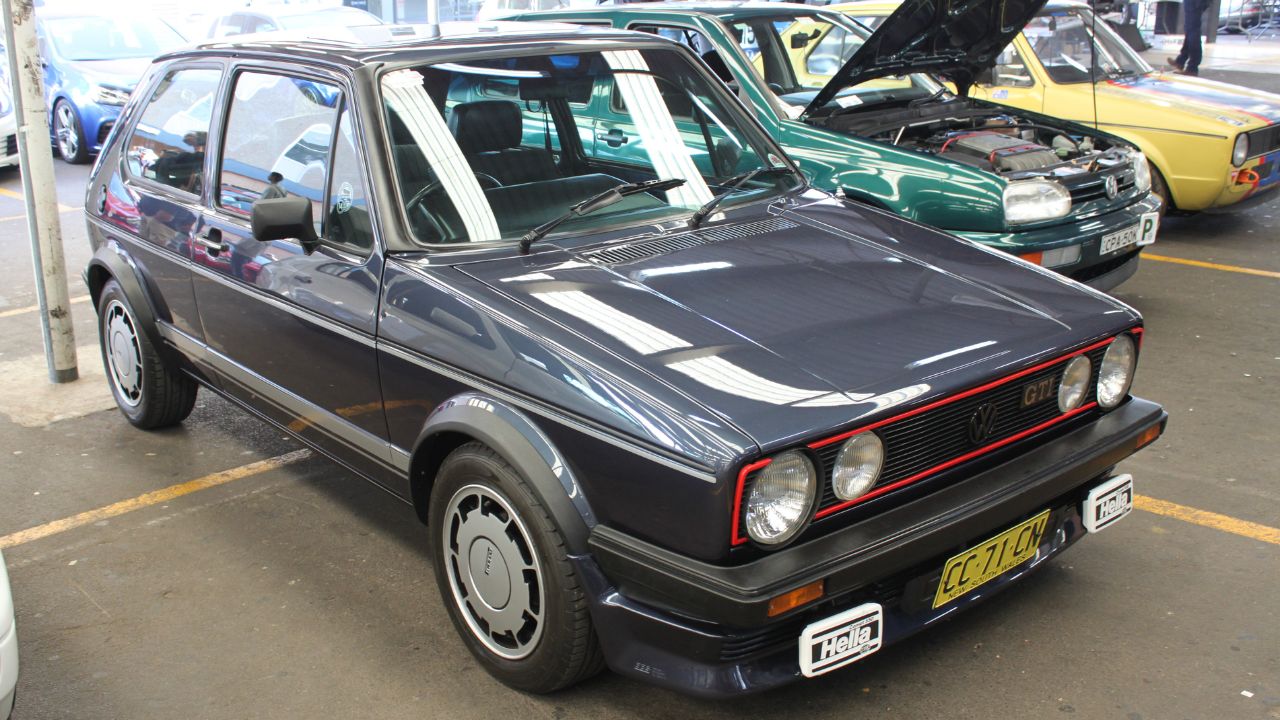
The original Golf GTI took a perfectly sensible economy car and turned it into something that could embarrass sports cars costing three times as much. This wasn’t just slapping a bigger engine into a small car, this was understanding that performance is about more than just straight-line speed.
The 1.6-liter fuel-injected four-cylinder made a modest 110 hp, but in a car that weighed less than 2,000 pounds, it felt genuinely quick. More importantly, the suspension tuning, steering calibration, and overall dynamics were so well-sorted that the GTI was actually fun to drive fast, not just fast in a straight line.
The interior added just enough sport touches, tartan seats, a golf ball shift knob, red trim, to signal that this wasn’t your grandmother’s economy car without going full boy-racer ridiculous. It was automotive restraint, which was apparently a lost art by the 1980s.
The GTI created the hot hatch segment and influenced everything from the Honda Civic Si to modern performance compacts. It proved that you didn’t need a massive engine or exotic materials to create an engaging driving experience; you just needed engineers who actually understood what made cars fun.
Of course, modern GTI owners will spend hours explaining why their car is better than whatever you drive while ignoring the fact that their “performance” hatchback now weighs more than the full-size sedans the Mk1 was designed to replace. Progress!
Jaguar E-Type

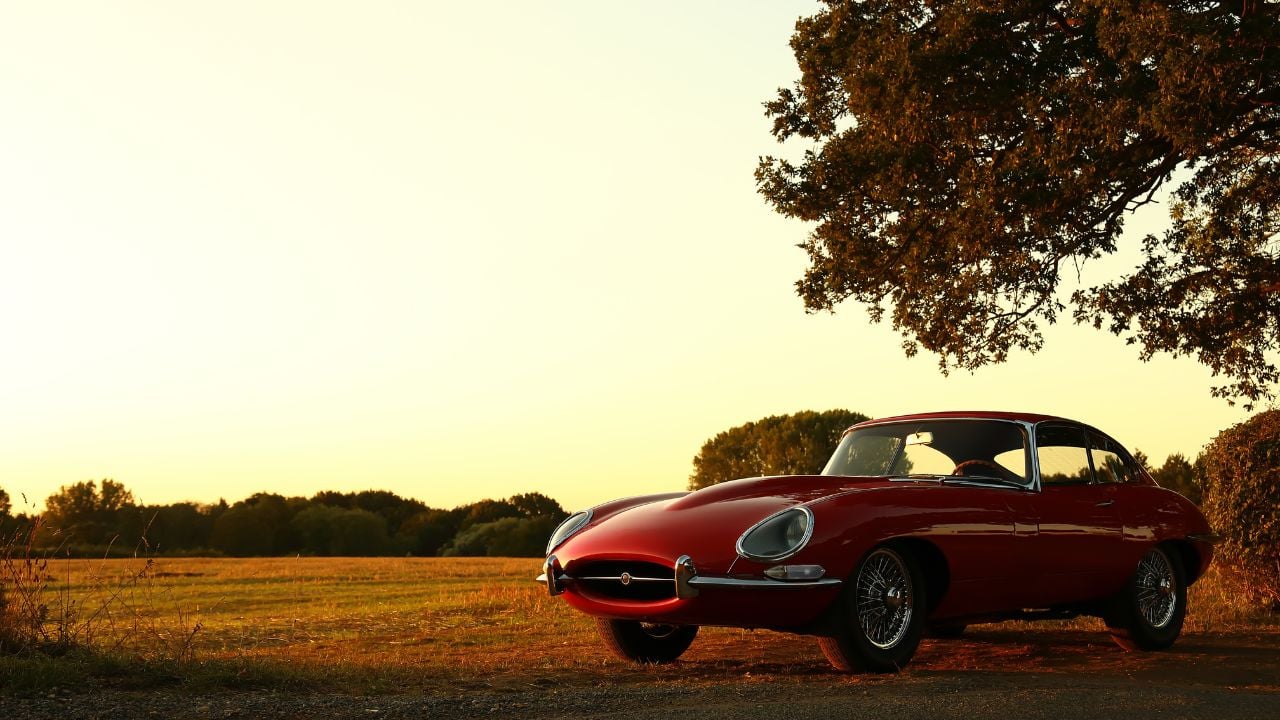
Enzo Ferrari called the E-Type “the most beautiful car ever made,” which was basically the automotive equivalent of Michelangelo complimenting your finger painting. The E-Type offered supercar performance at a fraction of the price of Italian exotics (and looked gorgeous while doing it), which must have made Ferrari owners feel pretty stupid about their purchase decisions.
The 3.8-liter inline-6 produced 265 hp and could push the E-Type to 150 mph, making it faster than most Ferrari and Aston Martin models costing twice as much. The independent rear suspension was advanced for the era, and the four-wheel disc brakes were practically revolutionary when most “sports cars” were still using drums.
The interior combined British luxury with actual functionality, which was apparently a rare combination in 1960s sports cars. Real gauges, comfortable seats, and controls that actually worked, revolutionary concepts for British automotive manufacturing.
The E-Type’s influence on automotive design is still visible today. Every modern sports car with a long hood and flowing lines owes something to this Jaguar. The fact that it was also reliable enough for actual daily use (shocking for a British car) just made it more impressive.
The Series 1 E-Type is still considered one of the most beautiful cars ever made, which is impressive considering it was shaped with math, slide rules, and wind tunnel testing long before modern CAD and CFD became common. Sometimes genius just happens.
Volvo 240

The 240 looked like it was designed by Swedish furniture makers who’d never seen a car before, but it revolutionized automotive safety in ways that manufacturers are still copying. Those boxy proportions weren’t just Swedish aesthetic choices; they were the result of prioritizing occupant protection over style, which was apparently a radical concept.
The reinforced passenger cage, crumple zones, and energy-absorbing steering column made the 240 one of the safest cars on the road. Volvo even gave away its three-point seatbelt patent for free because they believed safety was more important than profit, which must have confused American executives who were still fighting safety regulations.
The B21 four-cylinder engine was bulletproof, the overdrive transmission was smooth, and the suspension provided a comfortable ride without completely destroying handling. It wasn’t exciting, but it was competent in every measurable way, which was more than most cars could claim.
The 240 sold for nearly two decades with minimal changes because Volvo had apparently figured out how to build cars correctly the first time. Compare that to American manufacturers who were redesigning their cars every three years and somehow making them worse each time.
Modern Volvo owners love to talk about Swedish safety innovation while driving SUVs that are statistically more dangerous than the sedans they replaced. The 240 proved that safety could be a selling point; modern Volvos prove that marketing can overcome physics.
Lancia Stratos

The Stratos was built for one purpose: to dominate rally racing. Everything else was secondary, which resulted in a car so focused and uncompromising that it made contemporary sports cars look like luxury cruisers designed by committee.
The 2.4-liter Ferrari Dino V6 produced 190 hp in a car that weighed less than 2,200 pounds. The short wheelbase and wide track made it incredibly agile, though also genuinely difficult to drive for anyone who wasn’t a professional rally driver. This wasn’t a car for posers – it would actively try to kill you if you didn’t respect it.
The wedge-shaped body was pure function over form, designed to slip through forests at ridiculous speeds while providing maximum visibility for the driver. The interior was stripped down to essentials: seats, steering wheel, gauges, and not much else. Air conditioning was for people who drove boring cars.
The Stratos won the World Rally Championship three consecutive years and established Lancia as the most successful rally manufacturer in history. It proved that building a car for a specific purpose, rather than trying to please everyone, could result in something truly special.
Modern rally cars are safer, faster, and more sophisticated, but none of them look as cool as a Stratos flying through the air over a Finnish forest jump. Sometimes, style points actually matter.
Porsche 959

The 959 was Porsche’s answer to the question, “What if we built a car using every advanced technology we can think of?” The result was a machine so ahead of its time that most of its innovations wouldn’t become common until the 2000s.
The twin-turbocharged flat-six produced 444 hp, but the real innovation was the sophisticated all-wheel-drive system that could vary torque distribution between the front and rear axles. Active aerodynamics adjusted the car’s downforce based on speed, and the tire pressure monitoring system was so advanced that most modern cars still don’t match it.
The 959 could accelerate to 60 mph in 3.6 seconds and reach 197 mph, putting it among the fastest production cars in the world in the mid-1980s. More impressively, it was civilized enough for daily driving while being capable of winning the Paris-Dakar Rally, which it did in 1986.
Porsche lost money on every 959 it built because the technology was so expensive to develop and manufacture. They built 292 examples anyway because sometimes engineering excellence matters more than profit margins, a concept that apparently died with the 1980s.
The 959 proved that supercars could be sophisticated and usable instead of just fast and fragile. Modern supercars with AWD, active aero, and adaptive suspension are all following the template Porsche established with the 959.
Alfa Romeo Montreal
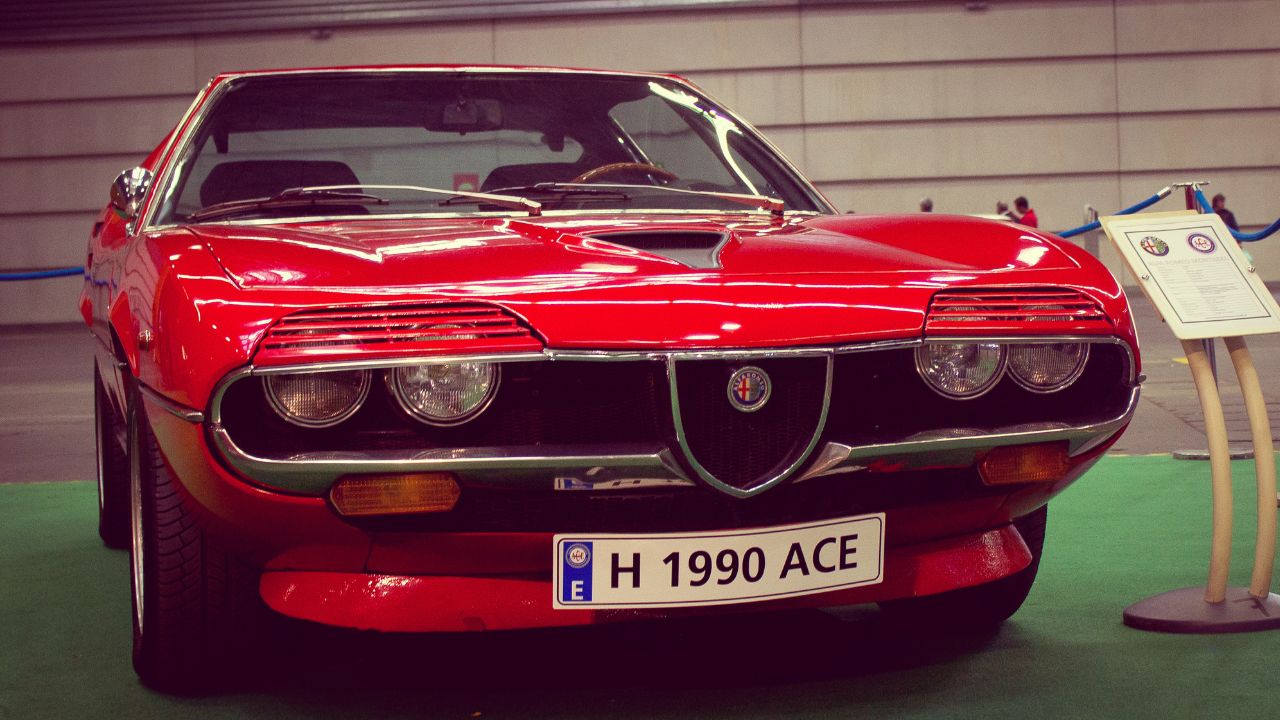
The Montreal was what happened when Alfa Romeo decided to build a proper GT car without worrying about what anyone else thought. The design was pure Italian artistry, aggressive front grille, hidden headlights, and proportions that looked right from every angle.
The 2.6-liter V8 was derived from Alfa Romeo’s Tipo 33 racing engine family and adapted for street use, while still producing about 200 hp. This wasn’t just a pretty face; the Montreal could genuinely perform, with handling that reminded you why Italian sports cars had such devoted followings.
The interior combined Italian style with actual functionality, which was apparently possible when designers cared about both form and function. The instruments were clearly visible, the controls actually worked, and the seats were comfortable enough for real driving.
The Montreal never achieved the commercial success of contemporary Porsches or Ferraris, but it influenced Italian sports car design for decades. Every modern Alfa Romeo that manages to look gorgeous while actually working owes something to the Montreal.
The tragedy is that most people remember Alfa Romeo for rusty Spiders and unreliable sedans instead of cars like the Montreal that proved Italian manufacturers could build world-class sports cars when they bothered to try.
Peugeot 205 GTI
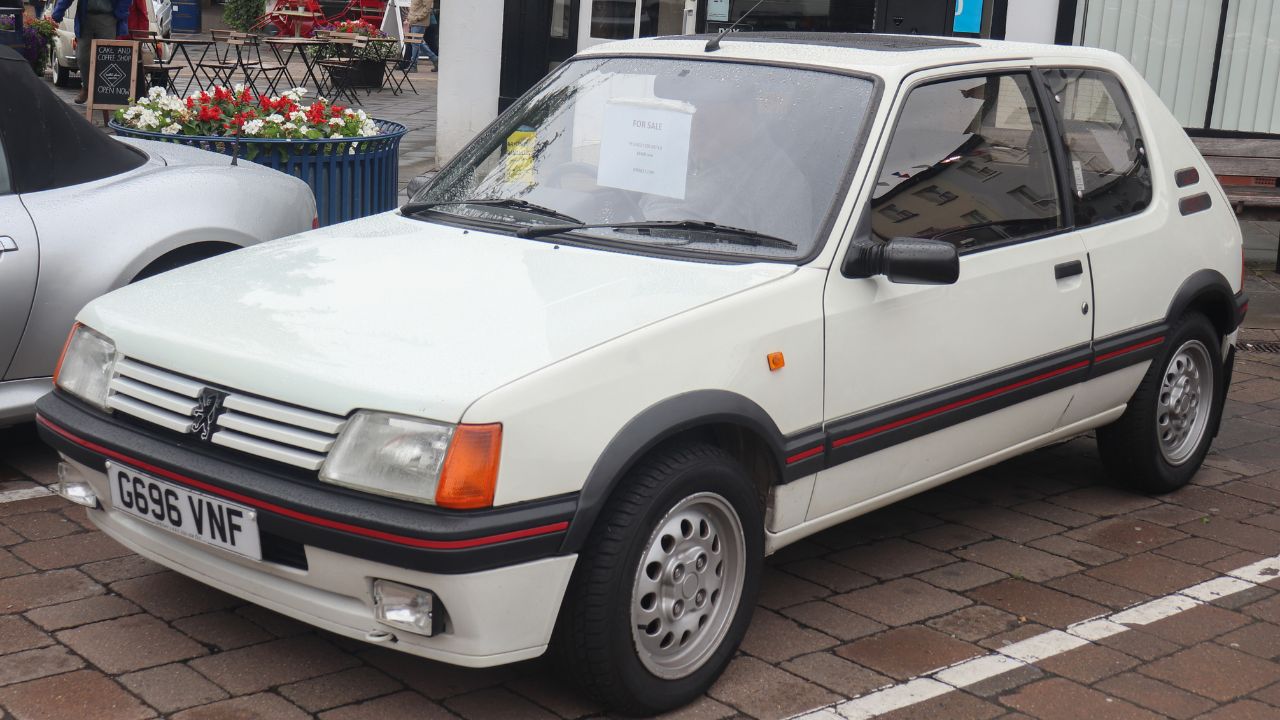
The 205 GTI took everything good about the original Golf GTI and somehow made it better. The 1.6-liter engine produced 115 horsepower in a car that weighed less than 2,000 pounds, creating a power-to-weight ratio that made it genuinely quick.
More importantly, the chassis tuning was absolutely perfect. The 205 GTI handled with a precision and playfulness that made driving it feel like a constant conversation between car and driver. The steering was perfectly weighted, the suspension balanced, and the brakes strong enough to match the performance.
The interior was typically French, quirky but functional, with enough style touches to remind you that this wasn’t just another economy car with a bigger engine. The dashboard layout actually made sense, which was apparently unusual for French cars of the era.
The 205 GTI created a generation of enthusiasts who still insist that modern hot hatches are too heavy, too complicated, and not as fun as the cars from the 1980s. They’re probably right, but they’re also annoying to argue with at car meets.
Modern Peugeot GTI models try to recapture the magic of the 205, but they’re fighting physics and safety regulations that make it impossible to build something as light and simple as the original. Sometimes progress isn’t actually progress.
Saab 900 Turbo
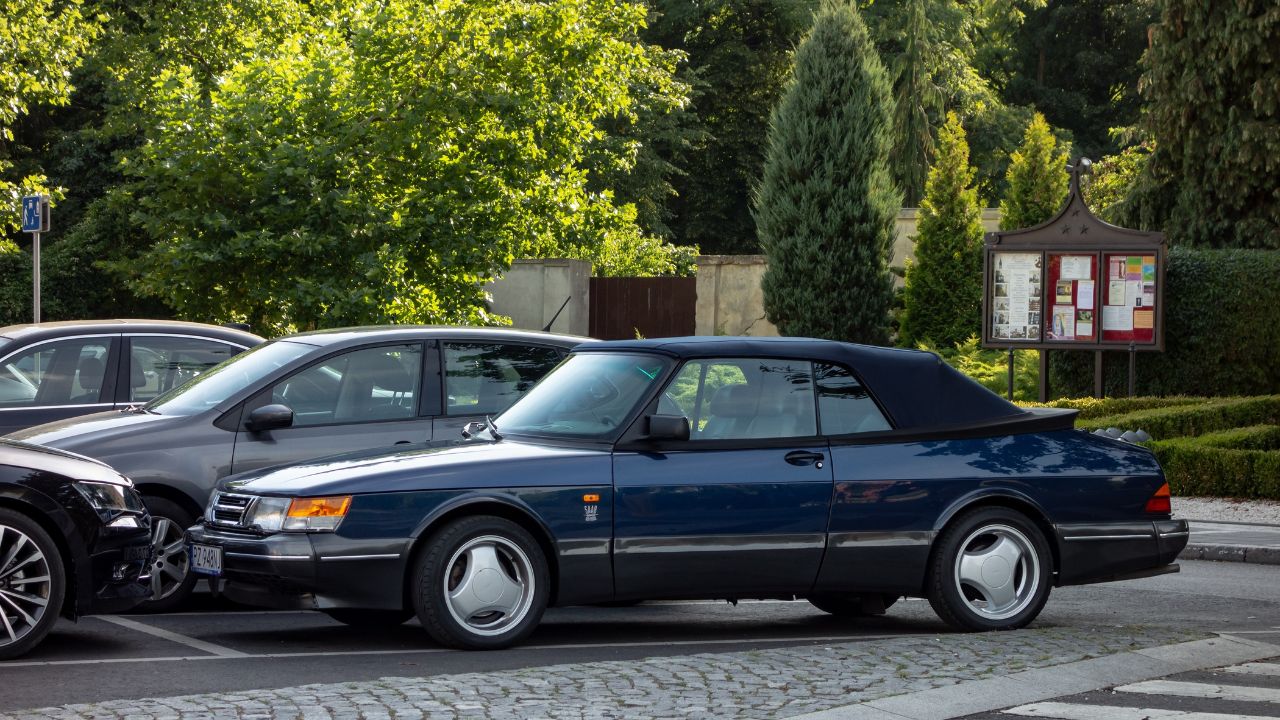
The 900 Turbo proved that turbocharging could be more than just a way to make engines blow up more efficiently. While American manufacturers were bolting turbos to everything and watching them explode, Saab actually engineered a system that worked reliably.
The 2.0-liter turbocharged four-cylinder produced 145 hp with a smooth power delivery that avoided the lag and surge problems plaguing other turbocharged cars. The key was Saab’s understanding that turbocharging was about improving overall performance, not just peak power numbers.
The interior felt like it was designed by aircraft engineers, which made sense because Saab actually built airplanes. The controls were logically arranged, the seats were supremely comfortable, and the overall ergonomics were years ahead of most cars.
The 900’s distinctive profile made it instantly recognizable, while the build quality was typical Scandinavian over-engineering. These cars lasted forever if you maintained them, though finding parts became increasingly difficult as Saab descended into corporate ownership trouble.
The 900 Turbo proved that Swedish engineers could build cars that were both practical and interesting, which was apparently a rare combination in the automotive world. Modern turbocharged cars owe their existence to Saab figuring out how to make forced induction actually work.
BMW i8
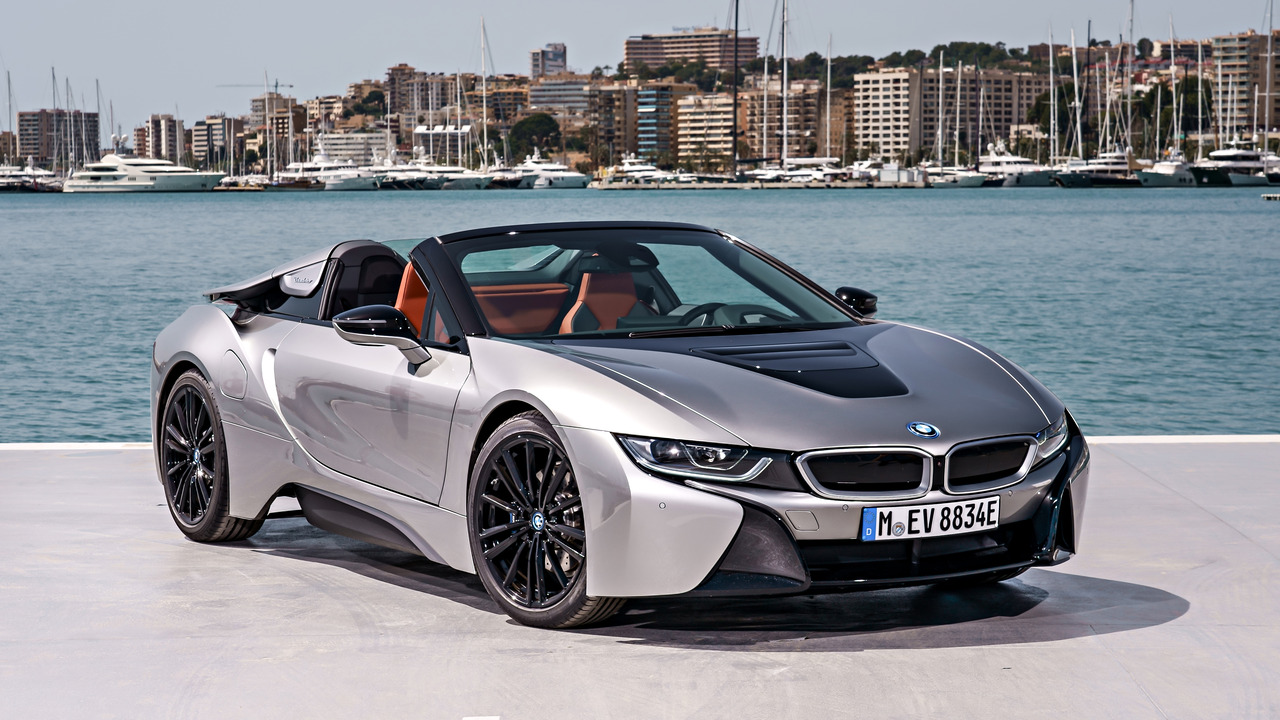
The i8 proved that hybrid technology didn’t have to mean boring by creating a plug-in hybrid that looked like it drove straight out of a science fiction movie. While Toyota was convincing people that saving gas meant driving the most boring car possible, BMW showed that efficiency could be exciting.
The combination of a 1.5-liter turbocharged three-cylinder and electric motors produced 357 horsepower total, but the real innovation was how seamlessly the systems worked together. The i8 could drive in pure electric mode for short distances or combine both power sources for genuine sports car performance.
The carbon fiber construction kept weight down while the exotic materials and construction methods showcased BMW’s technological capabilities. The dihedral doors were showy, of course, and they reinforced the i8’s science fiction vibe.
The interior looked appropriately futuristic without sacrificing functionality. The digital displays provided clear information, and the overall design felt special without being gimmicky.
The i8 failed commercially because it was too expensive for what it delivered and too weird for traditional BMW buyers. It proved that sometimes being ahead of your time means being ahead of your customers’ ability to understand what you’ve built.
When Risk Becomes History

Every car on this list represents a moment when European engineers decided that conventional wisdom was for people who lacked imagination. Some of these innovations became industry standards. Others remain curiosities that remind us how different the automotive world could have been.
The common thread isn’t just technical innovation, it’s the willingness to risk failure in pursuit of something genuinely better. These cars remind us that progress comes from people who are willing to be wrong in public, because being safe means never discovering what’s possible.
Modern car enthusiasts love to complain that cars aren’t as interesting as they used to be, but we tend to romanticize the past while ignoring how many truly terrible cars were built alongside these gems. The difference is that these European manufacturers occasionally had the courage to try something genuinely different, even when it meant confusing customers and critics.
The real question isn’t which of these cars you’d want to own; it’s whether modern manufacturers still have the courage to build something truly ahead of its time. Based on the current lineup of electric SUVs that all look identical, I’m not optimistic.
But hey, at least we can still argue about which of these classics was the most ahead of its time while driving our modern cars that are somehow both more advanced and less interesting than anything on this list. Progress is weird like that.