No city can be reduced to one grim number, and none of the places below are short on culture, history, or residents who care deeply about where they live. Even so, a few U.S. cities stand out right now for how hard ordinary life can feel once housing pressure, poverty, infrastructure strain, climate exposure, or public-safety stress all start stacking on top of each other.
This is not a neat worst-to-best ranking because the difficulty is not uniform. In one city, the main pressure is the cost of simply staying housed. In another, it is the added burden of flood risk or a basic-services system that has already failed publicly. Elsewhere, the challenge is the combination of low incomes and safety problems that never stay fully in the background.
The point is not to call any of these places hopeless. It is to identify cities where current data suggests daily stability can be unusually hard to build or protect. A skyline, a good food scene, or visible redevelopment does not cancel out rent burden, infrastructure trouble, or neighborhood-level strain.
What follows is a list of cities where those pressures look especially hard to ignore right now. Some are punishing because they cost too much. Some are punishing because the margin for error is too thin. A few manage to be both at once.
1. Honolulu, Hawaii
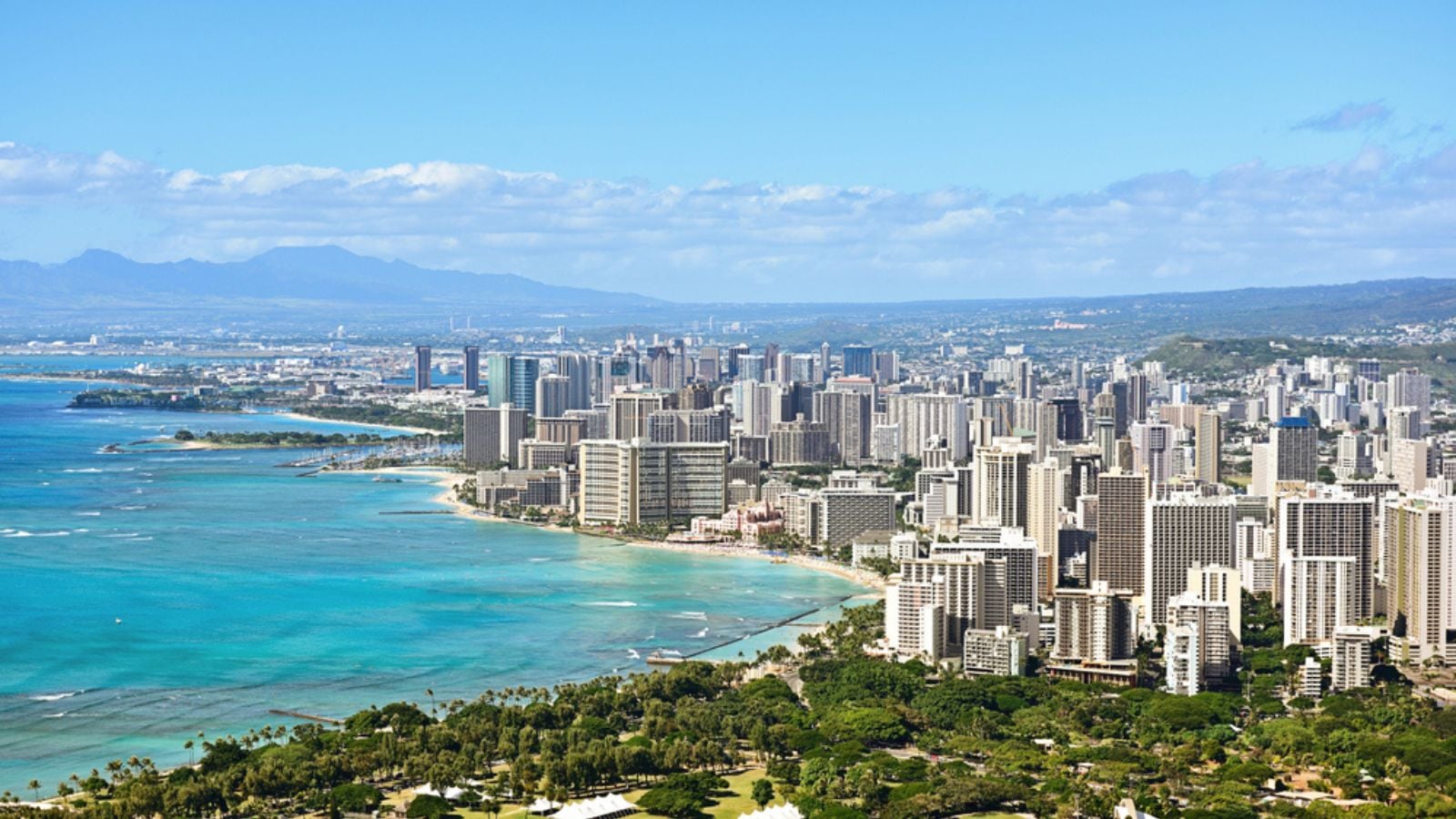
Honolulu makes a list like this for one overwhelming reason: cost. Census QuickFacts for Honolulu County puts median gross rent at $2,083, median owner-occupied home value at $897,500, and median monthly owner costs with a mortgage at $3,111. Median household income is higher than in many mainland cities, but the housing math is still brutally steep.
The wider Oʻahu picture helps explain why the squeeze feels so relentless. Honolulu’s annual land-use report says 27% of renters on Oʻahu are severely cost-burdened, and the Hawaiʻi Housing Factbook 2025 says the gap between a typical mortgage payment and rent in Honolulu County is nearly $3,000 per month. Middle-class stability can look far more fragile here than the postcard image suggests.
2. Miami, Florida
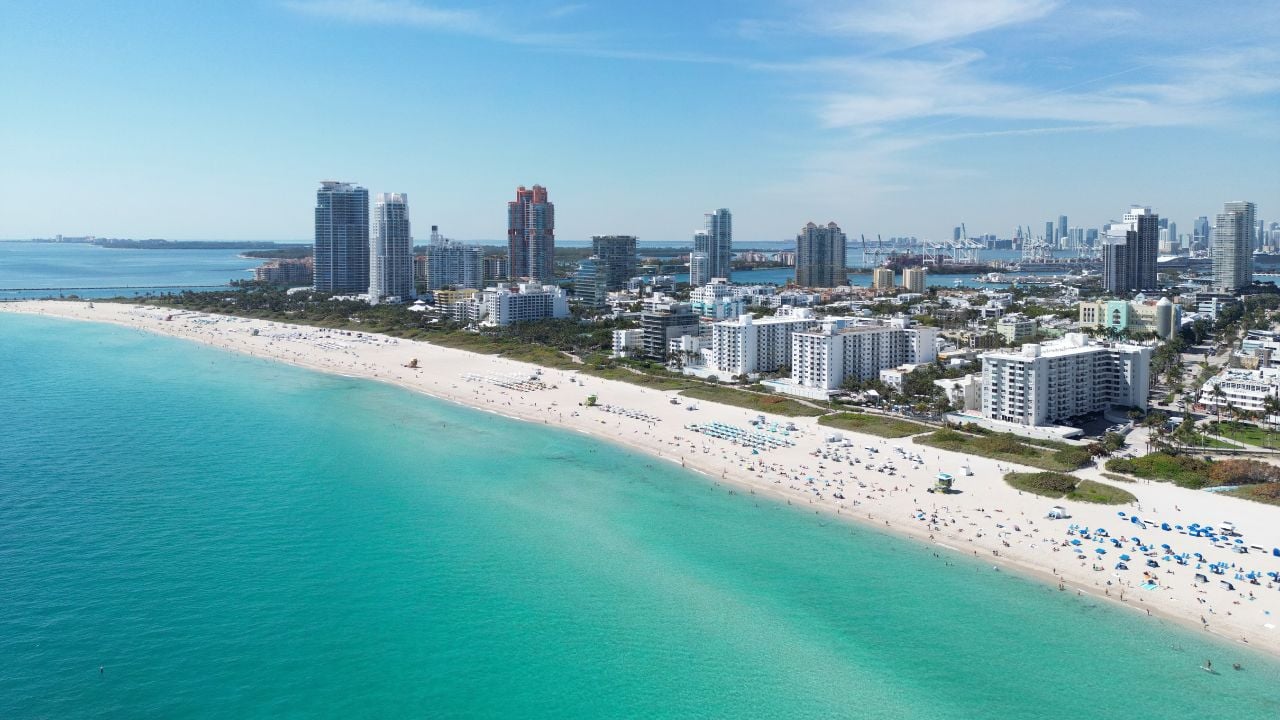
Miami is difficult in a more layered way because housing stress and climate exposure sit on top of each other. Census QuickFacts for Miami puts median household income at $62,462, median gross rent at $1,758, median monthly owner costs with a mortgage at $2,863, and poverty at 19.4%. Those numbers already leave a lot of residents exposed before insurance, storms, and long-term flood risk enter the conversation.
Climate pressure makes the city harder to treat as a simple sunshine market. Miami-Dade’s flood zone maps and FEMA’s flood-map guidance make clear that hazard planning is part of ordinary life here, not an occasional concern. In a city where affordability is already stretched, recurring flood exposure adds one more cost, one more uncertainty, and one more reason daily life can feel harder than the skyline implies.
3. New Orleans, Louisiana
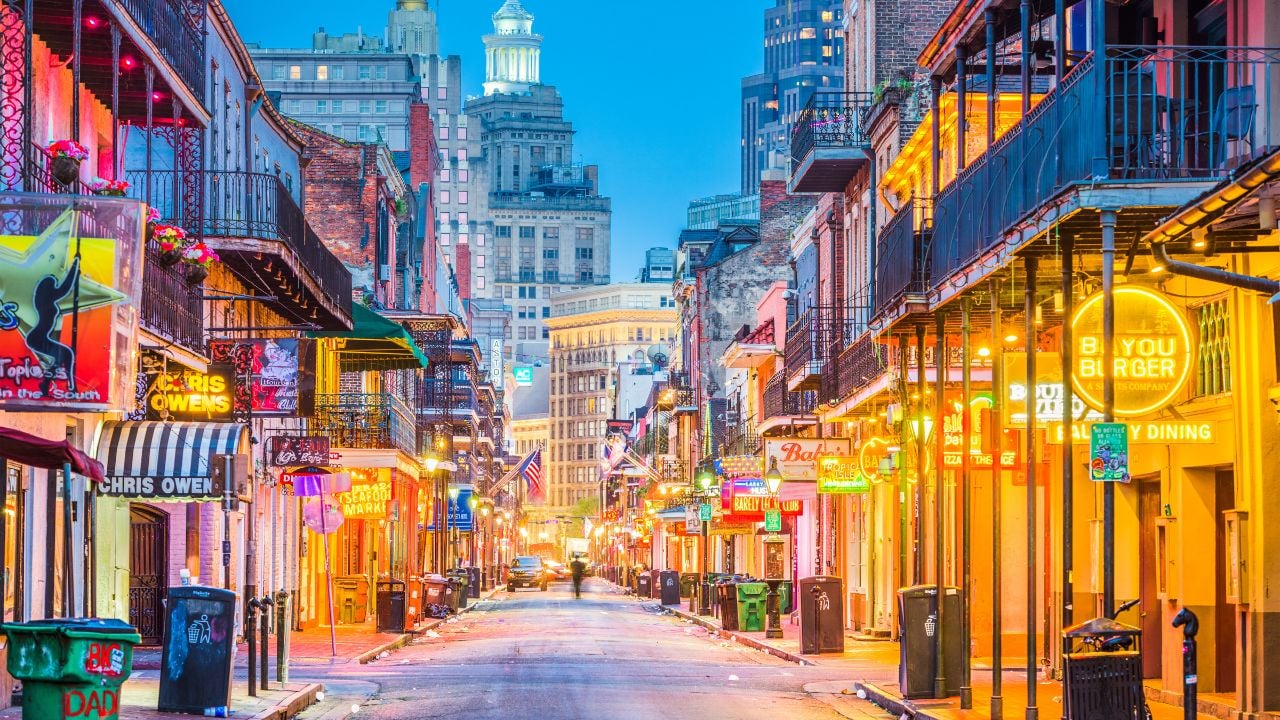
New Orleans remains one of the most culturally magnetic cities in America, but everyday stability is harder here than the city’s charm can sometimes hide. Census QuickFacts puts poverty at 22.6%, while the city’s population was down 5.6% from April 2020 to July 2024. Those are not small warning lights.
Climate makes the pressure heavier. New Orleans’ own sustainability office says the city faces major threats from extreme heat, flooding, rising seas, and habitat loss. When a place is already dealing with high poverty and population decline, environmental risk stops being abstract and starts shaping what it costs to stay, insure property, and plan any kind of stable future.
4. Jackson, Mississippi
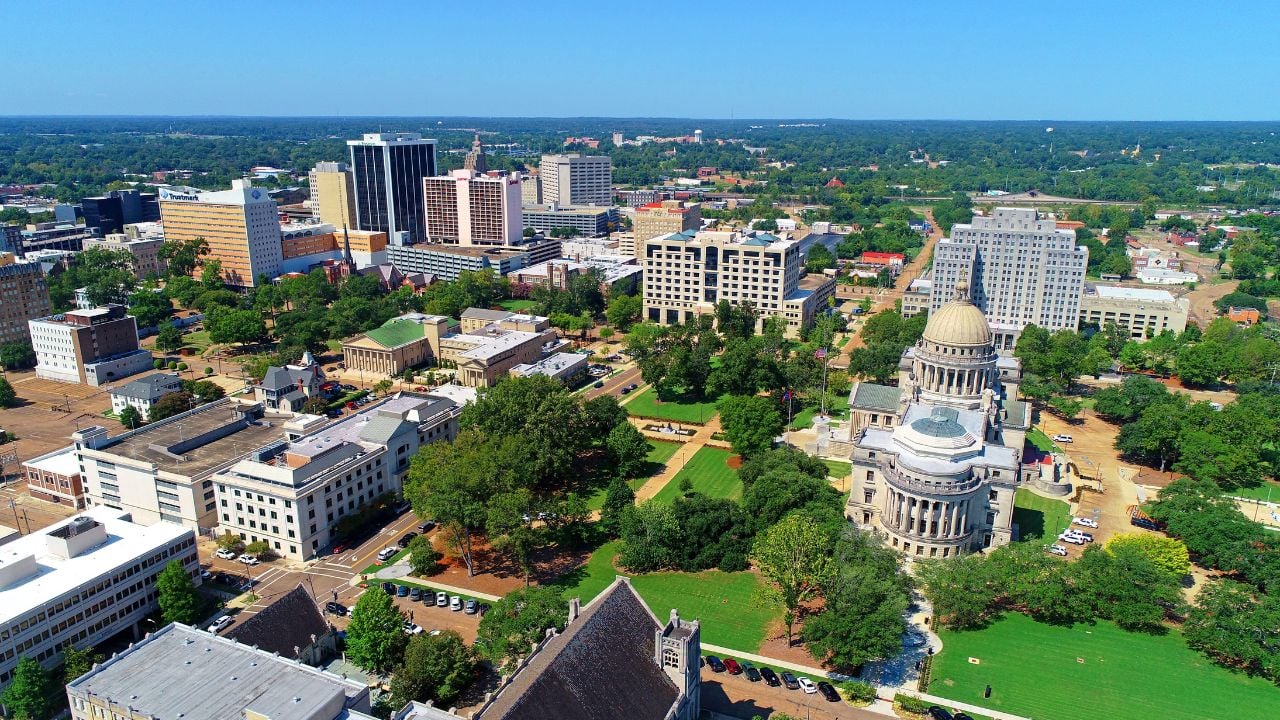
Jackson’s numbers are harsh before you even get to the water system. Census QuickFacts shows a median household income of $42,071 and a poverty rate of 27.9%, which is extremely high for a state capital. Those figures alone make the city a hard place for many families trying to move forward.
The infrastructure story is what pushed Jackson into national focus, and it still matters. EPA’s Jackson water page says the city’s drinking-water crisis was severe enough to trigger federal court action and the appointment of a third-party manager, while JXN Water still defines itself through that court-ordered takeover. When a city becomes known for unreliable safe water, the problem is no longer civic embarrassment. It is a basic-services emergency.
5. Memphis, Tennessee

Memphis is one of those cities where improvement and hardship are both true at the same time. The 2025 Memphis Poverty Fact Sheet says city poverty is 24.0% and child poverty is 38.8%, while Census QuickFacts still puts citywide poverty above 23%. Those are the kinds of numbers that make every other problem harder to absorb.
Public safety remains part of the strain even with real progress. Memphis Police said in January 2026 that violent crime in 2025 was down 30% from 2023. That is meaningful improvement, but it also tells you how severe the recent baseline had become. Memphis is still a city where recovery and pressure are happening at the same time.
6. Detroit, Michigan
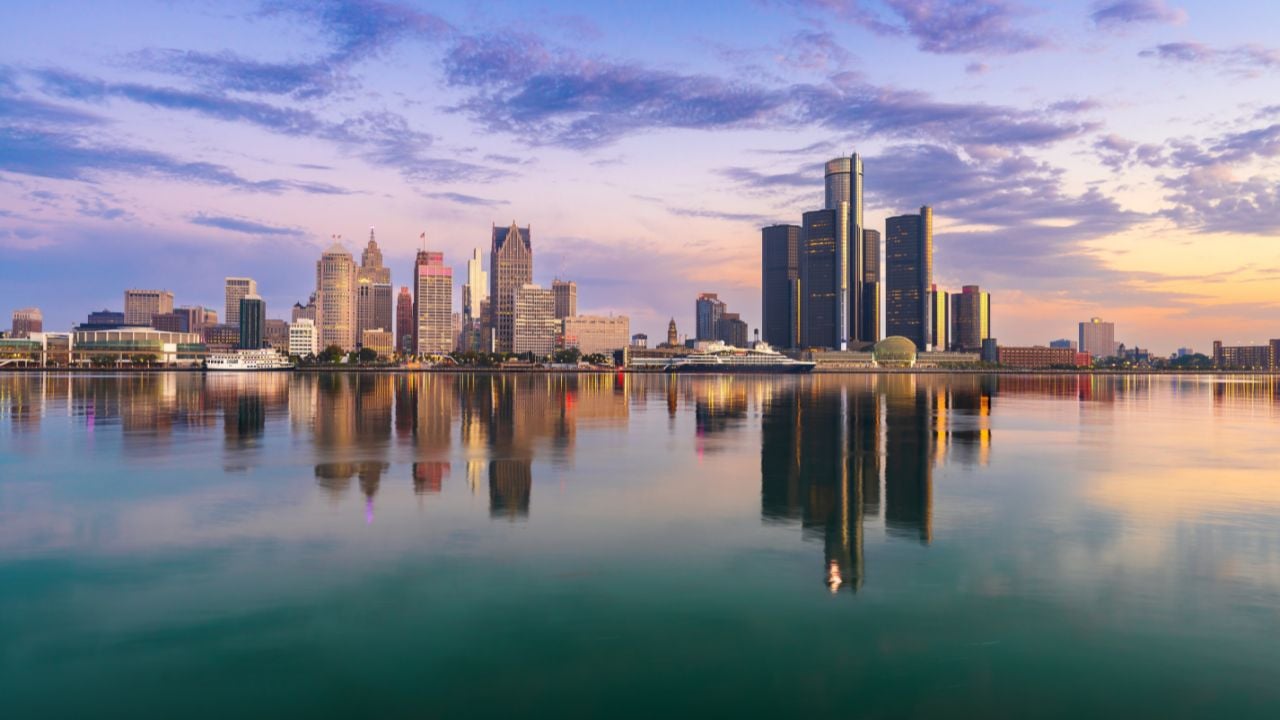
Detroit has improved in visible ways over the last decade, but the city still carries some of the harshest socioeconomic numbers in the country. Census QuickFacts shows a median household income of $39,938 and a poverty rate of 32.7%. Numbers like those make almost every other problem harder to solve, from transportation to home repair to ordinary household stability.
City housing research adds another layer. Detroit’s Housing Data Report says the city faces a widening affordability gap for households at 30% of area median income or less, and the Pro Housing Action Plan says 59% of Detroit households spend more than 30% of income on housing, while 21% spend more than 50%. Visible momentum is real. So is the difficulty of everyday life for a very large share of the city.