Some performance cars never have to fight for their place in history. Their names stay loud, their posters stay on walls, and every new generation of enthusiasts learns the same stories by heart. Others take a stranger path. They arrive with real pace, real personality, and the right hardware, then gradually slip into the background while louder or better-timed rivals keep the spotlight.
That second group is often more interesting. These are not fake forgotten cars, and they are not sentimental picks carried by sound alone. They were properly quick machines, in several cases seriously quick, yet they ended up filed away under the wrong reputation, the wrong badge, or the wrong moment.
Some were too subtle. Some belonged to brands that disappeared or changed direction. Some launched into crowded segments where the public had already chosen its heroes. A few simply asked buyers to appreciate something a little less obvious than retro styling or motorsport mythology.
All of them deserve a longer memory than they got. Seen together, they make a strong case that V8 performance history was never built only by the cars everyone still talks about. It was also built by the ones that landed hard, impressed the people who drove them, and somehow never got the legacy they earned.
What Counted Here
This is not a list of every V8 performance car people still romanticize every weekend. The obvious icons were left out on purpose. To make the cut, a car needed a factory V8, real performance credibility, and a reputation that now feels smaller than the machine itself ever deserved.
That leaves a useful mix of orphaned brands, short-run halo cars, supersedans buried by louder rivals, and polished sleepers that never turned into mainstream legends. Some are coupes, some are sedans, but they all share the same basic story. They were fast enough to matter, interesting enough to last, and easier to overlook than they should have been.
2005 To 2006 Pontiac GTO
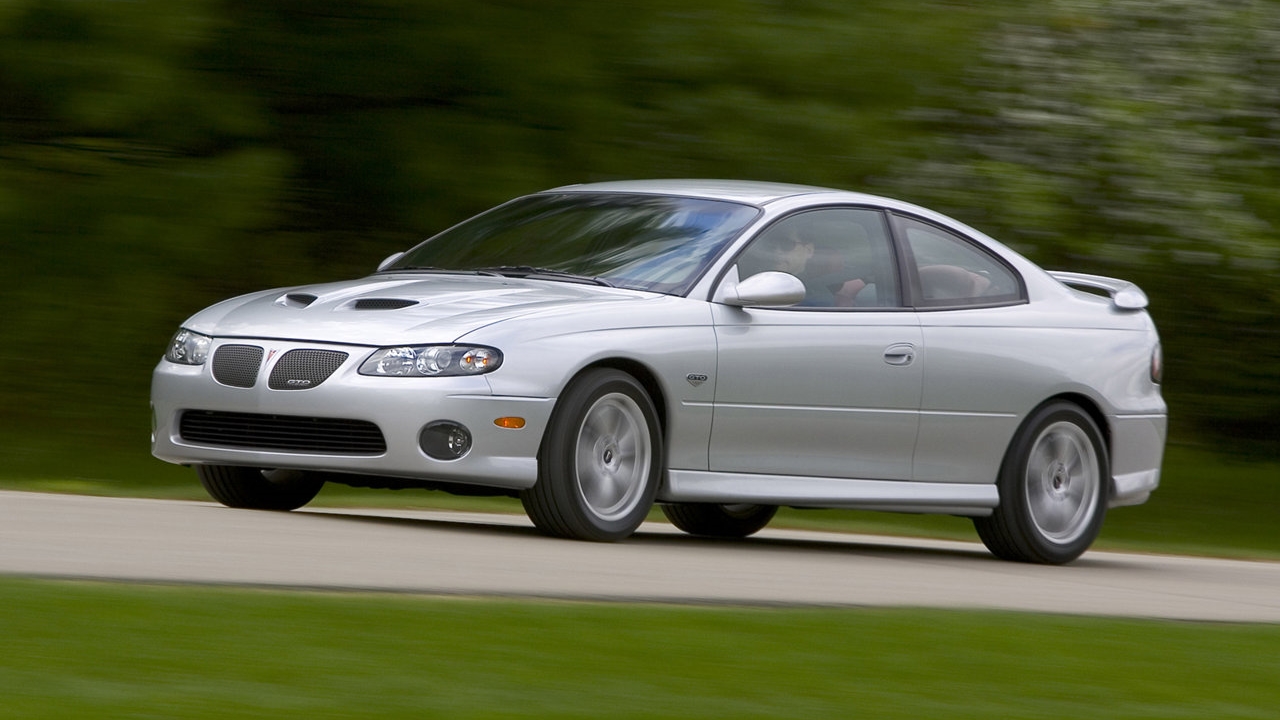
The later GTO is still one of the best examples of a car losing the image battle while winning the mechanical one. By 2005, Pontiac had given the Australian-built coupe a 400-horsepower LS2 V8 and the pace to back up the badge. It was fast enough to make the styling debate look a little silly then, and even sillier now.
That styling debate never really went away. A lot of buyers wanted nostalgia in capital letters, and the GTO arrived looking calm, clean, and almost deliberately untheatrical. Underneath, though, it was the real thing. That contrast is exactly why it fits here so well. It was a serious V8 coupe hiding inside a shape too restrained for its own good.
2009 Pontiac G8 GXP
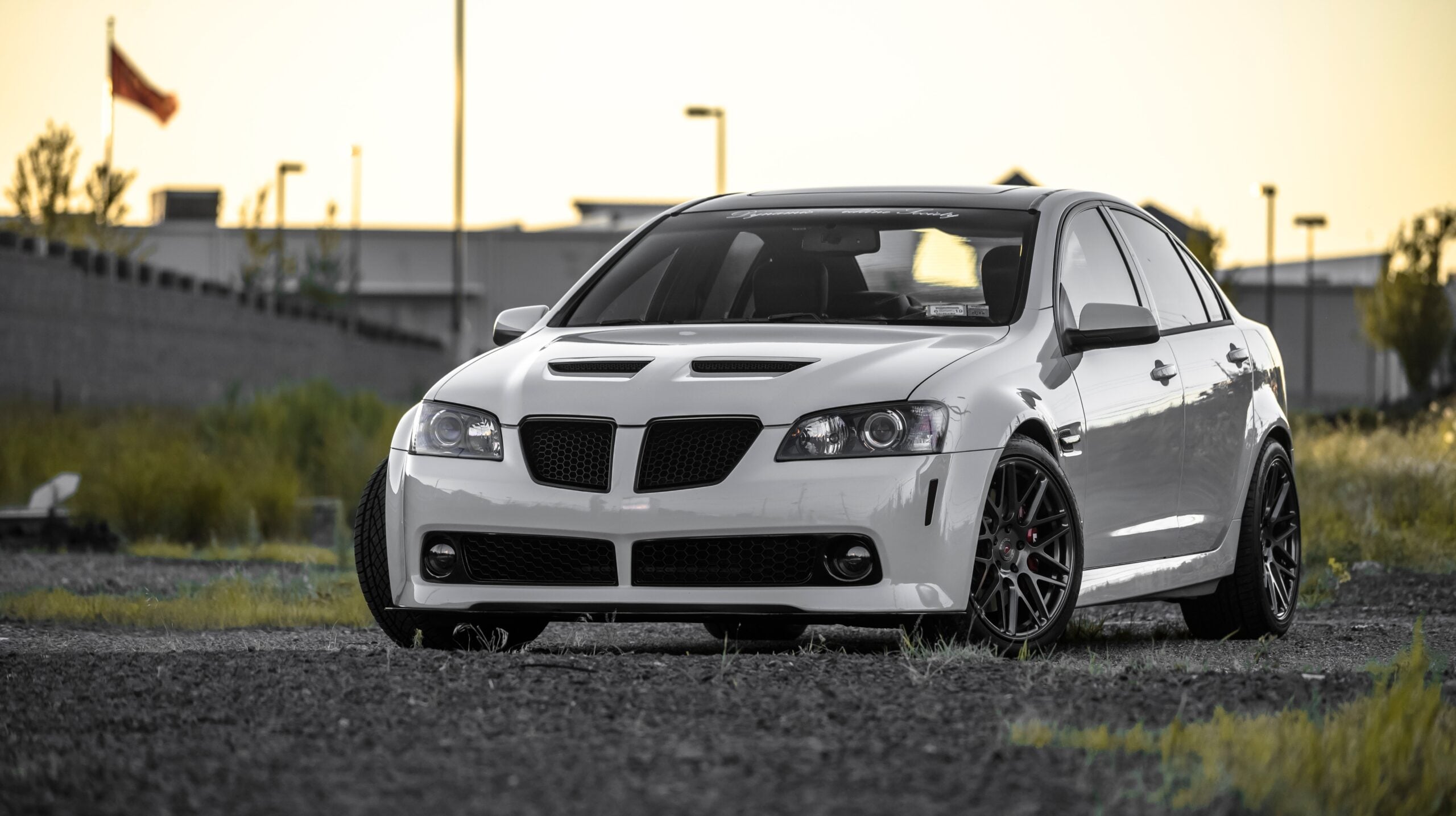
The G8 GXP had almost everything an enthusiast could ask for: a 415-horsepower LS3 V8, rear-wheel drive, available manual transmission, and a chassis good enough to make the whole package feel more sorted than many people expected from a late Pontiac. It arrived with proper credentials and almost no time to build a lasting public identity.
That is a big part of its appeal now. The GXP feels like a great performance sedan interrupted mid-sentence. Pontiac vanished, the car’s run ended almost immediately, and what should have become a major modern American sports sedan instead turned into a ghost story enthusiasts pass around to each other. The performance was never the issue. Timing was.
2006 To 2009 Cadillac STS-V
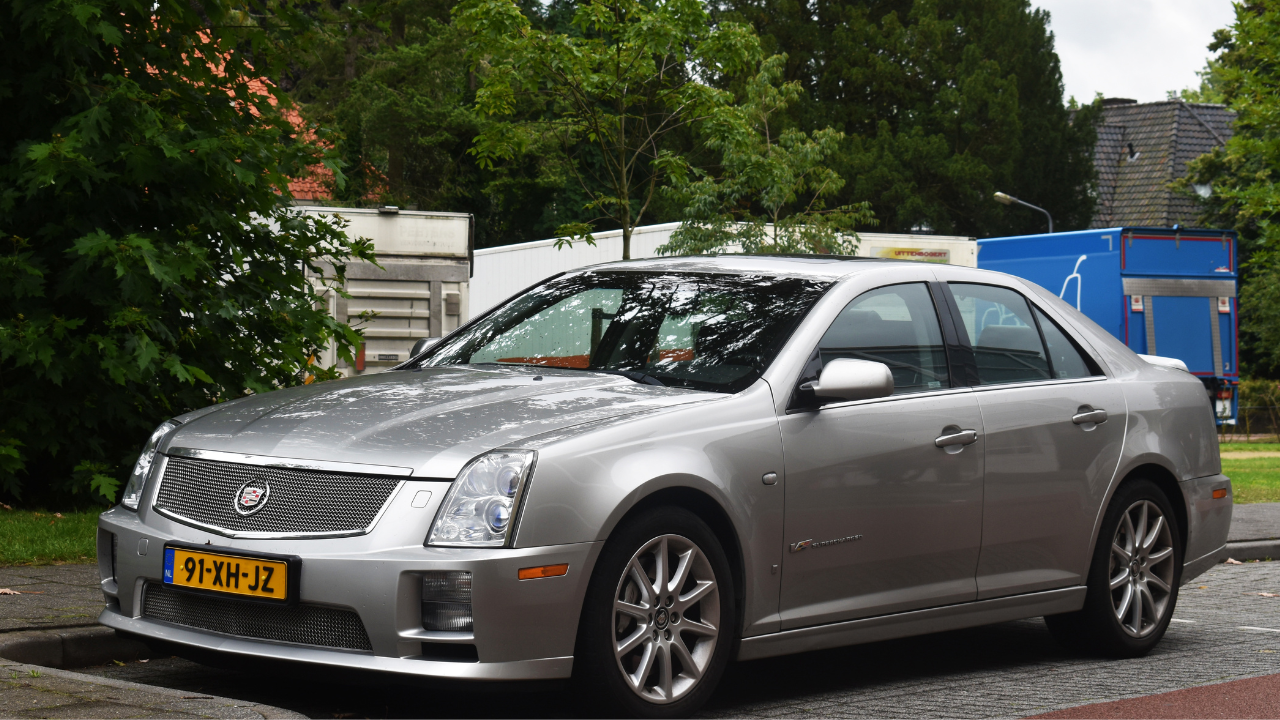
The STS-V will probably always live in the shadow of the CTS-V, and that is precisely why it belongs here. Cadillac’s larger supersedan packed a supercharged 4.4-liter Northstar V8 and enough power to make it something far more interesting than a dressed-up luxury four-door. It was quick, expensive, and unusually ambitious.
The STS-V never became a signature performance icon because the smaller, more riotous CTS-V was easier to market and easier to mythologize. The bigger car got stranded in a less flattering historical lane, too polished to become a cult hot rod and too unusual to become the default Cadillac hero. That is a shame, because it still feels like one of the more intriguing American supersedans of its era.
2007 Mercedes-Benz CLS63 AMG
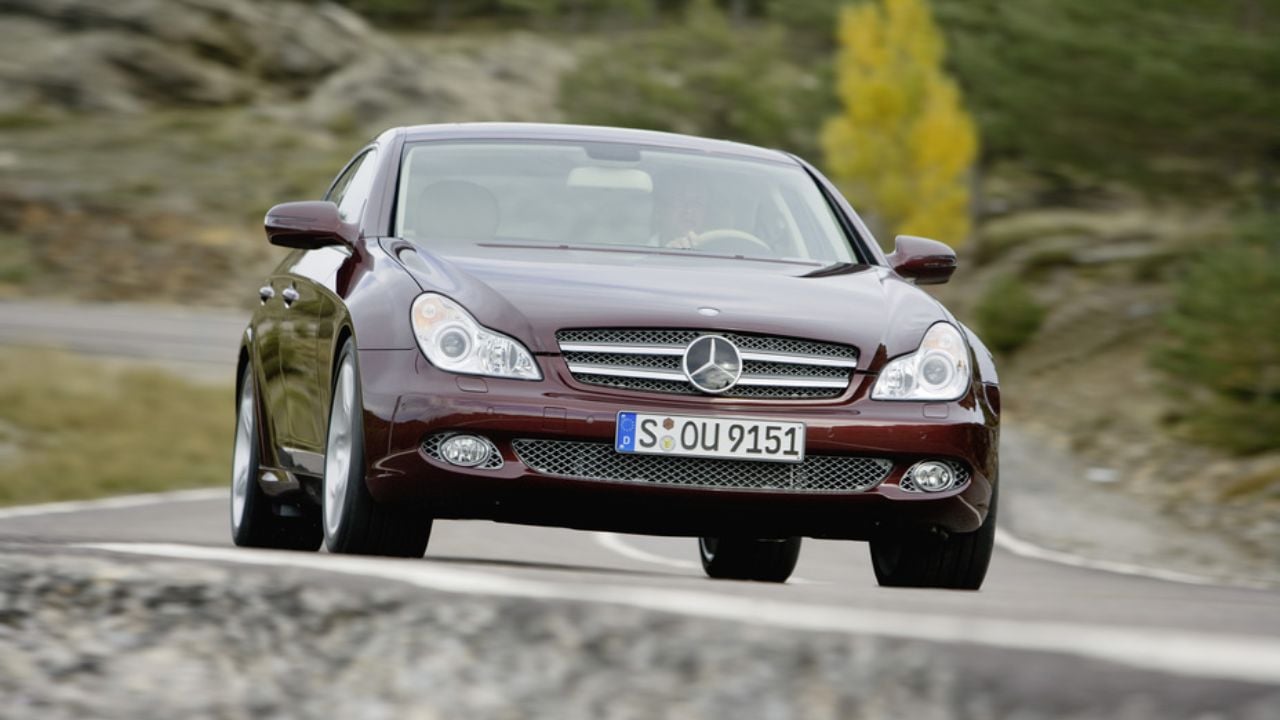
The first CLS63 AMG did more than arrive with a huge naturally aspirated V8. It helped make the whole four-door-coupe idea feel like a real performance category instead of a design exercise. With AMG’s 6.2-liter V8 under its long hood, the car had speed to match the shape and enough violence in reserve to make its sleek bodywork feel almost deceptive.
That is what still makes it so appealing. The CLS63 was influential, fast, and packed with one of AMG’s great engines, yet it often gets treated like a stylish side branch instead of one of the key cars in the modern AMG story. It deserves better than that. This was not just a handsome curiosity with a loud exhaust. It was one of the cars that helped redraw what a performance luxury sedan could look like.
2006 To 2010 Chrysler 300C SRT8

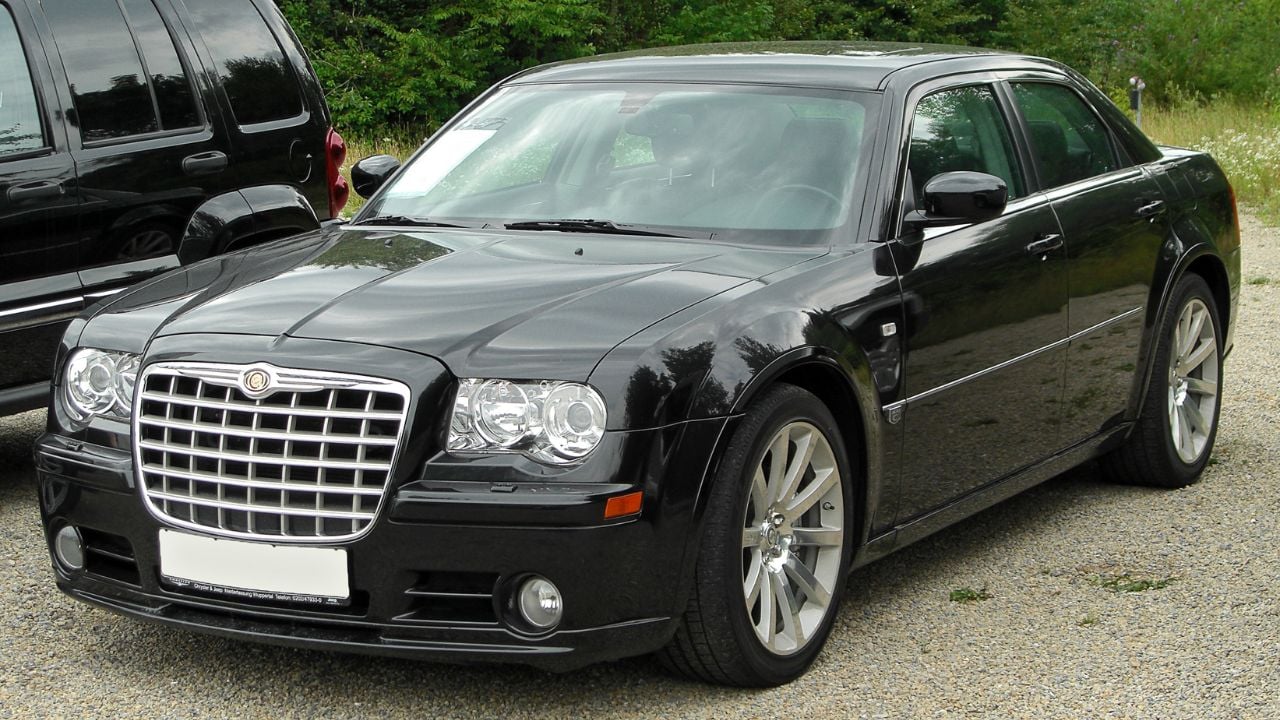
The 300C SRT8 always had presence. That part was obvious. What fades a little too easily now is how serious the car actually was once the stopwatch came out. Chrysler gave it a 425-horsepower 6.1-liter Hemi V8 and enough straight-line force to run with performance sedans that wore much more expensive badges.
Its image hardened over time into something almost cartoonishly muscle-bound, which has made it easy for people to remember the attitude and forget the pace. That sells the car short. The 300C SRT8 was not just a cool-looking bruiser. It was a genuinely quick one, and one of the clearest examples of Detroit building a big sedan with absolutely no interest in subtlety.
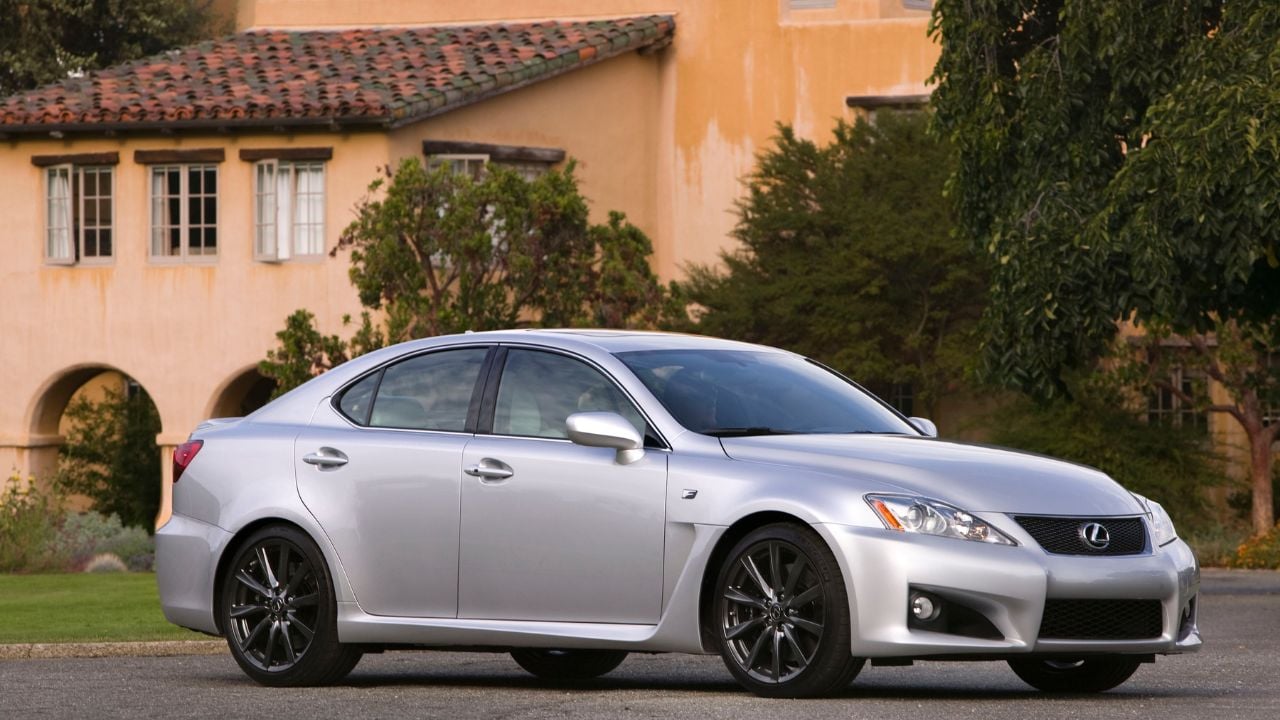
2008 To 2014 Lexus IS F
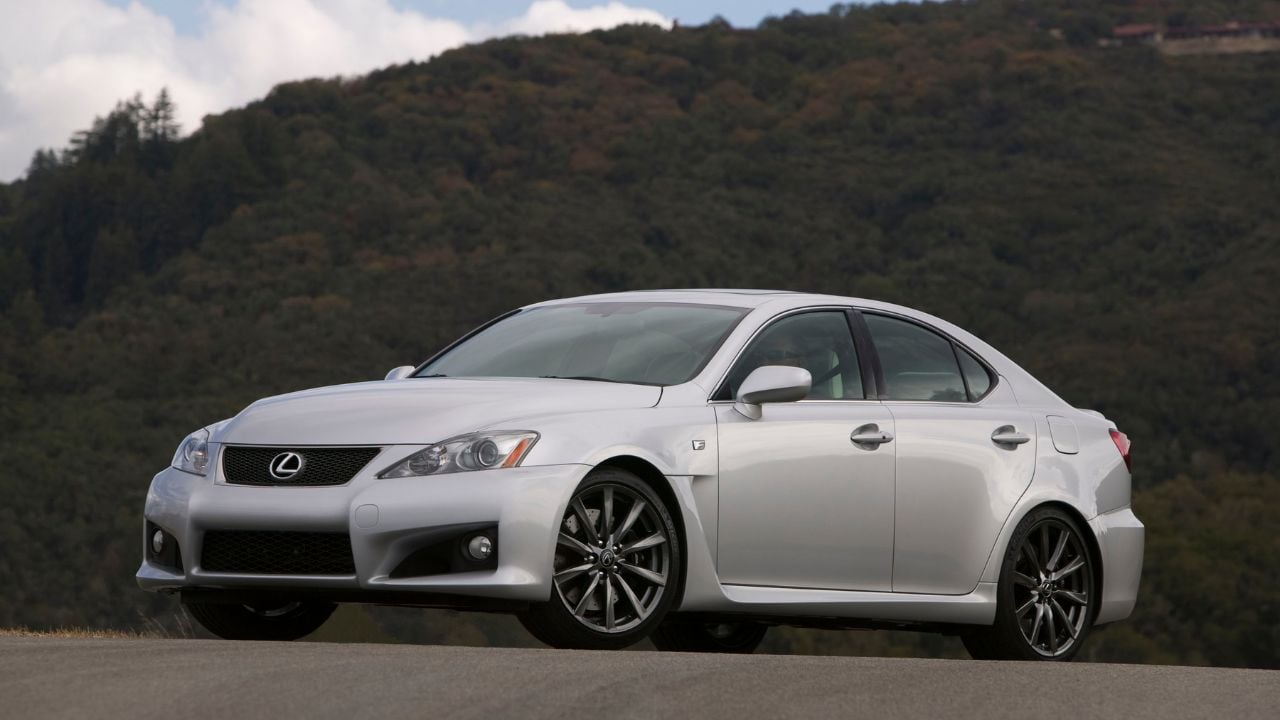
The IS F had a difficult job from day one. Lexus was trying to punch into a fight already dominated by German sports sedans with far more established performance identities. The car itself, though, was no half-step. It came with a 416-horsepower 5.0-liter V8, real speed, and a sharper edge than the brand’s reputation prepared many people for.
That mismatch has kept the IS F in a slightly awkward place ever since. It was too serious to be dismissed as a novelty, but it never became the default answer in its class either. That leaves it sitting in a very interesting historical pocket now: a proper V8 sports sedan with a great engine, real pace, and far less long-term recognition than a car like this usually earns.
2010 To 2015 Jaguar XFR
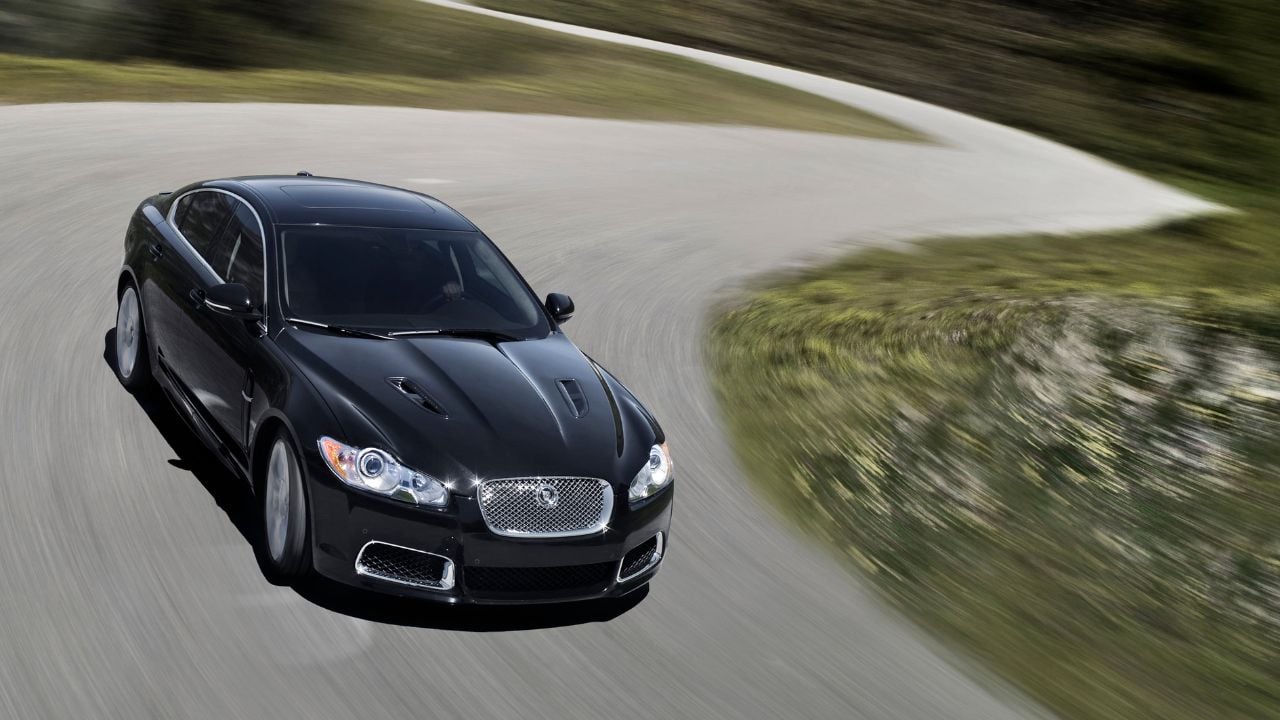
The XFR should be mentioned much more often than it is. Jaguar gave the XF a supercharged V8 with 510 horsepower and the sort of acceleration that turns a handsome luxury sedan into a real threat. It was fast enough to be taken seriously by anyone paying attention and smooth enough to do the job without ever looking desperate.
That probably worked against it a little. The XFR came from a brand still more closely associated with grace than blunt-force pace, so even when it was new it felt like a car people discovered rather than one they were trained to revere. In another badge, or another market mood, it might have become a constant reference point. Instead it became one of the great forgotten hammers of the modern supersedan era.
2011 To 2013 Infiniti M56S

The M56S is almost a perfect fit for this theme because even enthusiasts sometimes need a second to remember it existed. Infiniti put a 420-horsepower 5.6-liter V8 into its midsize luxury sedan and quietly built one of the quicker cars in its price class. It had muscle, a real sense of shove, and almost none of the cultural protection that helps cars like this stay in public memory.
That is what makes it so interesting now. The M56S never had German prestige, old-school American swagger, or a famous performance sub-brand doing the storytelling for it. It was just a very fast Infiniti, which turned out to be both its charm and its problem. The hardware was far better than the market’s memory of it.
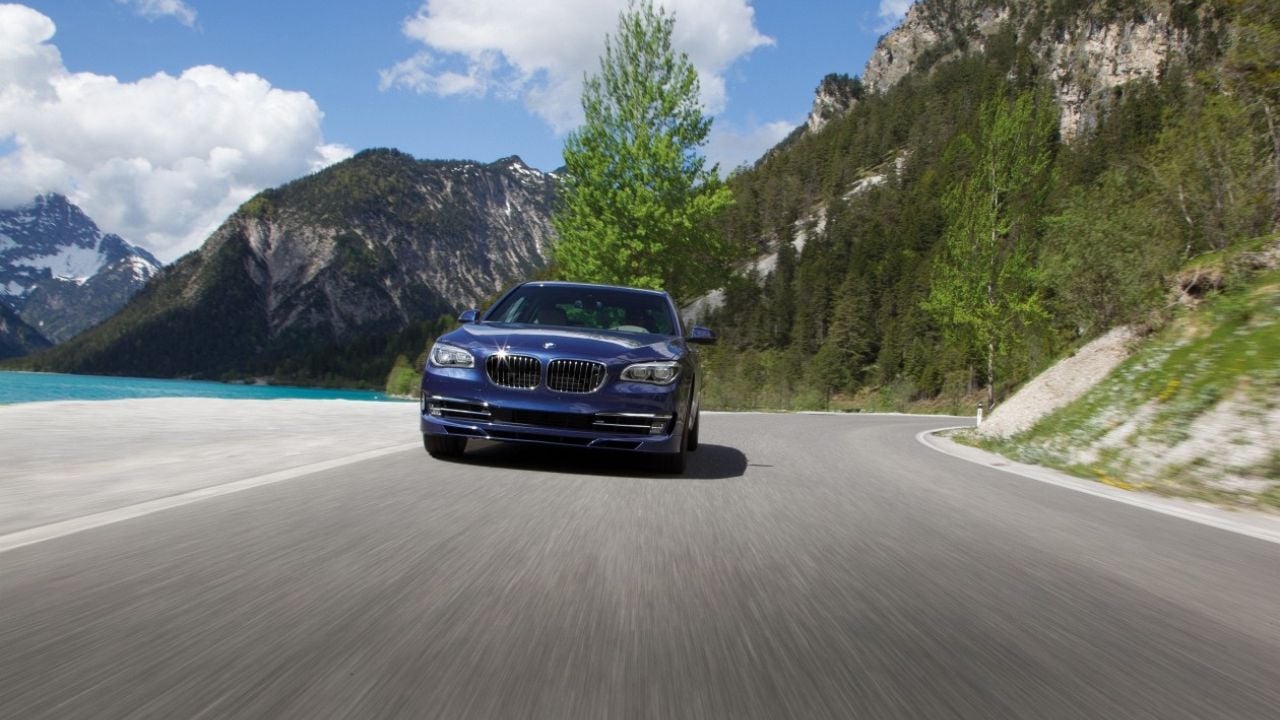
2011 To 2013 BMW Alpina B7

The Alpina B7 lived in the ideal place for becoming underremembered later: expensive, subtle, devastatingly quick, and never especially interested in advertising itself loudly. The early F01-generation cars already had 500 horsepower and the pace to embarrass most of the executive-sedan field, while the updated 2013 car pushed the formula even harder with 540 horsepower and astonishing straight-line speed for something this large.
That is the part people tend to lose. The B7 was not simply a plush alternative to an M5. It was a deeply serious performance limousine that delivered its speed in a quieter, more polished voice. Alpina’s whole philosophy helped make the car special when new, and easier to overlook later. The result is one of the great invisible missiles of the era.
2014 To 2017 Chevrolet SS
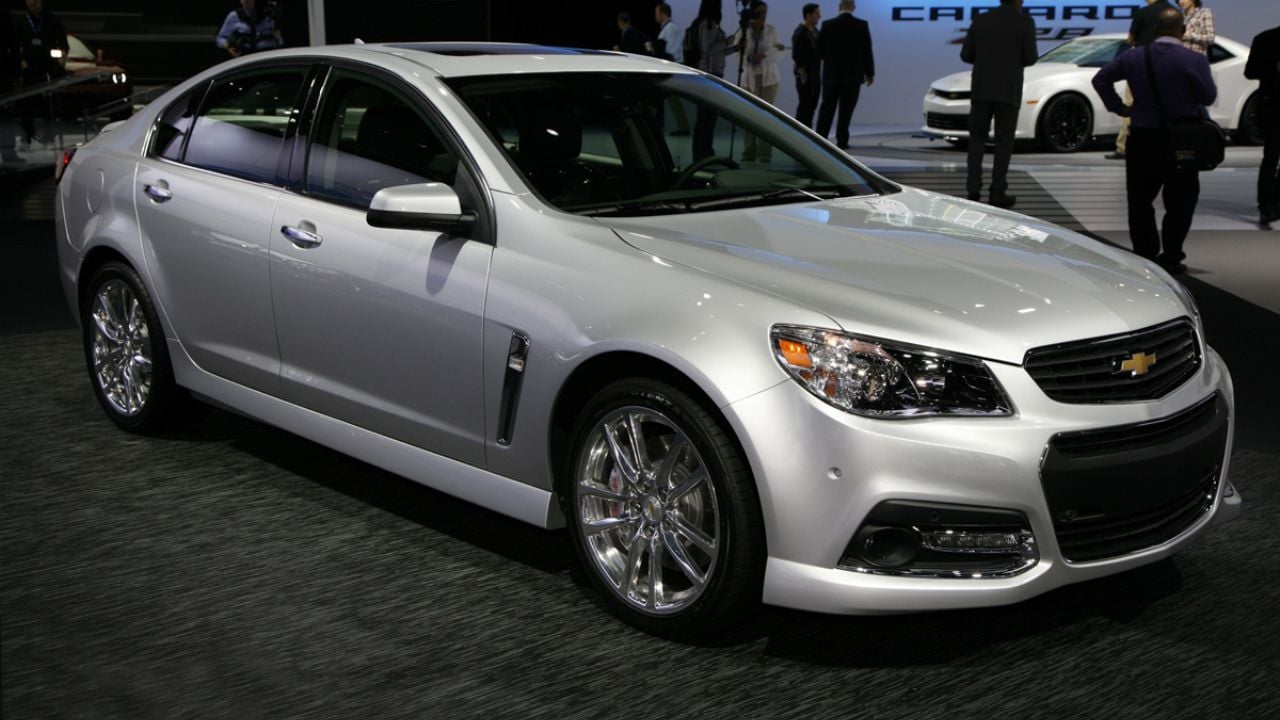
The Chevrolet SS is the cleanest proof on this list that being excellent does not guarantee being properly remembered. Chevrolet gave it a 415-horsepower 6.2-liter V8, rear-wheel drive, and eventually a manual transmission, then wrapped the whole thing in styling quiet enough to disappear into traffic if you were not paying attention. Underneath, it was one of the best modern American sports sedans.
That subtlety was both the point and the problem. The SS never arrived with the visual drama or branding noise that helps a performance car stay in the public imagination. It simply did everything well: balance, pace, restraint, real-world usability. That should have been enough. In a louder market, it somehow was not. Which is exactly why the SS feels so satisfying to remember now.
The Ones That Should Be Mentioned More Often
The best thing about these ten cars is that none of them needed to be quirky, compromised, or secretly disappointing to end up overlooked. They were quick. In several cases they were excellent. They simply lost the long memory contest to louder names, stronger mythology, or better timing.
That is worth keeping in mind, because performance history is not made only by the cars everyone already agrees on. It is also made by the machines that landed hard, impressed the people who drove them, and then slipped out of the wider conversation for reasons that had very little to do with their actual abilities. These cars deserved more than that then, and most of them still do now.