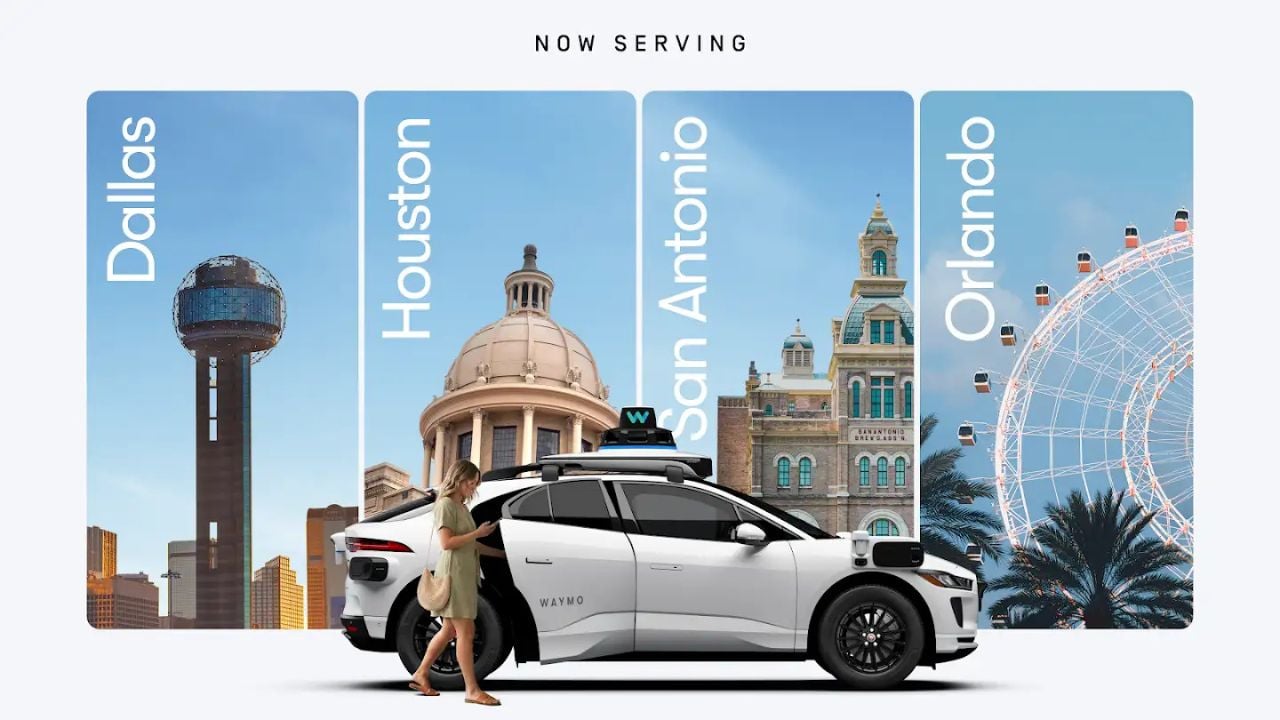

Waymo has launched its fully autonomous ride-hailing service for public riders in Dallas, Houston, San Antonio, and Orlando, marking the first time it has opened in multiple cities at once. This expansion brings the company’s commercial operations to 10 metro areas, strengthening its presence in Texas and Florida.
For the time being, select users who downloaded the Waymo app will be invited to ride, with invitations rolling out gradually to ensure smooth operations before opening to everyone later this year.
Waymo says it is on track to deliver over one million rides per week by the end of 2026, with plans to expand to 20+ cities. The service will connect riders to popular destinations like Dallas’s Bishop Arts District, Houston’s Toyota Center, San Antonio Spurs games, and Orlando attractions.
A New Chapter for Houston
A new chapter in urban mobility is unfolding in Houston, where Waymo has begun opening its driverless ride service to the public.
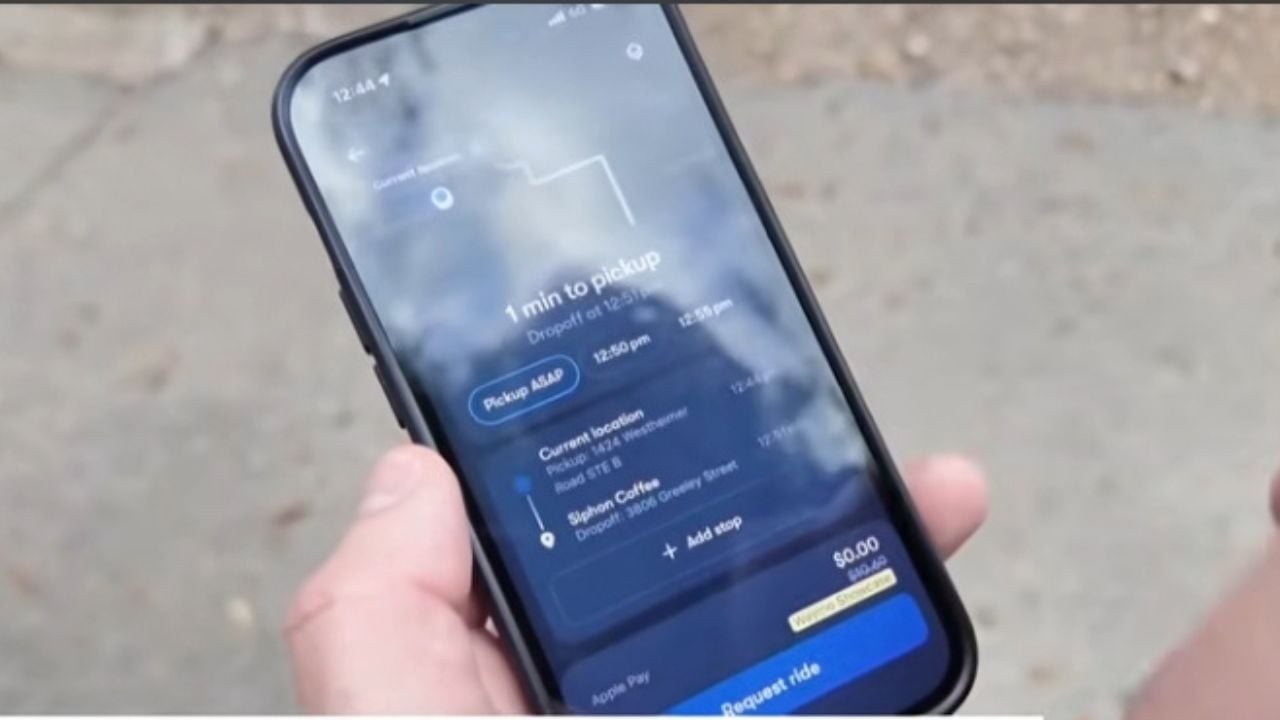
After more than six months of testing on local roads, the autonomous vehicle pioneer is launching a gradual rollout that allows residents to hail a fully electric self-driving car using a smartphone app.
For many riders, the experience begins in a familiar way. Using the Waymo One app, passengers can request a ride much like they would through traditional ride-hailing platforms such as Uber or Lyft.
A few taps reveal the pickup location and estimated arrival time. But when the vehicle pulls up, the difference becomes immediately obvious. There is no one sitting behind the wheel.
“I am a big fan of Waymo and have ridden in them many times on the West Coast—it is a fun and futuristic experience,” said Houston City Council Member Sallie Alcorn. “I’m thrilled that we are now launching limited access public rides here in Houston. It will give both Houstonians and visitors another safe, high-tech way to get around during exciting upcoming events like the World Baseball Classic and the World Cup.”
How the Cars ‘See’ the Road
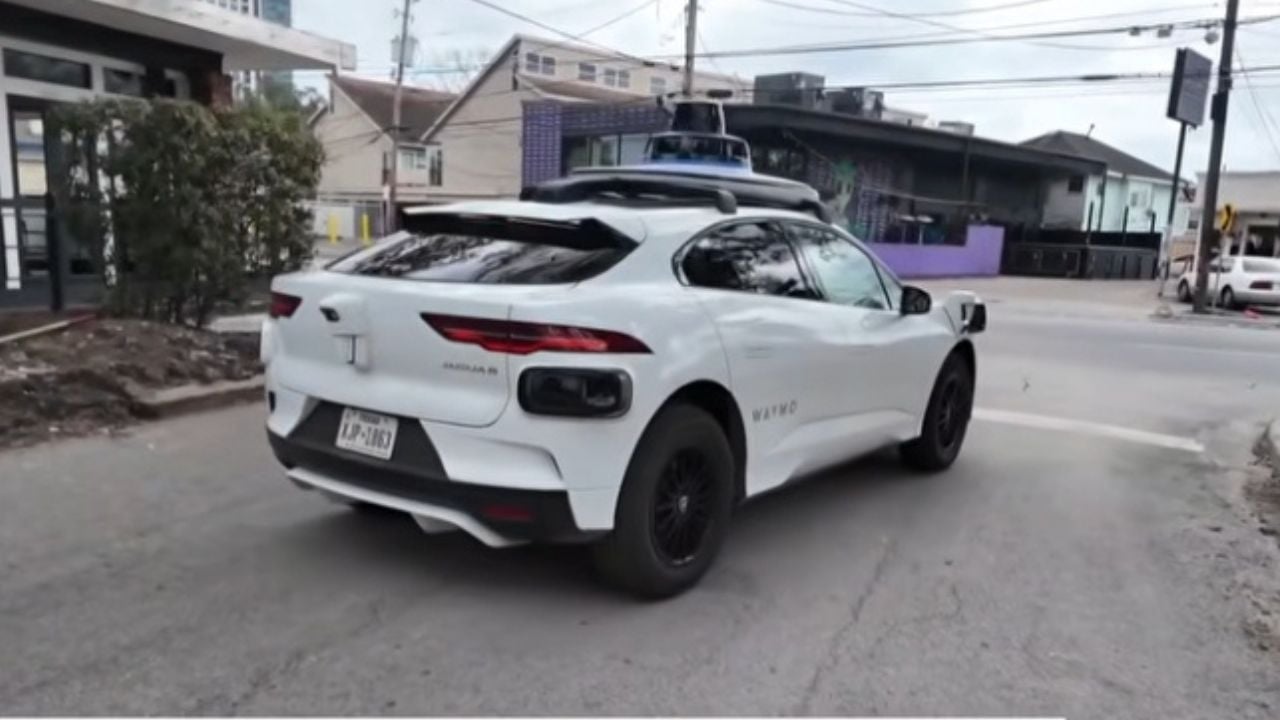
The vehicles are easy to spot thanks to the array of sensors mounted around the exterior. Each autonomous car is equipped with 29 cameras, six radar units, five lidar sensors, and four audio receivers. These devices work together to form what engineers describe as the vehicle’s perception system.
Cameras interpret visual information, radar detects objects and motion, lidar builds a precise three-dimensional map of surroundings, while microphones pick up important audio cues from the environment.
All of that data is processed in real time by onboard computers that constantly analyze road conditions and traffic patterns. The system determines the safest route while reacting to nearby vehicles, pedestrians, and obstacles. Once inside the car, riders simply buckle their seat belts and let the vehicle do the rest.
The first phase of the rollout allows trips within a roughly 25 square mile section of Houston. Popular neighborhoods included in the initial service zone include Montrose, River Oaks, downtown, and the Heights. The goal is to gradually expand availability as more vehicles join the fleet and as public confidence grows.
The Challenges Ahead
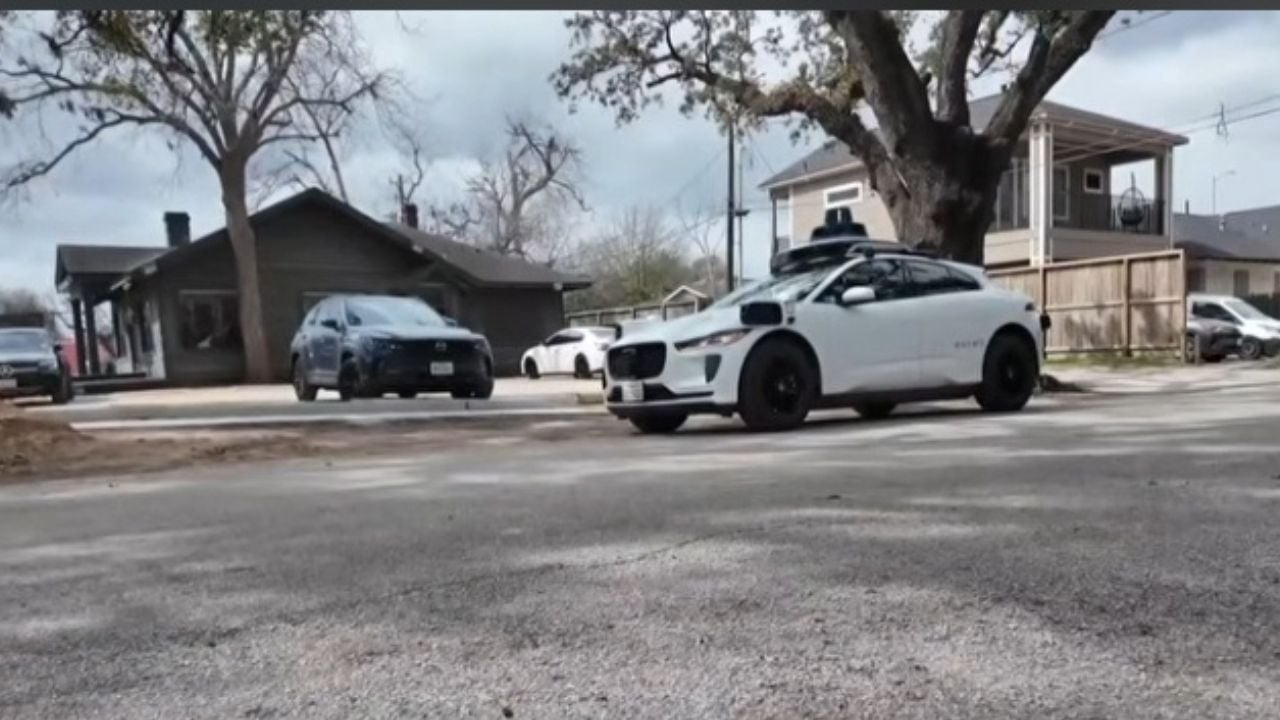
One of the major challenges autonomous vehicles must handle in Texas is unpredictable weather. Conditions can shift rapidly from sunshine to intense storms.
Company representatives say the combination of sensors and mapping technology helps the cars adapt to these situations by detecting environmental changes and adjusting driving behavior accordingly.
Houston is not the first Texas city to see the service. Public rides have already been available in Austin for more than a year, providing valuable data that has helped refine the system before the Houston launch.
Still, the expansion comes at a time when autonomous driving technology is under growing scrutiny. The National Transportation Safety Board is currently investigating incidents involving Waymo vehicles that were seen passing stopped school buses in Austin.
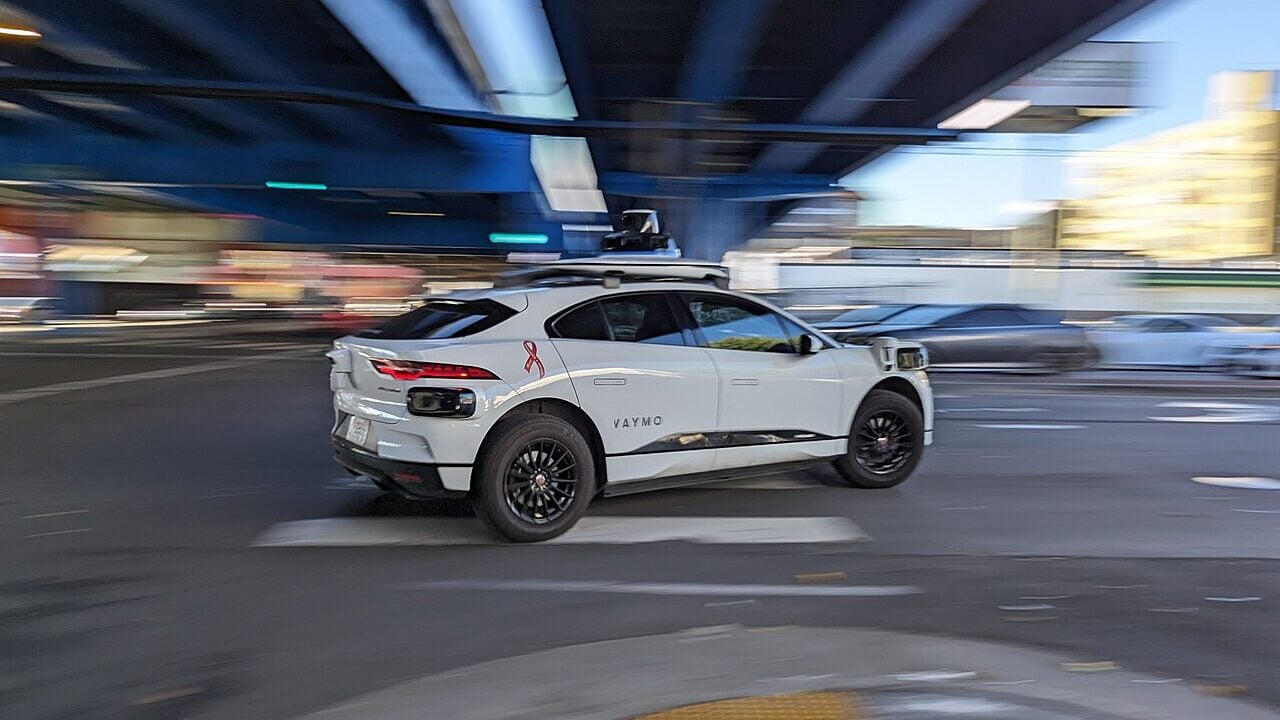
The company says it is addressing the issue through software updates designed to improve how the vehicles interpret those situations.
Autonomous vehicles have also drawn the attention of lawmakers in Washington. Ted Cruz, who chairs the Senate Commerce Committee, has argued that the United States needs a clear federal regulatory framework for autonomous vehicles.
He says national rules would provide consistent safety standards, clearer liability guidelines, and stronger consumer confidence as the technology expands across state lines.
Safety Promise vs. Public Skepticism
Fans of self-driving technology point to a powerful statistic behind the push toward automation. Federal data shows that in 2023 more than 12,000 people in the United States died in crashes involving alcohol impaired drivers, while distracted driving claimed more than 3,000 additional lives.
Autonomous systems, advocates argue, eliminate behaviors such as drunk driving or texting behind the wheel.
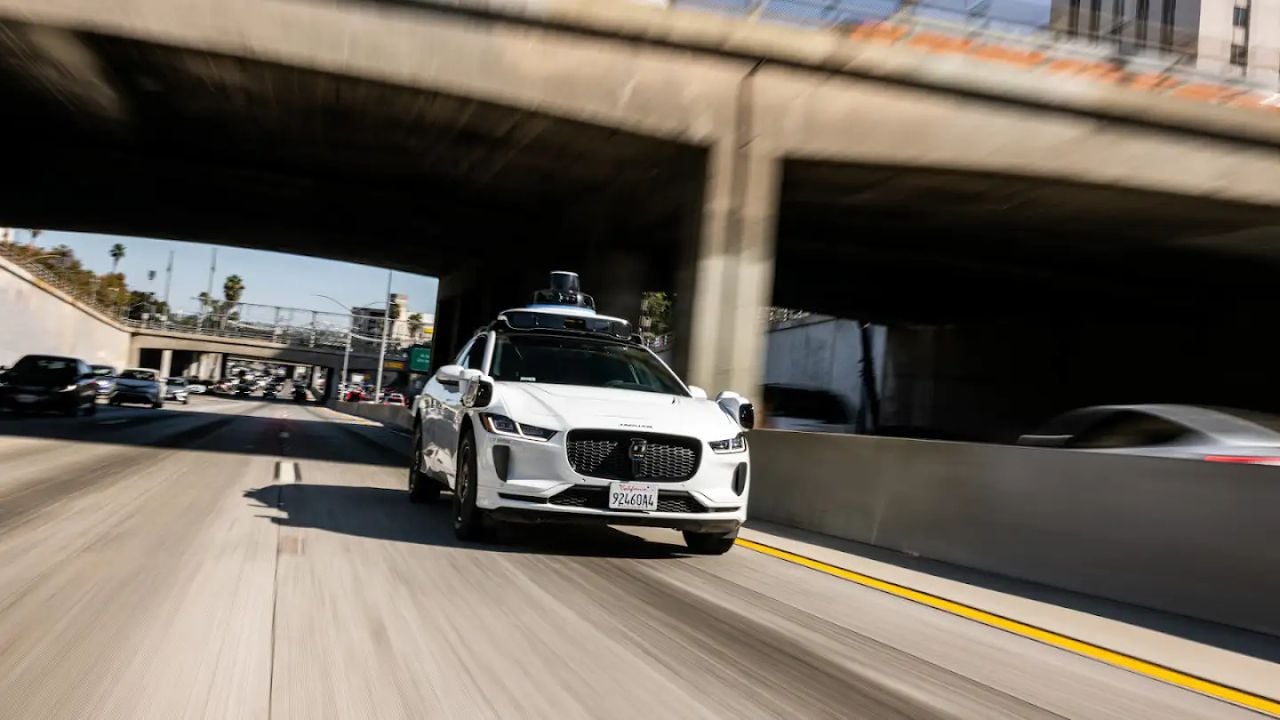
Despite those potential safety benefits, many still aren’t fans of self-driving systems. Seeing a car operate without a human driver can still feel like a leap into the unknown. Many say they want to watch the vehicles on the road before deciding whether they feel comfortable stepping inside.
Waymo appears aware of that hesitation and has built several safeguards into the experience. Riders can contact support at any time through a button inside the vehicle that connects them to a real person. In one instance during a demonstration ride, a remote support agent even reached out proactively after noticing passengers sitting in the vehicle longer than usual.
How to Get a Ride: Waitlist Now Open
For now, access to the service in Houston remains limited. Those who join the waitlist through the Waymo One app may receive an invite code allowing them to start booking rides. The company plans to add more users in the coming weeks and months as additional vehicles enter operation.
If the rollout proceeds smoothly, Houston could soon become another proving ground for a future where transportation no longer requires someone in the driver’s seat.
Note: This article contains embedded video. Embedded media may not display on all platforms. The video is available on our website here.