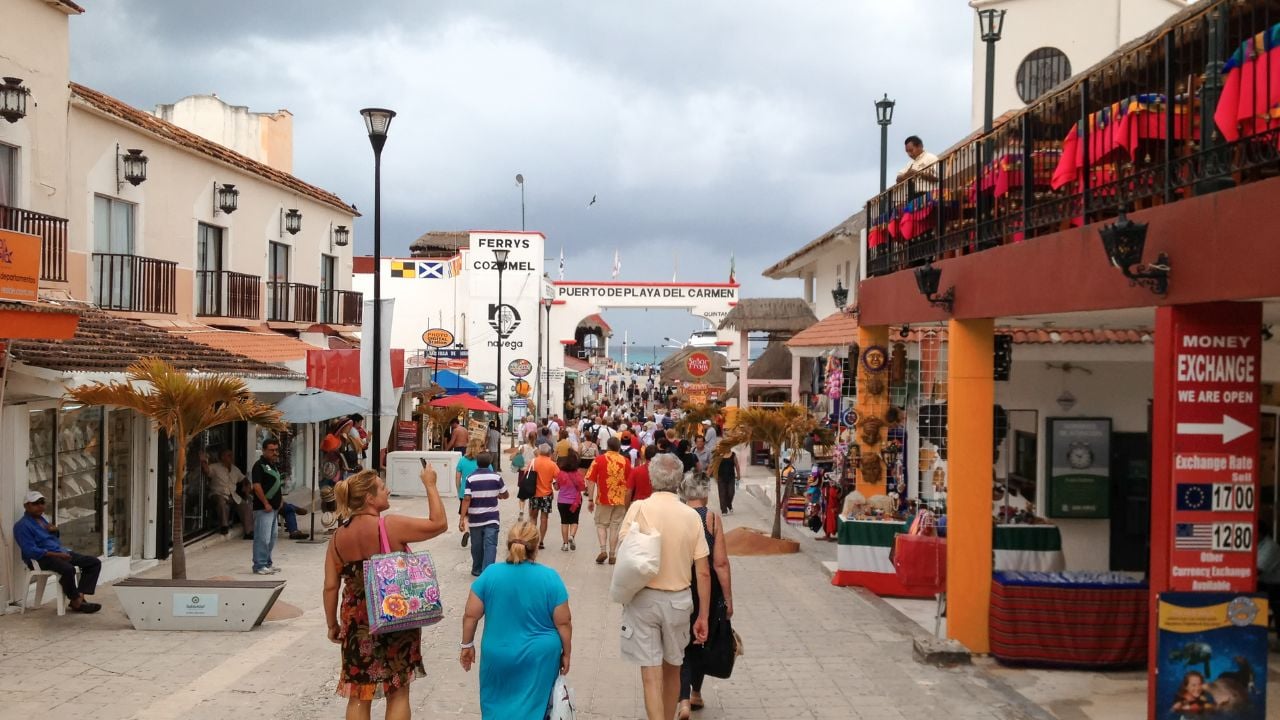
For years, Playa del Carmen sold itself as the easiest kind of Riviera Maya break: quick flight, manageable transfer, bright water, done. That basic appeal has not disappeared, but the experience now rewards a little more planning than it used to. Official travel advisories for Quintana Roo tell visitors to stay more alert after dark in downtown areas, and that alone is enough to change how some repeat travelers now plan dinners, nightlife, and late returns to their hotel.
The bigger story is that most of the current headaches are predictable, which means they can usually be managed. Sargassum arrives in seasonal waves across the wider Caribbean, coastal erosion and restoration planning can change what a perfect beach day looks like, and transport stress is often worst for travelers who improvise when they are tired. Add smarter timing, better transfer choices, and a looser definition of what counts as a good day, and the destination can still work very well. It just works best now for people who plan around the current version of Playa del Carmen instead of expecting an older, friction-free one.
After-Dark Caution Changed the Vibe for Many Visitors

The official warnings are not subtle. The U.S. State Department tells travelers in Quintana Roo to pay attention to their surroundings after dark in downtown areas of Cancún, Tulum, and Playa del Carmen and to remain in well-lit pedestrian streets and tourist zones. UK guidance says something very similar, advising travelers to be very cautious after dark in those same downtown areas. Even if nothing goes wrong, that can make the destination feel less carefree than it once did for people who remember treating the town center like a casual extension of the beach.
A simple adjustment helps. Shift most wandering and exploring into daylight hours, keep nights closer to orderly, well-trafficked corridors, and take transport decisions seriously instead of improvising them at the end of the evening. The goal is not paranoia. It is reducing exposure to the exact situations official advisories are warning about, so the trip keeps feeling relaxed instead of vaguely tense.
Seaweed Season Can Make the Shoreline Feel Unpredictable

Sargassum has become one of the defining variables in Caribbean beach travel, and Playa del Carmen is not insulated from that wider pattern. UNEP says the Atlantic basin saw a record 37.5 million metric tons of sargassum in May 2025, and NOAA’s weekly Sargassum Inundation Risk page says large accumulations have been a recurrent problem in the Caribbean since 2011. That is why timing and monitoring now matter so much. Even an excellent hotel can feel frustrating if the waterline is piled high for days and the smell turns the beach into something you only tolerate rather than enjoy.
The health side is worth knowing too. The U.S. EPA says decomposing sargassum can release hydrogen sulfide and ammonia, with possible respiratory, cardiovascular, and neurological effects, especially for sensitive groups. The practical move is to check current shoreline conditions before you go, keep some inland or non-beach plans ready, and avoid building the entire trip around one stretch of sand. That way one bad seaweed day becomes an adjustment, not a vacation killer.
Erosion and Restoration Planning Can Change What the Beach Feels Like

Coastal wear is another real part of the story. Mexico News Daily reported in May 2025 that Quintana Roo authorities were seeking federal permits for restoration projects in Cancún, Playa del Carmen, Cozumel, and Puerto Morelos, including reported plans for 12 kilometers of work in Playa del Carmen. That does not mean every visitor will arrive to find active work in front of their hotel, but it does mean shoreline conditions are no longer something travelers should treat as static.
That does not ruin a trip, but it should shape expectations. Before booking, check recent property reviews, look at current beach photos, and consider staying slightly away from the busiest beachfront strip if your trip depends on a postcard-perfect shore every single day. Travelers who mix in cenotes, food stops, and day trips usually notice these coastal swings far less than those who expect the beach alone to carry the entire holiday.
Transport Stress, Especially Around Taxis, Pushes Some People Away

Ride hassle is a common complaint in tourist destinations, and official guidance supports being selective from the moment you land. UK travel advice warns that unlicensed taxi drivers have robbed and assaulted passengers and recommends using better-regulated taxis from authorized ranks, asking your hotel to order one, or using authorized pre-paid airport taxi services. Since most visitors arrive through Cancún International Airport, that first transfer can set the tone for the entire stay.
A calm strategy may look boring, and that is exactly the point. Pre-book a reputable shuttle, confirm pricing before you get in, and avoid negotiating with strangers while tired in a crowded pickup zone. If someone applies pressure, walking away is often the best money-saving decision you make all week. Playa del Carmen works better when transport feels settled from the start instead of adversarial.
Crime Headlines Matter Because Bystanders Can Be Affected
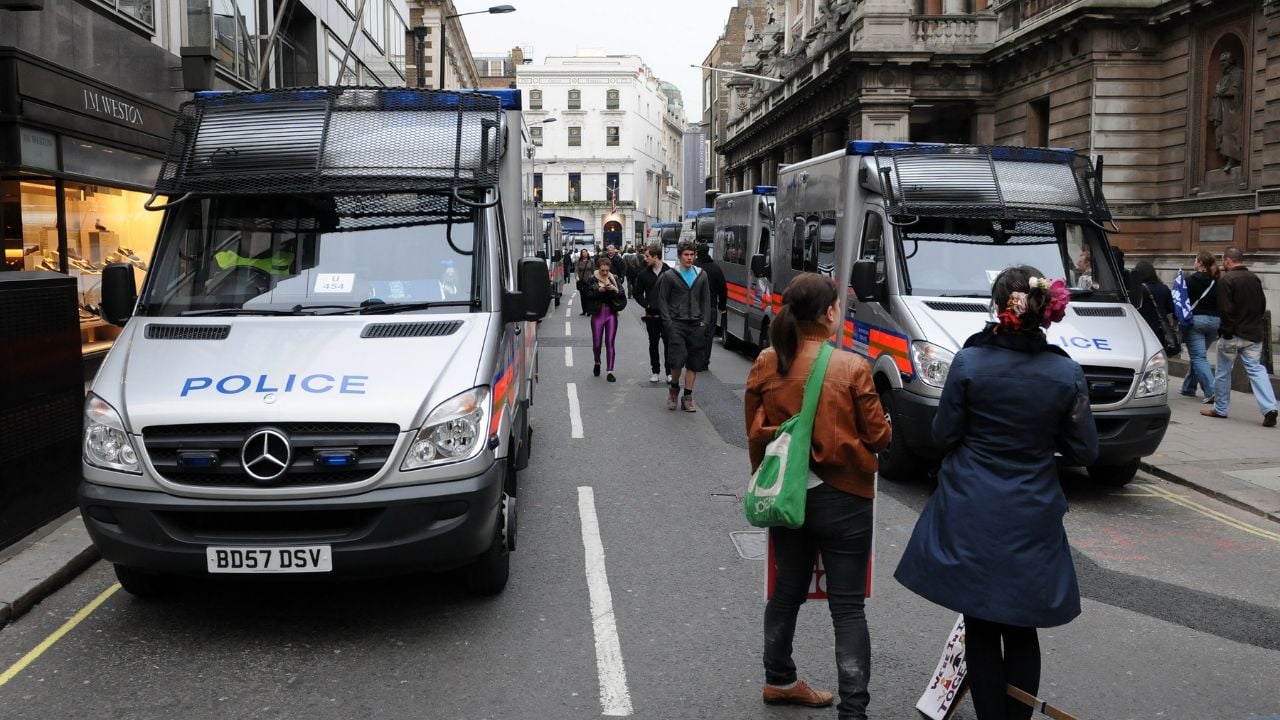
Neither the U.S. nor the UK government describes tourists as the main targets of gang violence in Quintana Roo, but both make the same uncomfortable point: nearby visitors can still be affected. The State Department says shootings between rival gangs in Quintana Roo have injured and killed innocent bystanders and that U.S. citizens have been victims of both non-violent and violent crime in tourist and non-tourist areas. UK guidance likewise says gangs have not targeted tourists as the main pattern, but violent incidents could affect anyone nearby and notes that several shootings have affected tourists since 2021.
The practical takeaway is to avoid risky environments rather than trying to read danger in real time. Ignore drug offers, keep valuables understated, and favor venues that feel organized rather than chaotic. A well-planned night out can still be fun, but it should feel easy and predictable, not messy enough that you are making decisions on instinct in a crowd.
Local Laws and Party Logic Can Still Catch Visitors Off Guard

Some people write off a destination after one ugly surprise, and legal trouble is one of the fastest ways that happens. UK guidance tells travelers not to become involved with drugs of any kind and says penalties for drug offenses in Mexico can be severe, with convictions carrying sentences of up to 25 years. The same page also warns about assaults in tourist destinations and advises using reputable tourism and transport companies. In a town that is still marketed hard as a party base, those cautions matter more than visitors sometimes want to admit.
Smart travel here is basic self-protection. Keep your group together late at night, avoid accepting drinks or substances from strangers, and do not assume that a nightlife strip automatically equals a safe environment just because it is busy. If you want the fun version of Playa del Carmen, choose reputable spots and leave before the scene gets sloppy. That one bit of discipline solves a surprising number of problems.
It Often Works Better as a Base Than as the Entire Vacation

The destination often works better when you treat it as a launchpad instead of asking one beach town to deliver everything. Split your days between early beach time and inland or half-day excursions so one bad seaweed morning does not hijack the entire trip. That approach also makes the advisory and transport issues feel smaller, because you are not depending on the same few streets and shoreline blocks to provide all your entertainment.
Most importantly, plan for the current reality instead of hoping for an older version of the destination. Check advisories before you fly, book airport transport with intention, watch beach conditions, and leave room for variety. Do that, and Playa del Carmen can still be a very good getaway. It just rewards a little more strategy now than it used to.