
BMW owners dealing with mysterious water leaks and failing electronics in certain SUVs may finally be getting some relief. A proposed class-action settlement tied to defective shark-fin antenna seals has now received preliminary court approval in the United States.
The lawsuit claimed that improperly sealed roof-mounted shark-fin antennas allowed water to seep into sensitive electronic components. Owners reported issues involving GPS systems, radios, and telematics hardware after moisture entered the antenna housing.
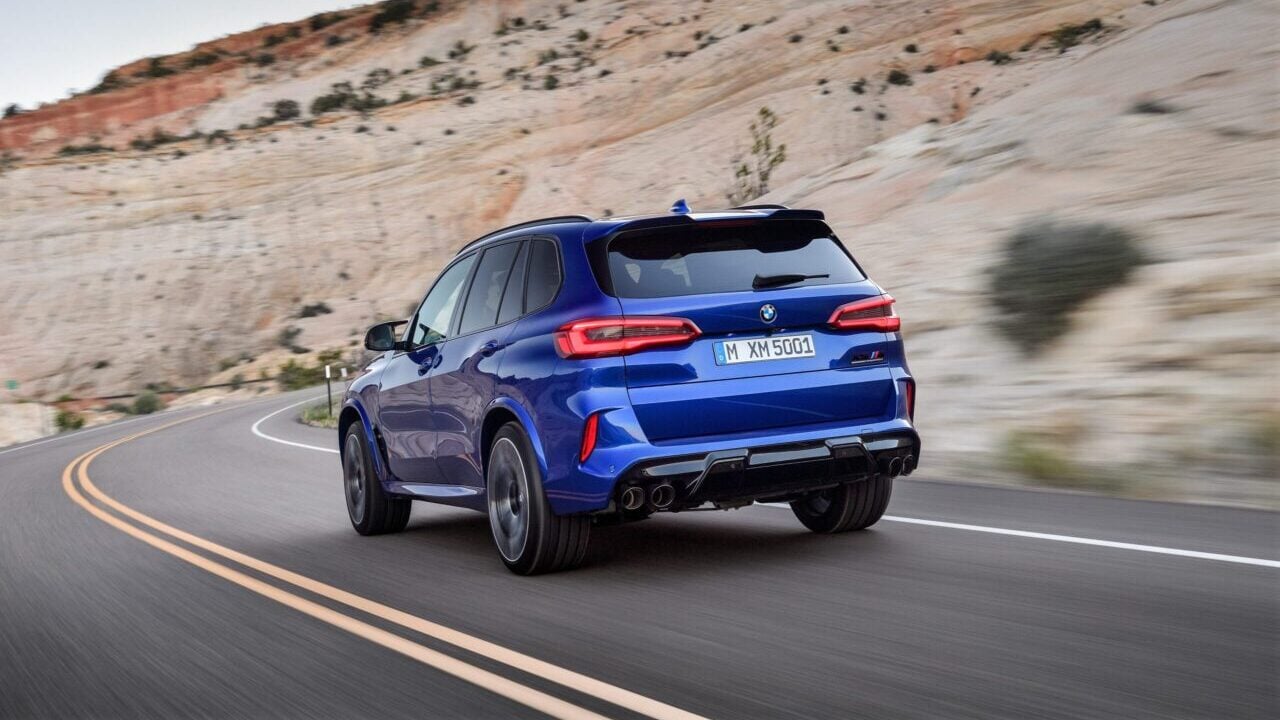
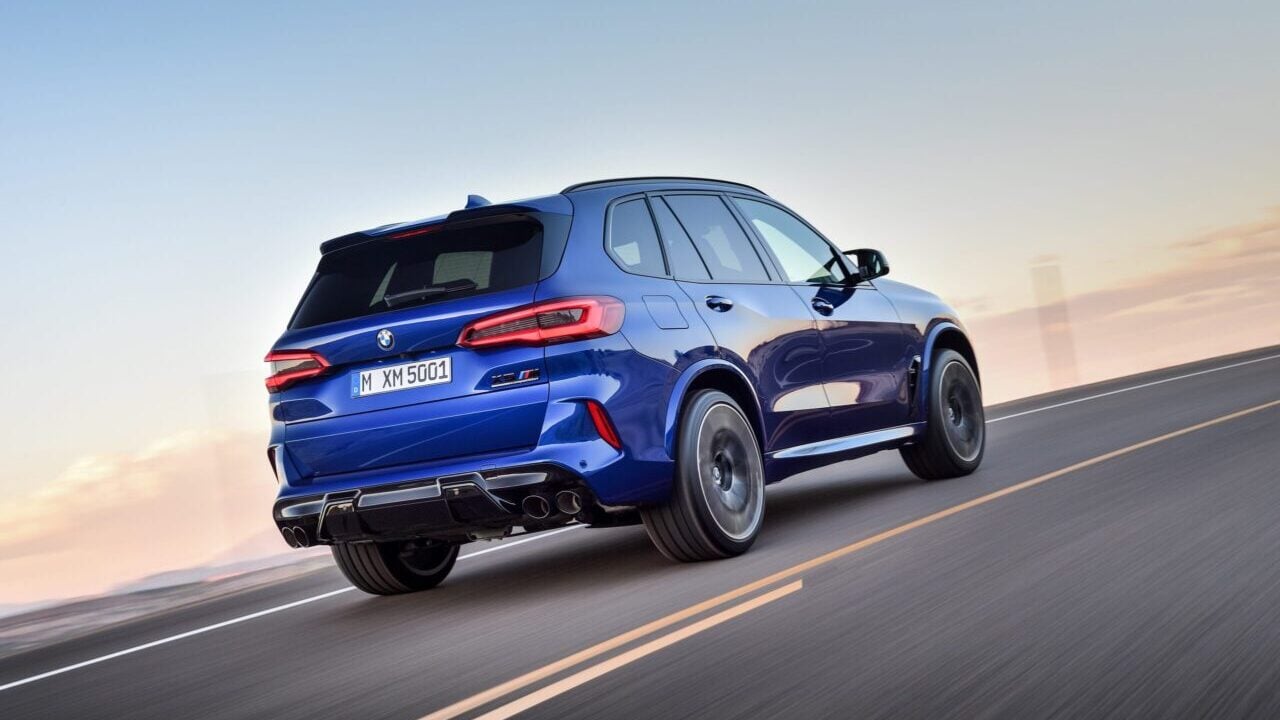
The settlement covers select 2019 and 2020 BMW X3, X4, X5, X6, and X7 models built between November 2018 and March 2020. According to court documents, the problem was allegedly linked to the manufacturing and paint process surrounding the antenna seal.
BMW continues to deny any wrongdoing or defect in the affected vehicles. Still, the company agreed to settle the case in order to avoid extended litigation and the uncertainty that comes with a lengthy court battle.
Which BMW Models Are Included
The settlement applies to owners and lessees in the United States, Puerto Rico, and the District of Columbia. Vehicles included in the agreement are certain 2019–2020 BMW X3, X4, X5, X6, and X7 SUVs produced during the specified timeframe.
According to the lawsuit, defective sealing around the shark-fin antenna allowed water intrusion that could damage electrical systems housed beneath the roof assembly. Modern vehicles rely heavily on these systems for communication, navigation, and connected services, making even a small leak potentially expensive over time.
The issue was not necessarily catastrophic in the way an engine or transmission failure might be. Even so, water intrusion can potentially create electrical problems that become increasingly difficult and costly to diagnose as vehicles age.
What Owners Could Be Reimbursed For
Owners who already paid for repairs related to the sealing defect may be eligible for reimbursement. If the repairs were completed at an authorized BMW dealer, eligible owners could receive 100 percent of their repair costs back.
Repairs performed at third-party shops may also qualify for compensation, though reimbursement is capped at $2,000. Owners will need to provide documentation, including invoices, proof of payment, mileage records, and the vehicle identification number.
The settlement specifically covers repairs related to the shark-fin antenna, telematics unit, and telematics battery. If multiple claims are submitted for the same vehicle or ownership records do not match, additional documentation may be required.
BMW Is Extending Warranty Coverage
One of the more significant aspects of the settlement is BMW’s extended warranty coverage for the issue. The company has agreed to extend warranty protection for affected vehicles to 10 years or 120,000 miles from the original in-service date.
That warranty extension applies regardless of whether the settlement ultimately receives final court approval. Coverage will include diagnostics and repairs tied to the sealing defect at authorized BMW dealerships.
There is also a short-term repair window included in the agreement. For 60 days following final approval of the settlement, BMW dealers will repair the sealing defect free of charge on any covered vehicle, regardless of mileage or age.
What Happens Next
The settlement still requires final approval from the court before benefits officially begin rolling out to owners. A final hearing is currently scheduled for July 28, 2026.
If approved, eligible owners and lessees will need to submit claims by August 27, 2026. Claims can be filed online or by mail through the court-approved settlement process.
Although the defect itself sounds relatively minor, the case highlights how even small sealing issues can create major headaches in modern luxury vehicles packed with electronics. Water intrusion problems rarely stay cheap for long, especially once modules, sensors, and communication systems become involved.