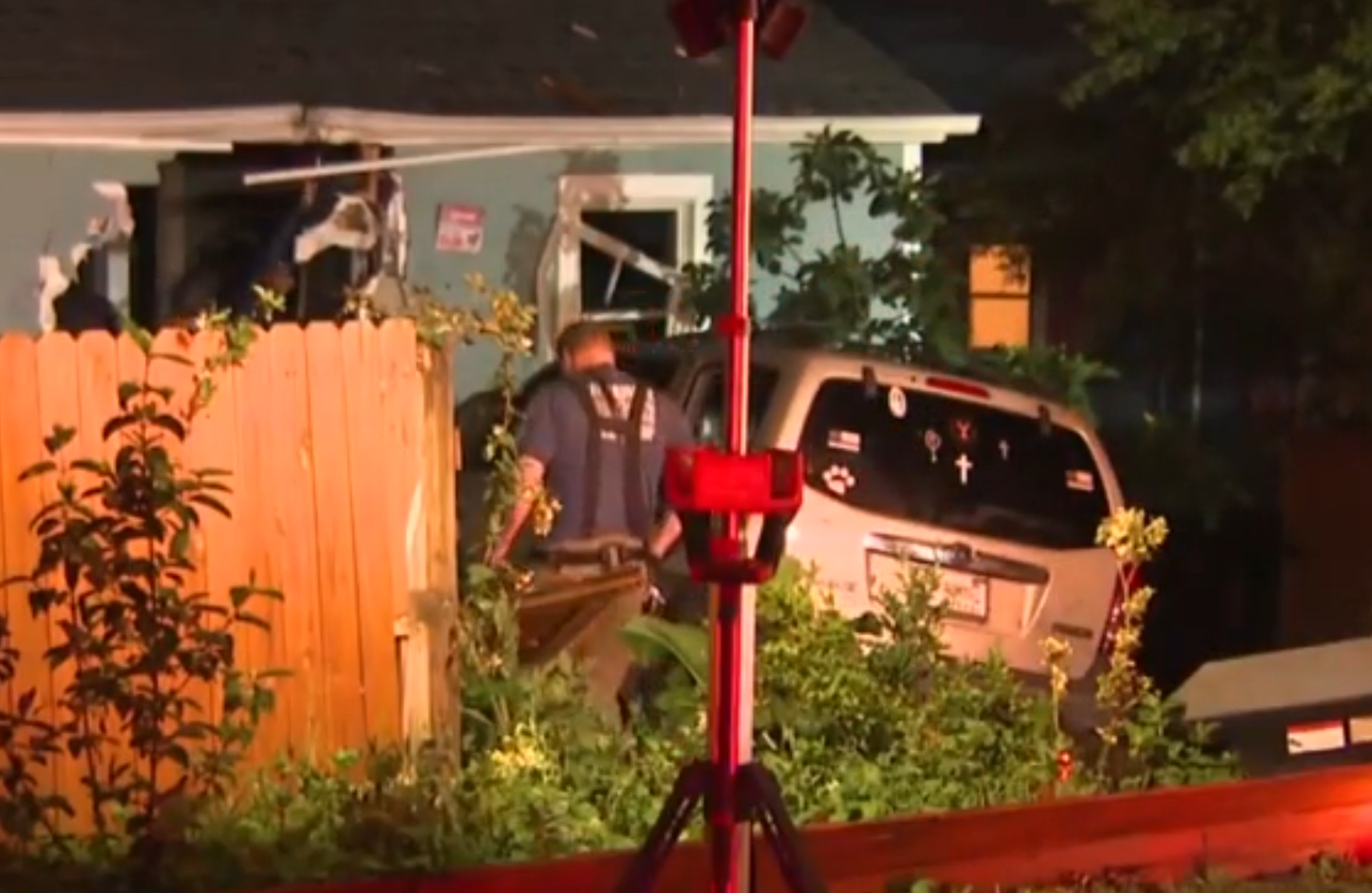
Jacqueline Smith has lived on University Drive in Durham since 2006. In that time, she has watched her neighborhood transform into something she never signed up for: a crash zone. Fences knocked down. Walls caved in. Windows shattered. And now, an SUV buried in the side of her house with a severed gas line and enough structural damage to leave the couple wondering where they even begin.
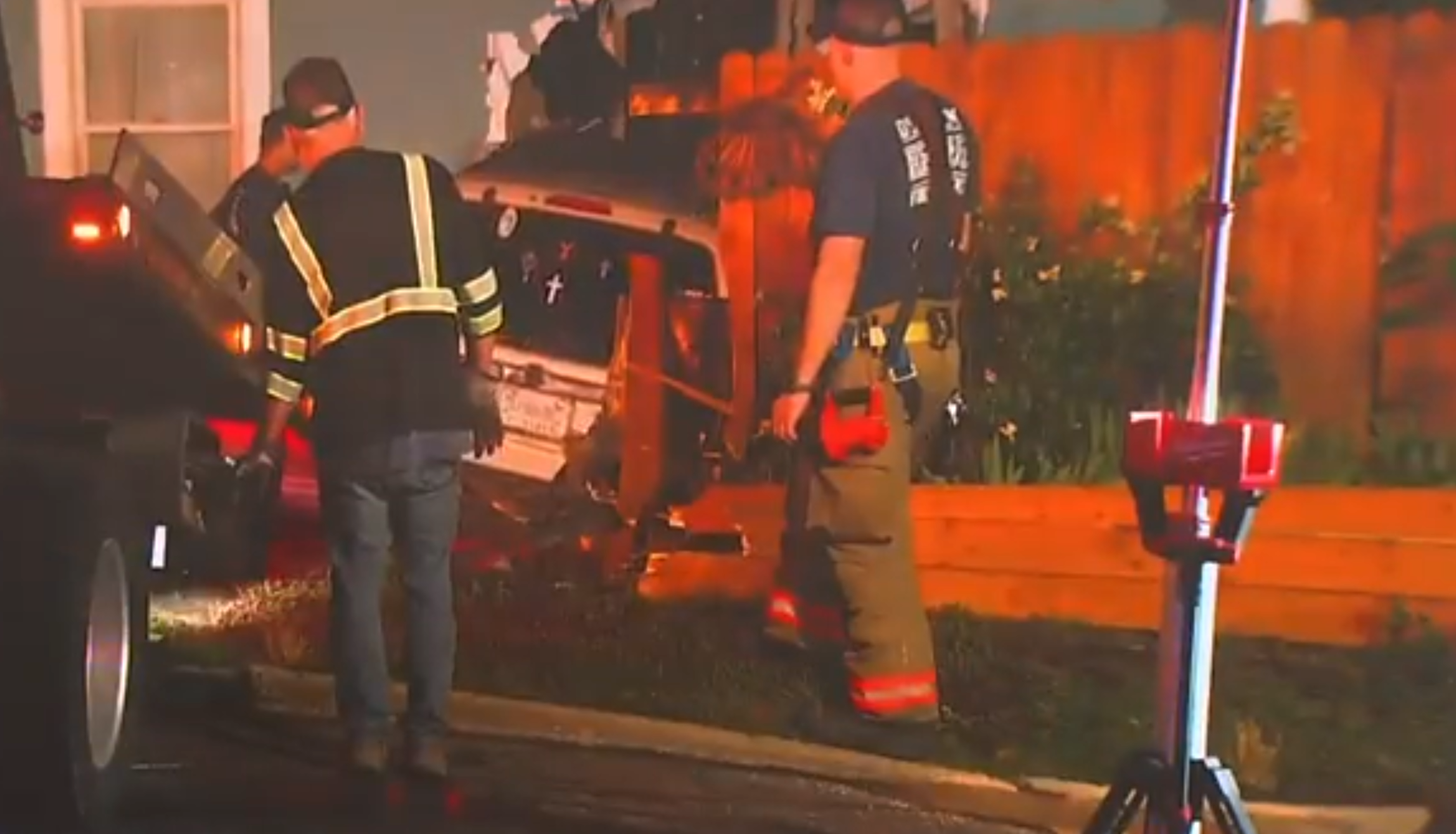
On Thursday evening, just before 10 p.m., officers responded to Smith’s home after a car slammed into it. WRAL’s Breaking News Tracker captured footage of the vehicle being hauled out of the property. The scene was jarring, but for Smith, the emotions attached to it were grimly familiar. She estimates her property has been struck by vehicles somewhere between 15 and 20 times over the years. At this point, she is not shocked. She is exhausted.
“It definitely feels like deja vu, like which side are they going to rip off next?” Smith said. That kind of dark humor is what happens when a person has been through something enough times to start losing count. This was not a one-time freak accident on a quiet residential street. This was the latest chapter in what Smith and her neighbors describe as an ongoing crisis at a dangerously confusing intersection.
Beyond the chaos of the crash itself, Smith lost something more personal. Her garden and a handmade bench she built herself were destroyed in the impact. “This is something that brings me peace and joy,” she said. “Seeing it just ripped apart like that, it’s heartbreaking.” For a homeowner who has rebuilt again and again, it is the small, irreplaceable things that sting the most.
What the Crash Actually Did to the House
This was not a fender bender. Smith’s husband, Victor Cohen, walked through the damage room by room after the SUV came through, and the list was long. The driver severed the gas line. Windows were blown out. Structural damage spread through multiple areas of the home. The roof took a hit. The gutters are ruined. There is flooring and electrical work that needs to be redone. “The list goes on and on,” Cohen said.
Cohen himself had been inside the house when the crash happened, just feet from where the car made impact. Their dogs were nearby too. The fact that no one was seriously injured in this particular crash is something of a miracle when you consider how close the vehicle came to where people were living their normal Thursday night.
As for the driver, Cohen says the person fled the scene after the crash. Cohen tracked him down himself and held him on the ground until police arrived. Arrests in connection with the incident had not been confirmed as of the time of this reporting, and investigators are still working through the details.
A Dangerous Intersection That Residents Say Has Been Ignored for Too Long
Smith and her neighbors are not pointing fingers at random bad luck. They have a more specific argument: the intersection itself is the problem. According to residents, the intersection features a yield sign, an eight-way crossing, confusing traffic light sequencing, and a pattern that appears to invite driver error and reckless behavior.
“It’s far too often things are occurring,” Smith said. That is an understatement for a street where one homeowner has lost count of how many times her house has been struck. WRAL News is currently working to pull data on how many crashes have been reported at this specific intersection over the last decade. That number, when confirmed, will likely be telling.
The couple is pushing the city of Durham to take action. Their ask is not complicated: traffic cameras, guard rails, speed bumps, or a redesigned traffic pattern, possibly a roundabout. These are standard, tested solutions that cities across the country have used to address high-crash corridors. For University Drive residents, the question is why it has taken this long for anyone to pay attention.
What This Incident Can Teach Us About Residential Traffic Safety
Stories like this one tend to get filed under “local news” and forgotten once the car is towed away. But the situation on University Drive reflects a problem that plays out in neighborhoods all over the country. Confusing intersections, insufficient signage, and a lack of traffic calming infrastructure regularly turn residential streets into unintentional racetracks.
Traffic engineers have long recognized that the design of an intersection influences driver behavior just as much as the posted speed limit does. Yield signs and multi-leg intersections can create confusion about right-of-way. Inconsistent lighting patterns can cause drivers to misjudge clearance. When those design flaws sit next to someone’s front door, the consequences are personal and severe.
Roundabouts, for example, have been shown in multiple studies to dramatically reduce both the frequency and severity of crashes compared to traditional intersections. They slow traffic naturally, eliminate the temptation to run a red light, and reduce the number of conflict points where cars can collide. For residents on University Drive, it is not an outrageous ask. It is a proven solution.
The takeaway here is simple: when a community member reports the same problem 15 to 20 times over two decades, that is not anecdotal. That is data. And it deserves a response from the people responsible for keeping public streets safe.
The Human Cost of Doing Nothing
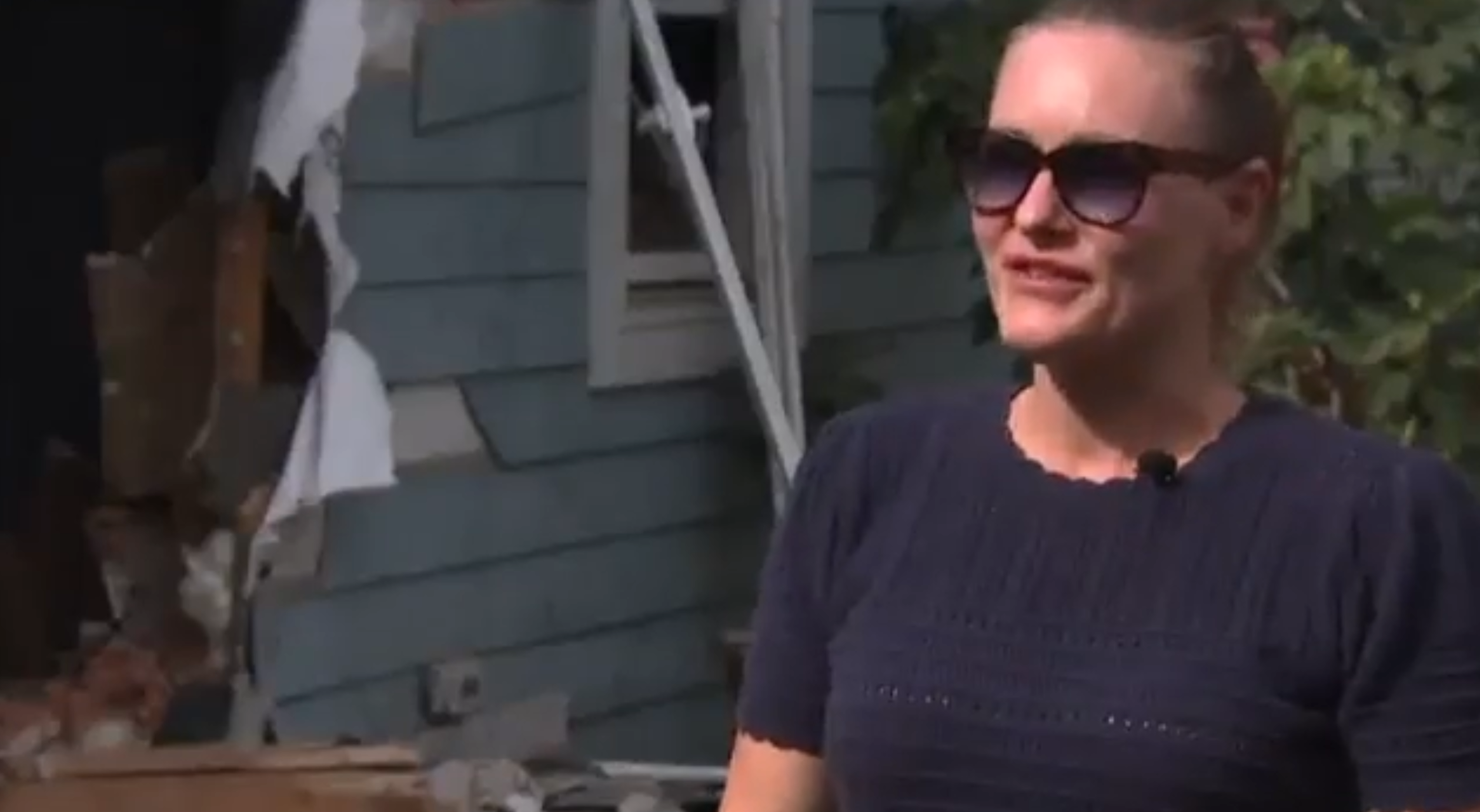
Jacqueline Smith said something that deserves to land. “You can’t get peace when you’re sleeping because you’re scared of what’s just happened subconsciously.” She is not just describing property damage. She is describing a home that no longer feels safe to be inside. That is a mental health consequence, a quality-of-life consequence, and a financial consequence all rolled into one.
The couple is now looking at a house separated from the street by a temporary fence, staring down a repair list that covers the roof, the floors, the walls, the gas line, and the gutters. They are rebuilding again, as they have done before, and they are hoping that this time, someone in a position to act will finally listen.
Smith put it plainly when she said she and her husband want to bring beauty to their section of University Drive. Right now, all they are asking for is the basic safety that should have been there all along.