
Armored troop carriers, including APCs, IFVs, and MRAPs are mobile bunkers, tactical Ubers, and ready to defend with a ferocity some may not expect from small arms fire. These machines combine the protective instincts of an overprotective parent with the firepower of a small nation and the fuel economy of a space shuttle.
American forces don’t just drive these things, they depend on them like millennials depend on avocado toast. Some are homegrown monsters built in factories that smell like freedom and WD-40. Others are foreign designs that make our engineers curse in languages they didn’t know they spoke, then frantically take notes while muttering “why didn’t we think of that?
Every vehicle on this list has earned its spot through blood, sweat, and probably more than a few heated Pentagon meetings where someone threw a stapler.
The Method Behind the Machines
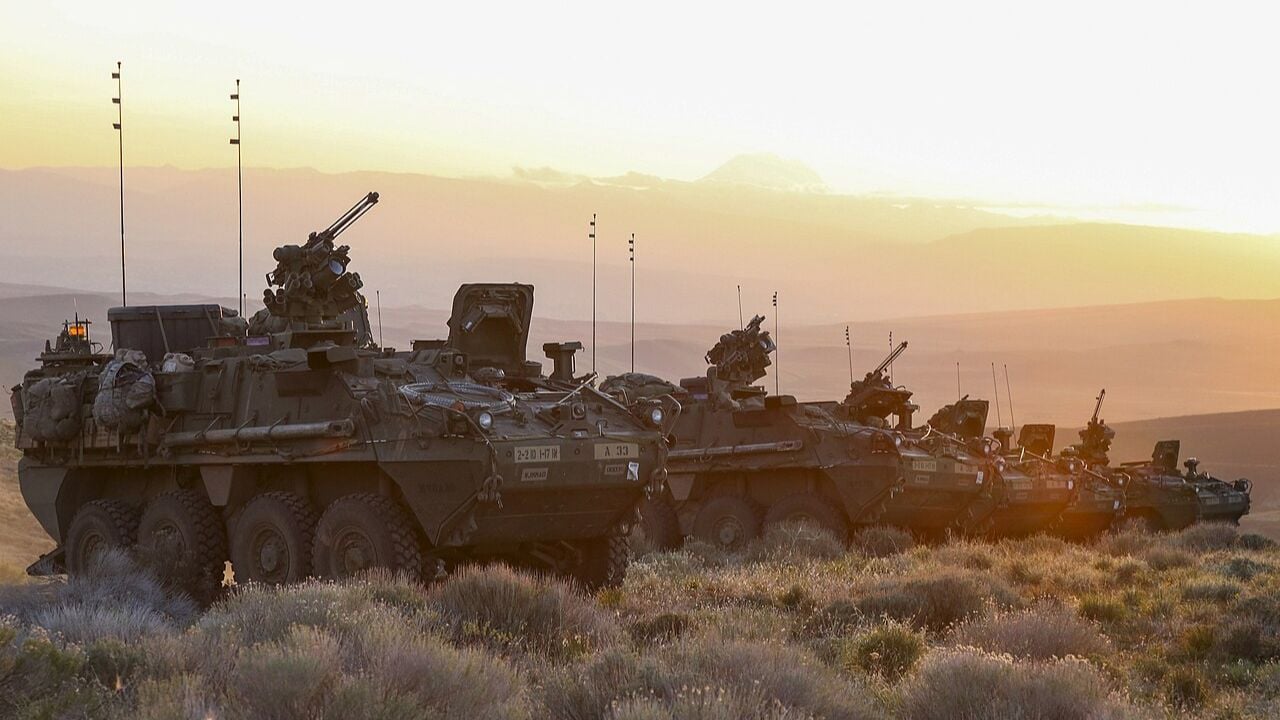
We could have made this easy and just listed every APC that’s ever had a machine gun bolted to it, but that would give you a book thicker than a Marine’s skull and about half as useful. Instead, we went with a selection criteria that’s tighter than military budgets and twice as unforgiving.
Our 13-vehicle limit isn’t arbitrary, it’s the sweet spot between “comprehensive enough to be useful” and “short enough that you won’t fall asleep and accidentally enlist.” Think of it as the Goldilocks Zone of tactical vehicle lists: not too many (looking at you, Wikipedia’s 847-entry APC page that nobody asked for), not too few (sorry, “Top 3 APCs” lists that somehow always include the same boring choices). We had to pick 13 vehicles that were the most impactful, which is pretty tough work.
To do this, we first considered direct US military relevance. If American taxpayers are funding it, American soldiers are driving it, or American defense contractors are losing sleep over it, it made the cut (we also included foreign APCs that have impacted the country). We’re not interested in some obscure APC that only saw action in a border skirmish between countries you can’t pronounce.
We then considered each APC’s innovation, strategic influence, real-world combat results, and how relevant they’ll be to the US in the future. We also wanted to pick APCs that made you stop and stare. Maybe it’s the engineering, maybe it’s the firepower, maybe it’s the fact that it looks like it could survive a direct hit from a meteorite. If it makes hardened military contractors whisper “dang” under their breath, it’s in.
Stryker
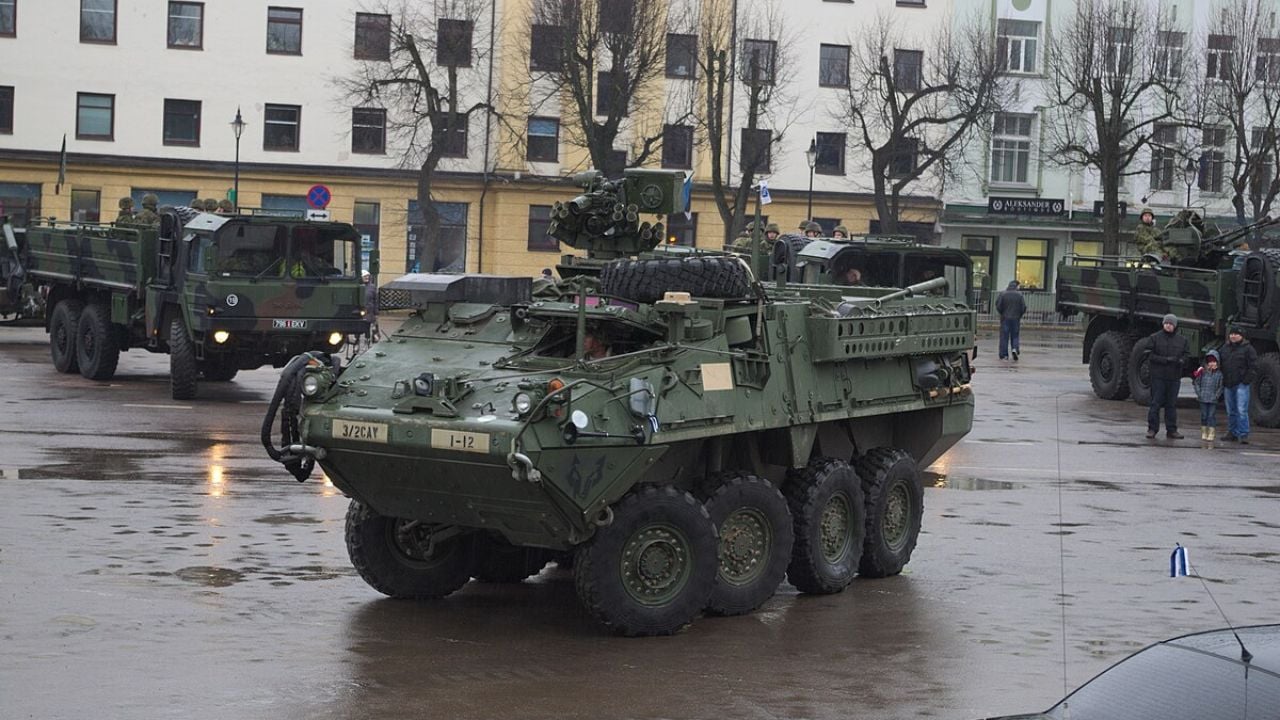
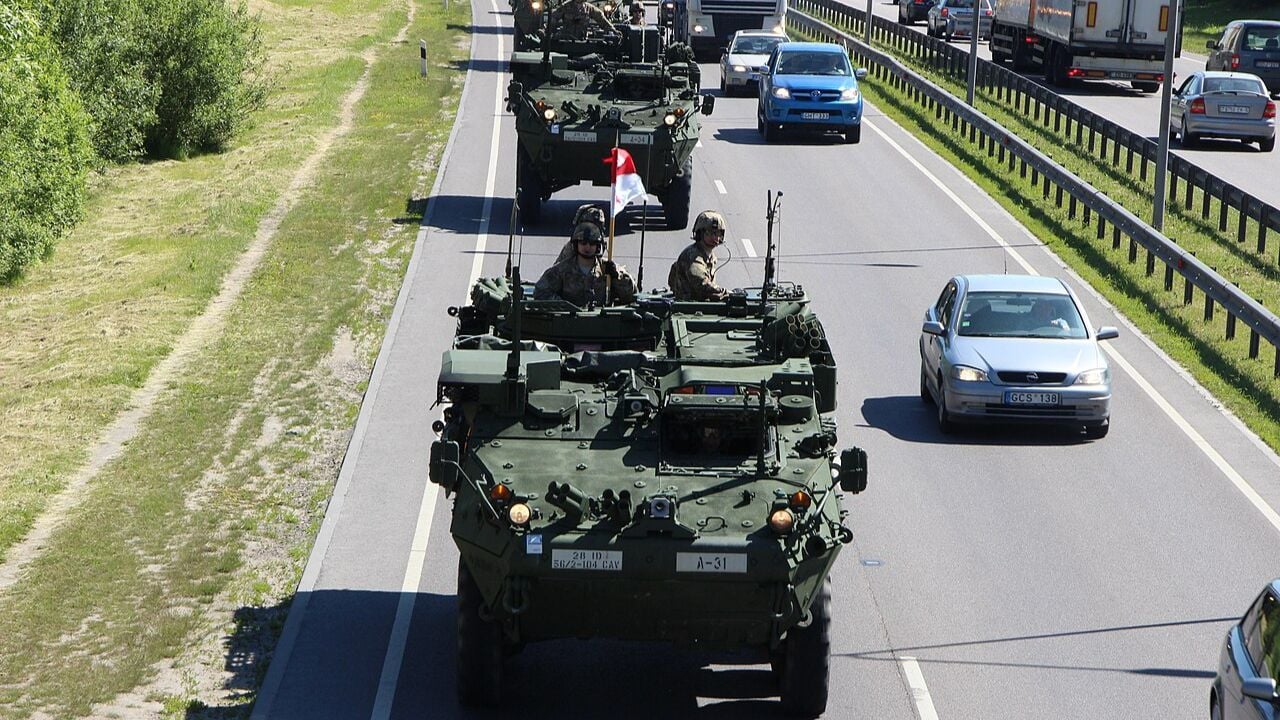
The Stryker is the U.S. Army’s beloved workhorse and a sight that tells the enemy, “This is not your day.” Its design is all business, no-nonsense, blocky, and intimidating.
However, what makes the Stryker a legend isn’t its looks; it’s its versatility. The Stryker family has over 10 different variants, including a Mobile Gun System, a Mortar Carrier, and a Medical Evacuation Vehicle. This modular design allows a single Stryker Brigade to adapt to a mission on the fly without waiting for a new vehicle platform.
Powered by a 350-hp Caterpillar engine, the Stryker can hit speeds up to 62 mph, which is a lot faster than you’d expect from an armored box of this size. Its most advanced feature is a centrally managed tire inflation system that allows the driver to adjust tire pressure for different terrains, meaning it can go from desert sand to a muddy battlefield without skipping a beat. When it was deployed to Iraq and Afghanistan, it redefined how infantry moved and fought, proving that a wheeled vehicle could be just as effective as a tracked one in some of the world’s most unforgiving environments.
The Stryker doesn’t need to brag; its record speaks for itself.
Lenco BearCat
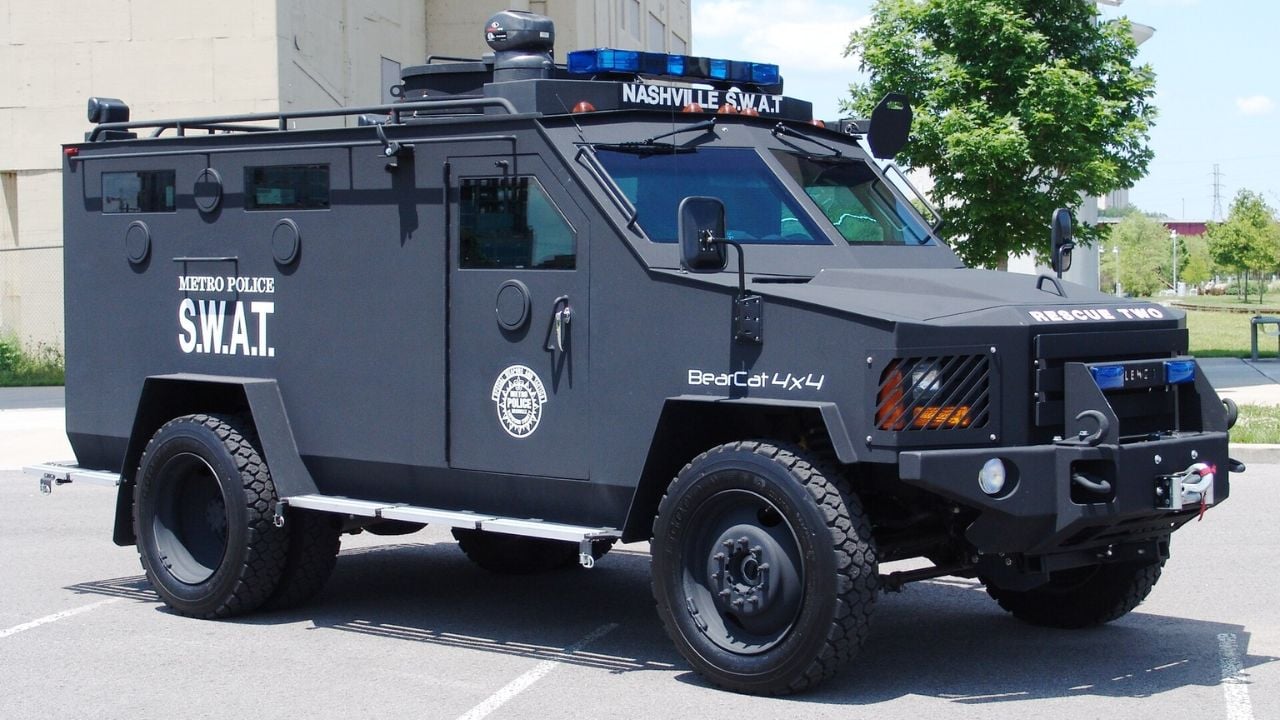
If you’ve seen a SWAT team on the news, you’ve probably seen a BearCat. Made in the U.S.A., the Lenco BearCat is the a law-enforcement armored rescue vehicle inspired by military protected-mobility designs, bridging the gap between battlefield toughness and law enforcement precision. It’s designed for urban combat, from hostage rescues to riot control, and has become a staple for over 1,000 law enforcement agencies.
The BearCat is built like a tank on a Ford commercial truck chassis, making parts and maintenance surprisingly easy. Its mil-spec steel armor and .50 BMG-rated ballistic glass are designed to defeat common rifle threats hits from high-powered rifle rounds, and the vehicle can even be equipped with a battering ram, roof hatches for snipers, and a powered gun turret. The BearCat has a very specific mission: to protect and serve on the home front.
While it may not see action in the deserts of the Middle East, it’s a veteran of a thousand standoffs and a testament to American-made protection.
Patria AMV XP

Straight out of Finland, the Patria AMV XP is a next-gen APC that has American defense contractors taking notes. It’s been considered for various U.S. programs because of its exceptional reliability and modular design. The AMV XP branding emphasizes higher protection and payload, and the platform is designed to scale armor and mission equipment to match the threat.
The AMV XP’s most impressive feature is its modular ballistic protection, which can be customized to the threat level, allowing it to be lighter for peacekeeping missions or heavily armored for intense combat. It can also be fitted with a variety of turrets and weapon systems, from a 12.7mm machine gun to a 120mm mortar. Its suspension system is so advanced that it gives the crew a ride that’s smoother than a politician’s speech, even on the roughest terrain.
This quiet confidence and adaptability make it a benchmark for what modern APCs should be.
Mowag Piranha V

The Piranha V, from Switzerland, is a perfect blend of sleek design and brutal efficiency. The U.S. Marine Corps’ LAV program selected a license-built Mowag Piranha 8×8 design in the 1980s, a lineage that still shapes how U.S. planners think about wheeled armor. It can handle urban chaos and off-road messes with the same calm attitude. What makes it so appealing is its robust modular protection system and a surprisingly smooth ride thanks to a modern hydro-pneumatic suspension.
The Piranha’s name is well-earned. It can be equipped with a remote-controlled weapon station, a 30mm cannon, or even an anti-tank guided missile launcher, allowing it to chew through enemy threats with sharp precision.
It’s the kind of vehicle that looks like it could go from a high-stakes meeting to a high-speed chase without changing its demeanor.
Boxer

The Boxer, developed by Germany and the Netherlands, is a juggernaut of modularity. The U.S. keeps a close watch on its evolution because its modular design is the future.
The Boxer’s secret weapon is its “drive module,” which houses the engine, transmission, and driver’s station. This can be quickly detached and swapped with a variety of mission modules, allowing the exact vehicle to transform from an infantry carrier to a command post, a combat ambulance, or a heavy cargo hauler.
This flexibility means a commander can tailor their fleet to the exact needs of a mission without having to buy a whole new vehicle. Its advanced ceramic armor provides elite-level protection against small arms fire and, in higher-protection configurations, explosive threats.
The Boxer never really asks for attention, but it earns it anyway. In every situation it’s in.
Saxon APC

The Saxon APC, a product of 1980s British engineering, is the definition of “if it ain’t broke, don’t fix it.” This boxy beast was designed for rugged dependability and no-nonsense protection. It’s a simple, high-wheeled truck with a steel shell that became a trusted workhorse for peacekeeping and riot control missions.
With a top speed of only 60 mph and a tall stance, it was never designed to win a drag race or hide in a ditch. Its true value lay in its reliability and simple design. Some Saxons have even made their way into private American hands through law enforcement auctions, proving that a good, old-fashioned war truck never truly goes out of style.
It’s the old-school muscle car of APCs: not flashy, but you know it’ll get you where you need to go.
Pandur II

Austria’s Pandur II is a name that American defense contractors have been buzzing about. While it may not look aggressive, it’s the strong, silent type in the APC world. It has a simple but smart layout, with a spacious interior and a robust drivetrain that can tackle mountain missions and border patrols with equal ease.
The Pandur II’s modular design allows it to be configured with various weapon systems, including fire-support variants with guns up to 105mm, making it a serious threat on the battlefield. Some variants offer amphibious capability also allow it to cross rivers and other bodies of water, which is a feature many American APCs lack.
It’s the kind of machine that doesn’t need a fancy paint job to prove its worth.
FNSS Pars
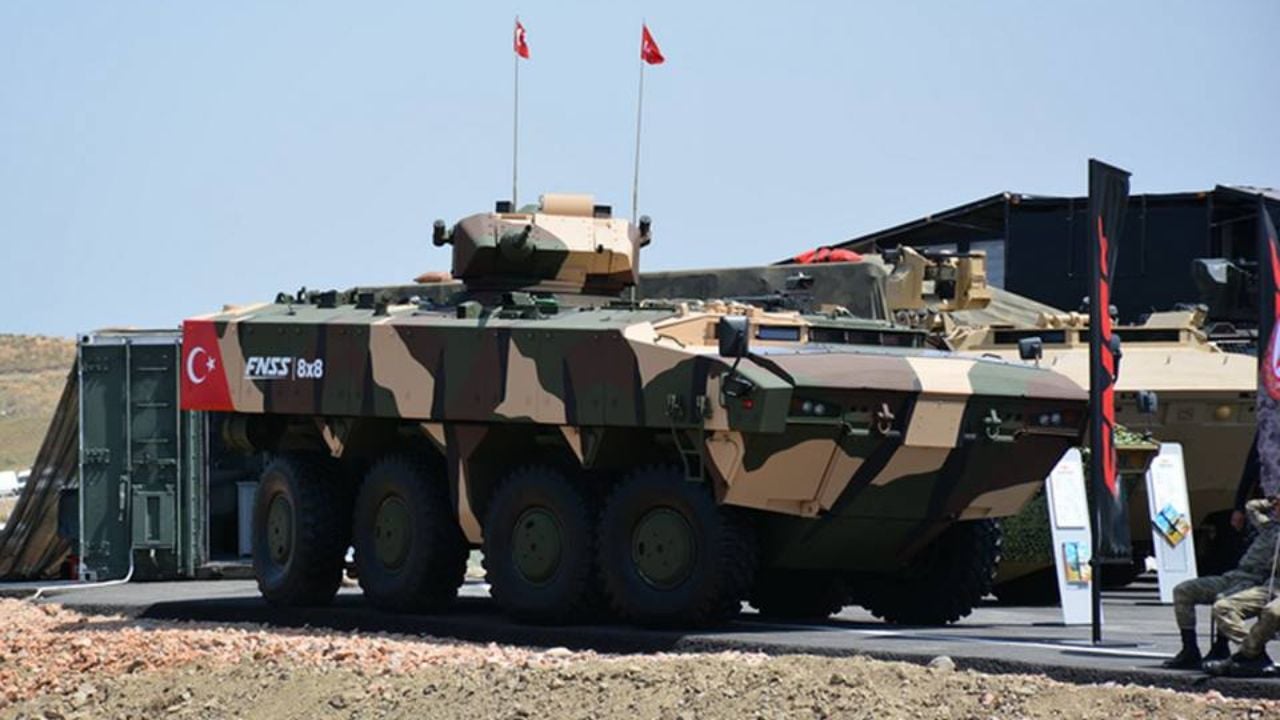
Turkey’s FNSS Pars looks like something that rolled off the set of a video game, and that’s part of its undeniable appeal. It’s been showcased at defense expos across the U.S. and has left a serious impression with its wide stance and futuristic design. The Pars isn’t just a pretty face; it’s built for modern warfare. Not the game, the real thing.
Its hull is designed to deflect blasts from IEDs, and its suspension system gives it a remarkably smooth ride over rough terrain. It can also be fitted with a remote-controlled weapon station, ensuring the crew stays safe inside while engaging targets. The Pars is one of those APCs that has American contractors wondering if they should start taking design cues from a different continent.
Typhoon-K MRAP (Russia)

Yes, it’s Russian, but hear us out. The Typhoon MRAP is the kind of vehicle that serves as a benchmark for American developers. It’s a bulky, angular reminder that our adversaries are constantly pushing the envelope, and that fuels U.S. innovation.
While it has a formidable presence and a reputation for protection against mines and improvised explosive devices, its design is often considered awkward and unrefined by Western standards. Still, studying the Typhoon’s strengths and weaknesses is like watching game tape before the big match.
It’s a crucial part of our strategic planning, and for that reason alone, it earns its spot on this list.
Commando Elite (Textron Systems)
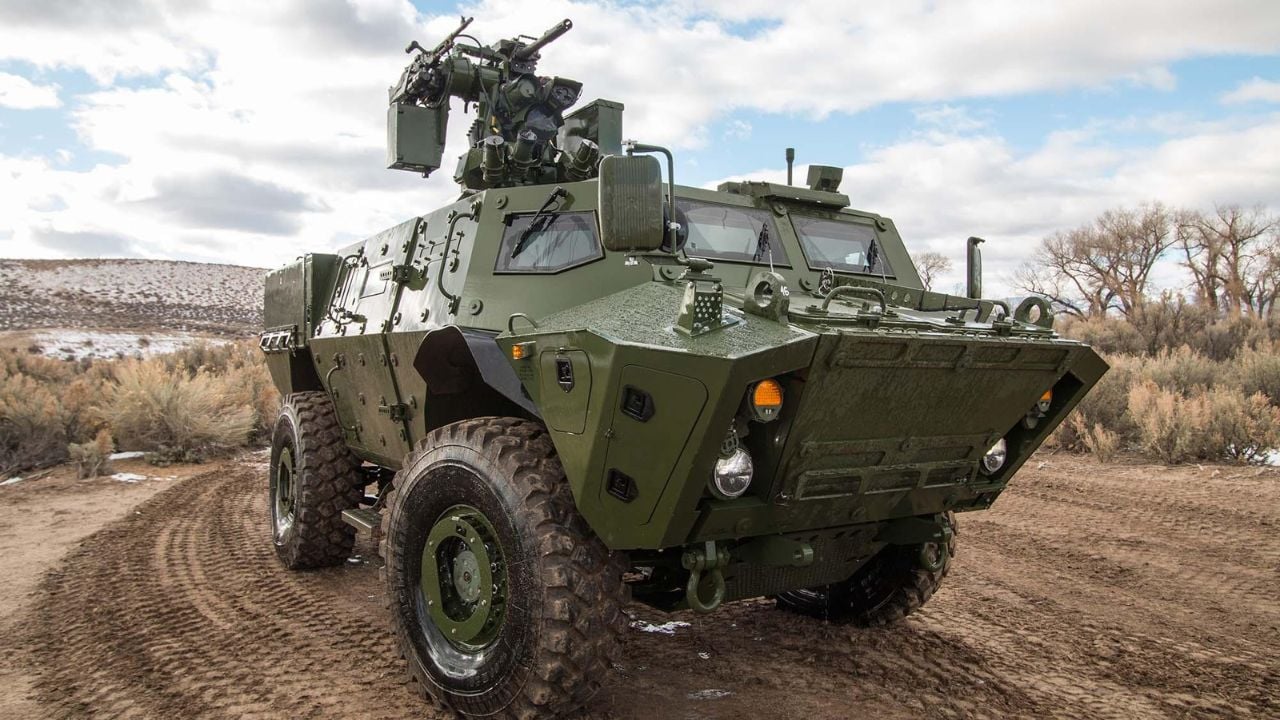
Textron’s Commando Elite is pure American-made muscle. It’s a legacy vehicle that carries decades of battle-tested design. With its sharp edges and boxy frame, it’s built to do one thing: deflect trouble. The Commando Elite is a versatile platform, and its most advanced feature is its integrated armor system that can be customized to different threat levels.
Textron says it has delivered hundreds of COMMANDO vehicles to the U.S. Army, and the broader COMMANDO family has been fielded by U.S. partners and allies, proving its worth in both war zones and natural disaster relief. It’s not just a carrier; it’s a guardian that brings peace of mind to everyone inside. The Commando Elite doesn’t run from problems; it rolls straight toward them.
BMC Vuran
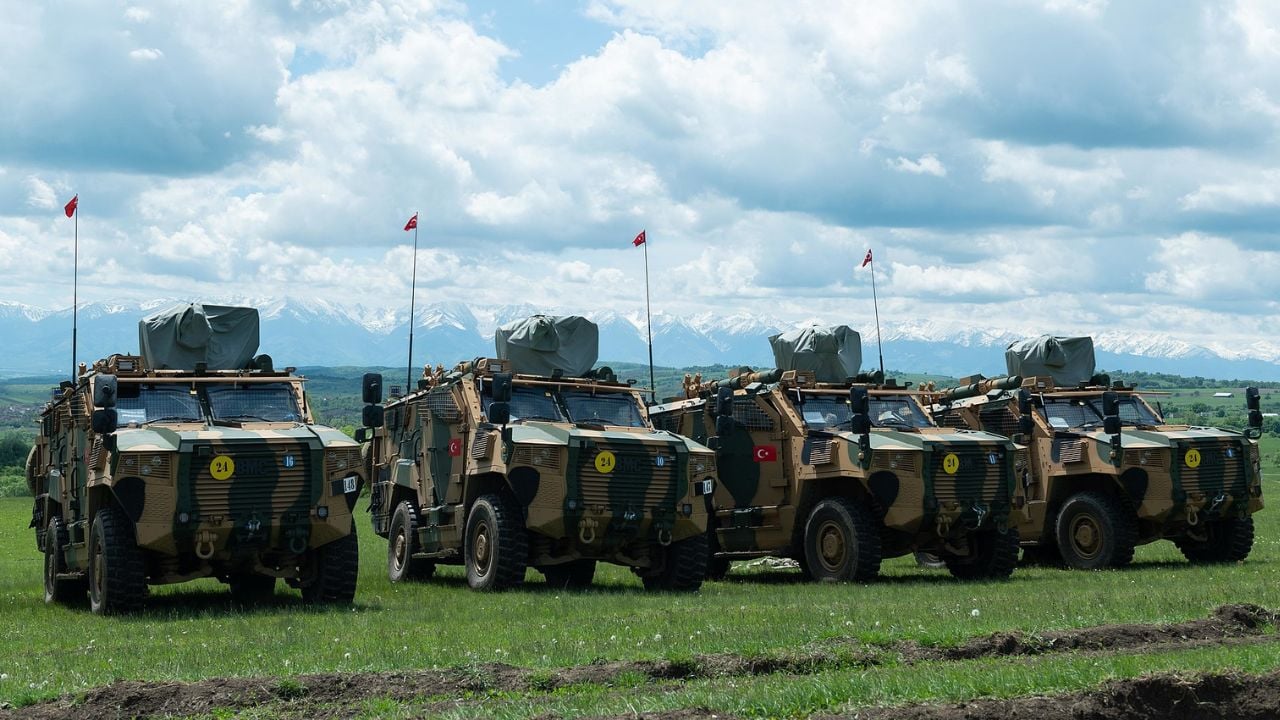
Another rising star from Turkey, the BMC Vuran is starting to get some serious attention in U.S. defense circles. It’s compact, flexible, and looks like it was designed to survive the apocalypse. The Vuran’s design is all about small teams and close-quarters missions, which makes it an ideal candidate for National Guard or rapid-response units.
Its V-shaped hull provides protection against mine blasts, and its agile nature allows it to navigate tight spaces that larger APCs can’t. It’s tough without being bulky, which is a rare combination in the world of armored vehicles.
It’s the kind of machine that makes you think, “I bet that thing can get through rush hour traffic with no problem.”
BTR-82A
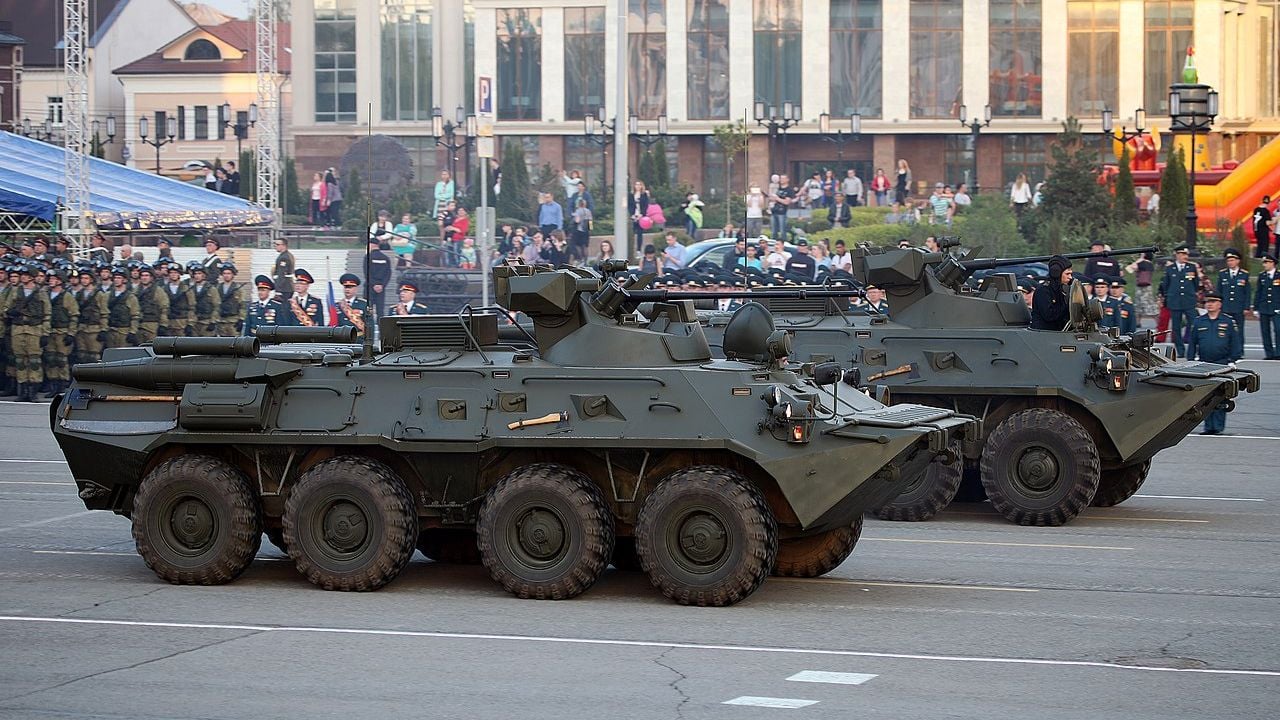
The BTR-82A is a Russian platform that’s been around for a while, but it’s not going anywhere. It’s a simple, rugged, and blunt instrument that American military thinkers study to understand potential threats. Its basic design and reliable 300-hp engine make it a formidable opponent in low-tech, high-conflict zones.
While it may be outdated in some ways, its sheer numbers and ease of use make it a persistent threat. The BTR-82A is a reminder that knowing your opponent is half the battle, and that sometimes, a sledgehammer is all you need to get the job done.
Griffon VBMR
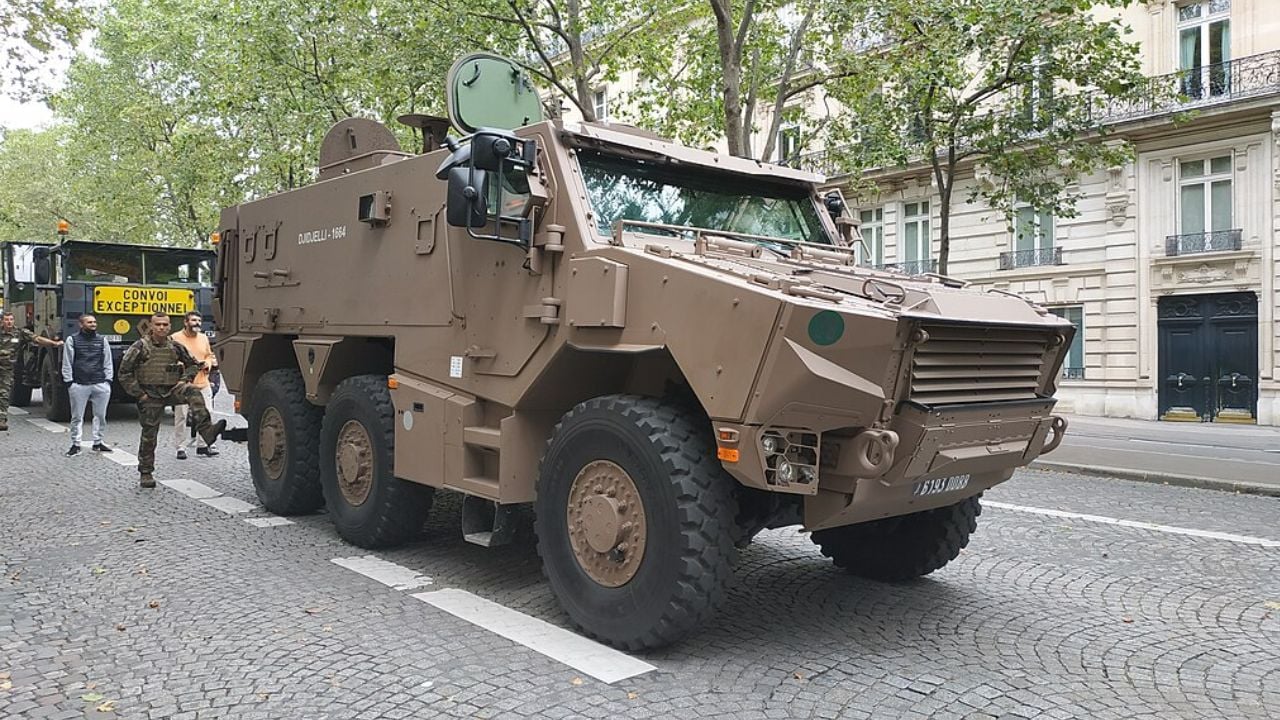
France’s Griffon VBMR is one of the newest players on the APC stage, and its buzz has reached across the Atlantic. Developed under France’s SCORPION modernization program, the 6×6 Griffon entered service in 2019 and was built from the start around networked battlefield systems. It’s clean, confident, and modern to the core, like the iPhone of armored vehicles. With its high-tech edge and adaptable design, some American contractors are watching closely.
It looks just as comfortable rolling through a battlefield as it does appearing in a defense expo. This isn’t your granddad’s APC. It’s forward-thinking, smart, and bold. As the U.S. modernizes its own fleet, the Griffon is a reminder that the future is already here, just parked overseas for now.
Why These APCs Matter
In a world where danger doesn’t wait, these APCs prove that mobility and protection can go hand in hand. From U.S.-built powerhouses to foreign machines influencing future designs, each one represents a different approach to staying one step ahead of the threat.
For American troops and tactical teams, the right vehicle isn’t about bragging rights; it’s about coming home safe.
As conflicts shift and technology moves forward, these carriers will continue to evolve, adapt, and roll into the next mission. Some are already battlefield veterans, others are on the brink of becoming tomorrow’s backbone.