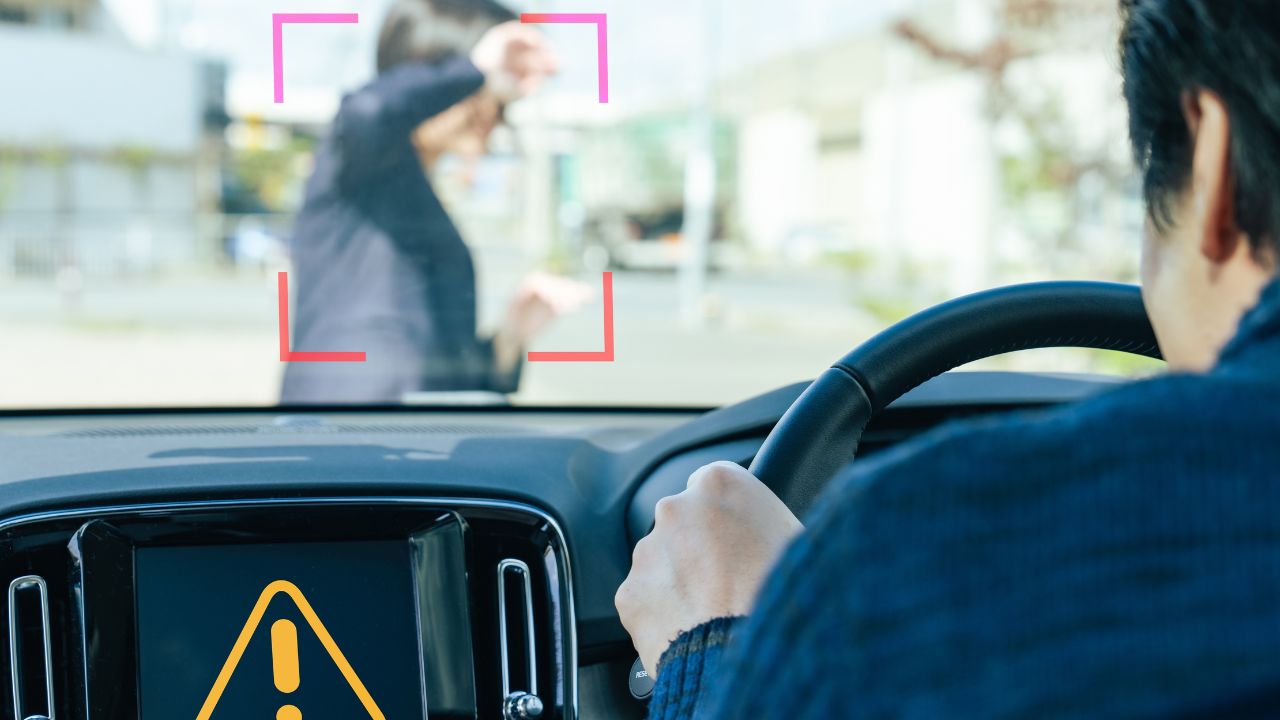
Not long ago, holding steady at 65 mph on a summer highway felt like the height of driving luxury. Today’s vehicles go far beyond simple speed control—sensors and cameras monitor traffic, lane markings, and even pedestrians, stepping in when we miss a cue. These advanced driver assistance systems blend technology and real-world expertise to help drivers avoid crashes without taking control of the wheel.
Whether you remember road trips in a wood-paneled station wagon or changing cassette tapes on the fly, you’ve likely spent hours behind the wheel honing your driving instincts. Now, these features act like a trusted copilot, quietly scanning for hazards so you can focus on the scenic route ahead. Let’s break down what each system does and how it works—minus the jargon.
Front Crash Prevention: Seeing Trouble Before It Happens
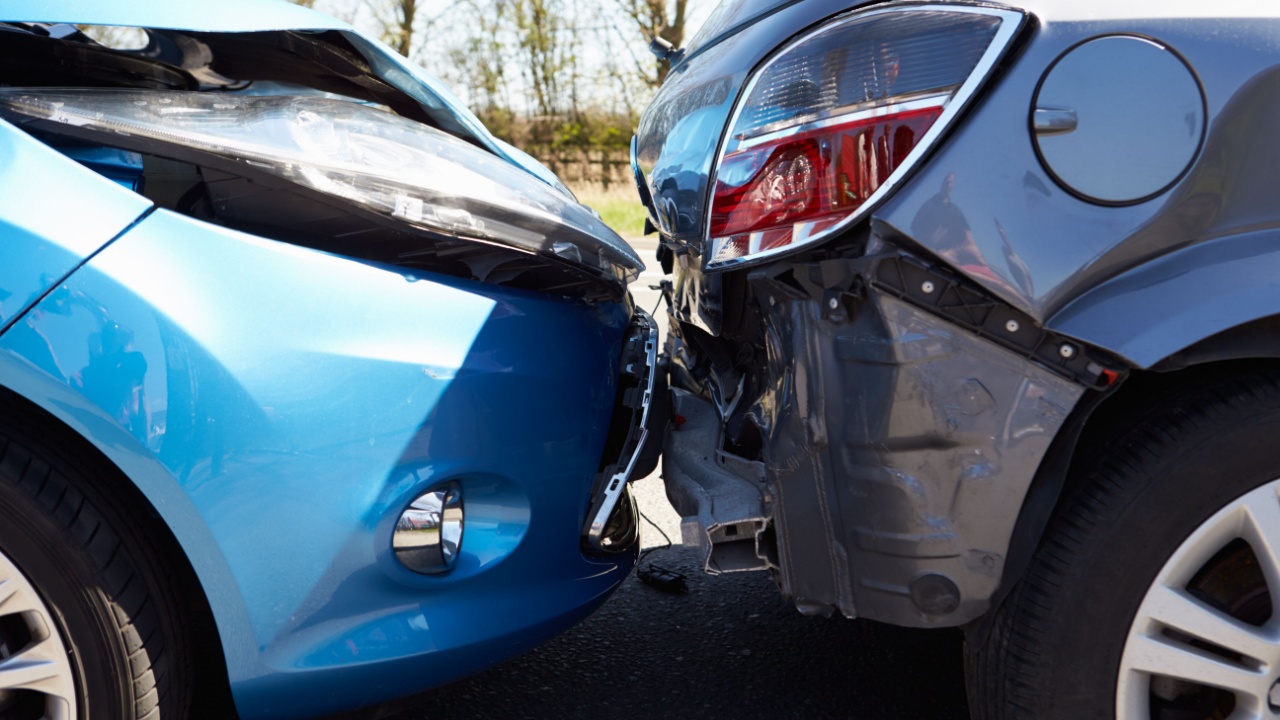
How it works: Forward collision warning and automatic emergency braking use radar and camera data to track the distance to the vehicle ahead, according to the IIHS. If you close in too fast, the system alerts you and preps the brakes, then applies full force if you don’t react.
What it does: By combining warnings with automatic braking, this setup can reduce rear-end crashes by roughly 40–50 percent, depending on implementation and study. Imagine cruising behind a camper on the open road—these sensors jump in like a vigilant navigator, ready to tap the brakes faster than you can.
Remember when your dad would shout “Brake! Brake!” from the passenger seat as you followed too close on a winding back road? Now the car does that for you—all without the backseat advice.
Lane Departure Warning and Prevention: Staying Between the Lines

How it works: A forward-facing camera reads painted lane markings and alerts you if you drift without signaling. Lane keeping assist adds gentle steering input (and in some systems, selective braking) to guide you back.
What it does: These features curb single-vehicle sideswipe and head-on crashes, especially on long stretches when fatigue sets in. Picture the steady hand of a conductor keeping an orchestra in harmony—your car gently corrects its own rhythm.
If you ever screwed up a late-night highway run and ended up hugging the rumble strip, this system saves you from waking up every tire on the way.
Blind Spot Detection: Your Vehicle’s Sixth Sense

How it works: Radar sensors scan the zones beside and just behind your car that mirrors can’t cover. When a vehicle appears, a light indicator on the mirror glows; some systems also add steering torque when you signal.
What it does: By alerting you to hidden traffic, blind spot detection has been shown to reduce lane-change crashes by about 14 percent, according to IIHS studies. Think of it as an invisible spotter riding shotgun, so you can merge confidently even when visibility is tight.
Back in the day, you’d crane your neck over the shoulder of a bulky sedan, hoping no kid on a skateboard shot by. Now the car has your back—literally.
Rear Crash Prevention: Backing Up with Confidence

How it works: Backup cameras deliver a wide-angle view of what’s behind you, while cross-traffic alerts and rear automatic braking monitor side approaches.
What it does: Since rearview cameras became mandatory on new vehicles in the U.S. in 2018, these combined aids have contributed to measurable reductions in backing-over incidents, particularly involving pedestrians and related injuries. It’s like having a pit crew scanning your vulnerable six, so you don’t end up nicking the curb—or worse.
Remember squinting through frost-covered rear windows to back out of the driveway? Today’s sensors make sure you never miss a child chasing the mail.
Adaptive Cruise Control: Smarter Speed Management

How it works: Radar (and in some newer systems, camera-based fusion) gauges the gap to the car ahead, automatically adjusting throttle and brakes to maintain a preset following distance.
What it does: On highways and in stop-and-go traffic, ACC transforms tedious driving into a smooth glide, reducing driver fatigue. It’s the modern equivalent of setting cruise control on a ’70s road trip—only now it follows traffic flow for you.
If you ever lost count of your foot taps on a long journey, this feature turns the pedal dance into a hands-off duet.
Lane Centering: The Art of Staying Pinned

How it works: Cameras track lane lines and continuously apply steering torque to keep the vehicle centered. Paired with adaptive cruise control, it maintains a balance between speed and position.
What it does: By staying mid-lane, these systems can reduce driver workload and help maintain lane position, which may lower crash risk on muggy mornings or sun-bleached roads where lines can fade. It’s like having a model train’s magnetic guide ensuring you never derail.
If you recall drifting in a twisty canyon with a manual column shift, lane centering feels like adding a ghost driver who never takes their eyes off the track.
Driver Monitoring Systems: The Tech That Checks on You

How it works: Some driver monitoring systems use infrared cameras to observe eyelid movement and head position, detecting drowsiness or distraction. Alerts employ sounds, lights, or seat vibrations to refocus your attention.
What it does: These systems curb sleepy-driving episodes by nudging you back into alertness—ideal for late-night shifts or sunrise runs. It’s your car’s version of a gentle tap on the shoulder when your mind drifts.
Think of when Mom would smack the dashboard to keep you straight. Now your car politely reminds you to stay sharp—without risking a broken fingernail.
Partial Driving Automation: A Copilot, Not a Pilot

How it works: Combining adaptive cruise control, lane centering, and collision braking, SAE Level 2 automation handles speed and steering simultaneously under limited conditions under certain conditions while requiring continuous driver supervision.
What it does: It eases highway cruising and light traffic chores, but issues takeover requests when road complexity increases. Consider it your backroad buddy—helpful on the interstate, but you still call the shots.
Early cruise control in the ’80s felt revolutionary; today’s partial automation is that, dialed up with modern sensors—yet still reminds you, “Hands on the wheel.”
Technology’s Helping Hand to Keep Driving Smart

Advanced driver assistance features have evolved from rare options to everyday essentials, reducing crashes and making long drives more manageable. From braking before you blink to gently guiding your lane position, these systems act like experienced copilots—ready to step in when human error creeps in.
Still, no gadget can replace an attentive driver. Treat ADAS as a reliable partner, not a substitute for focus. Keep your hands on the wheel, eyes on the road, and memories of analog dash lights close at heart. Together, you and your car will navigate today’s highways more safely than ever before.