The best weird attractions are not random roadside jokes that wear thin in five minutes. They are the places that make you slow down, stare a little longer than expected, and wonder how something this strange became real in the first place. America still has a handful of stops that do exactly that.
What makes them worth the detour is not only the visual oddness. Each one comes with a story strong enough to hold up once the first laugh or double take wears off. A field of upright cars in Nebraska, a painted desert shrine in California, a limestone monument in South Florida, and a Wisconsin attraction that keeps getting stranger the deeper you go all feel memorable for different reasons.
This list also works because the oddness is not repetitive. One stop is pure prairie absurdity. Another feels devotional and handmade. Another builds its appeal around mystery and engineering obsession. Another is part architecture, part collection fever dream, and another turns a redwood hillside into a classic gravity-house illusion.
Together, they make a strong case for the American weird-attraction road trip done properly. These are not just curiosities with good marketing. They are places with enough scale, story, or atmosphere to justify pulling off the road and making the stop count.
1. Carhenge, Nebraska

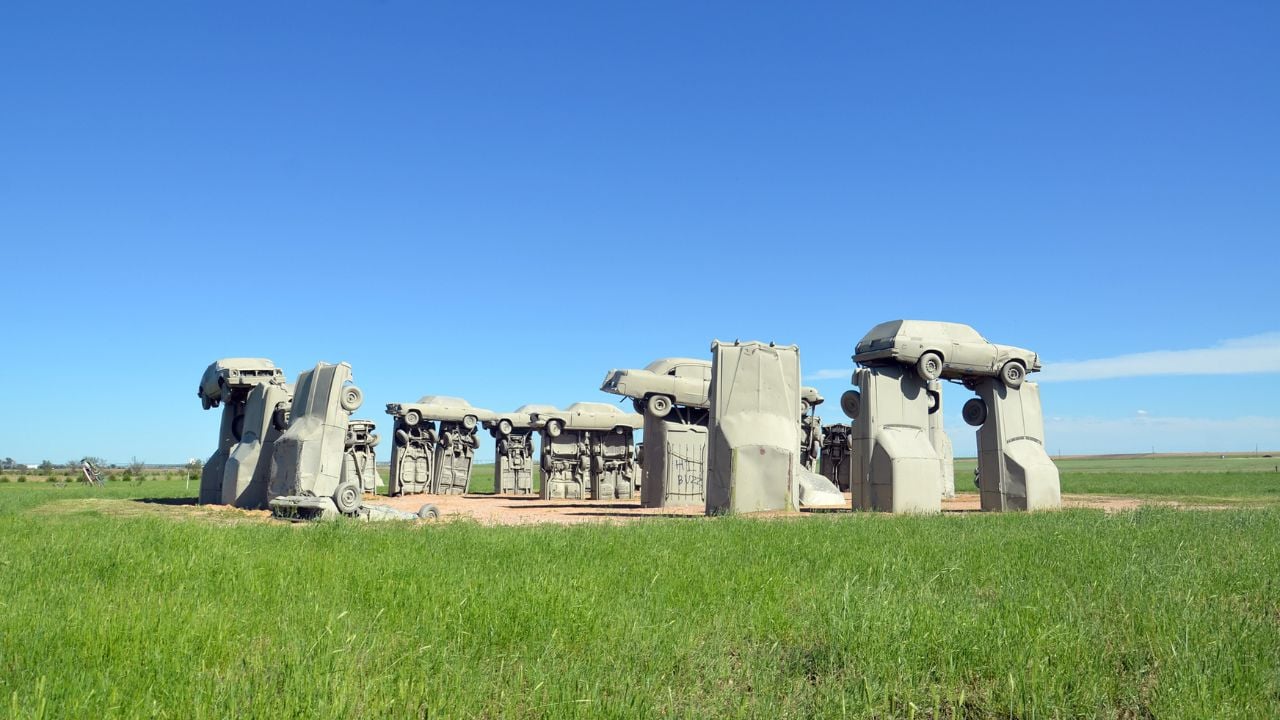
Alliance, Nebraska, has one of the country’s most satisfying acts of roadside absurdity. Visit Nebraska says Carhenge is a replica of Stonehenge made from old cars, built in 1987 by the Jim Reinders family in memory of his father during a family reunion. That origin story is strange enough on its own. Then you arrive and find silver-painted vehicles standing upright on the plains where ancient standing stones definitely do not belong.
The stop works because it is not just funny in theory. Nebraska’s tourism office says it is free, has parking and paths, and stays open year-round during daylight hours. That makes Carhenge an easy detour and a real landmark rather than one of those odd attractions that sounds better in a headline than it looks in person.
2. Salvation Mountain, California
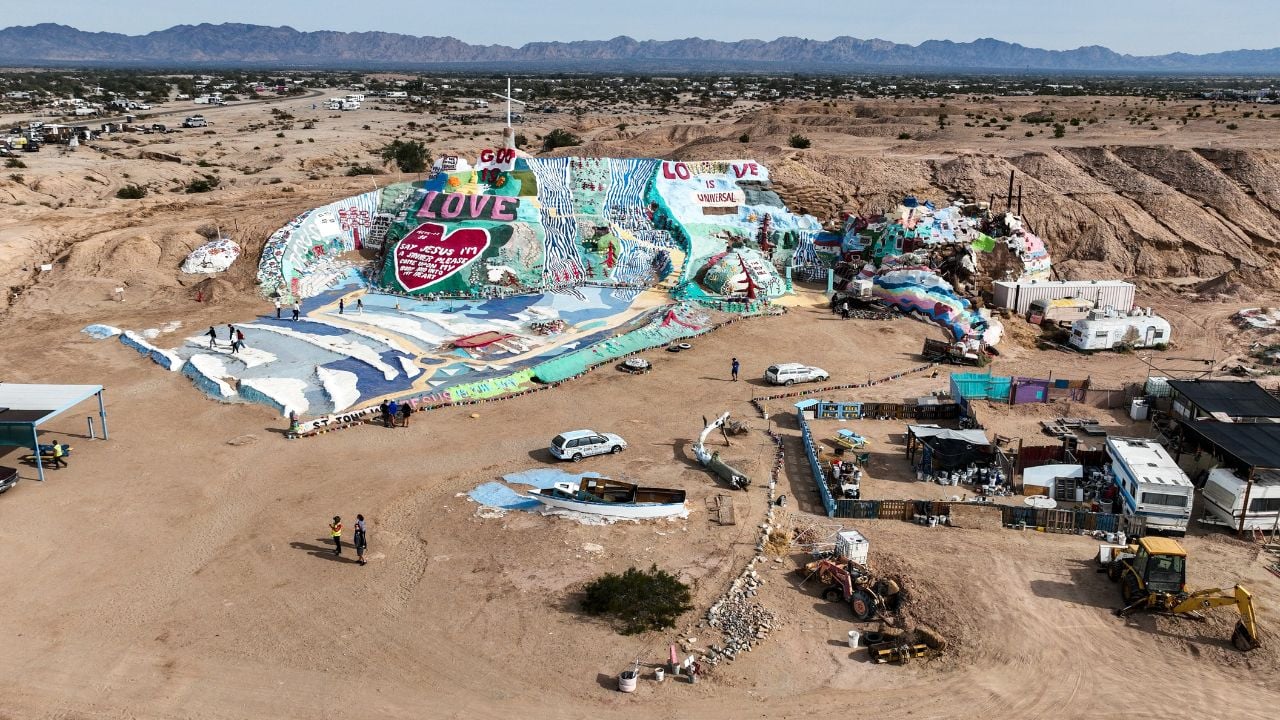
Out near the Salton Sea, Salvation Mountain looks less like a standard attraction and more like something a dream left behind in the desert. The official Salvation Mountain site describes it as Leonard Knight’s tribute, built from local adobe clay and donated paint, carrying the message “God Is Love” across a folk-art mountain roughly 50 feet high and 150 feet wide. It is bright, handmade, deeply sincere, and impossible to confuse with anywhere else.
The experience is refreshingly simple. The official visit page says the site is open sunrise to sunset, 365 days a year, and visiting is free, with donations helping preserve the artwork. That simplicity suits the place. You show up, walk around slowly, and let the scale and strangeness do the work.
3. Coral Castle, Florida
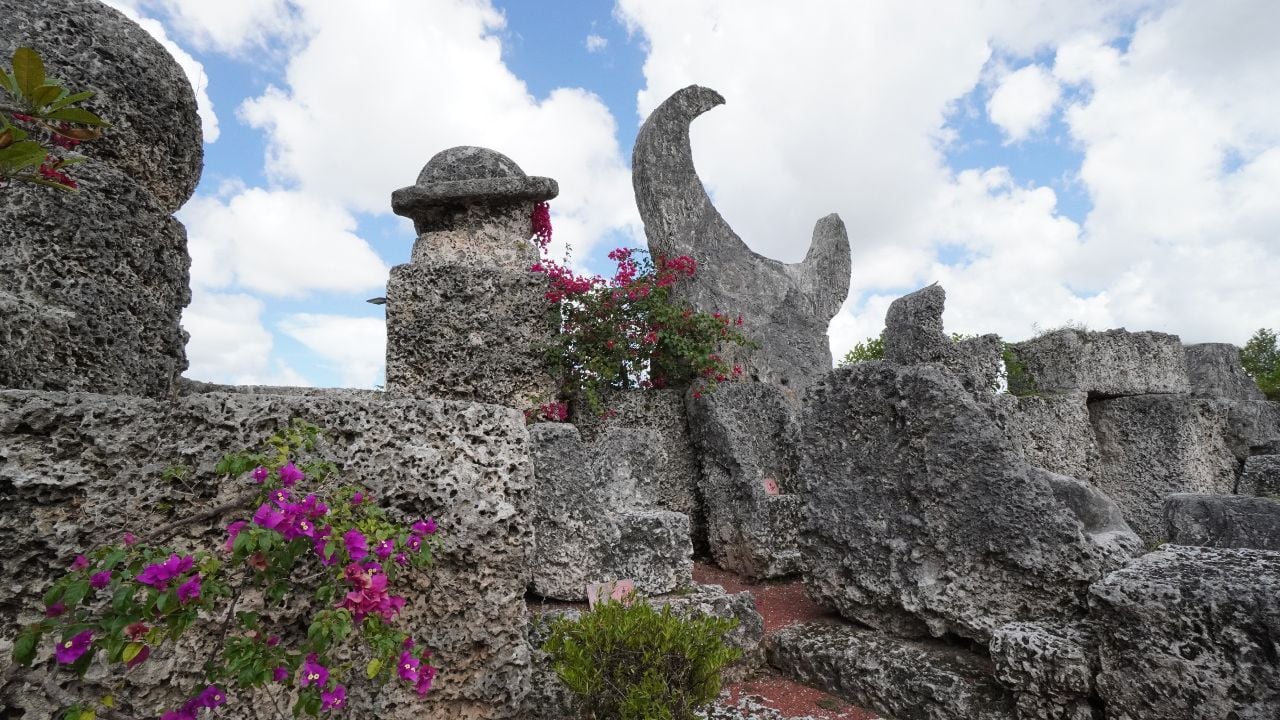
Coral Castle in Homestead feels weird in a more controlled, more puzzling way. Its official site says Edward Leedskalnin built it single-handedly from 1923 to 1951, moving and carving massive limestone blocks with simple tools and creating features such as the famous balanced gate. Whether you read it as stubborn engineering, eccentric artistry, or a private obsession turned public, the place still has the power to make people stop and ask how exactly he did it.
Part of the appeal is that the mystery is wrapped inside a very usable stop. The official visitor page lists Coral Castle at 28655 South Dixie Highway in Homestead and says it is open daily from 9 a.m. to 7 p.m., with the last tour beginning at 6 p.m. That gives the attraction a cleaner museum feel than many oddball landmarks, which makes it especially easy to work into a South Florida trip.
4. House on the Rock, Wisconsin
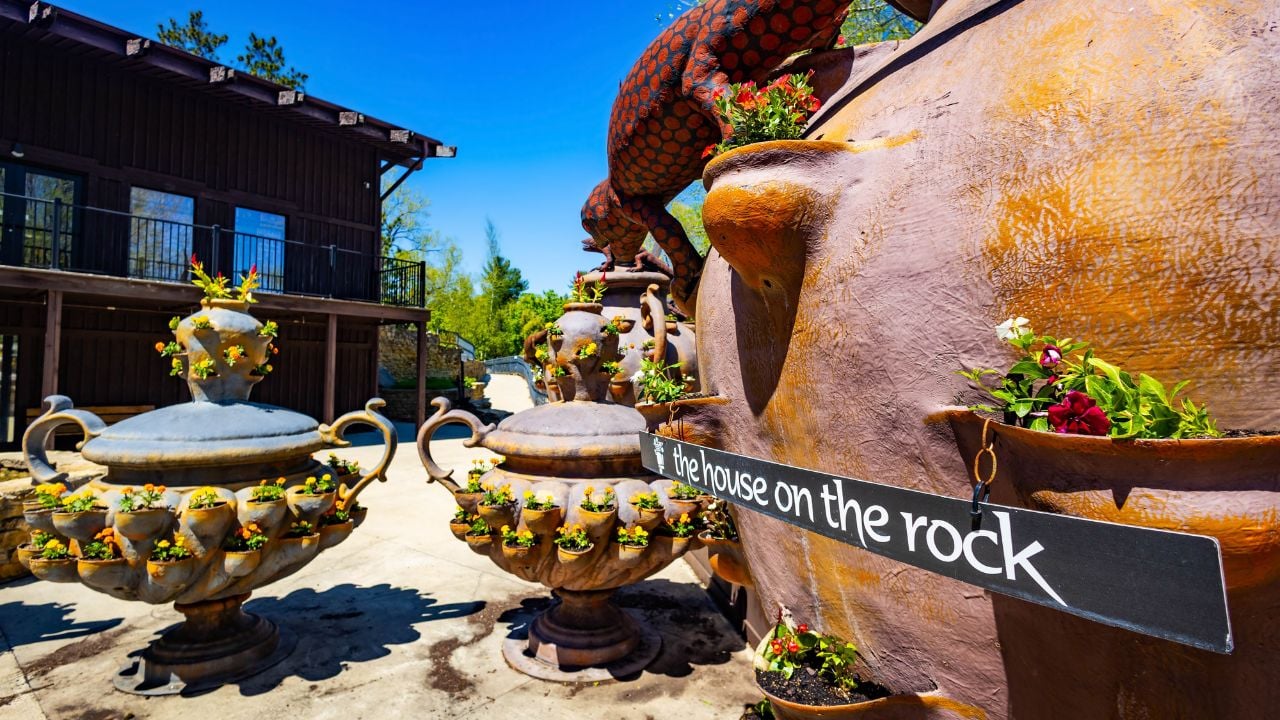
House on the Rock is the kind of place that sounds exaggerated until you read its own description. The attraction’s official site says Alex Jordan began the project in 1945 with the goal of building a retreat as awe-inspiring as the view from the rock itself. Over the decades, it expanded into displays and collections of “the exotic, the unusual and the amazing,” arranged across three separate tours. That is not marketing fluff. It is a fair warning.
The place works because it keeps changing shape as you move through it. One section feels architectural, another nostalgic, another overwhelming in a deliberate way, as though somebody built a museum out of curiosity and excess rather than category. Official visit information still frames it as an active attraction in Spring Green rather than a dusty relic, which is exactly why it belongs on a list like this.
5. The Mystery Spot, California

If your idea of weird includes a little performance, The Mystery Spot near Santa Cruz still delivers. California’s Office of Historic Preservation identifies it as the first and most significant example of its type in the state, a tilt-box or gravity-house roadside attraction that opened in 1941. That matters because it gives the place more than novelty value. It is also a legitimate piece of California roadside history.
The official attraction site makes it easy to fold into a Northern California itinerary. The Mystery Spot says it is at 465 Mystery Spot Road, that it frequently sells out around noontime on weekends and holidays, and that advance tickets are a smart move. That may be the strongest proof of all that American weird still works: people are still perfectly willing to plan their day around a hillside designed to mess with their sense of balance.