
Tesla’s Cybertruck entered the market with bold promises of revolutionizing the pickup segment, but reality has proven far more modest.
In the first quarter of 2026, only 3,519 units were sold, marking the weakest performance since launch. This is a sharp contrast to Elon Musk’s early ambition of 250,000 annual deliveries.
In 2025, Tesla managed about 20,200 Cybertruck deliveries, down from roughly 39,000 in 2024. It would later come to light that, in fact, over 18% of the reported sales numbers were “purchased” by Musk’s other companies, including SpaceX.

The trajectory reveals a widening gap between expectation and reality, as the futuristic truck struggles to gain traction among mainstream buyers. Now, it would seem that Musk will rather reframe the Cybertruck’s identity than admit defeat and turn tail.
With Tesla actively rebranding as a tech company, the stainless-steel pickup may not care that it isn’t filling highways as expected, since its angular design and sci‑fi aesthetic are finding new life in everyday merchandise.
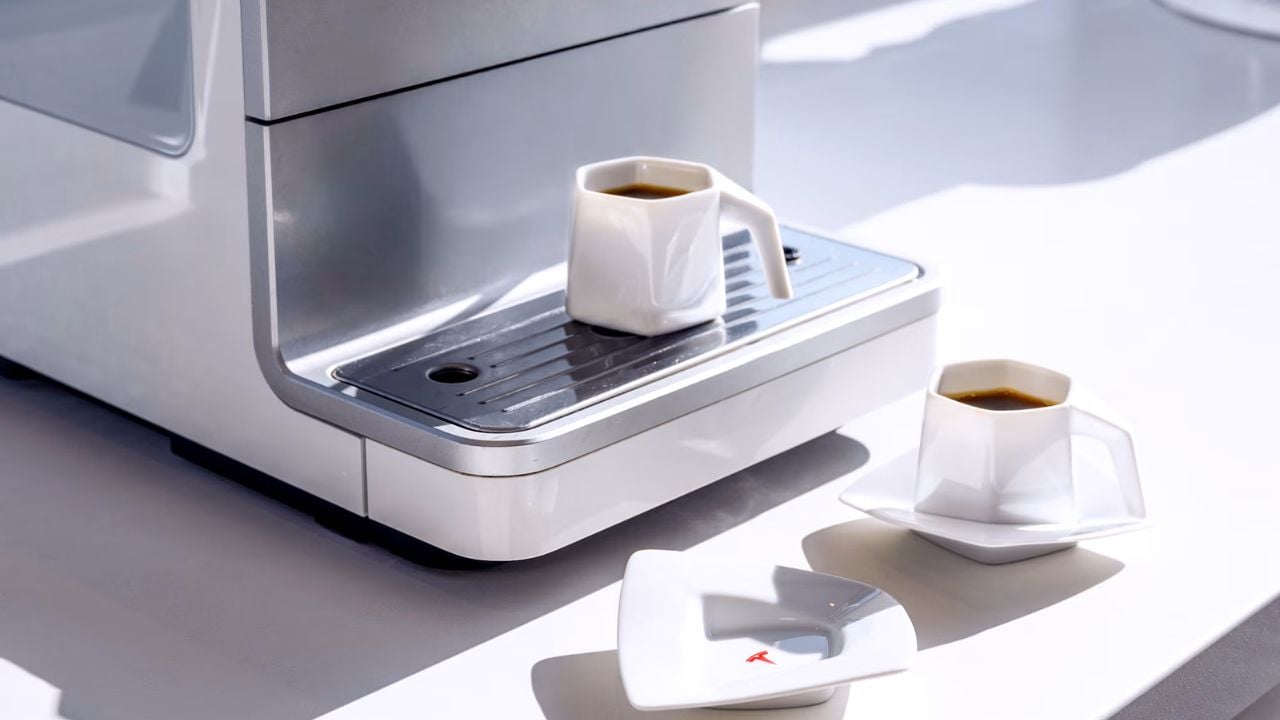
We’re talking coffee mugs, drinkware, and collectibles inspired by the Cybertruck and Tesla’s humanoid robot Optimus; they’re now part of the company’s strategy. The pivot suggests that while consumers may hesitate to spend $70,000 on a truck, they might happily pay for a smaller piece of the brand to hold their morning caffeine.
From Pickup to Pop Culture Artifact

The Cybertruck’s divisive design has always been a double‑edged sword. Its sharp angles and “apocalypse‑ready” persona made it visually iconic, but also polarizing in a market that favors conventional pickups.
Tesla introduced lower‑priced trims to revive interest, yet demand continued to soften. Internal company purchases accounted for nearly one in five registrations in late 2025, raising questions about how much consumer traction exists outside Musk’s own ecosystem.
Still, the truck’s cultural footprint remains undeniable.
Even as sales falter, the Cybertruck thrives as a symbol. Its presence in memes, social media, and merchandise keeps it relevant. In fact, fewer trucks on the road may amplify its mystique, turning ownership of Cybertruck‑themed items into a way for fans to participate in the story without committing to the vehicle itself.
Tesla has effectively lowered the barrier to entry from tens of thousands of dollars to the price of a coffee mug, keeping the conversation alive in kitchens and offices.
Merchandise as a Pressure Valve
The merchandise has to be more than a side hustle for Tesla; it is a strategic pressure valve. By converting curiosity into cash, the company channels attention that might otherwise dissipate.
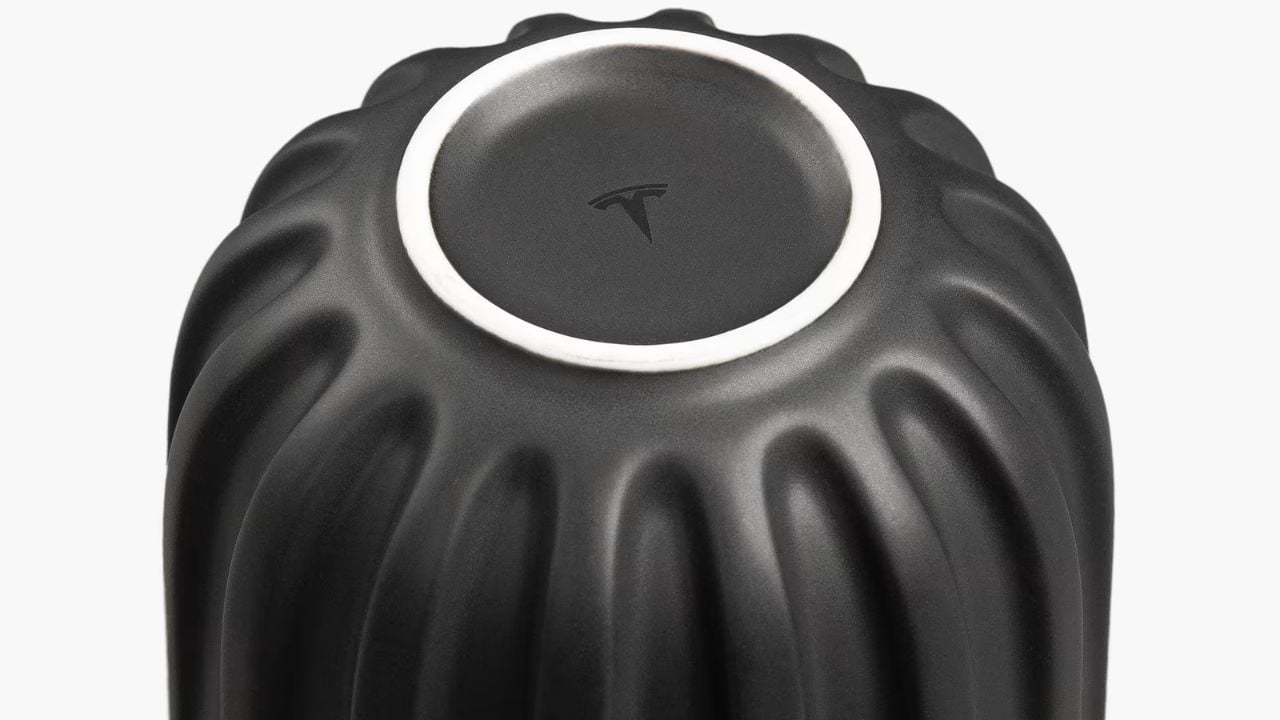
The Cybertruck’s cultural reach allows Tesla to monetize enthusiasm even when vehicle adoption lags. Mugs, collectibles, and Optimus‑themed drinkware extend the brand’s futuristic design language into daily life, ensuring that Tesla remains part of consumer routines.
This approach also highlights Musk’s skill at turning setbacks into experiments.
The Cybertruck may underperform commercially, but its identity as a cultural artifact is thriving. Merchandise bridges the gap between hype and reality, offering fans a tangible way to engage with Tesla’s vision.
In doing so, Musk reframes declining vehicle numbers not as failure, but as opportunity—an invitation to buy into the brand’s symbolism rather than its hardware.
A Paradox of Sales and Symbolism
Tesla now faces a paradox: the Cybertruck’s divisive nature limits its sales ceiling but amplifies its cultural reach. The fewer trucks that populate the roads, the more iconic each one appears. This scarcity enhances the appeal of owning a smaller, more accessible piece of the story.
Musk leans into this paradox by asking a simple question through product strategy: if you would not drive the Cybertruck, would you at least drink from it?
The answer, judging by Tesla’s merchandising push, is yes.
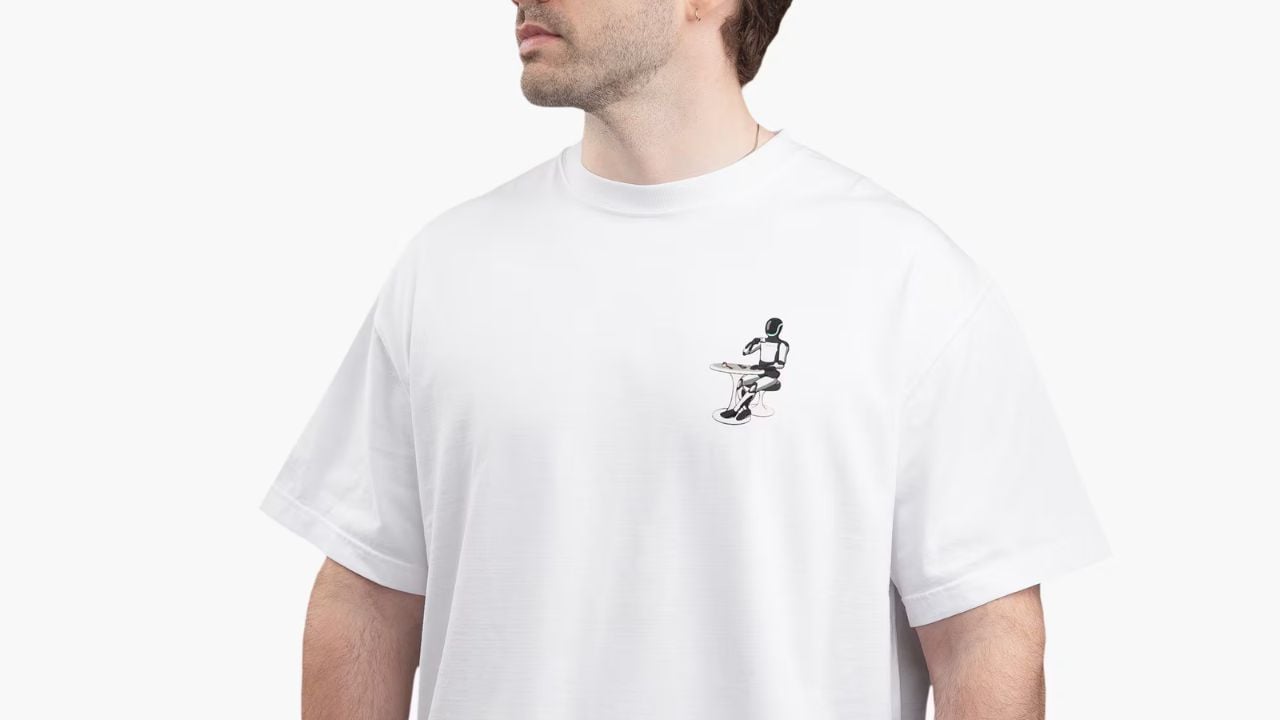
Fans may balk at the price or practicality of the truck, but they are willing to embrace its design language in other forms. By tying Cybertruck merchandise to Optimus robot themes, Tesla signals a broader pivot toward AI and robotics, areas where future excitement and revenue may lie.
In this way, the Cybertruck evolves from a transportation product into a design language that lives on kitchen counters, office desks, and collector shelves.
Tesla closes the loop between hype and reality by turning unmet expectations into a different kind of demand. The Cybertruck may fall short as a mass‑market pickup, but it succeeds as a symbol people are still willing to bring into their daily lives—one cup at a time.